
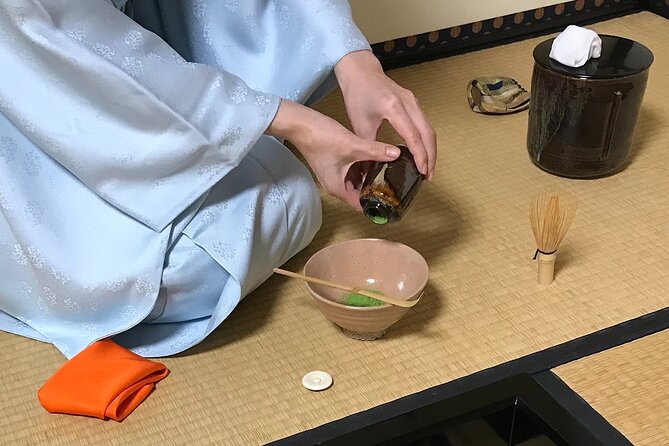
Reviewed · KYOTO TEA CEREMONIES
Kyoto: Quiet and Graceful Tea Ceremony
Kyoto’s tea ceremony is not a showy performance. It is a carefully ordered pause, where the host’s hand, the bowl, the sweets, and even the quiet all matter. At Omotenashi Tea Ceremony, you sit in a private tatami room while a tea master prepares premium Kyoto matcha, explains the ritual, and then lets you make tea yourself.
I like two things here: the small group size, capped at eight, and the chance to do more than watch. The host explains how to enter and sit properly, serves seasonal Japanese sweets, and answers questions. Several hosts have been praised for their warmth, with Mai singled out for her graceful, clear presentation.
The main caution is that this is a quiet, traditional session, not a kimono photo package. You cannot take photos during the tea performance, the room may feel cold in November, and some people find the 45 minutes a little rushed for the price.
Key points to know before booking
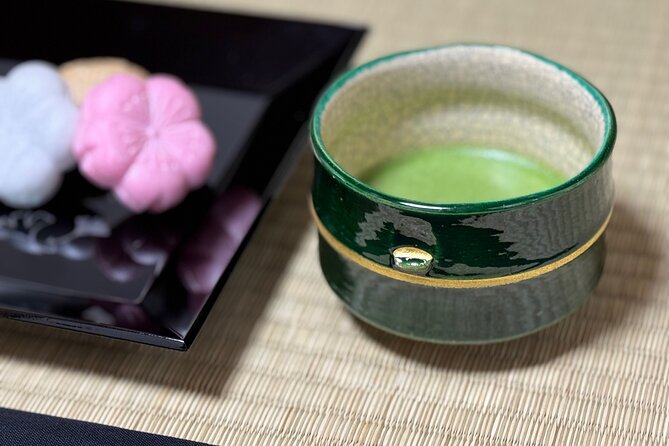
- A private tea-room setting: The ceremony takes place in the tea master’s home, specially designed for tea practice, rather than in a large commercial venue.
- You make your own matcha: After watching the demonstration, you take part in preparing the tea yourself.
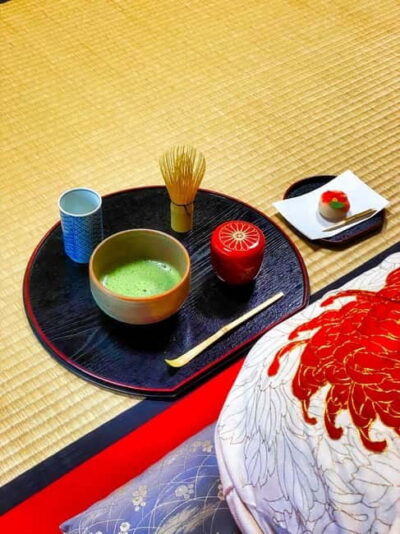
- Seasonal sweets are included: Traditional Japanese sweets are served with the matcha.
- Small and personal: The maximum group size is eight, and solo bookings are accepted.
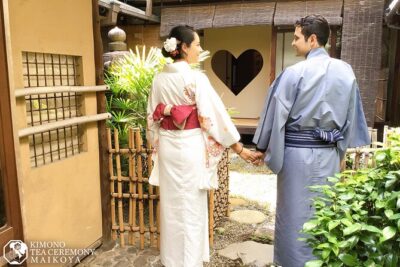
- No kimono rental: Dress-up is not part of this activity, and photos are paused during the main tea preparation.
- Plan for 45 minutes: This works well as a focused cultural stop, but it is not a long ceremony course.
What this Kyoto tea ceremony is really about
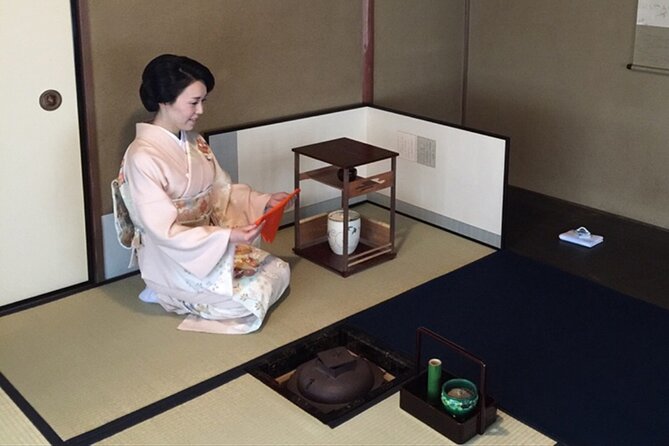
The appeal here is the quiet. Kyoto offers plenty of attractions with crowds, queues, and cameras raised at every turn. This experience gives you a short period in which the pace drops and attention shifts to simple actions: folding a cloth, placing utensils, turning a bowl, and whisking green tea.
A Japanese tea ceremony, or chanoyu, is not simply a way to drink matcha. The preparation reflects hospitality, discipline, seasonality, and respect between host and visitor. You will not master the whole tradition in 45 minutes, but you can begin to understand why each movement is deliberate.
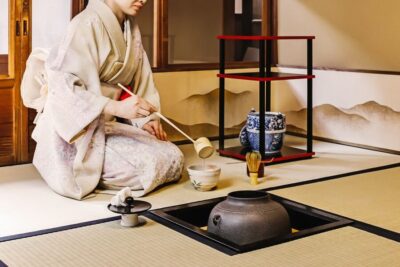
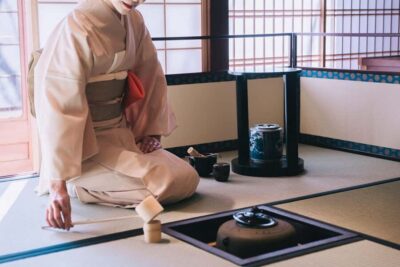
The host prepares the tea with measured, graceful motions. The placement of the utensils is part of the lesson, not decoration. You also receive an explanation of proper etiquette for entering the room and sitting, which helps you feel less like an observer and more like a participant.
That point matters. At many cultural demonstrations, you watch from a distance and leave with a few photographs. Here, the most useful part comes after the demonstration, when you get to prepare matcha yourself. The result is hands-on without being intimidating.
More tea ceremonies in Kyoto:
- Kyoto: Tea Ceremony in a Traditional Tea House in Kiyomizu
★ 4.9 · 3,519 reviews - Kyoto: Tea Ceremony Ju-An at Jotokuji Temple
★ 4.9 · 3,207 reviews - Kyoto: 45-Minute Tea Ceremony Lesson Experience
★ 4.3 · 2,378 reviews
Entering the private tatami room
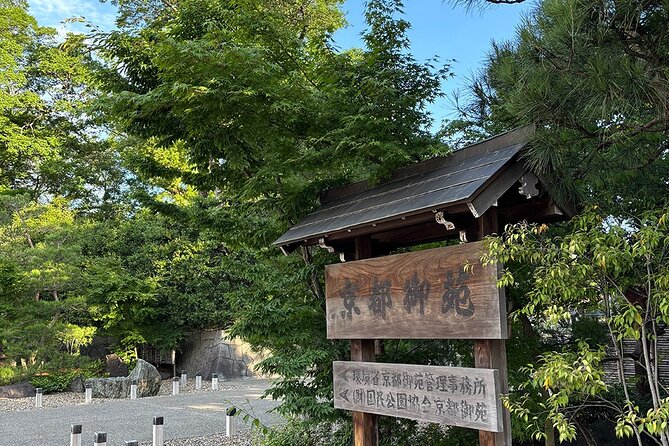
The meeting point is listed at 450-1 Sanbongichō in Kyoto’s Nakagyo Ward, at the address of 南総合会計事務所. The activity ends at the same meeting point. Because the listed address may not immediately look like a traditional tea venue, check the exact directions and arrival instructions before setting out.
The room is a private tea space rather than a grand tea house. That creates both the charm and the limitation of the experience. You get a more personal setting, with the host close enough to explain details and respond to questions. On the other hand, the surroundings may feel more like entering someone’s home than visiting a polished tourist attraction.
I see that as a fair trade if your priority is authenticity and calm. If you want ornate interiors, formal costumes, or a staged cultural production, this may feel plain. The room is designed for tea ceremony, but it is not presented as a luxury set.
The atmosphere depends partly on the group arriving on time. An early arrival once interrupted the quiet while the room was being prepared. You will have a better experience by arriving at the stated time rather than turning up far ahead and waiting inside.
Watching the host prepare premium matcha
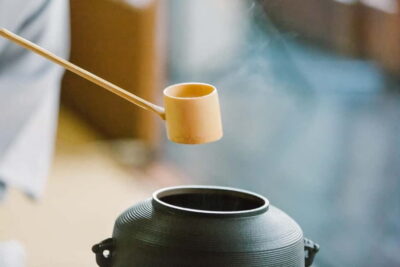
The tea master begins by showing the traditional preparation. You can expect the focus to rest on utensils, sequence, posture, and the careful whisking of matcha. The ceremony is intentionally unhurried in its movements, even though the full activity lasts only about 45 minutes.
Several hosts have been praised for making the explanation accessible. Mai, in particular, has been noted for combining precision with a warm manner. Another host was appreciated for speaking clear English and helping a family understand what was happening. The exact host may vary, so do not book solely on the assumption that Mai will lead your session.
The silence during preparation is part of the experience. It may feel unusual at first, especially if you are used to a guide talking constantly. Here, the quiet gives you time to notice the sound of the whisk and the movement of the bowl. One of the strongest impressions from the experience is that the silence feels restful rather than awkward.
You will also have time for questions. The question-and-answer portion is especially useful if you want context instead of simply copying the host’s movements. Ask about the utensils, the etiquette, the seasonal sweet, or why the tea is served in a particular order.
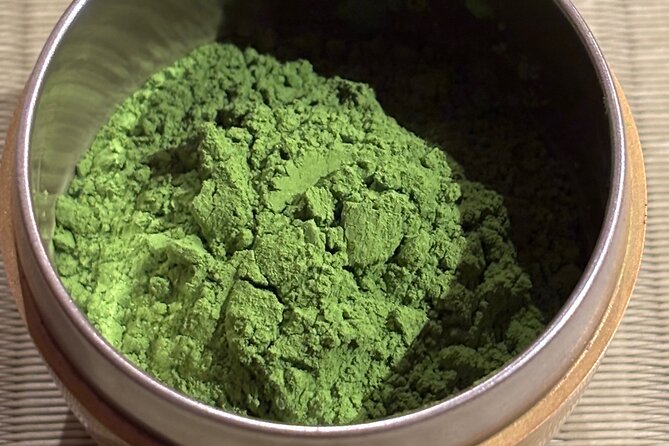
The tea itself has a firm, vegetal taste. Matcha is not sweet in the way a flavored café drink is sweet. That is why the traditional confection matters.
Sweets first, matcha second
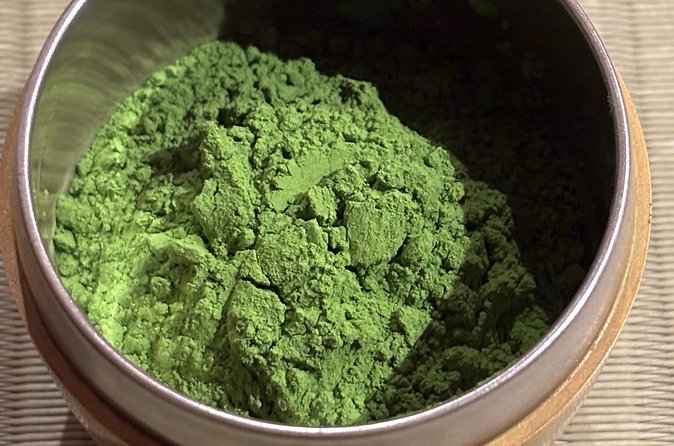
Traditional Japanese seasonal sweets are served to accompany the matcha. Their sweetness prepares your palate for the tea and gives the tasting a seasonal connection. The exact sweet can vary, so you should not expect one fixed menu.
This pairing is a small but important part of the ritual. The sweet is not just a snack added to the booking. It balances the bitterness of the tea and helps you understand how the ceremony treats food and drink as one considered sequence.
Not every child will enjoy a traditional Japanese sweet. One family found that their children preferred Oreos, and the host kindly brought some for them. That detail says something useful about the tone here: the ceremony follows tradition, but the hosts also try to make people comfortable.
Families can take part, but you should consider your children’s patience. The room is quiet, the movements are formal, and the activity is short rather than playful. Children who enjoy copying adults or learning how things are made may have a good time. Children expecting costumes and a photo session may not.
A few more Kyoto tours worth putting on the shortlist
- PERFECT KYOTO 1-Day Bus Tour
★ 5.0 · 13,518 reviews - Kyoto: Fushimi Inari, Kinkakuji, Bamboo Grove 1 Day Bus Tour
★ 4.8 · 4,316 reviews - Kyoto Geisha Walking Tour: Gion District & Hidden Gems
★ 4.7 · 3,273 reviews - Kyoto: Gion Magical Night Walking Tour with Geisha Trivia
★ 4.9 · 2,393 reviews
Making your own bowl of matcha
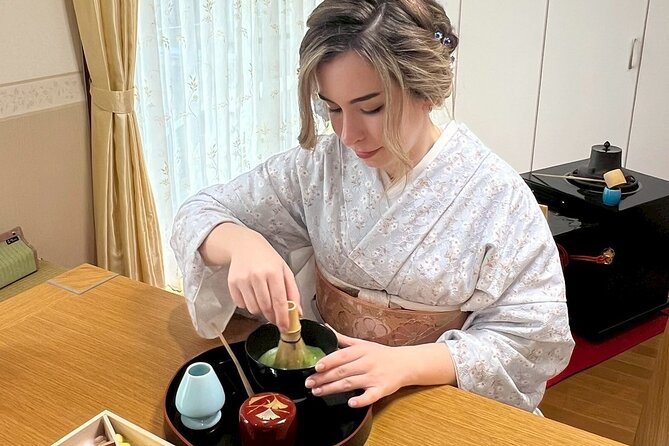
The hands-on portion is the strongest reason to choose this experience over simply having tea in a restaurant. After watching the host, you prepare your own matcha under guidance.
You will likely appreciate the simple progression: first observe, then receive an explanation, then try the process yourself. The host can correct you and answer questions, making the activity approachable for a first visit.
This is not a full apprenticeship. You will not leave ready to host a formal ceremony, and the session does not promise a long study of tea schools or Japanese aesthetics. Still, making the tea gives the ritual a physical meaning. You feel how much care goes into a drink that can look simple in the bowl.
Photos are allowed before and after the ceremony, and during the portion when you make your own matcha, according to the provider’s clarification. Photography is not allowed during the tea performance itself. Put your phone away at the start and enjoy the moment. The restriction protects the calm atmosphere, though it will disappoint anyone booking mainly for social media images.
What is included, and what is not
The $56.49 price includes the tea ceremony, matcha, and Japanese sweets. It also buys a small-group setting and direct instruction from a tea host. For someone who wants a compact cultural activity with participation rather than a passive tasting, that can be reasonable.
The value is less convincing if you compare it with lower-priced ceremonies or expect a longer event. One person felt the session was too expensive for its length and wished for a more engaging setting. Another found the experience authentic but somewhat rushed and not especially fancy.
That criticism is worth taking seriously. Forty-five minutes passes quickly once you include arrival, etiquette, demonstration, tea, sweets, and your own preparation. The short format makes it easy to fit between sightseeing stops, but it limits how much history and technique the host can cover.
You are paying for intimacy and instruction, not for costume rental or elaborate staging. There is no kimono included. If you want to dress in traditional clothing, take abundant photographs, and spend a longer period in a decorated venue, compare this with a different Kyoto tea option.
Timing, comfort, and group size
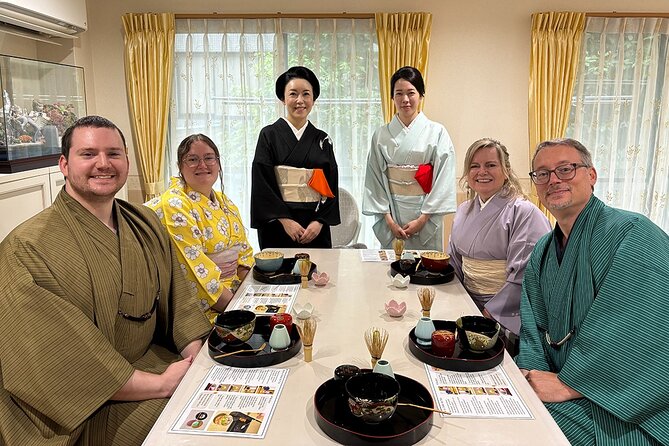
The activity is capped at eight people, which is small enough for the host to see what you are doing and respond to questions. A solo booking can work well, too. The private setting and gentle pace are suited to couples, families with patient children, and small groups looking for a quieter cultural stop.
The room may be cold in November. Traditional rooms are not always heated to the level you expect, and you may be sitting still for much of the ceremony. Wear comfortable layers, especially in cooler weather.
The experience is available with a mobile ticket, and confirmation is provided at booking. It is near public transportation, though the supplied information does not name a particular station or give walking directions. Use the full address and allow enough time to identify the entrance.
Free cancellation is available if you cancel at least 24 hours before the start time. Changes or cancellations inside that 24-hour window are not refundable, so check your Kyoto schedule before committing.
Who will enjoy this most
I would choose this ceremony if you want a calm introduction to Japanese tea practice without spending half a day in a formal course. It is also a good fit if you value conversation, small groups, and the chance to perform the preparation yourself.
It suits:
- Couples seeking a peaceful break from sightseeing
- Solo visitors who want a personal cultural activity
- Families with children who can sit quietly and follow instructions
- First-time visitors who want an accessible introduction to matcha
- Anyone more interested in tradition than dress-up and photographs
I would think twice if you want a grand tea-house setting, a kimono rental, extensive photography, or a long historical lecture. You may also prefer another option if you dislike matcha’s strong flavor or find quiet formal rituals uncomfortable.
The mixed experience with warmth and room temperature also matters. Most of the value comes from the host’s manner, and the hosts have generally been described as kind, patient, and clear. Still, the setting can feel cool or a little spare, particularly if you expected a luxury presentation.
Should you book Omotenashi Tea Ceremony?
Book it if you want a genuine, intimate introduction to Kyoto tea practice and are happy to trade spectacle for quiet attention. The best features are the private tatami room, seasonal sweet, guided preparation, and small group of no more than eight.
Skip it if your main goal is a kimono photo session or an ornate tea-house visit. At $56.49 for about 45 minutes, the price works best when you care about learning the ritual and making your own matcha. Arrive on time, dress in layers during cooler months, and keep your camera away during the formal preparation. That is the clearest path to getting the peaceful experience this activity is designed to provide.
FAQ
How long does the Kyoto tea ceremony last?
The activity lasts approximately 45 minutes.
Where does the ceremony take place?
It takes place at Omotenashi Tea Ceremony, at 450-1 Sanbongichō in Kyoto’s Nakagyo Ward. The listed meeting point is 南総合会計事務所.
Where does the activity end?
The experience ends back at the meeting point.
How many people can join?
The activity has a maximum of eight participants.
Is matcha included?
Yes. Matcha is included, along with traditional Japanese sweets.
Can I prepare my own tea?
Yes. After the tea master demonstrates the process, you have the chance to prepare your own matcha.
Is kimono rental included?
No. Kimono rental is not included in this tea ceremony.
Can I take photos during the ceremony?
Photos are allowed before and after the ceremony, and during the portion when you make your own matcha. Photography is not allowed during the tea performance itself.
What is the cancellation policy?
You can receive a full refund if you cancel at least 24 hours before the scheduled start time. Cancellations or changes made less than 24 hours before the activity are not refunded or accepted.
Newest Kyoto experiences on the site
- Treasures of Kyoto: Gion & historical Walking Tour★ 5.0 · 6 reviews
- Whisk Your Own Matcha: A Zen Matcha Experience at Temple★ 3.6 · 7 reviews
- Kyoto tea town for matcha lovers★ 5.0 · 16 reviews
- Uji: Private immersion into Kyoto’s tea and reglious culture★ 5.0 · 17 reviews
- Kyoto Matcha Green Tea Tour★ 4.5 · 23 reviews
- Uji and Wazuka Matcha Farm Half Day Private Guided Tour★ 5.0 · 21 reviews
- Utilising upcycled Matcha! Creating matcha incense (Uji, Kyoto)★ 5.0 · 6 reviews
- Sacred Temple Yoga Experience in Japan★ 5.0 · 3 reviews
Kyoto Tea Ceremonies, compared.
Tea Ceremony in a Traditional Tea House in Kiyomizu
Read our review →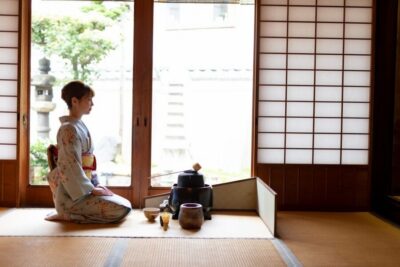
Tea Ceremony in 100-year-old Kyo-Machiya Townhouse
Read our review →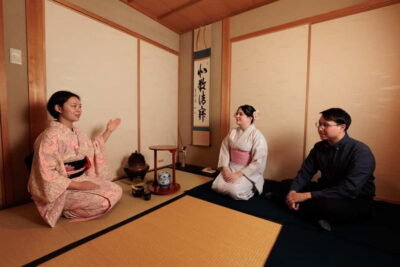
Browse the lists this tour appears in