
Reviewed · NARA DAY TRIPS
Kyoto Private Tour Full Day with Local Guide&Nara Option(PerGroup
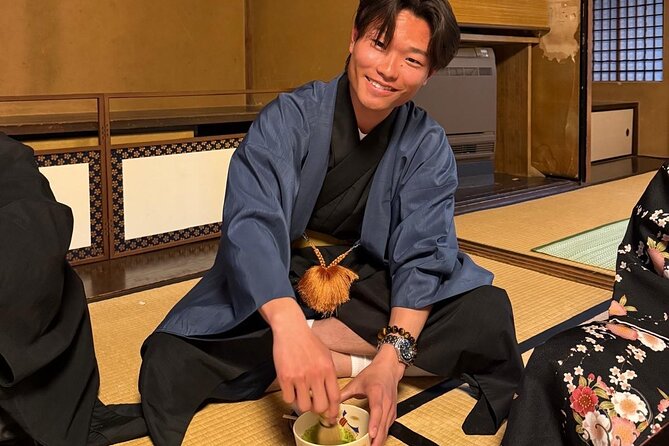
Kyoto’s best-known sights are scattered across the city, and this private car tour gives you a practical way to connect them in one day. Guide Riku leads the usual Kyoto route, while the Nara option swaps in Todaiji and Nara Park for a broader day out.
I like the door-to-door transport and the freedom to shape the pace around your group. I also like the local feel: the guides do more than point at famous buildings, helping with quieter paths, food suggestions, and family or mobility needs. The tradeoff is time. Four major Kyoto stops in eight hours means a full day with little room for long meals or slow temple visits.
Key points at a glance
- Private for up to four people: The $480 price is per group, not per person, making the cost easier to justify with three or four guests.
- Four major Kyoto sights: Kinkakuji, Arashiyama, Gion, and Fushimi Inari give you temples, gardens, old streets, a bamboo grove, and shrine gates in one day.
- A useful Nara alternative: The Kyoto and Nara version generally includes Fushimi Inari, Todaiji Temple, Nara Park, and Arashiyama.
- Air-conditioned transport included: Hotel pickup, drop-off, parking, fuel, and expressway fees are covered.
- Flexible guiding: Riku is named as the main guide, and the experience is designed for private groups rather than a fixed public crowd.
- Extra entrance fees apply: Kinkakuji admission is listed at $5 per person. Tenryuji may cost extra as well, with the supplied details showing inconsistent pricing, so confirm before booking.
Why a private car helps in Kyoto
Kyoto rewards careful planning, but its famous sights sit far apart. You can spend a surprising amount of your day checking train connections, waiting for buses, walking from stations, and trying to find the right entrance. A private vehicle removes much of that friction.
The value is strongest for a family, a small group of friends, or anyone who finds long walks and hills tiring. One account describes the guide helping a person with mobility issues, while another family included children aged six and nine. Those details matter because Kyoto’s major sites are not flat, compact museum stops. Fushimi Inari climbs a mountain, Arashiyama involves plenty of walking, and temple grounds can be broad.
You pay $480 for up to four people. At the maximum group size, that works out to $120 each before admissions and lunch. For two people, the per-person cost is much higher, but you are paying for a dedicated vehicle, pickup, a full eight hours, and a guide focused only on your party. Compare that with the cost of several taxis, plus the time and planning needed to arrange the same route yourself.
The private format also lets you make requests. The guide can adjust the order, suggest stops, and avoid rushing you as much as a large group tour would. Still, private does not mean slow. The published route covers a lot of ground, so tell Riku early if you want more time at one temple and less time at another.
More day trips down to Nara:
- Osaka/Kyoto:Kinkakuji,Arashiyama,FushimiInariShrine,NaraPark
★ 4.1 · 1,596 reviews - Kyoto/Osaka: Nara, Fushimi Inari Taisha, Arashiyama Bus Tour
★ 4.7 · 1,275 reviews - Osaka/Kyoto: Arashiyama, Nara & Fushimi Inari Shrine w/Lunch
★ 4.4 · 754 reviews
Kinkakuji, Kyoto’s golden opening scene
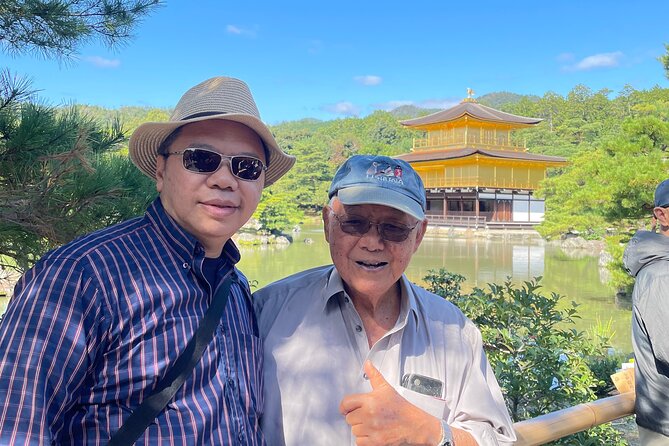
Kinkakuji, also called the Golden Pavilion, is one of Kyoto’s most recognizable sights. The top two floors are covered in gold leaf, and the building reflects in the pond beside it. The effect is striking, but the visit is more about seeing and photographing the pavilion than wandering through the building itself.
The scheduled stop is about one hour. That is a sensible amount of time for the main view and the surrounding grounds, though you may want longer if you like gardens or have a crowded day. Admission is not included and is listed at $5 per person, paid directly on site.
This is one place where timing can affect your experience. The pavilion is famous for good reason, so it can feel busy, especially when many people arrive for the same pond view. A private guide helps you get oriented quickly, but cannot make the site private. Keep your expectations realistic: you are visiting a major attraction, not a quiet backstreet temple.
Arashiyama and the bamboo grove
Arashiyama fills about two hours on the usual route. This western Kyoto district has long been valued for its natural setting, and today it is best known for the Bamboo Grove, temple grounds, and paths along the area’s wooded hills.
The bamboo is the headline sight. Tall stalks create a narrow green corridor that feels unlike the rest of the city. It is also one of Kyoto’s most photographed places, so the mood depends heavily on how busy the path is. Your guide can help you find the right route and point out nearby places, but the tour information does not promise an empty grove.
Tenryuji may be part of the Arashiyama visit, and its admission is extra. The supplied price details are not fully consistent: one line lists Tenryuji at around $10, while another says $5. Confirm the current amount with the provider before setting your budget.
Two hours gives you enough time to see the bamboo area and get a taste of Arashiyama, but not enough for every corner. If you want a slow temple visit, a long meal, or extensive time by the river, you will need to say so. The strength of this tour is its range, not unlimited time at every stop.
Gion, where old Kyoto feels most visible
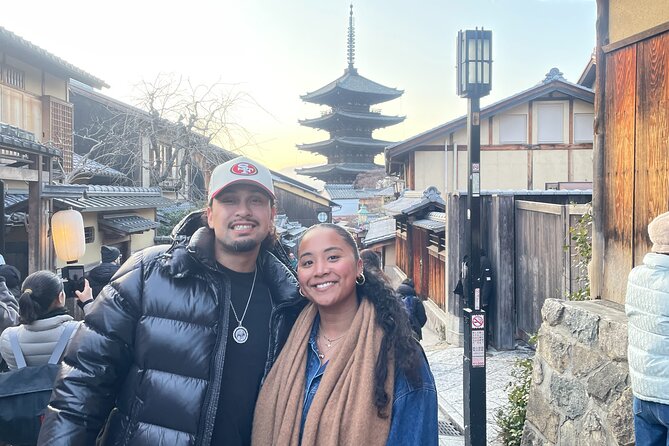
Gion is Kyoto’s best-known historic district and the traditional center of geisha and maiko culture. The planned stop lasts about one hour, giving you time to walk through its old streets and see the wooden architecture that makes this area feel distinct from modern Kyoto.
Gion is best approached with respect. It is not a stage set, and people who work there deserve privacy. Your guide can give useful context about the district and help you understand what you are seeing without turning the visit into a quick photo hunt.
The stop is not listed as including a specific performance or reserved cultural activity. Think of it as a guided walk through a historic neighborhood. Admission is not listed for Gion, though you should budget separately for any food, shopping, or optional activity you choose during the day.
For many people, Gion is where the tour slows down after the temples and shrine. For others, one hour may feel brief. If old streets and traditional culture matter most to you, ask whether the schedule can give Gion more time.
A few more Kyoto tours worth putting on the shortlist
- 5 Top Highlights of Kyoto Full Day Bike Tour (E-bike option)
★ 5.0 · 511 reviews - Full Day Biking Tour Exploring the Best of Kyoto
★ 5.0 · 498 reviews - Full Day Guided Tour to Kyoto and Nara from Osaka by Van
★ 5.0 · 420 reviews - Nara Park, Osaka & Kobe from Kyoto Full Day tour
★ 5.0 · 207 reviews
Fushimi Inari and its thousand torii
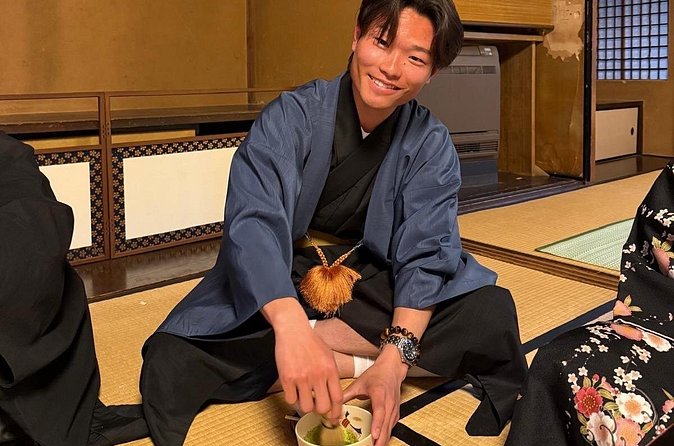
Fushimi Inari Taisha receives about two hours, making it one of the longer stops. The shrine is famous for its long run of orange torii gates, which climb toward the top of a mountain. The repeated gates create one of Kyoto’s strongest visual experiences.
Two hours is enough to see the lower shrine area and walk into the gate-covered route. It is not enough for every visitor to reach the mountain summit at a relaxed pace. The path rises, so you should be ready for a more physical stop than Kinkakuji or Gion.
This is also where a guide can make the day easier. You do not have to work out the route alone, and your group can decide how far to walk. If someone in your party has limited mobility, discuss the plan before setting out. The experience has been described as helpful for different mobility needs, but the shrine’s uphill sections remain a real consideration.
Fushimi Inari is included in the listed Kyoto and Nara routes. In the Nara version, it is paired with Todaiji, Nara Park, and Arashiyama rather than the full Kinkakuji and Gion plan.
The Nara option: Todaiji, Nara Park, and Kyoto in one day
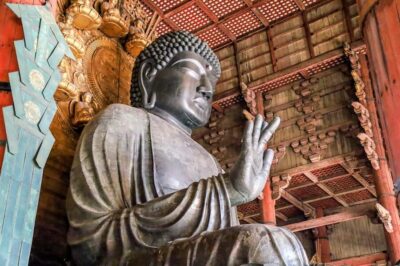
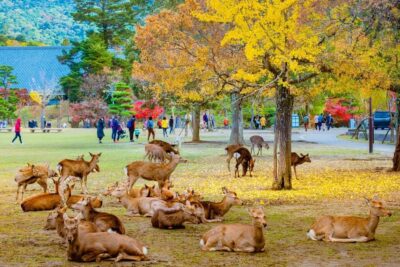
The Kyoto and Nara version usually visits Fushimi Inari, Todaiji Temple, Nara Park, and the Arashiyama Bamboo Grove. This is a different kind of day from the standard Kyoto route. You see less of central Kyoto, but you add one of Japan’s major temple areas and the open park around it.
Todaiji is the central cultural stop in Nara. Nara Park gives the day more outdoor space, while Fushimi Inari and Arashiyama provide the classic Kyoto images. One family with young children used this combination and ended the day at Gion, but the stated Nara itinerary does not guarantee Gion. Confirm your exact route before you book.
The Nara option is appealing if you have only one full day for both cities or if Todaiji is a priority. The drawback is distance and pace. You are linking Kyoto and Nara in roughly eight hours, so the day can feel packed. If you want a slow, detailed visit to either city, separate days would give you more breathing room.
The guide makes the difference
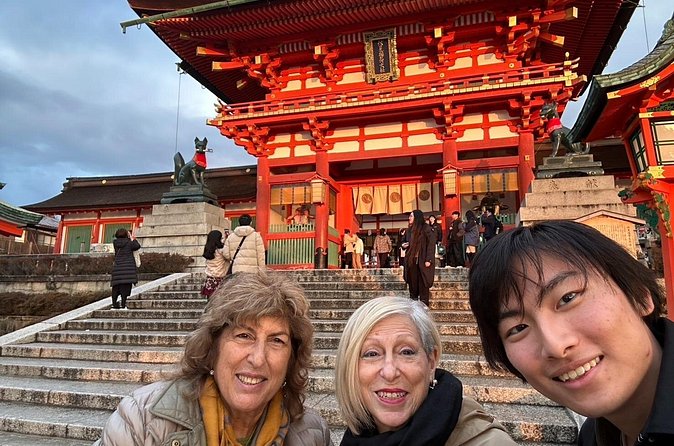
Riku is identified as the guide for this experience, and the strongest part of the service is its personal approach. The guiding style described in the supplied material includes clear explanations, practical suggestions, and help finding paths with fewer lines. That can change the feel of a busy sightseeing day.
The guide also appears willing to respond to the group. Requests have included food suggestions, family needs, and mobility concerns. A sushi restaurant recommendation was part of one successful day, but lunch itself is not included, so any meal is your responsibility.
One account names Tatsuya rather than Riku. Since the provider information identifies Riku, ask who will lead your date if having a particular guide matters to you. The important point is that the service is built around a named local guide rather than an impersonal audio system or a large coach group.
English is offered, and the available accounts describe the guide’s English as strong. Still, the amount of explanation you receive may depend on the pace, your questions, and the particular guide assigned.
Timing, comfort, and what is not included
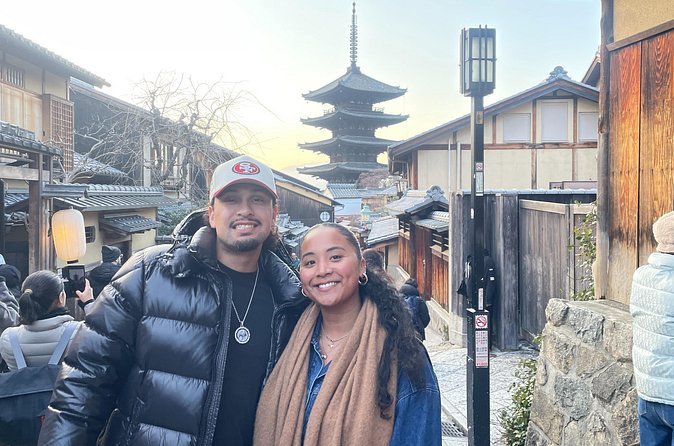
The experience lasts about eight hours and includes hotel pickup and drop-off. Transportation is by air-conditioned vehicle, with parking, gasoline, and expressway fees covered. That makes the price easier to understand, since some private tours add road costs later.
Lunch is not included. The tour moves through several districts, so plan to discuss when and where to eat rather than assuming a restaurant stop is built into the schedule. The guide may offer suggestions, but your meal remains separate.
Admission costs are also separate. Kinkakuji is listed at $5 per person. Tenryuji has conflicting amounts in the supplied information, so verify the fee. Other listed stops do not show a separate admission charge in the tour details, but the exact route can vary.
The tour is marked suitable for most people, and service animals are allowed. It is also near public transportation, though the main benefit is the included private pickup. Confirmation is provided at booking, and the tour can be canceled for a full refund up to 24 hours before the start time. Changes or cancellations inside that window are not refunded.
Who gets the best value
I would look closely at this tour if you are traveling as three or four people and want to see several headline sights without managing Kyoto’s transport system. Families benefit from the private setting, especially when children need breaks or the group wants to adjust the pace.
It also suits a first visit when you want an overview of Kyoto in one day. The route covers four very different settings: a gold-covered temple, a bamboo district, a traditional neighborhood, and a mountain shrine. You finish with a clear sense of the city’s main visual and cultural themes.
People with mobility concerns may also find the private format useful because the guide can respond to the group. But private transport does not remove walking, slopes, or uneven temple paths. Fushimi Inari and Arashiyama require particular care when planning the day.
I would be more cautious if you prefer slow travel, long meals, or extended time at one site. The route is ambitious. You gain range, but you give up the freedom to linger everywhere.
Should you book this Kyoto tour?
Book it if the $480 group price works for your party and you value convenience, a dedicated English-speaking guide, and a full day of major sights. The strongest reasons are the private vehicle, hotel pickup, flexible attention, and the chance to combine Kyoto with Nara if that is your priority.
Before paying, confirm three things: your departure city, the exact route, and the guide assigned to your date. Also check the current Tenryuji admission fee and tell the guide about mobility needs, children, or any stop you especially want to protect.
Skip it if you want a quiet, unhurried temple day or if your group is small enough that the per-person price feels too high. For everyone else, this is a practical way to cover a lot of Kyoto without spending the day lost between stations and bus stops.
FAQ
How long does the private Kyoto tour last?
The tour lasts approximately eight hours.
How many people can join the tour?
The price covers one private group of up to four people.
What sights are included on the usual Kyoto route?
The Kyoto departure route usually visits Kinkakuji Temple, Arashiyama, Gion, and Fushimi Inari Taisha Shrine.
What is included in the tour price?
English-speaking guiding, transportation in an air-conditioned vehicle, hotel pickup and drop-off, parking, gasoline, and expressway fees are included.
Is lunch included?
No. Lunch is not included in the tour price.
Are attraction admission fees included?
Kinkakuji admission is not included and is listed at $5 per person, paid directly on site. Tenryuji admission is also separate if included in your route. The supplied details show different Tenryuji prices, so confirm the current fee.
What does the Kyoto and Nara option include?
The usual Kyoto and Nara route includes Fushimi Inari Taisha, Todaiji Temple, Nara Park, and Arashiyama Bamboo Grove.
Can I cancel for a full refund?
Yes. You can cancel at least 24 hours before the experience start time for a full refund. Cancellations or changes made less than 24 hours before the start time are not refunded or accepted.
Newest Kyoto experiences on the site
- Treasures of Kyoto: Gion & historical Walking Tour★ 5.0 · 6 reviews
- Whisk Your Own Matcha: A Zen Matcha Experience at Temple★ 3.6 · 7 reviews
- Kyoto tea town for matcha lovers★ 5.0 · 16 reviews
- Uji: Private immersion into Kyoto’s tea and reglious culture★ 5.0 · 17 reviews
- Kyoto Matcha Green Tea Tour★ 4.5 · 23 reviews
- Uji and Wazuka Matcha Farm Half Day Private Guided Tour★ 5.0 · 21 reviews
- Utilising upcycled Matcha! Creating matcha incense (Uji, Kyoto)★ 5.0 · 6 reviews
- Sacred Temple Yoga Experience in Japan★ 5.0 · 3 reviews
Nara Day Trips, compared.
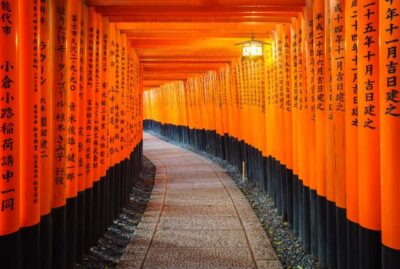
Kinkakuji,Arashiyama,FushimiInariShrine,NaraPark
Read our review →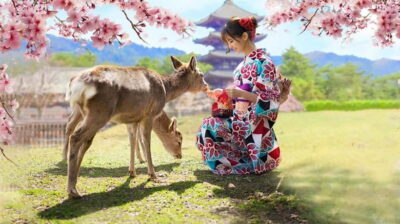
Nara, Fushimi Inari Taisha, Arashiyama Bus Tour
Read our review →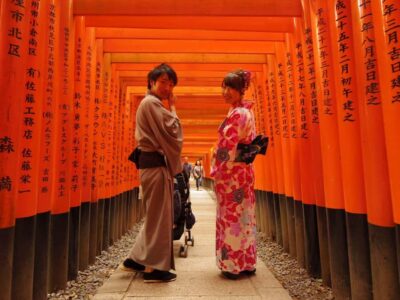
Arashiyama, Nara & Fushimi Inari Shrine w/Lunch
Read our review →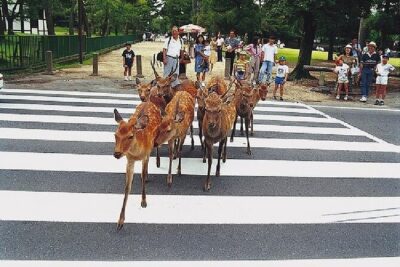
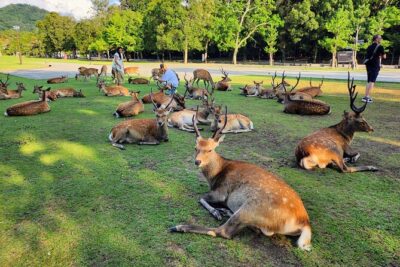
Full Day Guided Tour to Kyoto and Nara from Osaka by Van
Read our review →
Browse the lists this tour appears in