
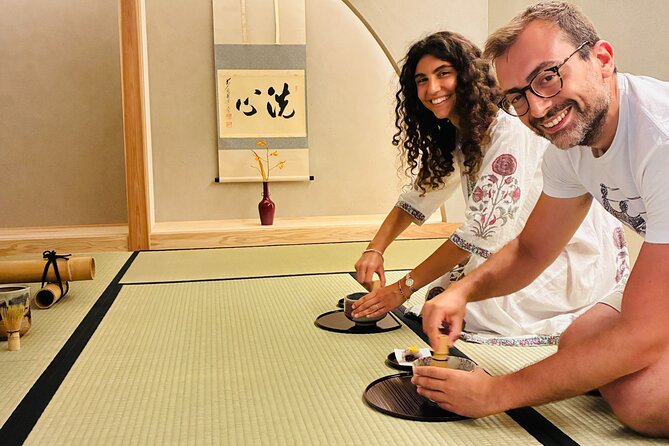
Reviewed · KYOTO TEA CEREMONIES
Kyoto Newly Opened Tea Ceremony – Sanjo Chasuian
Kyoto’s tea ceremony is not just a quiet cup of matcha. At Sanjo Chasuian, you watch the host prepare one bowl, then whisk a second bowl yourself, following the same careful movements. Seasonal Japanese sweets from a Kyoto shop with more than a century of history round out the hour.
I like the balance of explanation and hands-on practice. You learn why the utensils and gestures matter, not just where to sit and when to drink. I also like the small group size, capped at 10, which gives you room to ask questions without turning the ceremony into a stage show. The main drawback is strict timing: arrive at least five minutes early, because the door is locked once the session begins, and even a one-minute delay means no entry or refund.
Key points at a glance
- Two bowls of matcha: One is prepared by the host, and you make the second yourself or with a companion.
- A real nijiriguchi: The tea room includes the low crawl-in entrance traditionally used to leave the outside world behind.
- Seasonal Kyoto sweets: Traditional confectionery from a Kyoto sweet shop with more than 100 years of history is included.
- Small and personal: The group limit is 10, making it easier to follow the demonstration and ask questions.
- One focused hour: The session fits neatly into a Kyoto sightseeing day without taking half a morning or afternoon.
- Strict arrival rule: Entry is allowed from five minutes before the start, but late arrivals cannot join.
What makes this Kyoto tea ceremony worth your hour
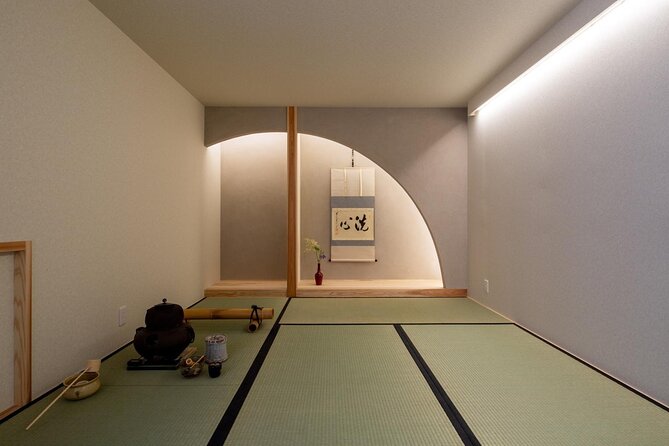
This experience works because it gives you context, then asks you to take part. A ceremony can feel distant if you only watch an expert move a whisk across a bowl. Here, you see the polished version first, then try the process yourself while the instructions are fresh.
The host explains the history, customs, and meaning behind the movements in accessible English. Yuko is named as one of the tea hosts, and her sessions are described as patient, friendly, and clear. Some English accents may require a little extra attention, but the format includes time for questions, so you are not left guessing about what just happened.
The setting is intentionally calm. This is not a loud demonstration with a stream of people coming through the room. The ceremony takes place in a quiet tea room, where the gestures, utensils, and sound of whisking have room to register.
That calm has practical value. Kyoto sightseeing can become a series of temples, train platforms, and crowded streets. This hour gives you a pause with a purpose. You are not simply sitting still. You are learning a cultural practice and then testing your own hands at it.
More tea ceremonies in Kyoto:
- Kyoto: Tea Ceremony in a Traditional Tea House in Kiyomizu
★ 4.9 · 3,519 reviews - Kyoto: Tea Ceremony Ju-An at Jotokuji Temple
★ 4.9 · 3,207 reviews - Kyoto: 45-Minute Tea Ceremony Lesson Experience
★ 4.3 · 2,378 reviews
Entering through the nijiriguchi
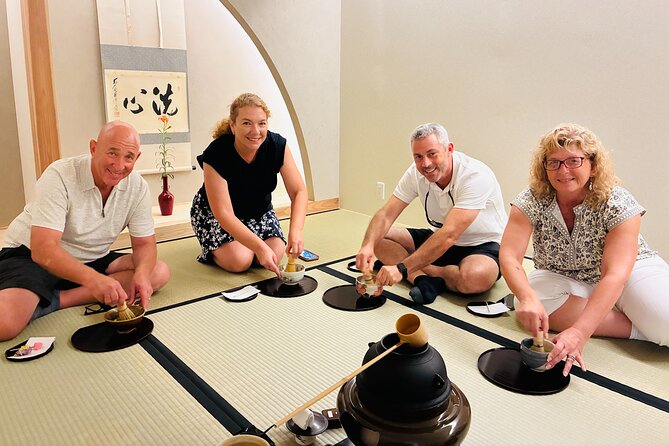
One of the most distinctive details is the tea room’s nijiriguchi, a low entrance that requires you to crawl or bend down to enter. It is a physical break from ordinary movement and part of the room’s design, inviting you to leave the outside world behind before the ceremony starts.
This feature gives the setting more character than a standard classroom. You do not simply sit at a table and receive a matcha lesson. The entrance helps mark a change in mood, from a busy Kyoto street to a quiet room where small gestures matter.
Chairs are available, which is useful if sitting on the floor is uncomfortable. Still, the ceremony includes floor sitting, and one person specifically found there was a lot of it. You can sit in the way that is most comfortable for you, but this is worth considering if you have knee, hip, or ankle problems.
Socks are requested, so wear them or bring a pair. That is an easy detail to miss when planning a summer day in Kyoto, especially if you are wearing sandals.
Watching the host prepare the first bowl
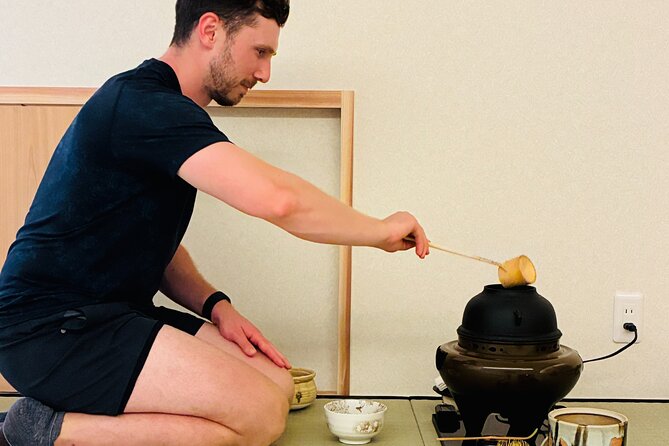
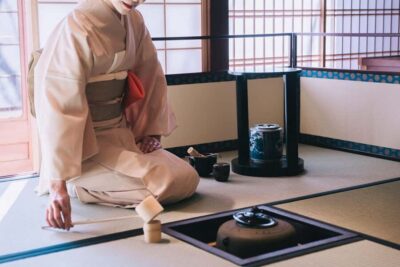
The session begins with an explanation of the tea ceremony and its place in Japanese culture. The host then demonstrates the preparation, including the use of the tea bowl and bamboo whisk.
Watch the small details. The point is not speed. The movements are measured, and each item has a place. The host explains the reasons behind the sequence, which helps you see the ceremony as a way of showing care and attention rather than as a collection of mysterious rules.
Your first bowl is prepared by the host. This lets you focus on the taste, the appearance, and the rhythm of the ceremony without also worrying about technique. If matcha is new to you, this is a good introduction because you can see the proper texture before trying to create it yourself.
The tea comes from Kyoto, and two servings are included. The first bowl is the professional example. The second is your chance to work with the whisk.
Making your own matcha
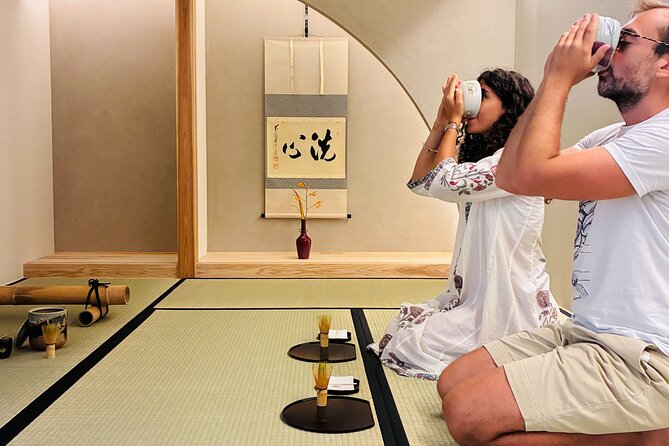
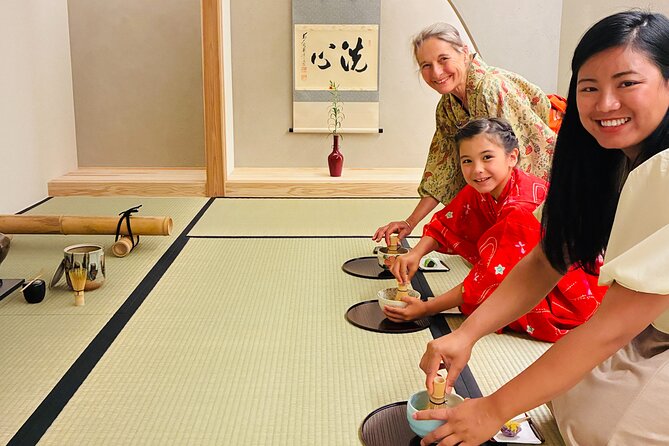
The hands-on portion is the heart of the experience. You choose a tea bowl and whisk your own matcha, either alone or with a companion. The host guides you through the movement, so you do not need prior experience.
This is a simple activity, but it changes how you understand the ceremony. After watching an expert create a smooth bowl, you become aware of the pace, wrist movement, and care required to get a good result. Your own bowl may not look identical to the host’s, and that is part of the fun.
I especially like that each person gets the chance to make matcha. Some tea ceremonies serve only the bowl prepared by the host. Here, the second serving makes the experience more active and gives you a practical skill you can try at home.
The host also answers questions during the process. Ask about the tools, the gestures, or the place of matcha in daily life. The teaching is not limited to a memorized performance. The most highly praised feature is the clear explanation of both the how and the why.
A few more Kyoto tours worth putting on the shortlist
- PERFECT KYOTO 1-Day Bus Tour
★ 5.0 · 13,518 reviews - Kyoto: Fushimi Inari, Kinkakuji, Bamboo Grove 1 Day Bus Tour
★ 4.8 · 4,316 reviews - Kyoto Geisha Walking Tour: Gion District & Hidden Gems
★ 4.7 · 3,273 reviews - Kyoto: Gion Magical Night Walking Tour with Geisha Trivia
★ 4.9 · 2,393 reviews
Seasonal sweets from an old Kyoto shop
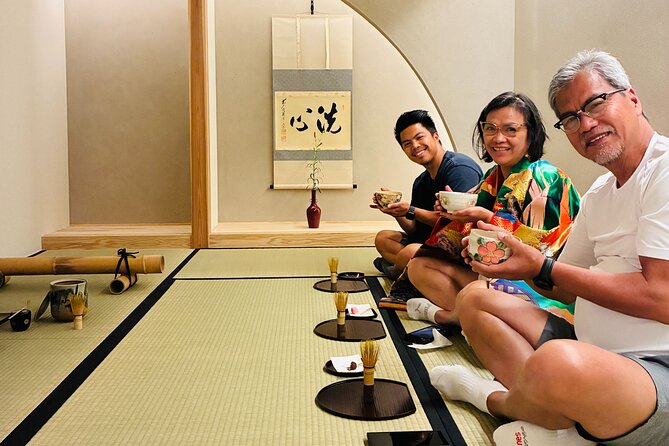
Japanese sweets are included, and they are more than a small snack on the side. The traditional seasonal confectionery comes from a Kyoto sweet shop with more than 100 years of history.
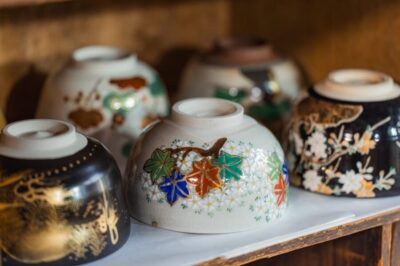
The sweets are designed to suit the tea, and part of their appeal is visual. They may be so carefully made that you hesitate before eating them. That is useful in a tea ceremony setting, where appearance, season, and presentation all carry meaning.
You receive the sweets as part of the experience, so you do not need to budget separately for them. They also make the strong taste of matcha easier to appreciate. If this is your first time drinking matcha, the sweet provides a helpful contrast.
The exact confectionery changes with the season, so do not expect one fixed menu. That changing element is a benefit if you enjoy Japanese food traditions, though anyone with strict dietary needs should confirm details before booking because no allergy or dietary information is provided.
A small group capped at 10 people
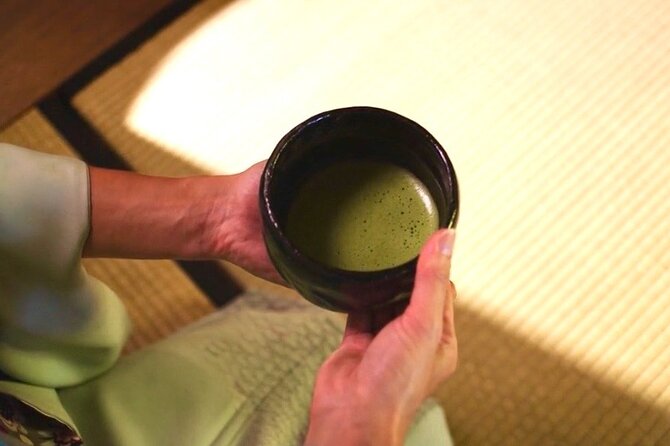
The maximum group size is 10. That is small enough for the host to demonstrate at close range and guide the hands-on portion without rushing everyone through.
A group of this size also gives the room a quieter feel. You can pay attention to the bowl and whisk instead of competing with a large crowd for a view. Families and small groups of adults have found the format easy to follow, and teenagers can take part as long as they are comfortable with the quiet setting and floor sitting.
The session is educational without being stiff. The host explains the history and customs, but the tone can remain light and welcoming. That matters if you are curious about Japanese culture but worry that a formal ceremony might feel intimidating.
The experience is also suitable for a first tea ceremony. You do not need to know the etiquette in advance. The host leads you through the process, and the demonstration comes before your turn.
Timing, location, and the strict late-arrival rule
The activity lasts about one hour and begins at Tea Ceremony & Sake Tasting Kyoto, Sanjo Chasuian, at 324-2 Sanjōchō, Nakagyo Ward, Kyoto, 604-8205. It ends at the same location.
The venue is near public transportation, but no hotel transfer or private transportation is included. Plan your route before the day of the ceremony. One useful map tip is to stay on the main street if Google Maps sends you toward a smaller street at the corner. Look for the green matcha ice cream cone outside.
The arrival rule deserves serious attention. Entry is allowed from five minutes before the start time. Once the session begins, the door is locked. Arriving even one minute late means you cannot join, and no refund is given.
I would schedule this before a nearby activity rather than between two tightly timed reservations. Kyoto traffic, finding the right entrance, and walking from a station can all take longer than expected. Arrive early, locate the green sign or cone, and wait nearby if necessary.
What the $32.77 price includes
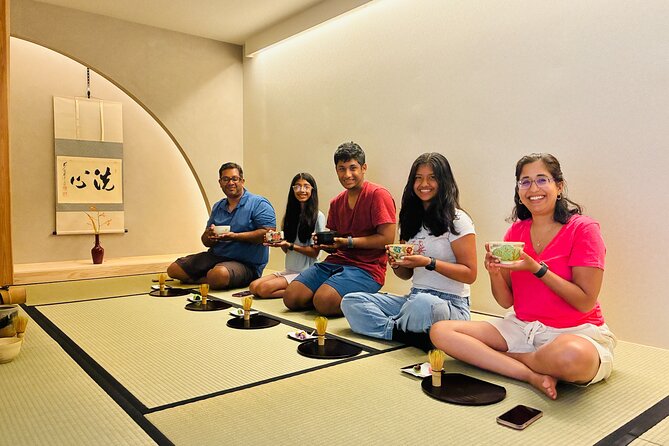
At $32.77 per person, the price is reasonable for a one-hour cultural activity with two matcha servings and traditional sweets. You are paying for instruction, a prepared bowl, a hands-on bowl, the tea room setting, and a guided explanation of the ceremony.
The value is strongest if you want participation rather than a photo opportunity. You could buy matcha elsewhere for less, but that would not include the explanation of the utensils, the formal movements, the nijiriguchi, or the chance to make your own bowl under guidance.
It is also a compact choice for a busy Kyoto schedule. A full cultural workshop can take several hours and may require more planning. This session gives you a clear introduction without taking an entire day away from temples, markets, or museums.
There are limits. Transportation to the venue is not included, and any extra sake tasting is not part of the stated inclusions. Matcha, tea bowls, and selected items are available for purchase, so allow for optional spending if you want a souvenir.
Who will enjoy Sanjo Chasuian most
I would recommend this for first-time matcha drinkers, families, couples, and solo visitors who want a clear introduction to tea ceremony etiquette. The English explanations and hands-on format make it approachable, while the quiet room and traditional entrance give it a sense of place.
It is also a good choice if you want an activity that feels restful. The hour is calm and focused, with enough instruction to be meaningful but not so much that it becomes a lecture.
You may want to choose another activity if you need a fully private ceremony, dislike floor sitting, or cannot arrive early. The group is small, but it is not described as private. The ceremony also depends on quiet attention, so it may not suit someone looking for a lively, casual tasting.
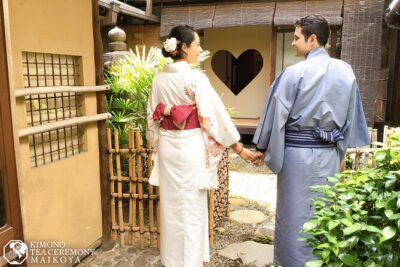
For clothing, socks are the key requirement. Chairs are available, but you should still expect some time on the floor. If you hope to dress up, an uchikake may be available as an option. It is a formal ceremonial coat and was described as more striking than an ordinary kimono, but it is not part of the basic inclusions and should not be assumed for every booking.
A thoughtful introduction, not just a photo stop
The best part of this experience is the progression. You enter through a traditional feature, learn the meaning of the ceremony, watch the host prepare matcha, taste the first bowl, then make the second one yourself with a sweet from a long-established Kyoto shop.
That sequence gives you something to remember beyond a photograph. You leave with a better sense of why tea ceremony values patience, presentation, and attention to another person. You also have enough practical instruction to try whisking matcha at home.
The hour is short, but it does not feel empty. The host’s explanations, the two bowls, the sweets, and the hands-on practice make good use of the time. Just keep your expectations realistic: this is an introduction to tea ceremony, not an advanced study of every school, utensil, or formal rule.
Should you book this tea ceremony?
Book it if you want a well-paced first experience with clear English explanations, two bowls of matcha, seasonal sweets, and a chance to take part. The small group and quiet room make it more personal than a large demonstration, while the one-hour length fits easily into a Kyoto day.
Skip it if you need private transportation, cannot sit on the floor at all, or may struggle to arrive before the start time. For everyone else, $32.77 is a fair price for a hands-on cultural lesson, especially because your own bowl of matcha is included rather than saved for an extra fee.
FAQ
Where does the tea ceremony take place?
It takes place at Tea Ceremony & Sake Tasting Kyoto, Sanjo Chasuian, at 324-2 Sanjōchō, Nakagyo Ward, Kyoto, 604-8205, Japan.
How long does the experience last?
The tea ceremony lasts approximately one hour and ends back at the meeting point.
How many people can join?
The activity has a maximum of 10 travelers.
How much matcha is included?
You receive two cups of matcha from Kyoto. The host prepares one, and you make the second yourself or with a companion.
Are Japanese sweets included?
Yes. Traditional seasonal Japanese confectionery from a Kyoto sweet shop with more than 100 years of history is included.
Do I need previous tea ceremony experience?
No previous experience is stated as a requirement. The host explains the process step by step and guides you through making your own matcha.
Are chairs available?
Yes. Chairs are available, although the experience also includes sitting on the floor.
Do I need to wear socks?
You should bring or wear socks during the experience.
What happens if I arrive late?
Entry is allowed from five minutes before the start time. Once the session begins, the door is locked. If you arrive even one minute late, you cannot join and you will not receive a refund. Free cancellation is available up to 24 hours before the start time.
Newest Kyoto experiences on the site
- Treasures of Kyoto: Gion & historical Walking Tour★ 5.0 · 6 reviews
- Whisk Your Own Matcha: A Zen Matcha Experience at Temple★ 3.6 · 7 reviews
- Kyoto tea town for matcha lovers★ 5.0 · 16 reviews
- Uji: Private immersion into Kyoto’s tea and reglious culture★ 5.0 · 17 reviews
- Kyoto Matcha Green Tea Tour★ 4.5 · 23 reviews
- Uji and Wazuka Matcha Farm Half Day Private Guided Tour★ 5.0 · 21 reviews
- Utilising upcycled Matcha! Creating matcha incense (Uji, Kyoto)★ 5.0 · 6 reviews
- Sacred Temple Yoga Experience in Japan★ 5.0 · 3 reviews
Kyoto Tea Ceremonies, compared.
Tea Ceremony in a Traditional Tea House in Kiyomizu
Read our review →
Tea Ceremony in 100-year-old Kyo-Machiya Townhouse
Read our review →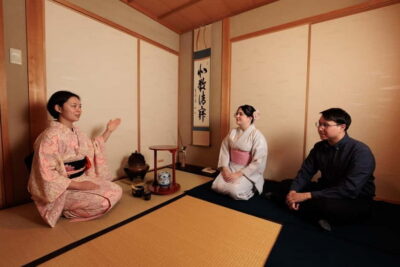
Browse the lists this tour appears in