
Reviewed · KYOTO TEA CEREMONIES
Kyoto: Mindful Tea Ceremony in 100-Year-Old Teahouse
Kyoto’s Oboro tea ceremony is less about performing perfect etiquette and more about learning to notice. In a 100-year-old teahouse, candlelight, garden views, simmering water, fresh matcha, and quiet movements give you a welcome break from the city.
I like the small group of up to eight, which keeps the room calm and leaves space for questions. I also like the gentle teaching style: hosts such as Taku and Naoki explain the meaning behind each action without turning the ceremony into a strict exam. The main drawback is its quiet pace and floor-based traditional setting, which may not suit children under six, wheelchair users, or people with back problems.
Key points at a glance
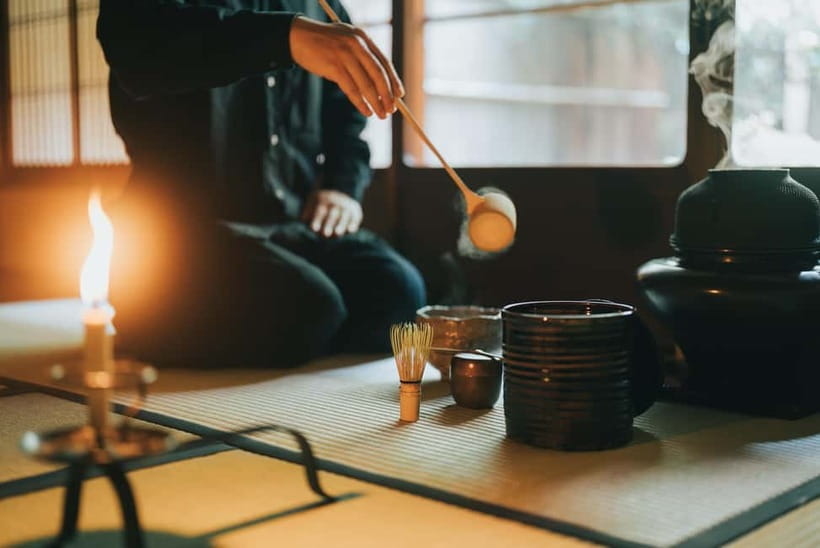
- Candlelit setting: Soft light and minimal decoration help you focus on the tea, utensils, garden, and sound of water.
- Three-part experience: You move from a welcome drink and sweets to the main ceremony, then finish with a small handmade candle.
- English guidance: The hosts explain matcha preparation, etiquette, history, and the purpose of each movement.
- Newcomer-friendly tradition: You can observe quietly or ask questions, with no pressure to know Japanese tea customs in advance.
- Seasonal detail: In summer, the ceremony uses chilled water and ice instead of only hot preparation.
- Short but meaningful: The 45-minute format fits neatly into a Kyoto sightseeing day, though it leaves little room for lingering.
Entering Oboro’s candlelit teahouse
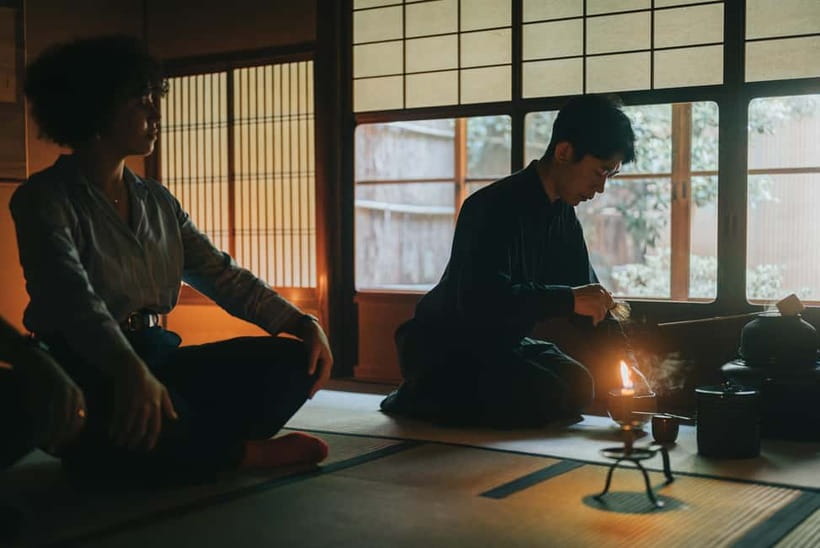
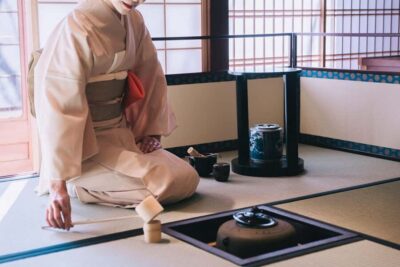
The first thing that changes is the light. Oboro replaces harsh overhead lighting with candles, creating a softer room where small details become easier to notice. A garden seen through the tea room window adds another quiet point of focus.
You’ll remove your shoes, so wear socks without holes and arrive about 10 minutes early. A host greets you, stores your belongings if needed, and explains the basic flow before the ceremony begins. That early arrival matters here. Coming in at the last second would work against the calm mood, and anyone more than 10 minutes late cannot enter the session.
The building itself is part of the experience. You are not simply sitting in a modern room while someone prepares matcha. The traditional Japanese house, described as roughly 100 years old, gives the ceremony a physical setting that helps explain why space, silence, and careful movement matter.
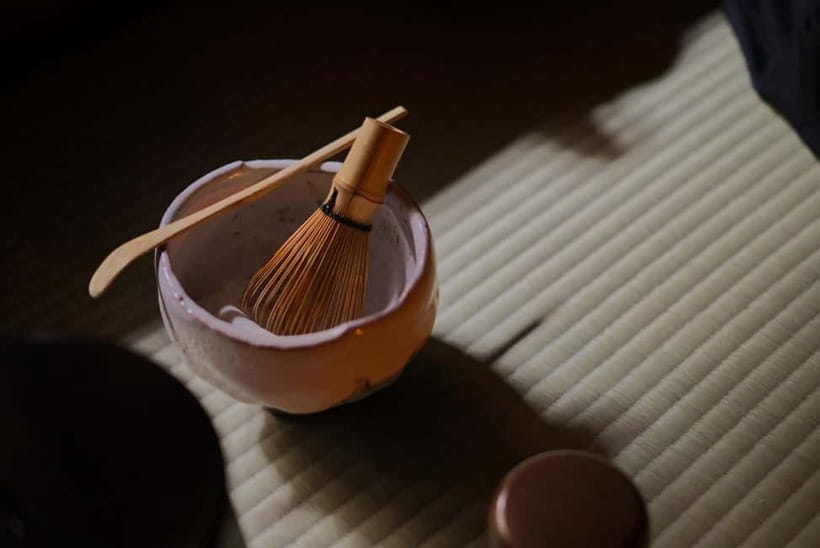
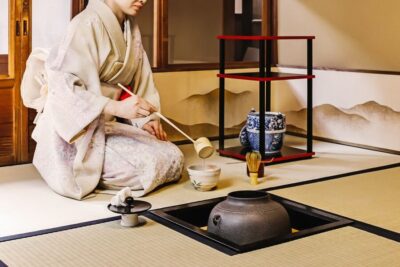
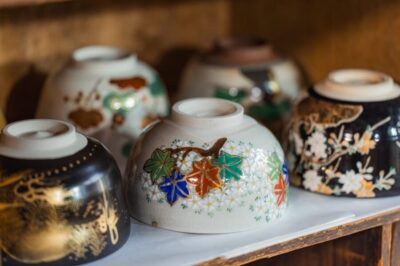
The room is modest rather than showy. That is a strength for this kind of activity. You are not surrounded by a long checklist of attractions. You have a bowl, a whisk, a few utensils, seasonal sweets, candlelight, and the view outside. The limited decoration keeps your attention on what is happening in front of you.
More tea ceremonies in Kyoto:
- Kyoto: Tea Ceremony in a Traditional Tea House in Kiyomizu
★ 4.9 · 3,519 reviews - Kyoto: Tea Ceremony Ju-An at Jotokuji Temple
★ 4.9 · 3,207 reviews - Kyoto: 45-Minute Tea Ceremony Lesson Experience
★ 4.3 · 2,378 reviews
A gentle start with tea and seasonal sweets
The opening welcome tea gives you time to settle before the formal preparation begins. You sit in comfortable seats and receive a drink with a sweet pairing. This first taste is not just a snack. It gives the host a natural way to introduce Japanese tea, explain flavors, and help you shift from sightseeing mode to a slower rhythm.
The food pairing can be more unusual than a standard Western dessert. One participant particularly enjoyed the welcome green tea and the interesting snack, while another found the tea ceremony blend so smooth that it changed their opinion of matcha. If you normally find matcha too bitter or grassy, this is useful context. The preparation, quality, temperature, and sweet pairing all affect how the tea tastes.
Do not expect a meal. The price covers tea and seasonal sweets, but not lunch or dinner. At $45 per person, the value comes from the instruction, the historic setting, the small group, and the time set aside for the ceremony. If you want a filling food experience, this is not it. If you want a focused cultural activity with English guidance, the cost is reasonable for Kyoto.
Moving into the main tea room

The experience then shifts to the main tearoom. This change of space helps mark the difference between casual welcome and formal preparation. One participant described three rooms, each linked to a different phase of the experience. That arrangement gives the session a sense of movement without requiring you to travel across Kyoto.
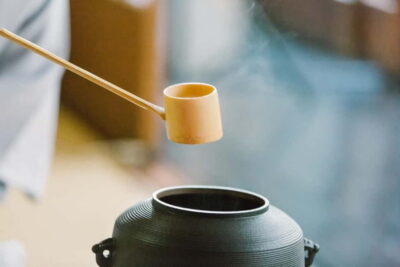
The design aims to reduce distractions. You might notice the faint smell of matcha before you taste it, the sound of water heating, or the quiet pause before a bowl is presented. These details are easy to miss in a crowded attraction. Here, they become the point.
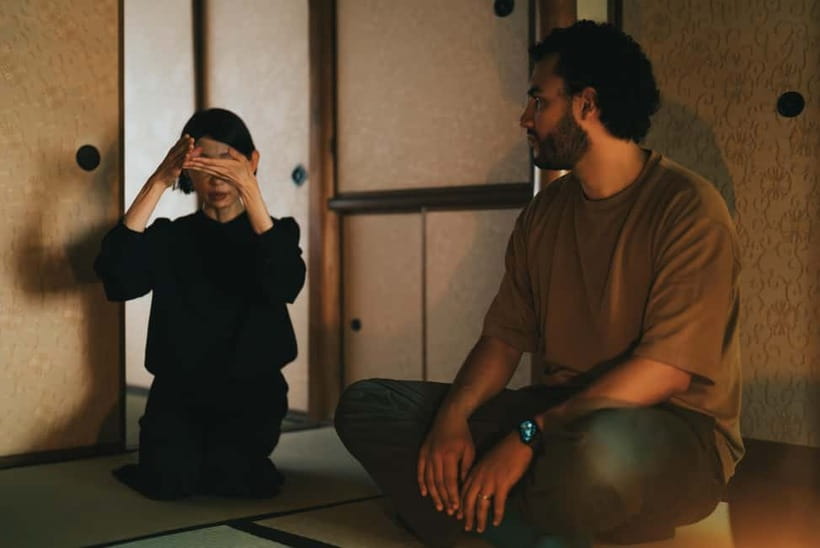
You are free to watch silently, ask questions, or simply sit with the group. The hosts make room for both approaches. Some people will want to know why a utensil is purified or why the bowl is handled in a certain way. Others will prefer to let the actions speak for themselves. You do not need prior experience with tea ceremony customs.
Silence is important, but this is not a stern classroom. The guidance is relaxed, and the hosts explain the purpose behind the movements in English. Taku, Naoki, Noki, and other hosts have been praised for clear explanations and a warm manner. The teaching style helps you understand the ceremony without feeling that you are being graded on etiquette.
Watching matcha become the main event
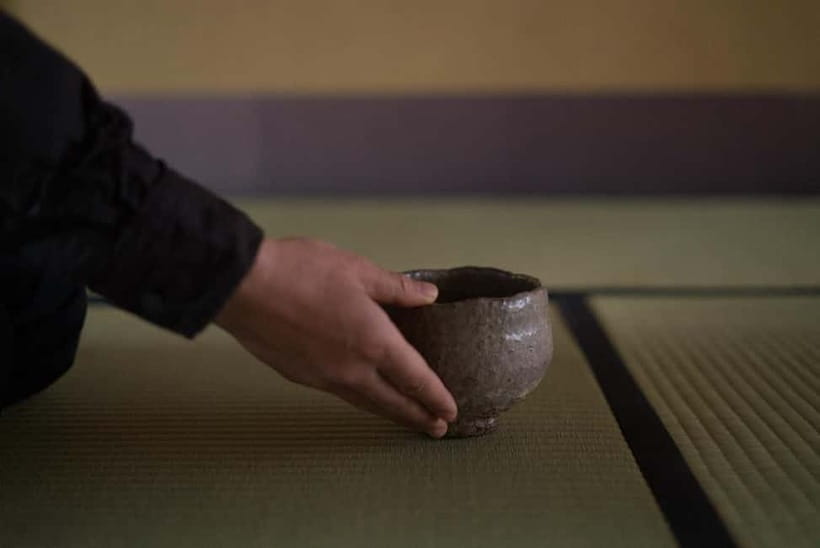
The central preparation is deliberately slow. The host purifies the utensils, measures and whisks the matcha, then presents the bowl with a graceful bow. Each step has a visible purpose, so you can follow the process rather than watching a blur of practiced motions.
The hosts explain the tea itself, including how preparation affects taste and what can indicate high-quality matcha. You will learn how to receive the bowl, lift it carefully, and taste the tea with attention to its texture and flavor. The instructions are there to help you feel comfortable, not to force you into a rigid performance.
The bowl’s warmth gives the ceremony a physical center. You hold it, smell the tea, taste it, and notice how the flavor changes after the sweet. This may sound simple, but that is the point. The activity asks you to give full attention to one small sequence instead of checking a phone or rushing toward the next sight.
In summer, Oboro uses chilled water and ice for the ceremony. That seasonal adjustment is a nice reminder that Japanese tea practice responds to the weather. You should not assume every visit will taste or feel identical. The temperature and preparation can change with the season.
A few more Kyoto tours worth putting on the shortlist
- PERFECT KYOTO 1-Day Bus Tour
★ 5.0 · 13,518 reviews - Kyoto: Fushimi Inari, Kinkakuji, Bamboo Grove 1 Day Bus Tour
★ 4.8 · 4,316 reviews - Kyoto Geisha Walking Tour: Gion District & Hidden Gems
★ 4.7 · 3,273 reviews - Kyoto: Gion Magical Night Walking Tour with Geisha Trivia
★ 4.9 · 2,393 reviews
What the hosts add to the experience
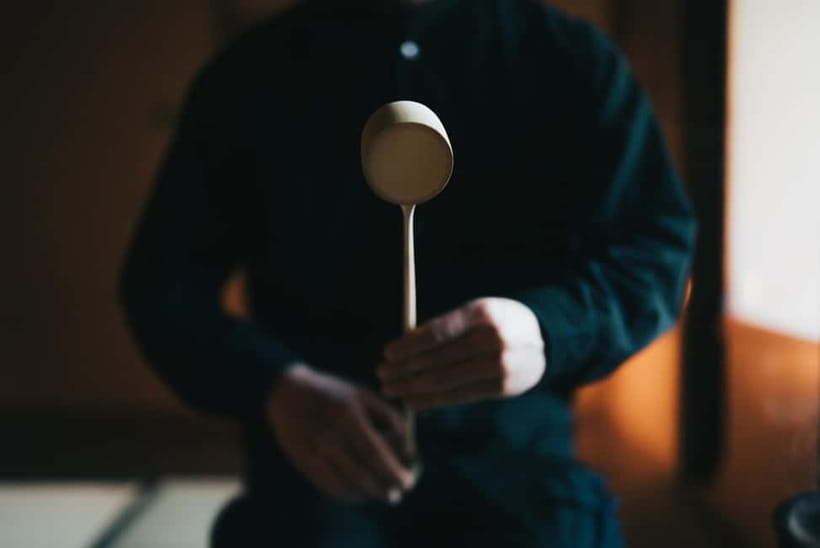
The hosts are the strongest part of the teaching. Their job is not only to whisk matcha. They explain the ceremony’s history, etiquette, symbolism, and practical steps in English, then answer questions as they arise.
One host, Naoki, received special praise for bringing a calm and reflective mood to the session. Other participants singled out Taku for explaining the process clearly and sharing his enthusiasm for tea culture. The teaching feels personal rather than scripted, while the small group gives you enough room to hear and see what is happening.
The age and energy of the hosts can also give the experience a contemporary feel. One young tea master was praised for sharing an ancient tradition with strong personal commitment. That is worth noting if you worry that a formal ceremony might feel distant or museum-like. At Oboro, the tradition is presented by people actively trying to make it understandable to an international audience.
Still, you should come with the right expectation. This is an introduction, not a full course in Japanese tea practice. In 45 minutes, you can understand the basic flow and meaning of the ceremony, but you will not master every rule or history lesson.
Why the quiet matters after a busy day
Kyoto sightseeing can be noisy and crowded, especially around its best-known temples and shopping streets. Oboro offers a very different kind of stop. Its value is not measured by how many sights you cover. It gives you time to stop covering sights at all.
The candlelight and garden view encourage a meditative mood, but you do not need to treat the activity as a formal meditation session. You can simply sit still, listen, and pay attention to the tea. Several people left feeling calmer and mentally refreshed, and one described the ceremony as a peaceful pause after a noisy city day.
I would place this activity in the middle or later part of a Kyoto visit. Early in your trip, it can help you understand one important part of Japanese culture before you see other tea-related customs. Later in your trip, it can give your feet and mind a break from temples, trains, and busy streets.
The quiet environment does require cooperation. Flash photography is not allowed, and you are asked to maintain silence. Photography without flash is permitted, but I would keep your camera use modest. The room’s atmosphere depends on everyone allowing the small sounds and movements to remain clear.
The handmade candle and the final pause
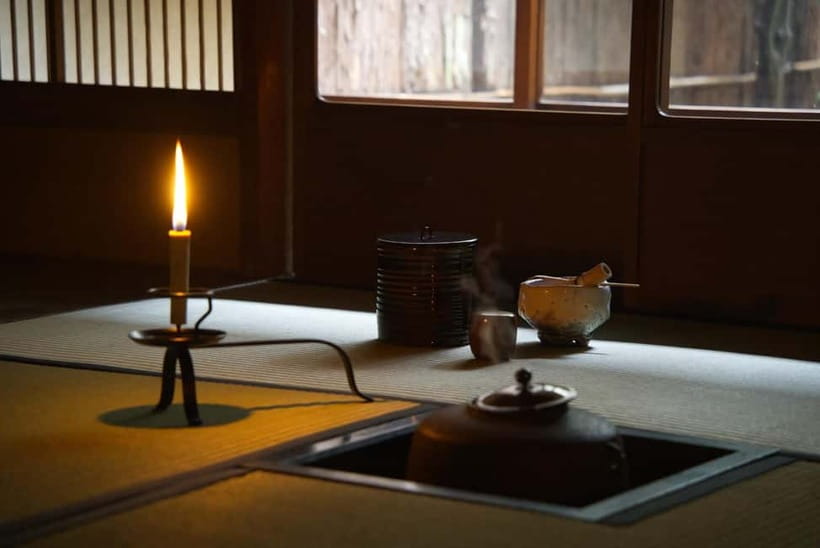
At the end, you receive a small handmade candle to take home. It is a simple gift, but it fits the experience better than a generic souvenir. Lighting it later can remind you of the slower pace you practiced at Oboro.
The final moment also gives the activity a useful sense of closure. You began with a welcome drink, moved through the careful preparation of matcha, and leave with a physical reminder of candlelight and quiet. The ceremony does not end with a sales pitch or a crowded exit. It finishes with reflection.
If your schedule is tight, plan carefully. The activity lasts 45 minutes, but you should add time for finding the address, arriving early, removing shoes, and settling in. A participant who had to leave before the end was treated kindly after warning the hosts in advance, but leaving early means missing the closing part and can disturb the quiet for others.
Who will enjoy this most
I would recommend Oboro to you if you want:
- A cultural activity with clear English instruction
- A small group rather than a large demonstration
- A calm break from Kyoto’s busier areas
- An introduction to matcha and tea ceremony etiquette
- A traditional Japanese setting with a strong sense of place
- A short activity that fits around other sightseeing
It is especially suitable for first-time visitors who worry that tea ceremony customs will be difficult. You are guided through the process, and questions are welcome. You can take part quietly without pretending to know more than you do.
It may not suit you if you want an energetic cooking class, a large meal, or a fast-moving attraction. The ceremony asks you to slow down. People with back problems should take the seating arrangements seriously, and the activity is not suitable for wheelchair users or children under six. Everyone must remove shoes, so socks are required.
Booking value, timing, and practical details
At $45 per person, this is not the cheapest way to drink matcha in Kyoto. You are paying for much more than the drink: a historic house, candlelit rooms, seasonal sweets, expert English instruction, tea equipment, and a carefully paced cultural lesson.
The small group improves the value. With no more than eight participants, you should be able to see the preparation and hear the explanations. A larger group might cost less, but it would likely make the quiet setting less effective and reduce the chance to ask questions.
You can cancel up to 24 hours before the start for a full refund, and a reserve-now, pay-later option keeps your plans flexible. The meeting point is best found by searching for Oboro: Mindful Tea Ceremony on Google Maps. Hotel pickup and drop-off are not included, so you make your own way there.
Bring comfortable clothing and socks. Smoking is not allowed, and flash photography is prohibited. The activity is conducted in English, and the group format keeps it personal without making it private.
Should you book Oboro?
Book this tea ceremony if you want to understand why Japanese tea practice gives such weight to preparation, silence, and small gestures. The strongest parts are the candlelit 100-year-old teahouse, the thoughtful English explanations, the small group, and the chance to taste matcha without pressure.
Skip it if your ideal Kyoto activity needs lots of movement, a full meal, or a lively social atmosphere. For everyone else, Oboro offers a well-priced 45-minute reset, with enough cultural substance to make it more than a pretty photo stop. The handmade candle gives you a small way to carry that calm into the rest of your trip.
FAQ
How long does the tea ceremony last?
The experience lasts 45 minutes.
How much does the activity cost?
The listed price is $45 per person.
Is the tea ceremony conducted in English?
Yes. English instruction is included, and the hosts explain the ceremony and answer questions in English.
How many people are in each group?
The activity is limited to eight participants.
What should I wear or bring?
Wear comfortable clothes and socks. Shoes must be removed before entering the tea ceremony space.
Is photography allowed?
Photography is allowed without flash. Flash photography is not permitted, and the environment is quiet, so use your camera with care.
Can children join the ceremony?
Children under six are not allowed to participate.
Is the activity accessible for wheelchair users or people with back problems?
The activity is not suitable for wheelchair users or people with back problems.
Newest Kyoto experiences on the site
- Treasures of Kyoto: Gion & historical Walking Tour★ 5.0 · 6 reviews
- Whisk Your Own Matcha: A Zen Matcha Experience at Temple★ 3.6 · 7 reviews
- Kyoto tea town for matcha lovers★ 5.0 · 16 reviews
- Uji: Private immersion into Kyoto’s tea and reglious culture★ 5.0 · 17 reviews
- Kyoto Matcha Green Tea Tour★ 4.5 · 23 reviews
- Uji and Wazuka Matcha Farm Half Day Private Guided Tour★ 5.0 · 21 reviews
- Utilising upcycled Matcha! Creating matcha incense (Uji, Kyoto)★ 5.0 · 6 reviews
- Sacred Temple Yoga Experience in Japan★ 5.0 · 3 reviews
Kyoto Tea Ceremonies, compared.
Tea Ceremony in a Traditional Tea House in Kiyomizu
Read our review →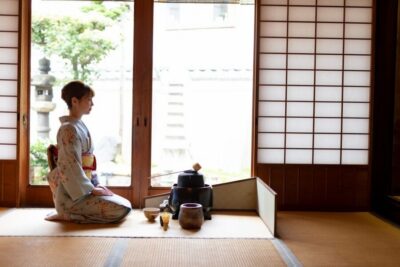
Tea Ceremony in 100-year-old Kyo-Machiya Townhouse
Read our review →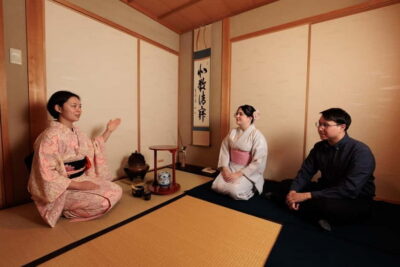
Browse the lists this tour appears in