Reviewed · KYOTO TOURS
Kyoto: Kaiseki Reservation at Hanasaki Manjiro
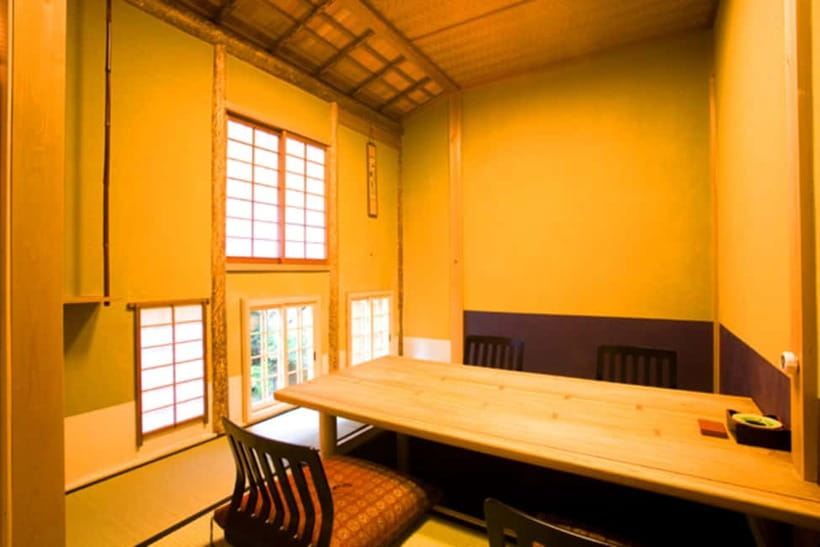
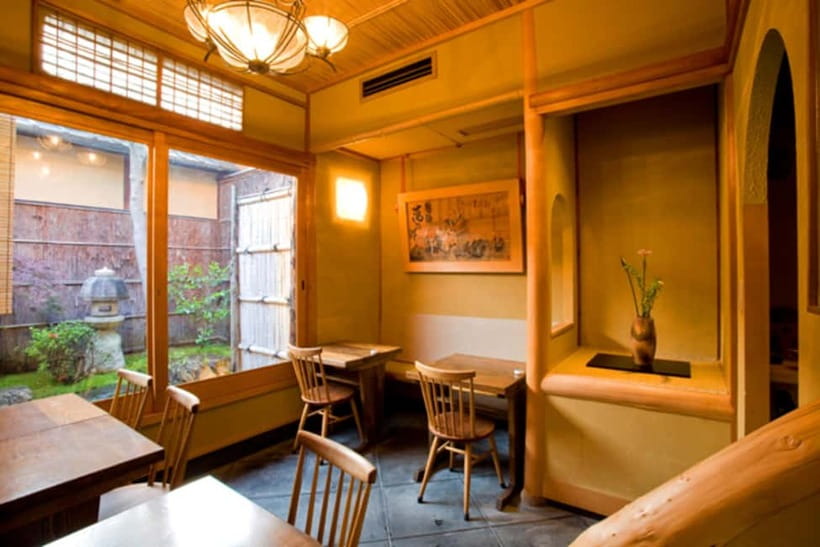
Hanasaki Manjiro gives you something a standard restaurant cannot: a seasonal kaiseki meal inside a 120-year-old machiya townhouse near Kodaiji Temple. The old wooden rooms, tatami seating, and quiet garden create a strong sense of old Kyoto before the first dish reaches the table.
I like the setting and the food’s close link to the season. I also like the location, since you can pair the two-hour meal with Kodaiji, Chion-in, or Kiyomizu-dera. The main point to consider is that this is a restaurant reservation only. No guide meets you, and drinks beyond water cost extra.
Key points to know before booking
- A 120-year-old machiya: Dine in a restored traditional townhouse rather than a modern dining room.
- Seasonal Kyoto kaiseki: The full course uses local ingredients, Kyoto vegetables, and carefully arranged dishes.
- Quiet Higashiyama setting: The restaurant is near Kodaiji Temple and the scenic Higashiyama Sando route.
- About two hours at the table: This works well between sightseeing stops, but it is not a quick lunch.
- Nine-course option: The larger meal can be generous, so arrive hungry or choose a smaller course if available.
- $48 per person: The price includes the full course, tax, and reservation, but not drinks other than water.
Entering a 120-year-old Kyoto townhouse
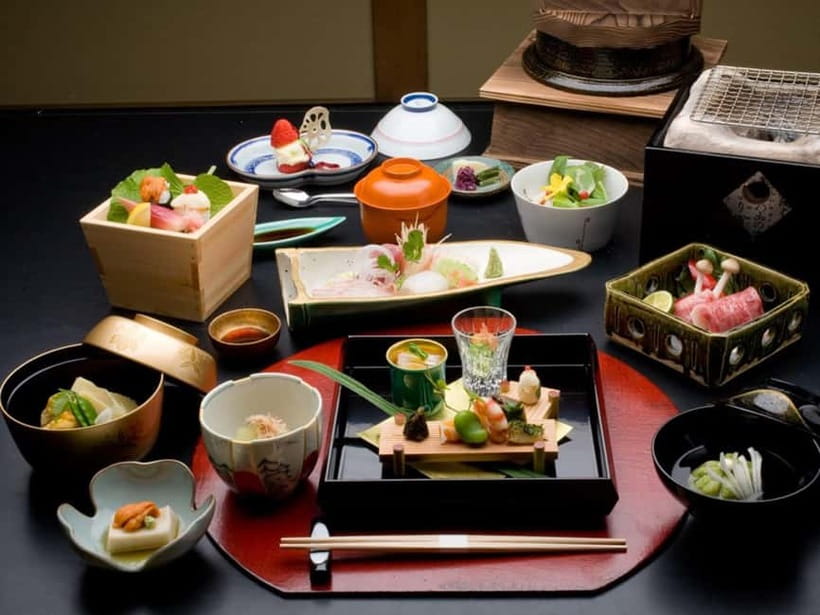
The first pleasure here is architectural. Hanasaki Manjiro occupies a traditional machiya, the narrow wooden townhouse style long associated with Kyoto’s older commercial streets and residential lanes. At around 120 years old, the building gives your meal a sense of place that a newly built restaurant cannot easily copy.
The atmosphere is quiet and refined rather than showy. You enter from the Higashiyama area, leave the main sightseeing rush behind, and settle into a traditional interior with tatami rooms and views toward a tranquil garden. The garden is not a separate attraction with a long walking route. Its value is smaller and more immediate: it gives your meal a calm visual focus.
I would plan this reservation for a day when you already want to see eastern Kyoto. The restaurant is about a 10-minute walk from Gion-Shijo Station on the Keihan Main Line and about 15 minutes from Kawaramachi Station on the Hankyu Kyoto Line. From the area around Kodaiji, Chion-in, and Kiyomizu-dera, it fits naturally into a walking day.
You should allow enough time to find the entrance. The restaurant sits along Higashiyama Sando, an atmospheric route with old Kyoto character. This is not a place to rush into between unrelated appointments on opposite sides of town.
A few more Kyoto tours worth putting on the shortlist
- PERFECT KYOTO 1-Day Bus Tour
★ 5.0 · 13,518 reviews - Kyoto: Fushimi Inari, Kinkakuji, Bamboo Grove 1 Day Bus Tour
★ 4.8 · 4,316 reviews - Kyoto: Tea Ceremony in a Traditional Tea House in Kiyomizu
★ 4.9 · 3,519 reviews
What the two-hour meal includes
The reservation covers a full course menu, sales tax, and the booking itself. Water is included, while other drinks are not. At $48 per person, that is a fair price for a formal multi-course meal in a historic townhouse, especially if you want the setting as much as the food.
The meal is built around Kyoto-style kaiseki. Kaiseki is not simply a series of expensive dishes. It is a way of arranging food, color, texture, temperature, and presentation so the meal reflects the time of year. The supplied details do not provide a fixed menu, and that is normal for seasonal cooking. The ingredients and dishes can change.
You can expect Kyoto vegetables and other local ingredients to play an important role. The portions may look modest at first because kaiseki values balance and presentation, but the meal can add up. The nine-course version has been described as generous, with eel rice even packed to take away on one occasion.
That detail matters if you are deciding between a full and smaller course. If you enjoy long meals and want to sample many preparations, arrive hungry. If you prefer a lighter meal, ask about the smaller course option when booking or entering the restaurant. The available information confirms that such an option may be offered, but it does not give its exact price or contents.
How the kaiseki courses shape the experience
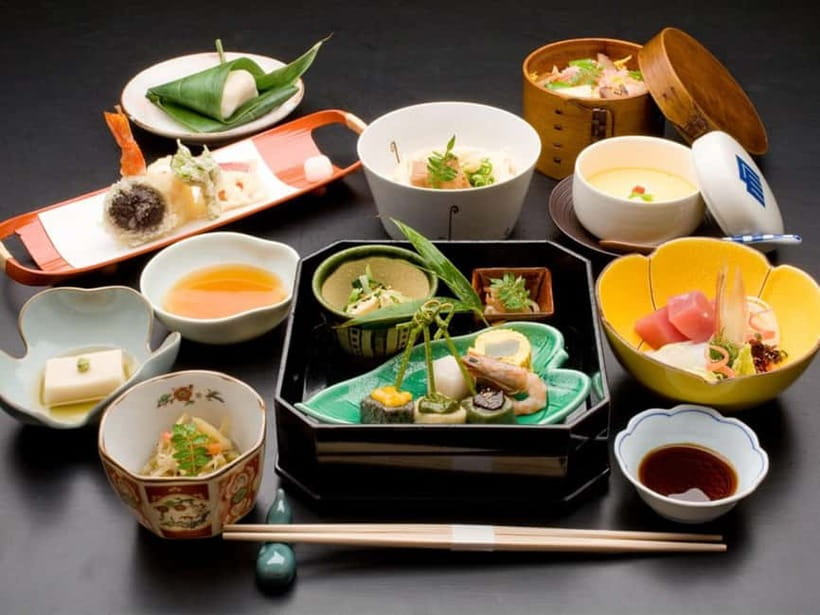
The meal begins with the visual side of Kyoto cuisine. One especially memorable part of the nine-course menu is the selection of appetizers. These are described as light, delicate, and carefully prepared, with fresh shrimp singled out as a highlight.
You should not expect every course to be heavy or strongly seasoned. Kaiseki often works through clean flavors and small contrasts, allowing the ingredients to carry the meal. Kyoto vegetables are particularly suited to this approach. Their role is not just to fill the plate but to show the season through color, cut, texture, and cooking method.
Later courses can bring more substantial ingredients. Wagyu beef has appeared in the meal, as has eel rice. These dishes add weight after the lighter opening plates. The progression is part of the pleasure, since you are not served a single large main course and sent on your way.
Staff explain the dishes as they arrive, which helps if you are unfamiliar with Japanese ingredients or dining customs. That guidance is useful, but keep the arrangement clear in your mind: the staff are explaining the meal at the restaurant. There is no separate walking guide, lecture, or sightseeing commentary included.
The chef or owner may also come out to greet diners, although this should not be treated as a guaranteed part of every reservation. It adds a personal touch when it happens, but the main experience remains the meal, setting, and service.
Why the Higashiyama location works so well
Higashiyama is one of Kyoto’s best areas for combining food with cultural sights. Kodaiji Temple is close by, Chion-in is within the same broad sightseeing zone, and Kiyomizu-dera is also nearby. You can spend the afternoon walking through eastern Kyoto, pause for dinner, and continue through the old town atmosphere without crossing the city.
The location has one trade-off. The same landmarks that make the area convenient also draw crowds. Hanasaki Manjiro is described as being in a quiet spot surrounded by greenery, but the surrounding routes can still be busy during popular sightseeing hours. I would not assume that the whole walk from the station will feel empty.
For the best rhythm, use the restaurant as a calm pause in your day. Visit a temple first, then arrive with enough time to slow down. A two-hour meal is long enough to reset your pace, but short enough to fit into a full day of eastern Kyoto sightseeing.
The setting also makes this a strong choice for a special occasion or intimate date. You get tatami rooms, garden views, and a meal with several distinct courses rather than a hurried table service experience. It feels formal without requiring a separate cultural performance.
Same city, a completely different kind of day:
- Kyoto Geisha Walking Tour: Gion District & Hidden Gems
★ 4.7 · 3,273 reviews - Kyoto: Tea Ceremony Ju-An at Jotokuji Temple
★ 4.9 · 3,207 reviews - Kyoto: Gion Magical Night Walking Tour with Geisha Trivia
★ 4.9 · 2,393 reviews - Kyoto: 45-Minute Tea Ceremony Lesson Experience
★ 4.3 · 2,378 reviews
What the service adds to the meal
The service is an important part of the value. Staff explain the dishes in detail and make sure diners have what they need. That is especially helpful for a first kaiseki meal, when the order, ingredients, and small serving sizes may not be obvious.
English support has been praised in the supplied material, but the information is not fully consistent because one comment refers to a guide named Mihoko and to Japanese history. Hanasaki Manjiro is not sold as a guided history tour, and no guide is provided with this reservation. You should count on restaurant staff for explanations of the food, not on a named guide for a broader cultural tour.
The hospitality is formal but personal. The chef or owner has greeted diners during the meal, and the staff have helped with practical details such as packing leftover eel rice. Those touches can make the experience feel more memorable than a meal where the food arrives without context.
Still, service at a traditional restaurant may move at a measured pace. If you need to reach a train, theater, or evening booking at a precise time, leave a cushion after the two-hour duration. A leisurely meal is part of the point here.
Is $48 good value for Kyoto kaiseki?
At $48 per person, Hanasaki Manjiro sits at an appealing middle point for a special Kyoto meal. You are paying for the full course, tax, the historic setting, the garden view, and the reservation. You are not paying for a guide or a separate performance.
The value is strongest if you care about the complete experience. A simple meal elsewhere might cost less, but it would not give you the same townhouse atmosphere or structured progression of seasonal dishes. The price also removes some uncertainty from planning, since the full course and reservation are arranged in advance.
Drinks change the final bill. Water is included, but other drinks are not. If you are watching your budget, decide in advance how much you want to add. The supplied price is per person for the food experience, not an all-in package covering every purchase at the table.
The nine-course option can also be more filling than expected. One diner found the meal generous enough to take eel rice away. That is good news if you want a substantial dinner, but it may be too much if you have already eaten heavily or prefer a shorter tasting menu.
Who will enjoy Hanasaki Manjiro most?
I would recommend this experience to you if you want a traditional Kyoto meal with a strong sense of place. It suits food-focused visitors, couples, people celebrating something, and anyone who prefers a quiet cultural experience to a loud modern restaurant.
It is also a good introduction to kaiseki if you want structure and support. The staff explain the dishes, the menu arrives as a full course, and the historic townhouse gives you a clear setting for the meal. You do not need to plan a separate cultural class to make the evening feel meaningful.
Families and mixed-age groups may also appreciate the wheelchair accessibility, although the available information does not explain the exact layout of the tatami rooms or restroom access. If you have detailed mobility needs, confirm the arrangements before booking.
I would be more cautious if you want a quick meal, a flexible walk-in stop, or a detailed guided tour of Kyoto history. The reservation is designed around a set dining experience. It asks you to arrive at a chosen time and stay long enough to enjoy the courses.
Practical planning for your Kyoto day
Book this meal on a day when your route already includes eastern Kyoto. From Gion-Shijo, the walk takes about 10 minutes. From Kawaramachi, allow about 15 minutes. Those times place the restaurant within easy reach of the main transport hubs in central Kyoto.
Nearby sights give you plenty to do before or after the meal. Kodaiji Temple is the closest named landmark, while Chion-in and Kiyomizu-dera help form a natural sightseeing loop. The restaurant’s position along Higashiyama Sando means you can experience the old-town streets on foot rather than treating the meal as an isolated stop.
When your reservation time arrives, enter the restaurant directly. There is no guide waiting outside and no included walking tour. Check your booking time carefully, and plan your route so you are not arriving breathless from a distant temple.
The experience lasts about two hours. That length gives the meal room to unfold, but your full day may need more time for walking, temple visits, photos, and finding transport. I would avoid placing a second fixed activity immediately afterward.
Free cancellation is available up to 24 hours in advance for a full refund. You can also reserve now and pay later, which helps if your Kyoto schedule is still changing. These terms are useful, but they do not remove the need to choose a realistic reservation time.
What makes this more than a restaurant meal
The food is the main event, but the appeal comes from how several small elements work together. You sit in a 120-year-old house, look toward a quiet garden, eat ingredients chosen for the season, and receive explanations as the courses arrive.
That combination gives you a closer look at Kyoto culture than a generic restaurant meal. It is not a museum visit, and it does not try to recreate a theatrical version of old Japan. Instead, the setting and food create a quieter encounter with traditions that are still used for dining.
The meal can also give you a needed change of pace. Higashiyama’s temples and lanes can fill a day with visual impressions. Sitting down in a calm room for two hours lets you focus on taste, presentation, and conversation.
The drawback is that kaiseki may not suit every appetite. The food is refined and seasonal rather than familiar and filling from the first course. Some diners will love the delicate flavors and careful presentation. Others may prefer a more casual meal with larger, simpler portions.
Should you book Hanasaki Manjiro?
Book it if you want a special Kyoto meal in a historic townhouse and like the idea of a seasonal nine-course progression. The $48 price is reasonable for the setting, full course, tax, and reservation, especially when you pair it with Kodaiji and the other Higashiyama sights.
Choose a smaller course if you prefer a lighter meal, and remember to budget for drinks. Arrive with time to find the restaurant, expect a two-hour pace, and do not book it assuming a guide or history tour is included.
For food lovers, couples, and visitors seeking an intimate taste of old Kyoto, Hanasaki Manjiro is a strong choice. If you want speed, spontaneity, or a fully guided cultural program, spend your budget elsewhere.
FAQ
Where is Hanasaki Manjiro located?
Hanasaki Manjiro is in Kyoto’s Higashiyama district along Higashiyama Sando, near Kodaiji Temple. It is also close to Chion-in and Kiyomizu-dera.
How long does the dining experience last?
The reservation lasts about two hours. You should allow extra time for walking to the restaurant and for any sightseeing before or after the meal.
What does the $48 price include?
The price includes the full course menu, sales tax, and the restaurant reservation. Drinks other than water and personal expenses are not included.
Is this a guided tour?
No. This is a restaurant reservation only, and no guide is provided. Restaurant staff explain the dishes during the meal.
Is wheelchair access available?
Yes, the activity is listed as wheelchair accessible. The available information does not give further details about the room layout or facilities.
Can I cancel the reservation?
You can cancel up to 24 hours in advance for a full refund. A reserve now and pay later option is also available.
Newest Kyoto experiences on the site
- Treasures of Kyoto: Gion & historical Walking Tour★ 5.0 · 6 reviews
- Whisk Your Own Matcha: A Zen Matcha Experience at Temple★ 3.6 · 7 reviews
- Kyoto tea town for matcha lovers★ 5.0 · 16 reviews
- Uji: Private immersion into Kyoto’s tea and reglious culture★ 5.0 · 17 reviews
- Kyoto Matcha Green Tea Tour★ 4.5 · 23 reviews
- Uji and Wazuka Matcha Farm Half Day Private Guided Tour★ 5.0 · 21 reviews
- Utilising upcycled Matcha! Creating matcha incense (Uji, Kyoto)★ 5.0 · 6 reviews
- Sacred Temple Yoga Experience in Japan★ 5.0 · 3 reviews
Kyoto Tours, compared.
Fushimi Inari, Kinkakuji, Bamboo Grove 1 Day Bus Tour
Read our review →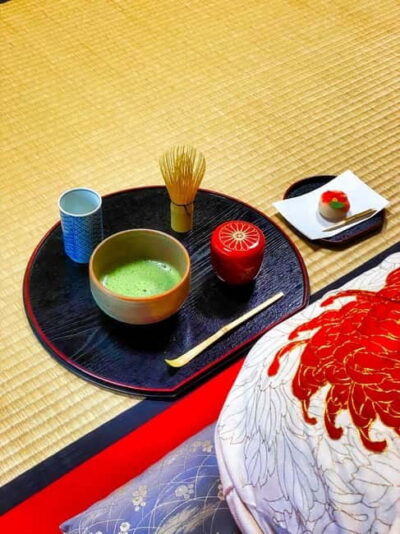
Tea Ceremony in a Traditional Tea House in Kiyomizu
Read our review →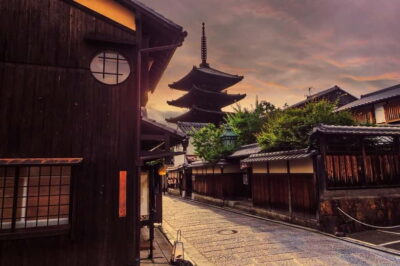
Kyoto Geisha Walking Tour: Gion District & Hidden Gems
Read our review →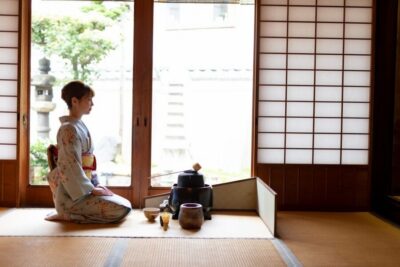
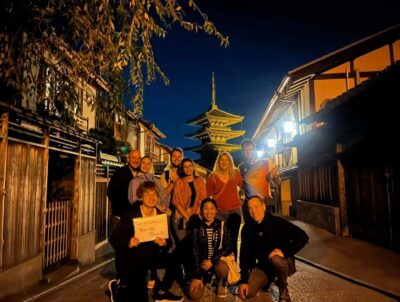
Gion Magical Night Walking Tour with Geisha Trivia
Read our review →