
Reviewed · KYOTO SAMURAI EXPERIENCES
Kyoto : Family-Friendly Sword Lesson at Samurai Ninja Museum
The best part of this Kyoto experience is that you do not just look at a sword behind glass. You put on hakama, armor, and a helmet, watch an instructor demonstrate a katana sequence, then practice the movements yourself. The lesson ends with themed photos and a try at ninja weapons, so it feels like a small stage show with a hands-on history lesson folded in.
I like the clear mix of activity and context. You learn two kata, or set sequences of sword movements, rather than simply waving a prop around. I also like the family appeal: children old enough to enter can dress up, pose, and try shuriken target throwing while adults get a real lesson to enjoy.
The main consideration is the group size. The activity is described as a small group limited to 10, but the maximum listed elsewhere is 22. Ask about the expected class size if personal attention matters to you. Also remember that transportation is not included.
Key points before you book
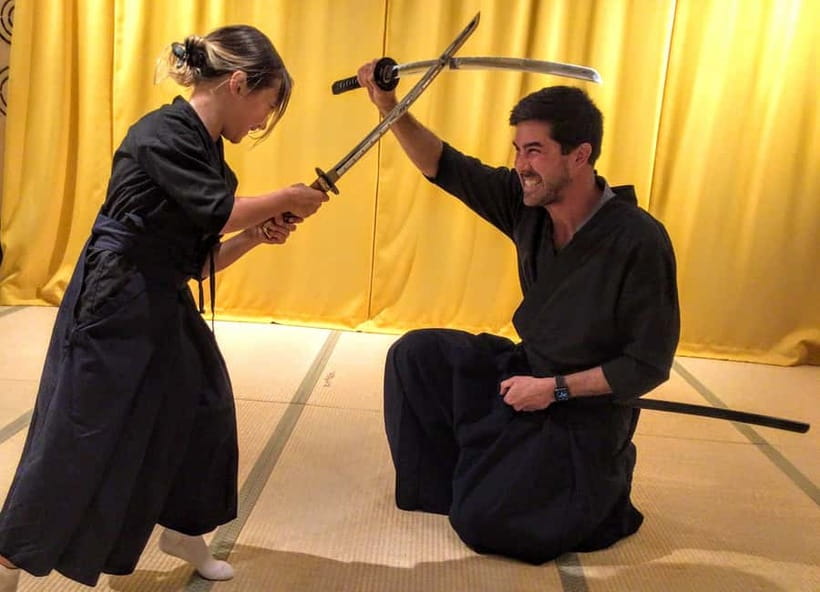
- You learn two katana kata: The lesson gives you a short sequence of movements to practice, not just a quick sword swing.
- The costume is part of the experience: Hakama, armor, and a samurai helmet are provided for the lesson and photos.
- Ninja activities follow the sword lesson: You get a chance to try ninja weapons, including shuriken target throwing.
- English instruction is provided: Recent sessions were led by instructors including Ken, Raito, Nobu, and Jukia.
- It suits families with older children: Children under 3 cannot enter, while most other participants can take part.
- Two hours gives the activity room to breathe: You have time for dressing, instruction, museum content, weapons practice, and photos.
Putting on the samurai outfit in Kyoto
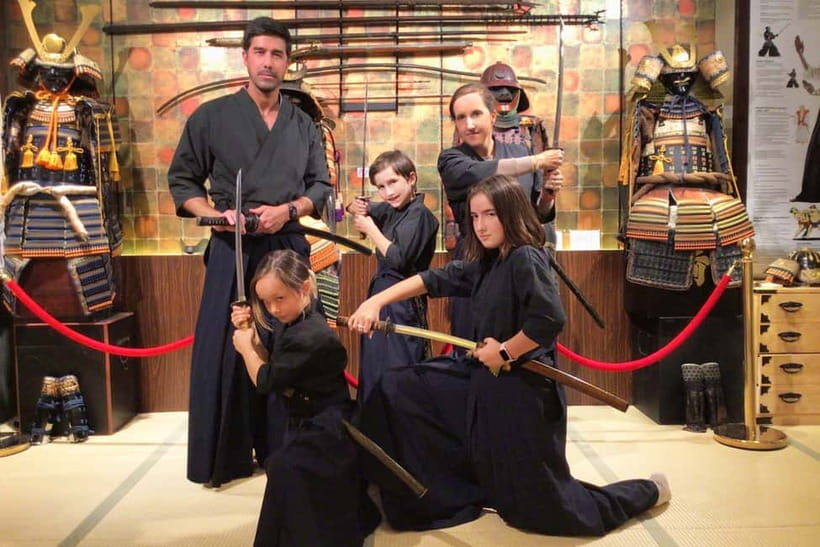
The experience begins with a change of character. You use the supplied hakama, samurai armor, and helmet, then step into the themed setting for photographs. This costume element is more than a small extra. It gives children a clear role to play and helps adults relax into the slightly theatrical nature of the activity.
The outfit also gives the lesson a sense of ceremony. You are not simply holding a plastic sword for a snapshot. You are dressed for the part before the instructor shows you how to move. The venue provides the clothing and equipment, so you do not need to bring special gear.
The fit and changing process are not described in detail, so I would keep your expectations practical. This is a visitor experience, not a formal martial arts uniform fitting. The goal is to create a convincing samurai look and let you move safely through a short lesson.
That makes it a good choice for families who want a shared activity. One person can take photos while another practices, then everyone can switch roles. The themed backgrounds give you a more useful souvenir than a rushed photo beside a display case.
More samurai experiences in Kyoto:
- Kyoto Samurai Experience
★ 5.0 · 1,294 reviews - Kyoto: Kendo and Samurai Experience with Uniform and Gear
★ 4.9 · 815 reviews - Kyoto: Samurai Sword Class by Experts in Traditional Arts
★ 4.9 · 657 reviews
Learning two katana kata with an English-speaking instructor
The central lesson is a demonstration followed by practice. Your instructor shows you how to swing the sword properly, then guides you through two kata. A kata is a set sequence of movements, so you have a simple pattern to remember rather than a loose collection of poses.
This structure matters. A short lesson cannot turn you into a trained swordsman, and it does not try to. Instead, you get a controlled introduction to the gestures, rhythm, and discipline associated with samurai sword work. The emphasis is on following directions and performing the sequence safely.
English instruction is included, which removes a major worry for international visitors. Several instructors are named in the recent feedback: Ken, Raito, Nobu, and Jukia. One session with Ken included teaching two kata, while Raito was praised for his teaching in a small class. The named instructors may vary by date, but you can expect the lesson to be conducted in English.
I would pay attention during the demonstration rather than rushing to the photo stage. The most satisfying part is remembering the order of the movements and completing the sequence with your group. If your children are excited, a little patience helps. They may want to swing at once, but the lesson works better when everyone watches first.
The experience is not described as combat training, sparring, or a full martial arts course. You should book it for an entertaining introduction to samurai movement, not for serious sword certification. That distinction keeps the $66 price in perspective.
Exploring the samurai and ninja displays
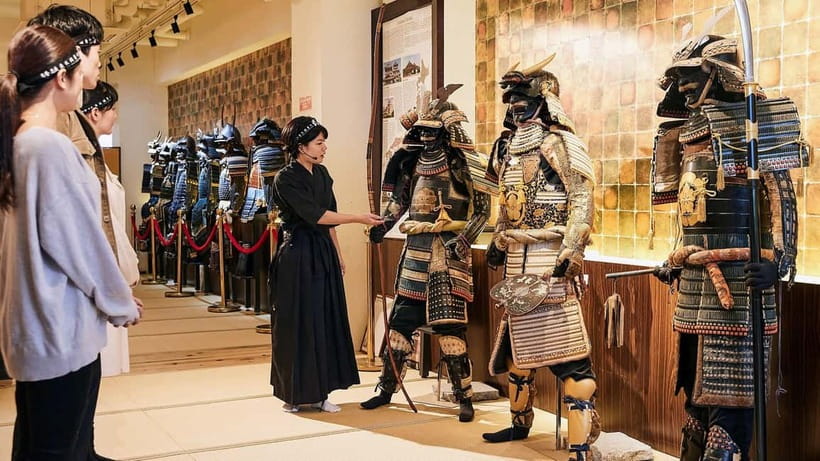
The activity includes access to a Samurai Ninja Museum setting, with a guided museum portion built into the visit. This adds useful context to the costume and sword lesson. Without it, the experience could feel like a photo session with props. The museum visit helps connect the objects and clothing to the larger samurai and ninja story.
The museum portion is described as guided and interesting, but the supplied details do not specify the exact displays or the length of this section. You should expect an introduction to samurai and ninja themes rather than a full-day museum visit. The two-hour schedule needs to accommodate the lesson, dressing, weapons trial, and photographs.
I like this balance because it gives you something to talk about after the fun part. Children can focus on the sword movements and targets, while adults can pay closer attention to the explanations. The museum section also gives you a break from physical activity before the final photos.
Do not treat the museum as a replacement for Kyoto’s major temples, castles, or specialist historical collections. This experience is built around participation. The displays support the activity, rather than serving as the only reason to come.
Trying ninja weapons and shuriken targets
After the sword lesson and museum portion, you get a chance to try ninja weapons. The included activities specifically mention shuriken, the small throwing weapons often linked with ninja imagery, and one family session included target throwing.
This is likely to be a hit with children. It offers a change of pace from the more formal sword sequence and gives everyone a clear goal. You can focus on aiming at the target rather than trying to remember a set pattern.
The equipment is included, so there is no extra charge listed for the ninja trial. As with the sword lesson, follow the instructor’s directions closely. The provided details do not explain the exact throwing method, target distance, or number of attempts, so I would not promise a long weapons session. Think of it as one part of a varied two-hour visit.
This activity also helps groups with mixed interests. A parent who is less keen on performing sword movements may enjoy the target activity, while a child who loses focus during the museum explanation gets another hands-on section to look forward to.
More ninja experiences in Kyoto:
- Skip the lines Basic Ticket at SAMURAI NINJA MUSEUM KYOTO
★ 4.5 · 632 reviews - Ninja 1-hour Hands-on Lesson by Japanese master in Kyoto -Entry
★ 5.0 · 489 reviews - Kyoto: Ninja Weapon Forging Experience
★ 4.8 · 478 reviews - Ninja 2-hour Hands-on Lesson by Japanese master in Kyoto -Medium
★ 5.0 · 218 reviews
Taking photos in armor and themed backgrounds
Photography is built into the experience. You can pose with swords in front of studio or samurai-themed backgrounds, wearing the supplied costume. The activity includes use of a samurai helmet and armor, so the final images should have more visual impact than a standard museum snapshot.
I would plan your best poses before the session ends. Think about a simple stance, a group arrangement, and one photo with the helmet. You are not promised a professional photographer or edited portraits, so check how photos are handled on the day. The supplied information confirms themed photo opportunities, but not who takes the pictures or how many you receive.
This is one reason the experience works well for families. A temple visit may be meaningful, but younger children do not always enjoy standing quietly for it. Here, the costume gives them something active to do, and the photographs record the moment.
There is also a small trade-off. Photo time can feel rushed if the class is full or if everyone wants several poses. A smaller group should make this easier, but the booking information gives both a limit of 10 and a maximum of 22. If photos are your top reason for booking, ask how many people are expected at your chosen time.
What the $66 price includes
At $66 per person, this is not the cheapest short activity in Kyoto. Its value comes from the number of parts packed into two hours: the sword lesson, hakama, helmet, armor, themed photographs, museum access, guided explanation, and ninja weapons trial.
If you only want to wear a costume for one quick picture, the price may feel high. You are paying for more than that here, especially when the lesson is taught well and the group stays small. The strongest value comes from treating it as a family activity with several stages, not as a simple photo stop.
The price also covers the equipment used during the lesson. You do not need to arrange a separate costume rental or buy a sword prop. Transportation to and from the venue is not included, so add the cost and time of getting there when comparing this with other Kyoto activities.
I see the price as reasonable for families who want a structured cultural activity and a memorable souvenir. It is less compelling for visitors who prefer quiet museum time or who already plan to take part in a longer martial arts class elsewhere.
Group size, timing, and access
The experience lasts two hours, with starting times available based on the date you select. That is long enough to make the visit feel substantial, but short enough to fit around a day of sightseeing in Kyoto.
The group information needs a close look. The activity is presented as a small group limited to 10 participants, while the maximum number is also stated as 22. Those figures do not fully match. If your party needs close instruction, contact the provider, GLOBA Inc., before booking and ask which limit applies to your session.
The experience is near public transportation, but transportation itself is not included. You will need to make your own way to the venue. Confirmation is received at booking, and the activity offers free cancellation up to 24 hours before the start time for a full refund. You can also reserve now and pay later, which helps if your Kyoto schedule is still changing.
The venue is listed as wheelchair accessible and stroller accessible. Most participants can join, but children under 3 cannot enter the samurai venue. That age rule is firm enough that families with toddlers should plan another activity for them rather than assume they can wait inside.
Which families and visitors will enjoy it most
I would recommend this for families with school-age children and teenagers who like action, costumes, or Japanese history. It gives them a role from the start, then changes activities often enough to hold attention: dressing, watching, practicing, viewing, throwing, and posing.
It also suits adults who want a light cultural activity. You do not need prior sword experience, and the English-speaking instructor guides you through the movements. The tone appears to be friendly and playful, but the lesson still gives you something specific to learn.
Couples and solo visitors can enjoy it too, especially if they are comfortable with a staged photo setting. The small-group format, if your session is close to the stated limit of 10, can make the lesson feel more personal. If the class reaches the larger maximum, expect less individual attention and a livelier room.
I would be cautious about booking this for a very young child. Anyone under 3 is excluded, and even older children need enough patience to listen to the demonstration and follow instructions. The experience is family-friendly, but that does not mean every age will enjoy the same parts.
Practical tips for getting more from the visit
Wear clothing that is easy to change in and out of. The activity provides the samurai clothing, but you will still want a simple outfit underneath. Comfortable shoes are also sensible for a session that includes standing, movement, and posing.
Arrive ready to pay attention during the demonstration. The sword work is short, so missing the instructions can make the kata harder to follow. I would also encourage children to treat the sword as a lesson tool, not a toy, until the instructor says otherwise.
Ask about photographs early in the session. Find out who will take them, whether group members can use their own phones, and how much time is set aside for posing. These details are not specified in the activity information, and knowing the process can prevent a rushed finish.
If you are booking around other Kyoto plans, allow extra time for your own transport. The lesson itself is two hours, but the price does not include getting to or from the venue. Public transportation is nearby, which helps, but you still need to plan the route.
Finally, confirm the guide and group size if those details matter to you. Ken, Raito, Nobu, and Jukia have all led sessions, and each instructor may bring a slightly different teaching style. The class may be capped at 10 or may allow more, so ask before committing if close coaching is important.
Should you book this Kyoto samurai lesson?
Book it if you want an active, family-friendly introduction to samurai culture, especially if your group values photos and hands-on fun as much as museum displays. The two kata, costume, museum visit, ninja weapons trial, and themed backgrounds give you a full two-hour outing rather than a single staged photograph.
The $66 price makes the most sense when several people in your group take part in every section. I would skip it if you want serious martial arts training, a quiet historical museum, or a very small private lesson. For families and first-time visitors looking for a playful Kyoto memory with some real instruction behind it, this is a sensible choice.
FAQ
How long does the samurai experience last?
The activity lasts two hours.
How much does the experience cost?
The listed price is $66 per person.
Is the lesson taught in English?
Yes. English instruction is provided.
What clothing and equipment are included?
The experience includes hakama, a samurai helmet, samurai armor, and the equipment needed for the sword lesson and ninja weapons trial.
Will I learn actual sword movements?
Yes. The instructor demonstrates how to swing a sword, and you learn two kata, which are set sequences of movements with a katana.
Are ninja weapons included?
Yes. A ninja weapons trial is included, and the activity may include shuriken target throwing.
Can children join the experience?
Most participants can take part, but children under 3 cannot enter the samurai venue.
Is the venue accessible with a wheelchair or stroller?
The venue is listed as wheelchair accessible and stroller accessible.
Is transportation included?
No. You are responsible for transportation to and from the activity. The venue is near public transportation.
Can I cancel for a refund?
Yes. You can cancel up to 24 hours in advance for a full refund. The activity also offers a reserve now and pay later option.
More Museums in Kyoto
- Kyoto: Tea Museum Tickets and Matcha Grinding Experience
★ 4.9 · 739 reviews - Kyoto : Geiko Maiko Dance of Kyoto & Visits of Gion Museum
★ 4.6 · 415 reviews - Kyoto Sword Experience – includes Museum Ticket/Ninja Experience
★ 4.5 · 149 reviews - Kyoto: Samurai Ninja Museum guided tour
★ 4.8 · 145 reviews
Newest Kyoto experiences on the site
- Treasures of Kyoto: Gion & historical Walking Tour★ 5.0 · 6 reviews
- Whisk Your Own Matcha: A Zen Matcha Experience at Temple★ 3.6 · 7 reviews
- Kyoto tea town for matcha lovers★ 5.0 · 16 reviews
- Uji: Private immersion into Kyoto’s tea and reglious culture★ 5.0 · 17 reviews
- Kyoto Matcha Green Tea Tour★ 4.5 · 23 reviews
- Uji and Wazuka Matcha Farm Half Day Private Guided Tour★ 5.0 · 21 reviews
- Utilising upcycled Matcha! Creating matcha incense (Uji, Kyoto)★ 5.0 · 6 reviews
- Uji Tea Ceremony and UNESCO Heritage Walking Tour★ 5.0 · 20 reviews
Kyoto Samurai Experiences, compared.
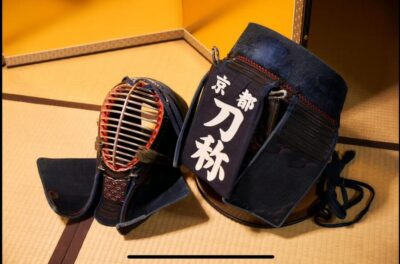
Kendo and Samurai Experience with Uniform and Gear
Read our review →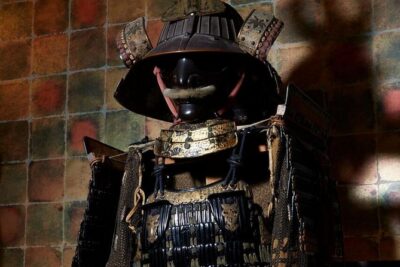
Skip the lines Basic Ticket at SAMURAI NINJA MUSEUM KYOTO
Read our review →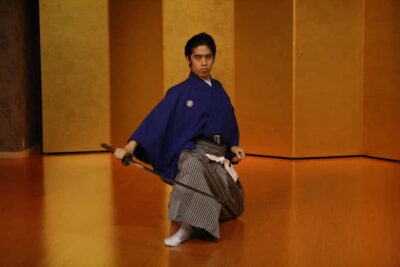
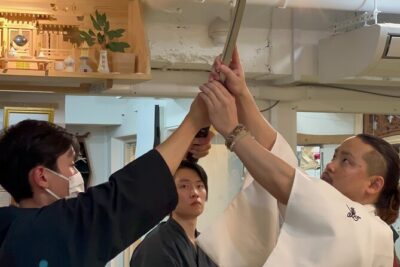
Samurai Training with Modern day Musashi in Kyoto
Read our review →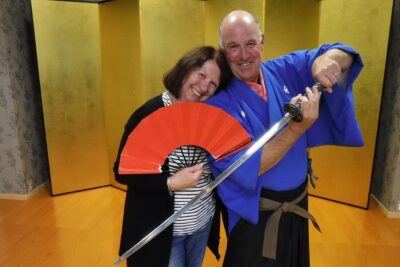
Private Tea Ceremony and Sake Tasting in Kyoto Samurai House
Read our review →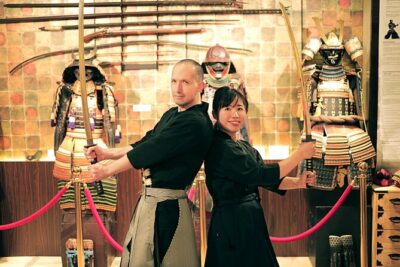
Kyoto Sword Experience – includes Museum Ticket/Ninja Experience
Read our review →Browse the lists this tour appears in