
Reviewed · KYOTO TEA CEREMONIES
Oboro | Mindful Tea Ceremony in a 100-Year-Old Kyoto Teahouse
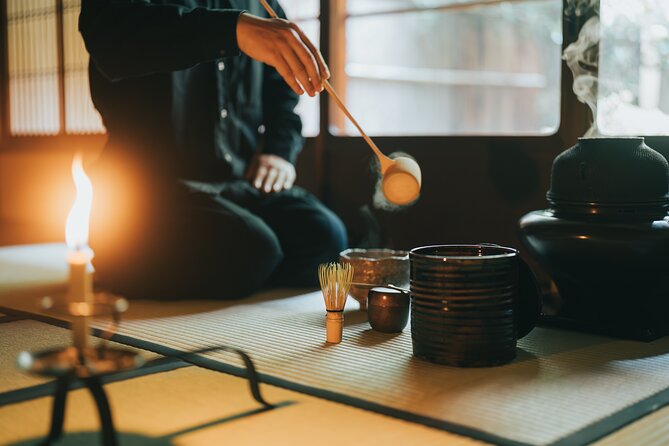
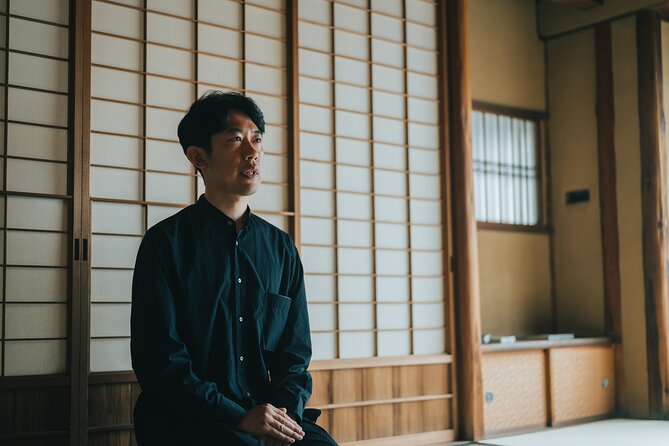
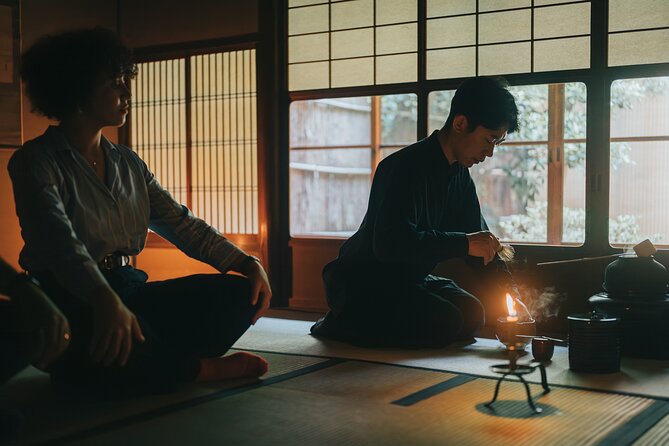
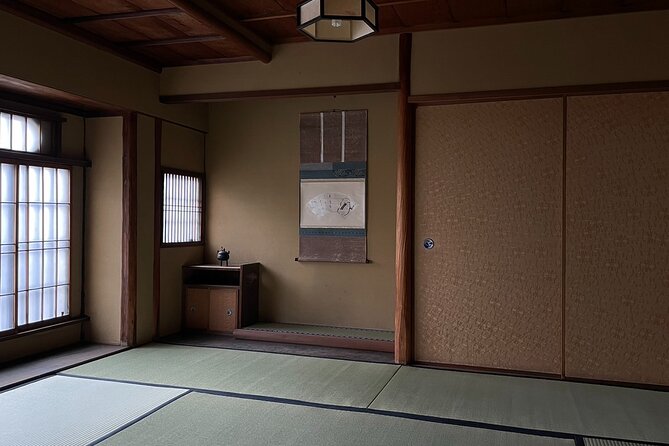
The most striking part of Oboro’s tea ceremony is its setting: a candlelit, 100-year-old Kyoto teahouse with little decoration and very little noise. You watch the host clean each utensil, prepare the bowl, and whisk organic green tea one serving at a time. The ceremony feels less like a staged performance and more like a quiet lesson in paying attention.
I like the small maximum group of eight, which gives you room to see the fine movements and ask questions. I also like the English support. Hosts including Taku and Naoki explain the meaning behind the ritual, so you are not left guessing why each gesture matters.
The main consideration is timing. The session lasts only about 50 minutes, and late arrival is a real problem: after 10 minutes, you cannot join. This is a calm cultural experience, not a long class or a full meal, so tea enthusiasts looking for lots of hands-on practice may want something more extensive.
Key points to know before you book
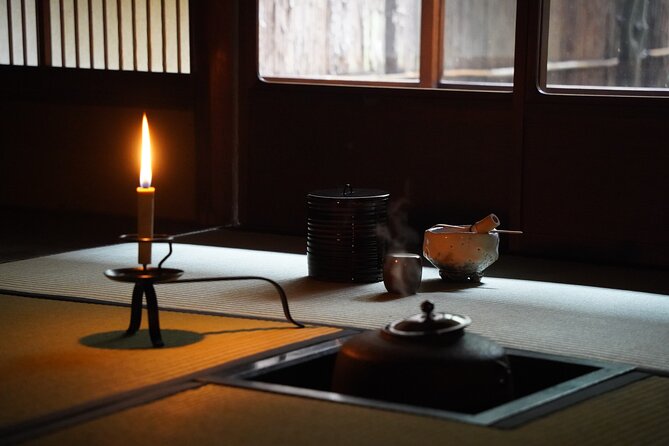
- Candlelit setting: The ceremony takes place in a quiet, minimally decorated room rather than a busy café.
- English guidance: Hosts such as Taku and Naoki explain the ritual and answer questions in English.
- Small group format: The experience accepts no more than eight people, creating a more personal setting.
- Tea and sweets included: You begin with a welcome drink and a small sweet before the matcha ceremony.
- A thoughtful keepsake: You receive a small handmade candle at the end.
- Strict arrival rule: You cannot take part if you arrive more than 10 minutes after the start time.
Why Oboro feels different from a café matcha tasting
Kyoto has no shortage of places selling matcha. At a café, you may receive a bright green drink and a sweet, then move on with your day. Oboro asks you to slow down first.
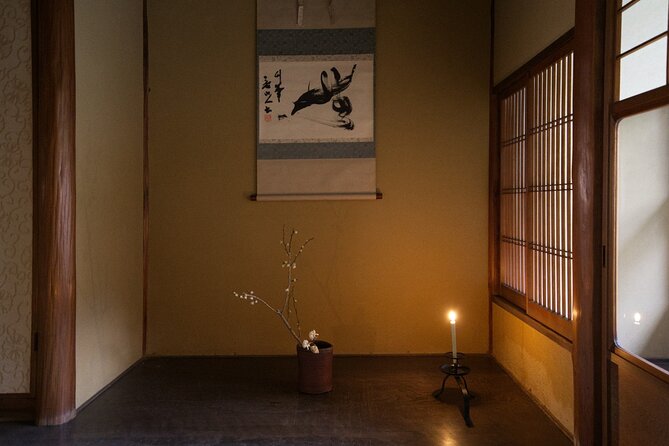
The room is softly lit by handmade candles. The décor is deliberately spare, which helps direct your eyes toward the host, the utensils, and the tea bowl. Gentle sounds and the low light create a hushed mood without requiring you to follow every formal rule of a traditional tea school.
That balance matters. A highly formal ceremony can be fascinating, but it may also leave a first-time visitor worried about making a mistake. Oboro places more emphasis on respect, stillness, and shared attention than on strict performance. You can observe the ritual without feeling that you need years of training to understand it.
I would think of this as a cultural experience with a mindful edge. The tea is important, but so are the pauses, the careful movements, and the invitation to notice warmth, scent, texture, and taste.
More tea ceremonies in Kyoto:
- Kyoto: Tea Ceremony in a Traditional Tea House in Kiyomizu
★ 4.9 · 3,519 reviews - Kyoto: Tea Ceremony Ju-An at Jotokuji Temple
★ 4.9 · 3,207 reviews - Kyoto: 45-Minute Tea Ceremony Lesson Experience
★ 4.3 · 2,378 reviews
Arriving at the old Kyoto teahouse
Your meeting point is 237 Nakaogawacho, Kamigyo Ward, Kyoto, 602-0053, an area near public transportation. The experience begins and ends at the same location, which makes it easy to fit into a day of sightseeing without arranging a separate return transfer.
Allow extra time to find the address. The late-arrival rule is unusually strict for a short activity. If you arrive 10 minutes after the start, you cannot join, and walking into a quiet ceremony halfway through would disturb the atmosphere anyway. I would aim to be in the neighborhood early, then use the spare minutes to settle down before entering.
Once inside, expect a change of pace. Kyoto can be crowded and noisy, especially around its best-known sights. Oboro’s first job is to create a clear break from that outside energy. The limited decoration and candlelight are not just visual touches. They help you focus on a small number of things rather than taking in another busy room full of displays.
The setting is one of the strongest reasons to choose this experience instead of a standard tea shop visit. You are not simply consuming matcha. You are being shown how the room, the tools, the host, and the people sharing the tea all contribute to the moment.
The welcome tea and sweet
The session opens with a welcome tea and a small sweet. This gives you time to adjust to the room and begin paying attention before the formal preparation starts.
That first drink also helps explain an important point: Japanese tea culture is not limited to matcha. The experience includes tea options, and one family with different preferences found that one person could enjoy matcha while another chose black tea. If you do not usually like matcha, that does not automatically rule out Oboro.
The sweet is small, but it has a purpose beyond refreshment. Traditional tea sweets help prepare your palate for the bitterness and grassy flavor of matcha. You will likely notice the tea differently after tasting the sweet first, with the contrast making the drink feel smoother and more balanced.
Do not expect a large snack or a meal. The food is a modest part of the experience, intended to support the ceremony rather than replace dinner. Plan to eat separately if you need something filling.
Watching the utensils become part of the ceremony
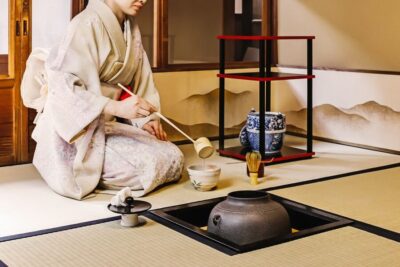
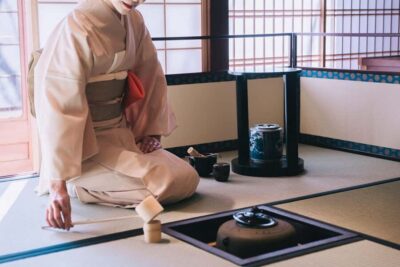
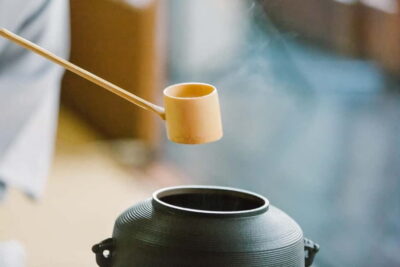
The most rewarding section is the preparation itself. Before whisking the tea, the host carefully cleans and arranges the utensils. These movements can look simple at first, but the order and care give the ritual its quiet rhythm.
You are encouraged to watch closely. Notice how the host handles the bowl, controls the water, and prepares each portion separately. The tea is served one bowl at a time, so the process does not feel rushed or mass-produced.
This is where the small group matters. With no more than eight people, you should have a reasonable view of the preparation. The room is intimate enough for the host to explain what is happening and respond to questions. Taku is described as both informative and entertaining, while Naoki has been praised for a soft-spoken approach that suits the reflective setting.
The English guidance is especially useful here. Without explanation, a visitor might see a series of elegant gestures but miss the ideas behind them. Translation lets you understand why the tools are cleaned, why the host pauses, and how the ceremony expresses respect between the person preparing the tea and the people receiving it.
A few more Kyoto tours worth putting on the shortlist
- PERFECT KYOTO 1-Day Bus Tour
★ 5.0 · 13,518 reviews - Kyoto: Fushimi Inari, Kinkakuji, Bamboo Grove 1 Day Bus Tour
★ 4.8 · 4,316 reviews - Kyoto Geisha Walking Tour: Gion District & Hidden Gems
★ 4.7 · 3,273 reviews - Kyoto: Gion Magical Night Walking Tour with Geisha Trivia
★ 4.9 · 2,393 reviews
Tasting the organic green tea
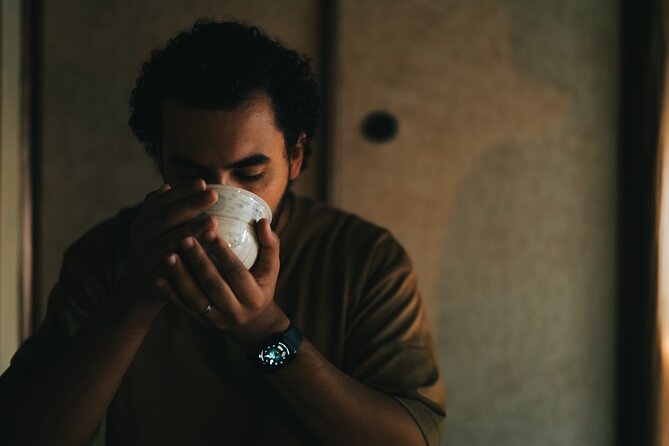
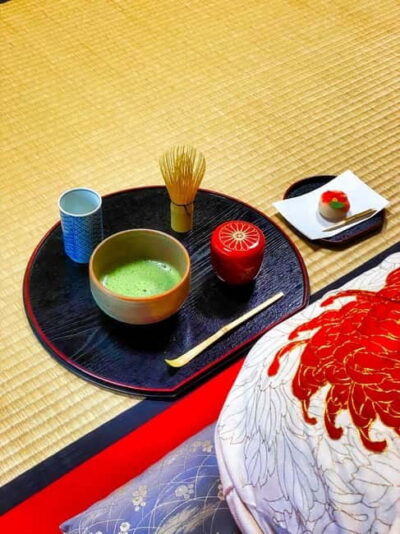
The tea is a rare organic green tea, whisked fresh and served in its own bowl. The experience encourages you to notice more than flavor. You can pay attention to the bowl’s warmth, the tea’s texture, its aroma, and the way the room changes when everyone becomes quiet.
Matcha is not universally loved. It can have a strong vegetal taste and a slightly bitter finish. Oboro does not hide that character with syrups or milk. The point is to experience the tea as part of a traditional preparation, not to make it resemble a sweet café drink.
Still, the setting can make the tasting easier for newcomers. You are given time to sip rather than being handed a cup while standing at a counter. The host can explain the process and answer questions, which turns an unfamiliar flavor into something you can understand.
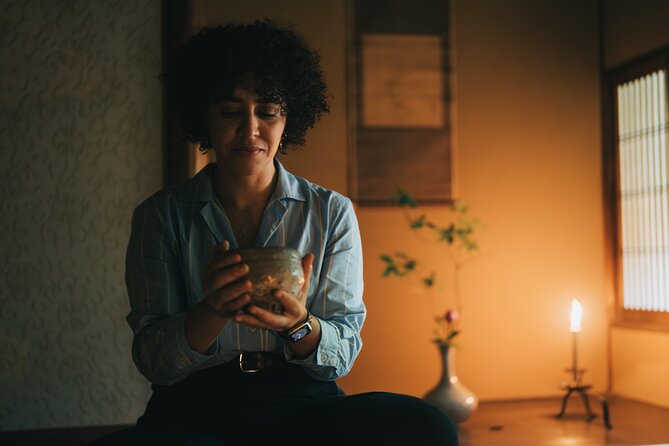
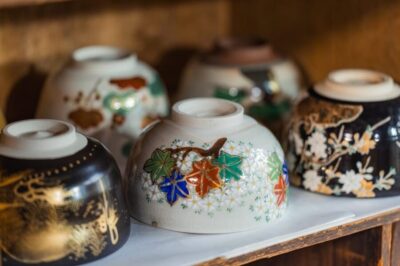
The tea is served in a ceremonial bowl, and that physical detail adds to the experience. Holding the bowl gives you a direct connection with the craft involved. You are not just watching from a distance. You are participating in the final step by receiving and tasting what has been prepared.
A mindful experience without excessive formality
Oboro’s central idea is mindful living. That may sound vague, but here it has a practical meaning: slow your movements, focus on one thing, and notice what is happening instead of rushing to the next sight.
The candlelight supports that idea. Flickering light changes the feel of the room and makes the ceremony more sensory. The quiet also gives you a rare pause in a Kyoto schedule often packed with temples, markets, gardens, and train rides.
At the same time, the experience is not presented as a strict test of etiquette. You are not expected to master every rule before you arrive. The emphasis is on shared respect and quiet wonder, making it a good first ceremony for people who want cultural context without feeling intimidated.
I especially like this approach for families and mixed-age groups. One child in a family group loved the matcha, while another person preferred a different tea. The session also lasts less than an hour, which is long enough to feel substantial but short enough for most sightseeing plans.
The quiet format may not suit everyone. If you prefer a lively demonstration, lots of audience interaction, or extensive hands-on instruction, this can feel too restrained. Its strength is precisely its calm pace.
What the small group changes
A maximum of eight people is more than a marketing detail. Tea ceremony depends on seeing small actions, hearing explanations, and allowing silence to develop. A crowded room would make those things harder.
A small group also gives the host more opportunity to respond to questions. You can ask about the tea, the utensils, the history of the custom, or the meaning of a gesture. The English-speaking hosts are a major part of the value here, particularly for first-time visitors who want more than a silent demonstration.
The atmosphere remains personal without requiring you to take part in every movement. You can observe quietly, then ask a question when the host invites discussion. That makes the experience suitable for solo visitors, couples, families, and small friend groups.
The tradeoff is that each scheduled session depends on a minimum number of participants. If that minimum is not reached, the activity can be canceled and you will be offered another date or a refund. That is worth remembering if you are building a tightly timed Kyoto schedule.
Is $45.98 a fair price?
At $45.98 per person, Oboro is more expensive than buying matcha at a café, but that is not the right comparison. You are paying for access to a traditional teahouse, an English-speaking host, a guided cultural explanation, a small group setting, sweets, tea, and a carefully arranged atmosphere.
The 50-minute length also makes the price easier to judge. This is not an all-day activity, but it fits neatly into a sightseeing day and does not demand a major time commitment. If you value atmosphere and cultural understanding, the price is reasonable for a focused Kyoto experience.
The handmade candle at the end is a pleasant extra, though I would not book the activity for the gift alone. Its real value is the setting and the chance to see ceremonial techniques that are rarely presented in ordinary restaurant service.
For a first visit to Japan, I think the experience offers more than a simple tasting. It gives you a frame for understanding why tea preparation can be treated as an art form. For someone already familiar with formal tea schools, the shorter and less rigid format may feel introductory.
Practical details for a smooth visit
Confirmation is provided when you book, and the activity is near public transportation. Bring the mobile ticket on your phone, and keep the start time visible in your schedule.
The experience ends where it begins, so you can continue sightseeing from the same Kyoto neighborhood. Since the activity is quiet and focused, I would avoid scheduling it immediately after something that may run late.
Free cancellation is available if you cancel at least 24 hours before the local start time. Changes or cancellations inside that window are not accepted for a refund. The experience can also be affected by poor weather or by too few participants, in which case you are offered another date, another experience, or a full refund.
The supplied information does not specify seating arrangements, so anyone with particular physical needs should confirm details before booking. The most important practical issue clearly stated is punctuality.
Who will appreciate Oboro most
I would recommend this experience to you if you want:
- A quiet break from Kyoto’s busy sightseeing areas
- An introduction to tea ceremony without strict pressure
- Clear English explanations from hosts such as Taku or Naoki
- A small group rather than a crowded demonstration
- A cultural activity that fits into less than an hour
- A peaceful setting for reflection, photography of the room, and careful observation
It is also a good choice if someone in your group is unsure about matcha. The experience includes other tea, and the host can provide context rather than expecting you to already understand the custom.
I would hesitate if you want a full meal, a long workshop, or a highly formal school-style ceremony. The ceremony is designed for watching, tasting, asking questions, and slowing down. It is not a cooking class or an extended lesson in making multiple bowls of tea yourself.
Should you book the Oboro tea ceremony?
Yes, if you want a gentle and memorable introduction to Japanese tea culture. The candlelit old teahouse, small group, English guidance, and thoughtful pacing give it a clear identity beyond a quick matcha stop.
Book it early in your Kyoto planning and arrive well before the start time. Choose Oboro for atmosphere, context, and a quiet hour of attention. Skip it only if you need a substantial meal, dislike the taste of tea in general, or want a hands-on class with more time and technique.
FAQ
How long does the Oboro tea ceremony last?
The experience lasts approximately 50 minutes.
Where does the tea ceremony take place?
It begins and ends at 237 Nakaogawacho, Kamigyo Ward, Kyoto, 602-0053, Japan.
How much does the experience cost?
The listed price is $45.98 per person.
Is an English-speaking guide included?
Yes. An English-speaking guide is included, and translation is provided during the ceremony.
How many people can join?
The activity has a maximum of eight participants.
What is included in the experience?
Tea and/or coffee, the tea ceremony, sweets, an English-speaking guide, and a small handmade candle are included.
Is the activity suitable for someone who does not like matcha?
The experience focuses on matcha, but tea options are available. The provided information also notes that one person in a family group chose black tea while another enjoyed matcha.
Can I arrive late?
You cannot join if you arrive more than 10 minutes after the start time. Arrive early because of this strict rule.
Can I cancel for a refund?
Yes, you can receive a full refund if you cancel at least 24 hours before the local start time. Cancellations or changes made less than 24 hours before the start are not accepted for a refund.
What happens if the activity is canceled?
If poor weather or an insufficient number of participants causes cancellation, you will be offered another date or experience, or a full refund.
Newest Kyoto experiences on the site
- Treasures of Kyoto: Gion & historical Walking Tour★ 5.0 · 6 reviews
- Whisk Your Own Matcha: A Zen Matcha Experience at Temple★ 3.6 · 7 reviews
- Kyoto tea town for matcha lovers★ 5.0 · 16 reviews
- Uji: Private immersion into Kyoto’s tea and reglious culture★ 5.0 · 17 reviews
- Kyoto Matcha Green Tea Tour★ 4.5 · 23 reviews
- Uji and Wazuka Matcha Farm Half Day Private Guided Tour★ 5.0 · 21 reviews
- Utilising upcycled Matcha! Creating matcha incense (Uji, Kyoto)★ 5.0 · 6 reviews
- Sacred Temple Yoga Experience in Japan★ 5.0 · 3 reviews
Kyoto Tea Ceremonies, compared.
Tea Ceremony in a Traditional Tea House in Kiyomizu
Read our review →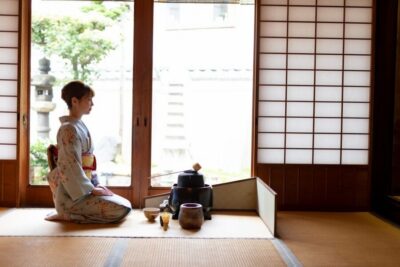
Tea Ceremony in 100-year-old Kyo-Machiya Townhouse
Read our review →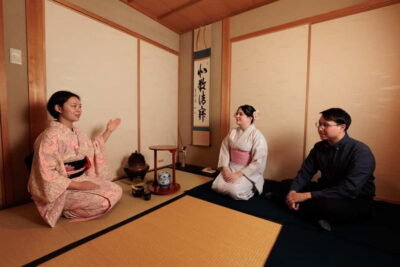
Browse the lists this tour appears in