
Reviewed · KYOTO TEA CEREMONIES
Kyoto Private Tea Ceremony with Tea Master at Home
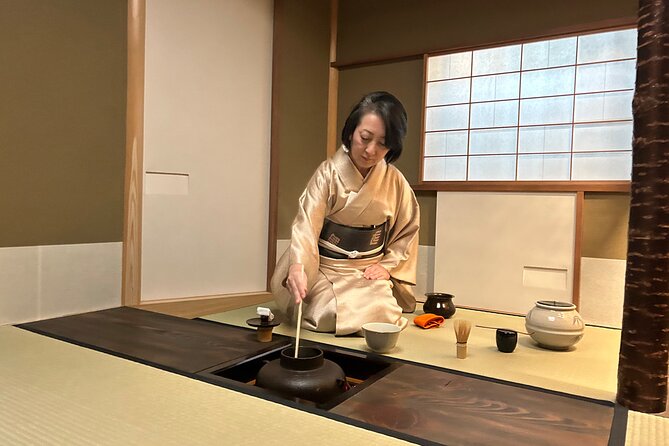
The most memorable part of this Kyoto experience is the setting: you enter a real local home near Nijo Castle, remove your shoes, and sit in a traditional tea room where Aya Ito explains the ritual one careful step at a time. I like the small private format and the chance to whisk matcha yourself, rather than simply watching a polished demonstration.
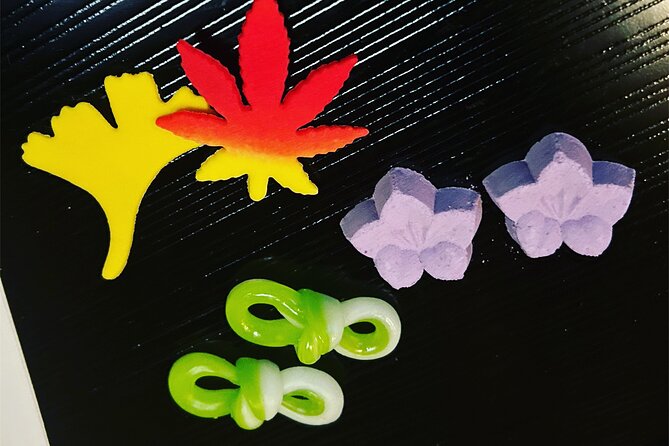
I also like the thoughtful food pairing: three seasonal wagashi from a long-established Kyoto confectioner, all gluten-free and vegan. The main consideration is that this is a quiet, etiquette-focused hour, not a kimono photo session or a large, lively cultural show. Kimono rental is not included, and children aged 13 and under cannot attend.
Key points to know before booking
- Aya Ito leads the ceremony: She is a certified tea instructor with strong English and a warm, patient teaching style.
- You visit a private home near Nijo Castle: The tea rooms, Koma and Hiroma, are designed for traditional cultural instruction.
- You prepare your own matcha: The session combines demonstration, explanation, and hands-on practice with a bamboo whisk.
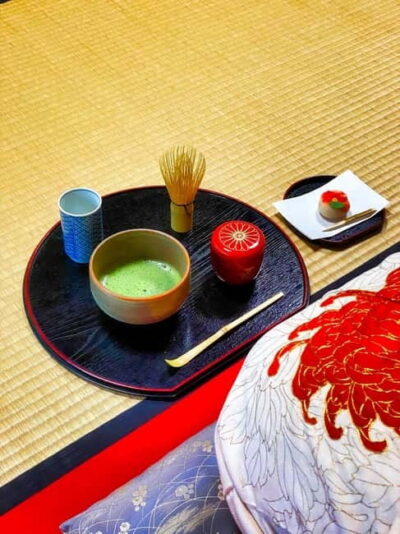
- Three seasonal wagashi are included: The sweets come from a long-established Kyoto confectioner and are vegan and gluten-free.
- You receive two bowls of Uji matcha: The tea is made from an original blend sourced from historic Uji tea gardens.
- The rules matter: Wear socks, long trousers or a long skirt, and a sleeved top. Arrive no more than 15 minutes late.
Entering a Kyoto home near Nijo Castle
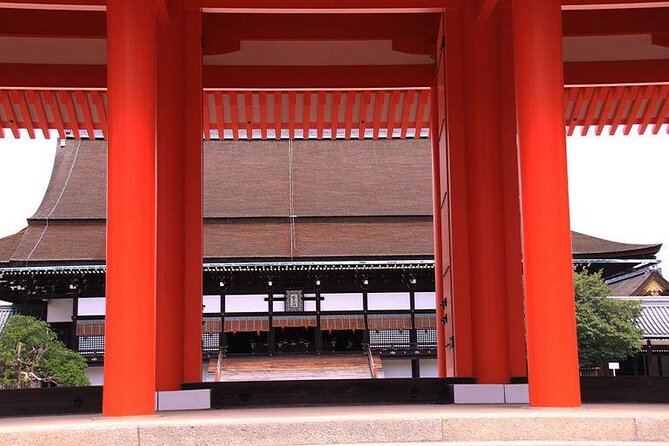
This is not a tea ceremony staged in a hotel lounge or a busy sightseeing venue. The meeting point is Sakura Experience Japanese Culture Nijo Home, at 660 Izumicho in Nakagyo Ward, a short walk from Nijo Castle and close to public transportation.
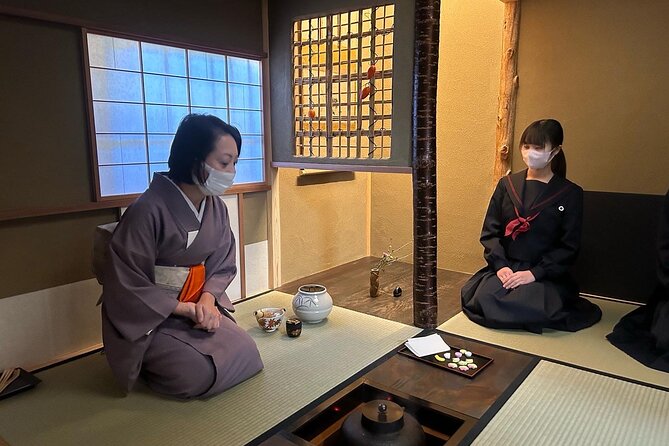
You enter a private residence and move into one of its traditional tea rooms, Koma or Hiroma. The home setting changes the tone at once. You are not being moved through a commercial attraction with several groups around you. Your own party takes part, which gives you room to ask questions and follow the movements without feeling rushed.
That privacy is the central reason to choose this experience. Japanese tea ceremony, or chanoyu, is built around attention to small details: how you enter, where you sit, how you turn a bowl, and how you receive the tea. In a large class, those details can blur. Here, Aya can adjust her explanation to your group and make the ritual easier to follow.
The location is useful for planning. You can pair the class with a visit to Nijo Castle, and one attendee described it as about a six-minute walk from Hotel Mitsui. Exact walking times depend on your hotel and route, but the area makes this a practical morning or afternoon stop rather than a difficult trip across Kyoto.
More tea ceremonies in Kyoto:
- Kyoto: Tea Ceremony in a Traditional Tea House in Kiyomizu
★ 4.9 · 3,519 reviews - Kyoto: Tea Ceremony Ju-An at Jotokuji Temple
★ 4.9 · 3,207 reviews - Kyoto: 45-Minute Tea Ceremony Lesson Experience
★ 4.3 · 2,378 reviews
The one-hour ceremony, step by step
The class lasts about one hour, so the pace is compact. You will not sit through a full formal tea gathering lasting several hours. Instead, Aya gives you a clear introduction to the spirit and etiquette of tea, demonstrates the main actions, and then lets you participate.
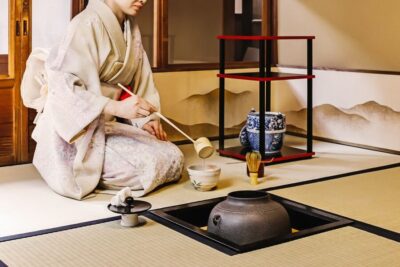
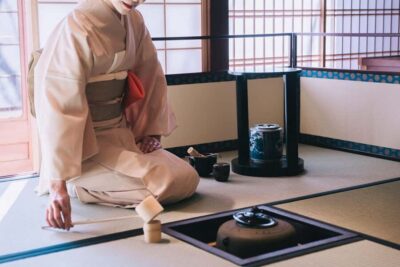
Expect the session to begin with an explanation of the room and the basic manners that shape the ceremony. The setting itself matters. Tea rooms are not plain spaces where the objects are arranged at random. The bowl, whisk, scoop, sweets, and tea are presented with care, and the host’s movements are part of the lesson.
Aya’s teaching style is especially suited to people who have never tried tea ceremony. She explains the background and procedures in English, then gently guides you through the actions. Several visitors specifically valued her patience and clear communication, including contact through WhatsApp before arrival.
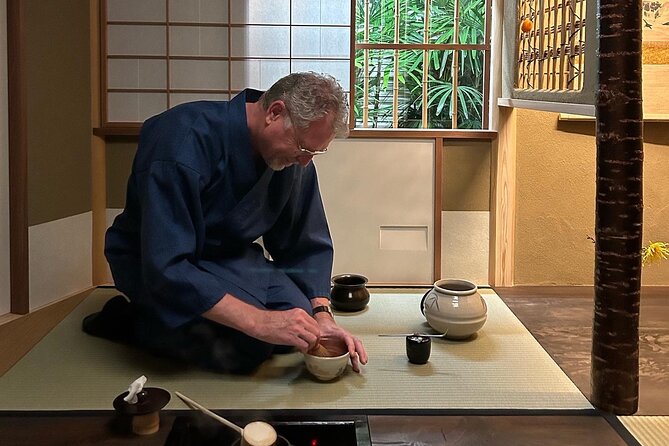
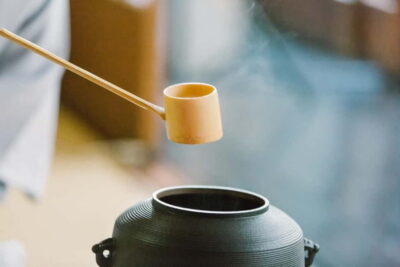
You will watch her prepare matcha in the traditional way with a bamboo whisk. This is the quiet, precise heart of the class. The whisking is simple to attempt, but the ceremony gives it meaning. You are not just making a powdered drink. You are learning why the preparation, serving, and receiving of tea are treated as a single sequence.
Then you prepare matcha yourself. The hands-on section makes the class more than a lecture. You will have a chance to handle the tools, whisk the tea, and take part in the ritual with Aya’s guidance. If you are worried about getting a movement wrong, do not be. The format is designed for instruction, not examination.
The package includes two bowls of matcha made with an original blended tea from Uji. Uji, south of Kyoto, is one of Japan’s best-known tea-growing areas, and using Uji tea adds a useful connection between the drink in front of you and the wider culture of Kyoto.
Seasonal wagashi and the rhythm of tea
Three kinds of handcrafted wagashi are served during the class. These Japanese sweets are seasonal, so the exact shapes and flavors can change. That is part of their appeal. Wagashi are made not only to taste good but also to reflect the time of year and the visual mood of the ceremony.
The sweets come from a long-established Kyoto confectioner. That detail adds substance to the food portion, which can otherwise become an afterthought in a short cultural class. You are tasting something chosen for the ceremony, not simply receiving a packaged snack.
The sweets are gluten-free and vegan, making this a useful option for people with those dietary needs. Still, you should share any other food concerns before booking, since the supplied information confirms only those two dietary qualities.
Tea ceremony traditionally balances bitter matcha with sweetness. The wagashi prepare your palate for the tea, and the contrast helps you notice the flavor of the matcha more clearly. Even if you normally find green tea too sharp, the sweets make the tasting easier.
The tea room details make the class feel personal
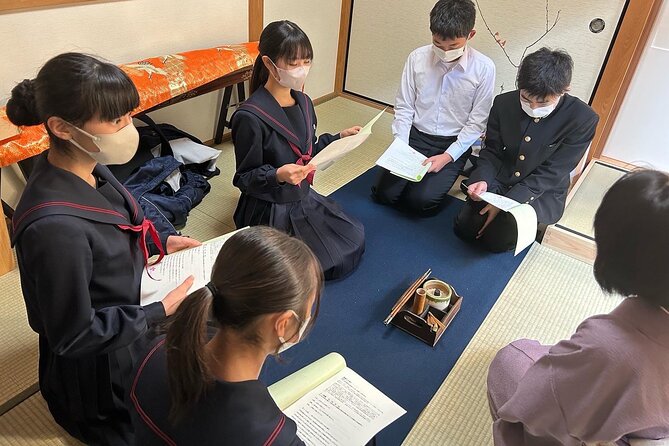
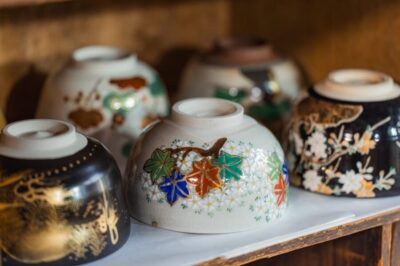
Sakura Experience Japanese Culture uses custom-made tea bowls commissioned from Kiyomizu and Raku potters. You may find that the bowl becomes one of the most interesting objects in the room, since tea ware is part of the art rather than a disposable serving tool.
The experience also connects several Kyoto crafts in one hour: pottery, confectionery, tea growing, and the formal practice of hospitality. Aya’s home provides the setting, but the ceremony depends on many forms of work that come from across the region.
Some visitors have bought a beautiful tea cup afterward as a personal reminder of the class. That is not listed as an included part of the activity, so treat it as an optional purchase rather than part of the program. The included souvenir is a concise tea ceremony booklet covering the spirit and etiquette of tea.
Photography appears to be handled helpfully. One group had photos taken by Aya’s husband during the session and received them while still at the home. This is not stated as a guaranteed inclusion, so do not book on the assumption that a photographer will always be present. Still, you can ask about photographs when you arrive.
A few more Kyoto tours worth putting on the shortlist
- PERFECT KYOTO 1-Day Bus Tour
★ 5.0 · 13,518 reviews - Kyoto: Fushimi Inari, Kinkakuji, Bamboo Grove 1 Day Bus Tour
★ 4.8 · 4,316 reviews - Kyoto Geisha Walking Tour: Gion District & Hidden Gems
★ 4.7 · 3,273 reviews - Kyoto: Gion Magical Night Walking Tour with Geisha Trivia
★ 4.9 · 2,393 reviews
Why the private format is worth $99.08
At $99.08 per person, this costs more than a basic group demonstration. The value comes from the setting and personal instruction rather than the length. You receive about an hour with a certified teacher, two bowls of Uji matcha, three seasonal sweets, hands-on preparation, and a booklet.
For a first visit to Kyoto, the private format can be worth paying for because the ceremony is easier to understand when you can ask questions as each action happens. You also avoid spending a large part of your day on transportation. The meeting point is near a major sight, and the activity ends where it begins.
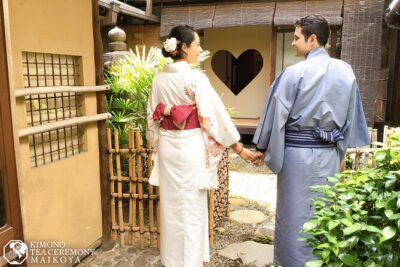
The price makes less sense if you only want to wear a kimono and take photographs. Kimono rental is not included, and the host has moved away from offering kimono sessions in favor of explaining the culture more fully. You should choose this for the tea practice itself.
It is also a good value for couples, families with older teenagers, or small groups who want one shared activity. Group discounts are available, though the exact savings depend on the booking details. Since the activity is private, your group does not have to match the pace or interests of strangers.
The experience is often booked well ahead, with an average booking time of 48 days in advance. That does not guarantee that every date sells out, but it is a useful signal for planning. If a particular day or time matters to you, reserve early.
What to wear and how to behave
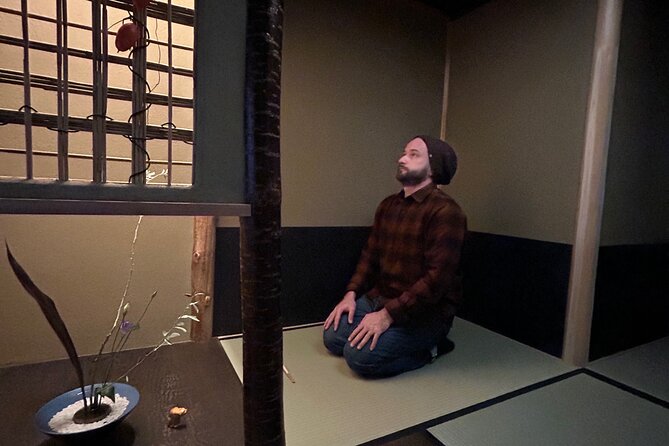
The clothing rules are practical, not fussy. Wear long trousers or a long skirt and a top with sleeves. Shorts, mini skirts, and sleeveless tops are not permitted.
You must wear socks because the tea rooms have tatami mats. Bare feet are not allowed. If you forget, socks can be purchased at the venue, but it is simpler to pack a clean pair in your day bag.
Skip perfume, including musk-based scents. Fragrance can affect the atmosphere of a small tea room and interfere with the subtle smell of tea, sweets, wood, and tatami. You may be asked to remove a strong scent before entering.
Arrive on time. Anyone more than 15 minutes late cannot take part and will not receive a refund. This rule is reasonable for a private lesson because the ceremony begins as a planned sequence, but it means you should allow extra time to find the home.
Small chairs are available if sitting on the floor is difficult. Tell the provider in advance so they can prepare one. This is a helpful detail for anyone who cannot sit comfortably on tatami for an extended period.
Who will enjoy this most
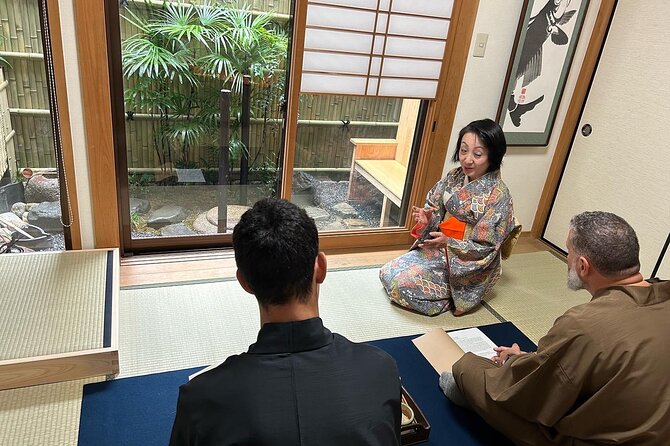
I would choose this class if you want cultural context along with a hands-on activity. It suits first-time visitors who have seen matcha on café menus but want to understand the traditional preparation and manners behind it.
It is also a good fit for anyone who prefers a calm setting. Aya’s approach is described as friendly, patient, and clear, but the experience still asks you to slow down and pay attention. If you want constant entertainment or a fast succession of photo opportunities, this may feel too restrained.
Older teenagers can attend, but children aged 13 and under are not permitted. That age rule is strict. If you arrive with a younger child without prior notice, you will not be able to participate and no refund will be given.
English speakers should find the class accessible. Aya has been praised for her excellent English and for explaining the ceremony in a way that makes sense to international visitors. The class is not limited to Japanese speakers or people who already understand tea etiquette.
People with dietary concerns may appreciate the vegan and gluten-free wagashi. Still, the activity is not presented as a full meal, so plan another meal before or after the class.
Practical booking details for your Kyoto day
The experience starts and ends at Sakura Experience Japanese Culture Nijo Home. It does not include hotel pickup or transportation, so you will need to reach the home yourself.
Mobile tickets are accepted, and confirmation is provided at booking. The activity is near public transportation, but you should still check the route from your hotel and leave time to locate the entrance.
Free cancellation is available up to 24 hours before the start time. Cancellations or changes made less than 24 hours in advance are not refunded or accepted. The cut-off follows local Kyoto time.
Plan the class alongside Nijo Castle, but do not cram it between two distant sights. A private ceremony works best when you arrive settled rather than breathless from a rushed connection. You might schedule the tea class at the start of a day in the area, then continue sightseeing nearby.
Should you book this Kyoto tea ceremony?
Book it if you want a quiet, personal introduction to tea ceremony in a real home, with clear English instruction and a chance to make matcha yourself. Aya Ito’s warmth, the handcrafted wagashi, the Uji tea, and the small setting give the hour more substance than a simple tasting.
Skip it if your main goal is a kimono rental, a long formal ceremony, or a child-friendly activity for anyone 13 or younger. For everyone else, the $99.08 price is reasonable when you value careful instruction and a cultural experience that fits neatly near Nijo Castle.
FAQ
Where does the tea ceremony take place?
It takes place at Sakura Experience Japanese Culture Nijo Home, 660 Izumicho, Nakagyo Ward, Kyoto, near Nijo Castle.
How long does the experience last?
The tea ceremony lasts approximately one hour.
Is the activity private?
Yes. Only your group takes part in the activity.
Who leads the tea ceremony?
The session is led by Aya Ito, a certified tea instructor and tea master.
Is the class taught in English?
The supplied information and participant experiences indicate that Aya speaks excellent English and explains the ceremony for international visitors.
How much matcha is included?
You receive two bowls of matcha prepared with an original blended matcha from Uji.
What food is included?
The experience includes three seasonal types of handcrafted wagashi from a long-established Kyoto confectioner.
Are the sweets suitable for vegan and gluten-free diets?
Yes. The included sweets are described as vegan and gluten-free.
Is kimono rental included?
No. Kimono rental is not included.
What should I wear?
Wear socks, long trousers or a long skirt, and a top with sleeves. Shorts, mini skirts, sleeveless tops, and bare feet are not permitted.
Newest Kyoto experiences on the site
- Treasures of Kyoto: Gion & historical Walking Tour★ 5.0 · 6 reviews
- Whisk Your Own Matcha: A Zen Matcha Experience at Temple★ 3.6 · 7 reviews
- Kyoto tea town for matcha lovers★ 5.0 · 16 reviews
- Uji: Private immersion into Kyoto’s tea and reglious culture★ 5.0 · 17 reviews
- Kyoto Matcha Green Tea Tour★ 4.5 · 23 reviews
- Uji and Wazuka Matcha Farm Half Day Private Guided Tour★ 5.0 · 21 reviews
- Utilising upcycled Matcha! Creating matcha incense (Uji, Kyoto)★ 5.0 · 6 reviews
- Sacred Temple Yoga Experience in Japan★ 5.0 · 3 reviews
Kyoto Tea Ceremonies, compared.
Tea Ceremony in a Traditional Tea House in Kiyomizu
Read our review →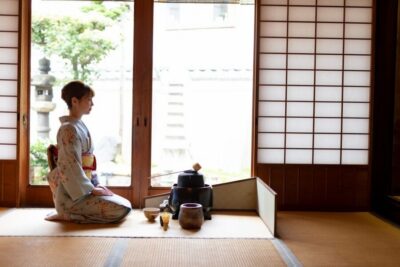
Tea Ceremony in 100-year-old Kyo-Machiya Townhouse
Read our review →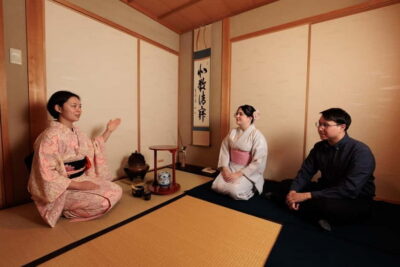
Browse the lists this tour appears in