
Reviewed · KYOTO KIMONO RENTALS
Kyoto: Tea Ceremony with Kimono and Photoshoot
Kyoto’s tea ceremony becomes far more memorable when you take part in it wearing a kimono. You’ll be dressed, shown how the ceremony works in English, prepare your own matcha, and receive three professional photos to keep. The small group, limited to 10 people, keeps the setting personal.
I like the choice of two central locations, Nishiki Market and Gion, and I like that you can walk outside in your kimono afterward. The main caution is timing: arriving more than 10 minutes late means you cannot join and will not receive a refund, while one booking had a long wait before the ceremony began.
- Choose your setting carefully: Book either the Nishiki Market or Gion location, and do not arrive at the wrong shop.
- Wear a kimono for the full experience: You choose a color, with hair accessories available for female participants.
- Learn by watching first: An English-speaking tea master explains the customs and demonstrates the ceremony before you make matcha.
- Enjoy a simple Japanese pairing: Your tea comes with traditional sweets.
- Leave with polished keepsakes: A professional photographer takes three photos during the experience.
- Plan your afternoon around the return time: Kimonos must be returned by 6:00 PM at Nishiki Market or 5:00 PM in Gion.
A Kyoto Tea Ceremony With More Than Dress-Up
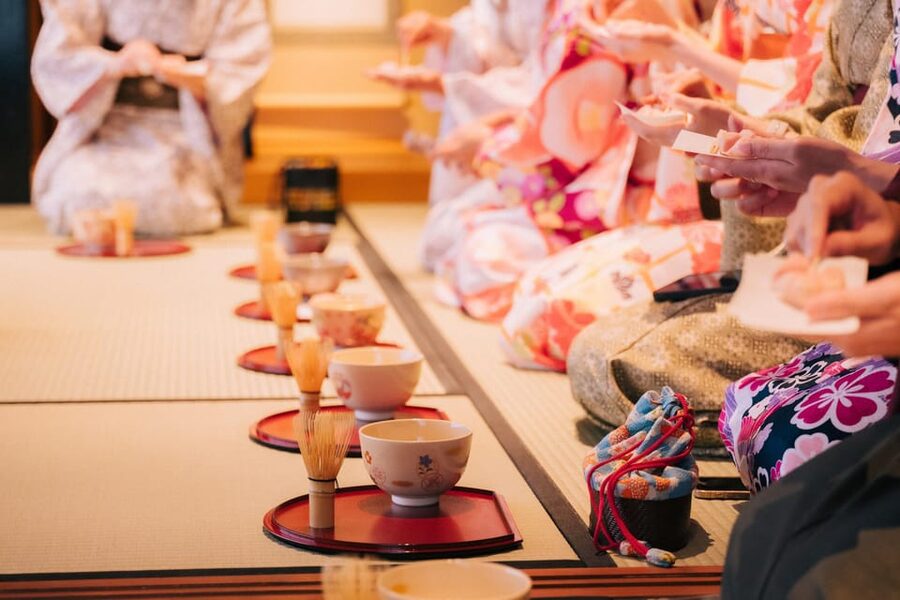
Many Kyoto kimono activities stop at clothing and photographs. This one adds a working tea ceremony, so you are not simply posing in borrowed clothes. You learn why the tea room is arranged as it is, watch the steps of preparation, and then make matcha yourself.
That difference matters. A kimono can be fun on its own, but the tea ceremony gives the clothing a setting and purpose. You get a short introduction to a formal Japanese custom, then a chance to participate without needing prior knowledge.
The experience lasts 90 minutes. That is long enough for dressing, instruction, tea, sweets, and photographs, but short enough to fit into a busy Kyoto day. You do not need to give up a full morning or afternoon.
The tone is relaxed rather than severe. The English-speaking staff guide you through each stage, and Mami is one guide specifically praised for her kind and well-informed approach. The activity is designed for beginners, not tea specialists.
Choosing Between Nishiki Market and Gion
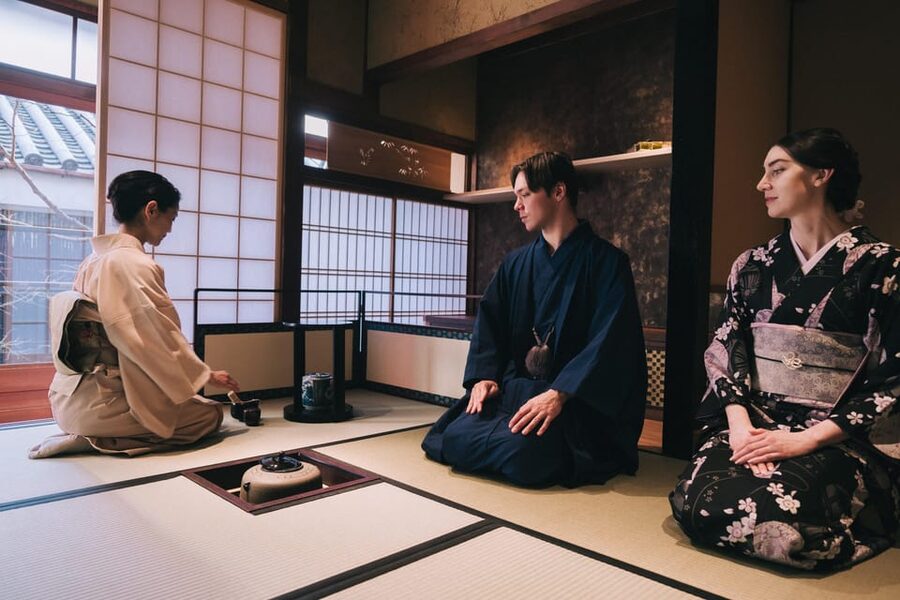
You have two locations: Nishiki Market and Gion. The booking option matters, since you cannot simply turn up at the other shop if you select the wrong one.
Nishiki Market is the better choice if you want to pair the activity with food browsing and central Kyoto sightseeing. Its later kimono return time, 6:00 PM, also gives you more room for a stroll afterward.
Gion offers the stronger setting for a traditional Kyoto day, with its old streets and tea-house atmosphere. The trade-off is practical: you must return the kimono by 5:00 PM.
The exact meeting point depends on the option you book, so check your confirmation before setting out. Do not rely on a general map pin or assume both locations are interchangeable.
More tea ceremonies in Kyoto:
- Kyoto: Tea Ceremony in a Traditional Tea House in Kiyomizu
★ 4.9 · 3,519 reviews - Kyoto: Tea Ceremony Ju-An at Jotokuji Temple
★ 4.9 · 3,207 reviews - Kyoto: 45-Minute Tea Ceremony Lesson Experience
★ 4.3 · 2,378 reviews
Getting Dressed in a Kimono
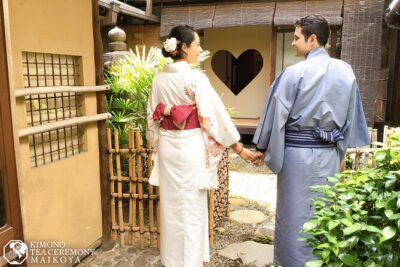
The experience begins when you meet at the selected shop and change into a kimono. Staff prepare the garments in advance, so you need to provide each participant’s height and gender before the visit.
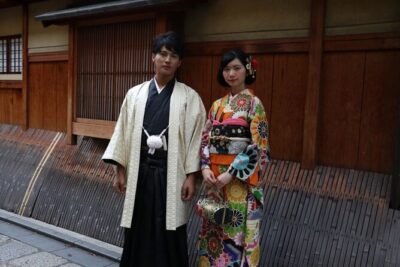
You can choose the kimono color. Female participants may also choose hair accessories, adding a personal touch to the outfit. The dressing process is handled by the staff, which is useful if you have never worn a kimono before.
Expect the clothing to feel structured and fitted. This is not casual sightseeing wear, and the rules reflect that. Shoes are not allowed indoors, and smoking is not allowed during the activity.
The dressing itself is part of the appeal, but it also takes time. If you have a tight schedule, remember that the 90-minute duration includes the transition into the kimono, not only the tea ceremony.
One practical point is worth stressing: tell the provider about food allergies in advance. The activity includes matcha and Japanese sweets, so staff need this information before your visit.
Watching the Ceremony in English
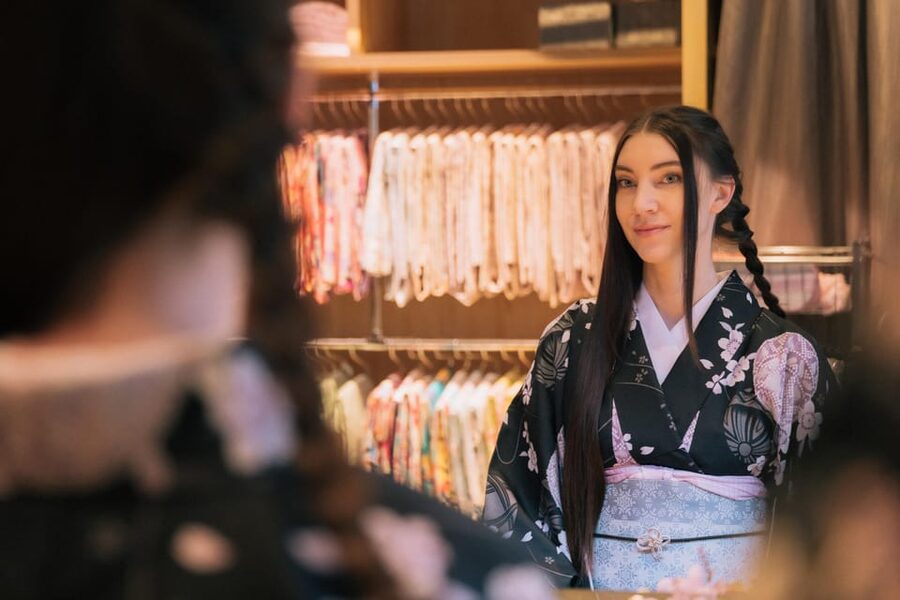
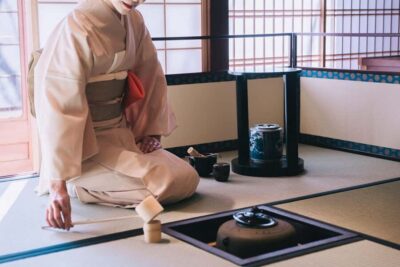
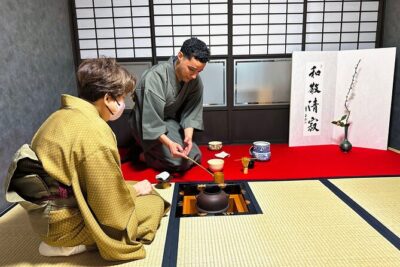
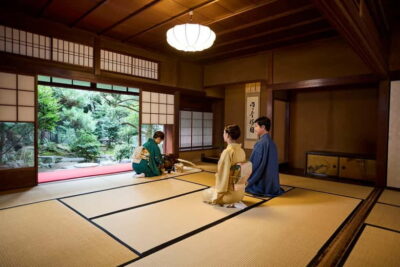
Once dressed, you enter the tea room and watch a demonstration. The tea master explains the ceremony in English, including the meaning behind the actions and the way the tea is prepared.
This is where the activity gains cultural value. You are not expected to know when to bow, how to handle the bowl, or how to approach the tea. The demonstration gives you a clear model before you try it yourself.
The ceremony includes cleansing and blessing the tea, according to one detailed account of the experience. These gestures can seem small when you first watch them, but the explanation helps you see that the ceremony is built around care, order, and respect.
The instruction is aimed at curious first-time participants. You can ask questions, follow the steps, and enjoy the quiet rhythm without treating the ceremony like a test.
The setting is still a group activity, with up to 10 participants. That is small enough to keep the session manageable, though it is not a private ceremony for two. If you want complete silence or a highly formal school of tea, this may feel more introductory than traditional.
Making Matcha and Eating Japanese Sweets
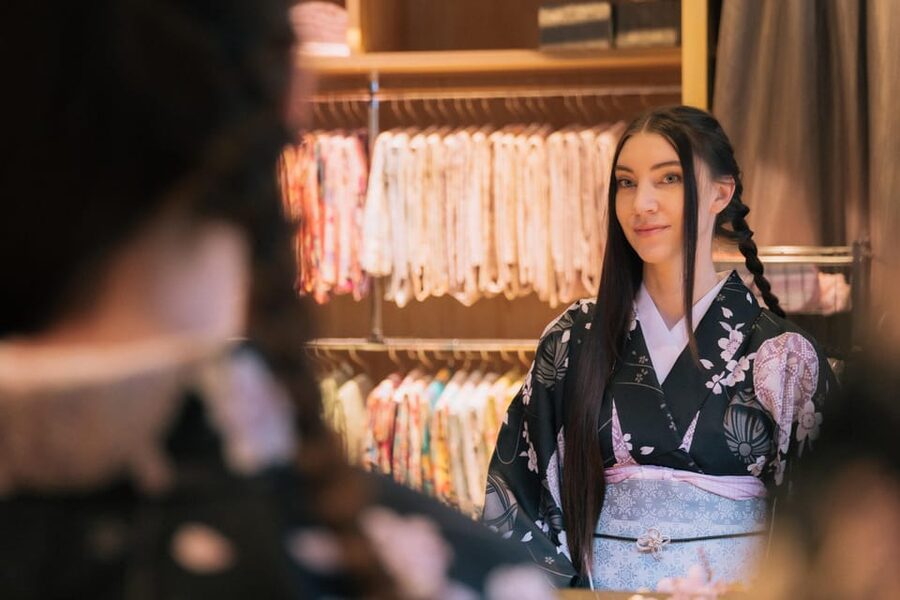
After watching the tea master, you prepare your own matcha. This hands-on part makes the activity more satisfying than a demonstration alone.
You get to handle the tea-making process and then drink what you have prepared with Japanese sweets. The pairing gives you a simple way to take part in the ceremony’s hospitality.
Matcha has a distinct taste, and it is not sweet like a café latte. The sweets help balance it, while also showing how the tea is traditionally enjoyed.
This is a short cultural lesson rather than a full tea-school apprenticeship. You will learn the basic sequence and meaning of the activity, but the 90-minute format does not promise advanced technique.
I like this balance. You leave with a real memory of participating, not just watching a staff member perform. At the same time, the experience stays approachable for people who want an introduction rather than a serious study of tea.
More kimono and yukata rentals in Kyoto:
- Kimono Tea Ceremony at Kyoto Maikoya, NISHIKI
★ 5.0 · 911 reviews - Kyoto: Kimono Rental with Hairstyling and Accessories
★ 4.8 · 653 reviews - Kyoto: Kimono Tea Ceremony at Orizuruya Gion
★ 4.9 · 618 reviews - KYOTO Tea Ceremony with kimono near by Imamiya Jinjya Shrine
★ 5.0 · 343 reviews
The Photo Session and Your Time Outside
A professional photographer takes photos during the experience, and you receive three images as a memento. The photographs are more polished than quick snapshots from a phone, which helps justify part of the cost.
You also have time to take your own pictures. One detailed account notes that there was a waiting area where participants could photograph one another, followed by professional pictures during the kimono experience.
After the ceremony, you may stroll outside in the kimono and enjoy Kyoto’s atmosphere. This is a useful extra, especially if you want photos beyond the tea room.
The return deadlines shape how much time you have. At Nishiki Market, return the kimono by 6:00 PM. At Gion, return it by 5:00 PM. You must bring it back to the correct shop on the same day.
Do not plan a long, open-ended walk in the kimono. The activity gives you permission to go outside, but the return time is firm. A short walk and a few photos are realistic; a full afternoon of sightseeing may not be.
What the $127 Price Covers
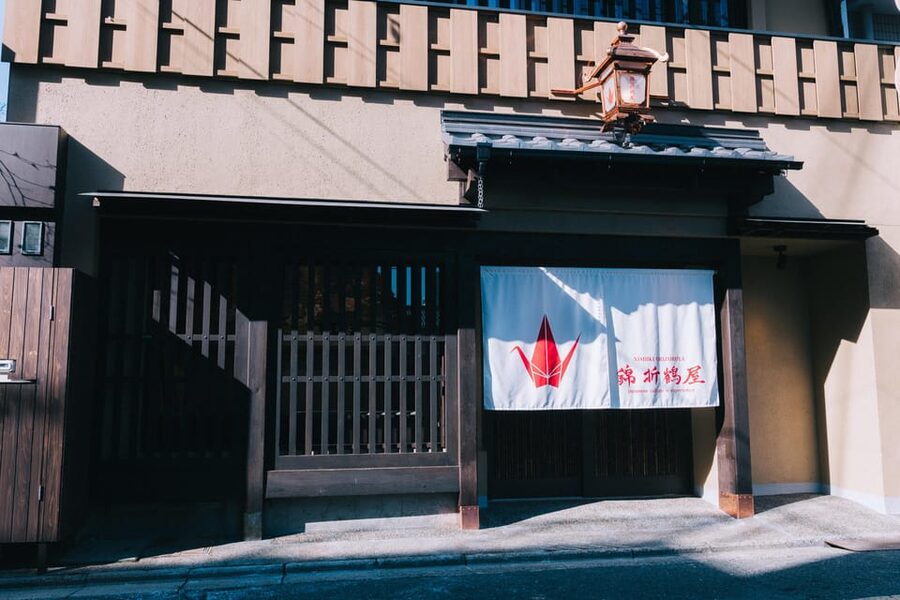
At $127 per person, this is not a cheap costume rental. You are paying for several services in one package: kimono dressing, the tea ceremony demonstration in English, matcha, sweets, and three professional photographs.
The value depends on what you want from Kyoto. If you only want to wear a kimono for quick snapshots, a dress-up shop may cost less or offer more time with the outfit. If you want clothing plus cultural instruction and photographs, this package brings the pieces together in one 90-minute visit.
The English explanation adds real value for visitors who cannot follow a Japanese ceremony on their own. You are not left to copy movements without context.
The professional photos also matter. You receive three finished images rather than relying entirely on self-timer shots, though the number is limited. If you are booking for a group, check how the photos will be shared among participants.
The experience has received a 4.9 rating from 90 reviews, with repeated praise for the staff’s kindness, careful dressing, cultural explanations, and quality of the photos. That pattern suggests the strongest part is the complete service, from arrival through the final pictures.
Timing, Waiting, and the Ten-Minute Rule
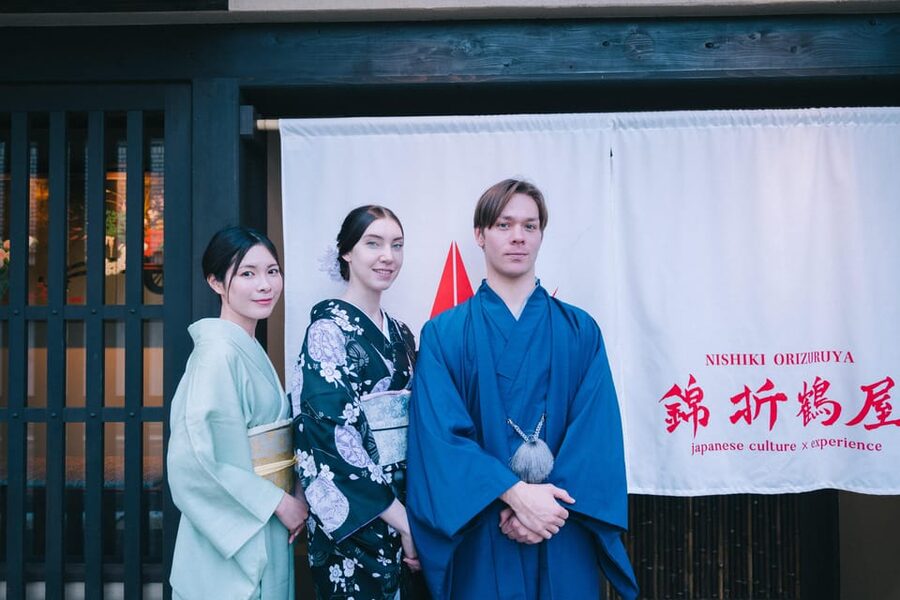
Treat your starting time as firm. If you arrive more than 10 minutes late, you cannot join and there is no refund.
This rule makes sense because the dressing and ceremony are arranged as a group, but it leaves little room for confusion. Check the correct location before leaving, allow time to find the shop, and arrive early enough to remove your shoes and settle in.
One participant arrived five minutes before a 2:00 PM booking but waited until 3:00 PM for the ceremony to begin. That suggests the advertised start may include check-in, a short survey, dressing, or group preparation before you enter the tea room.
Do not book this for a tight connection or a fixed restaurant reservation immediately afterward. Most of the visit may run smoothly, but the reported wait shows that the ceremony does not always begin the moment you arrive.
The reserve-now, pay-later option can help if your Kyoto schedule is still changing. You can cancel up to 24 hours before the activity for a full refund. That flexibility does not apply to a late arrival.
Who Will Enjoy This Most
I would recommend this experience to first-time visitors who want a clear introduction to Japanese tea culture without committing to a long formal ceremony.
It suits couples, friends, solo visitors, and small families with children aged five and over. The photo session makes it especially appealing if you want a shared souvenir rather than another set of phone pictures.
It is also a good choice for anyone who feels unsure about kimono etiquette. Staff handle the dressing, explain the ceremony in English, and guide you through the matcha preparation.
You should think twice if you need wheelchair access, since the activity is not suitable for wheelchair users. It is also not possible to book only the tea ceremony or only the kimono dressing. The full package is required.
The activity may be less suitable if you dislike group sessions, formal clothing, or fixed return times. You are also likely to get more from it if you are willing to listen to the explanations instead of treating the visit as a costume photo stop.
Practical Tips for a Smoother Visit
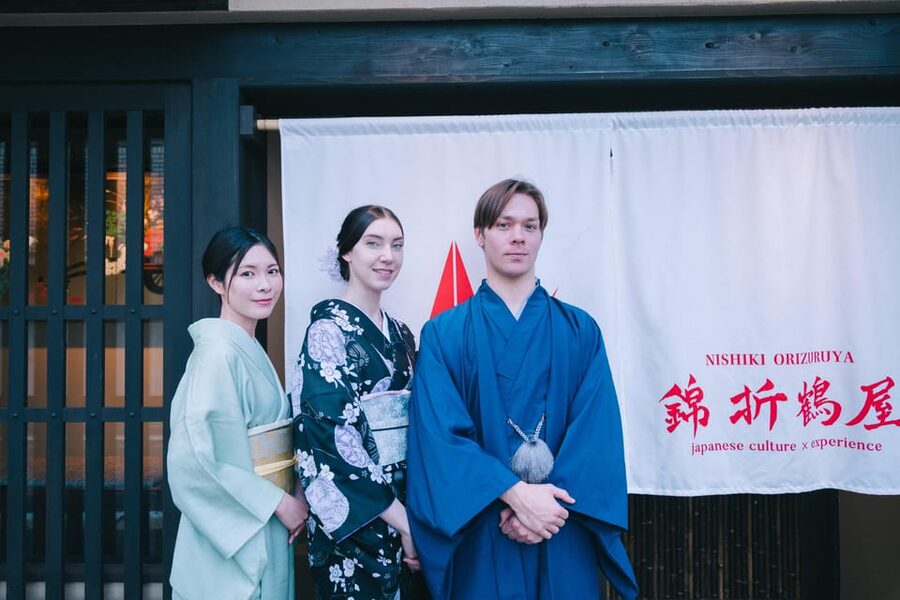
- Send the required height and gender details for everyone in your party before arrival.
- Select the correct location at booking, either Nishiki Market or Gion.
- Arrive early, since the ten-minute late rule is strict.
- Tell staff about food allergies in advance.
- Wear shoes that are easy to remove, since shoes are not allowed indoors.
- Leave space in your schedule in case the ceremony begins later than expected.
- Keep the kimono return deadline in mind: 6:00 PM at Nishiki Market and 5:00 PM at Gion.
- Ask how and when the three photos will be delivered before you leave if you need them for a same-day plan.
Should You Book This Kyoto Tea Ceremony?
Book it if you want a polished introduction to kimono culture and tea ceremony customs in one compact activity. The English instruction, hands-on matcha preparation, sweets, and three professional photos give you more than a basic dress-up session.
The price is fair for the number of services included, though it will feel high if your only goal is to rent a kimono and walk around Kyoto. Choose Nishiki Market for the later return time, or Gion if its setting fits your sightseeing plans better.
I would make this booking for a first visit, a special occasion, or anyone who wants a meaningful Kyoto souvenir without spending half a day at a formal tea school. Arrive early, choose the location carefully, and allow extra time after the appointment. That turns a potentially rushed outing into a pleasant cultural experience.
FAQ
How long does the Kyoto tea ceremony experience last?
The activity lasts 90 minutes.
What locations are available?
You can choose between a Nishiki Market location and a Gion location. The meeting point varies according to the option booked.
Is the tea ceremony explained in English?
Yes. The tea ceremony demonstration and instruction are provided in English.
Do I make my own matcha?
Yes. After watching the demonstration, you make your own matcha green tea and enjoy it with Japanese sweets.
Is kimono dressing included?
Yes. Kimono dressing is included, and you should provide the height and gender of all participants in advance so the garments can be prepared.
Can I choose the kimono color?
Yes. The experience information states that you can choose the color of the kimono. Female participants can also choose hair accessories.
How many professional photos do I receive?
You receive three photos taken by a professional photographer.
Can I walk outside in the kimono?
Yes. After the tea ceremony, you may stroll outside in the kimono, but you must return it to the correct shop on the same day.
What time must I return the kimono?
The return deadline is 6:00 PM for the Nishiki Market location and 5:00 PM for the Gion location.
What happens if I arrive late?
If you arrive more than 10 minutes after the starting time, you cannot join the activity and no refund is available.
Can I book only the tea ceremony or only kimono dressing?
No. The experience is offered as a combined kimono and tea ceremony activity.
Is the activity suitable for children and wheelchair users?
Children under five are not permitted, and the activity is not suitable for wheelchair users.
More Photoshoots in Kyoto
- Kyoto: Maiko Makeover and Photoshoot Experience
★ 4.7 · 239 reviews - Kyoto: Private Photoshoot Service
★ 5.0 · 158 reviews - Your Private Vacation Photography Session In Kyoto
★ 5.0 · 110 reviews - Kyoto: Private Gion District Photoshoot Experience
★ 5.0 · 79 reviews
Newest Kyoto experiences on the site
- Treasures of Kyoto: Gion & historical Walking Tour★ 5.0 · 6 reviews
- Whisk Your Own Matcha: A Zen Matcha Experience at Temple★ 3.6 · 7 reviews
- Kyoto tea town for matcha lovers★ 5.0 · 16 reviews
- Uji: Private immersion into Kyoto’s tea and reglious culture★ 5.0 · 17 reviews
- Kyoto Matcha Green Tea Tour★ 4.5 · 23 reviews
- Uji and Wazuka Matcha Farm Half Day Private Guided Tour★ 5.0 · 21 reviews
- Utilising upcycled Matcha! Creating matcha incense (Uji, Kyoto)★ 5.0 · 6 reviews
- Sacred Temple Yoga Experience in Japan★ 5.0 · 3 reviews
Kyoto Kimono Rentals, compared.
KYOTO Tea Ceremony with kimono near by Imamiya Jinjya Shrine
Read our review →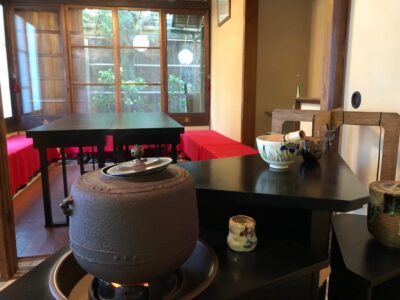
Kimono and Tea Ceremony Experience at Cultural Asset
Read our review →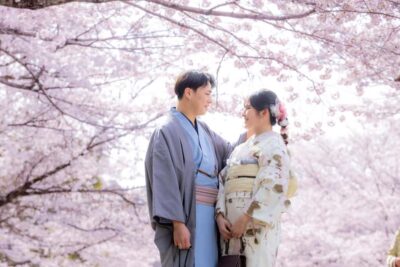
Family-Friendly Kimono & Yukata Experience at WARGO
Read our review →
1 Day Traditional Japanese Kimono Rental Experience
Read our review →Browse the lists this tour appears in