
Reviewed · KYOTO TEA CEREMONIES
Kyoto: Tea Ceremony Experience
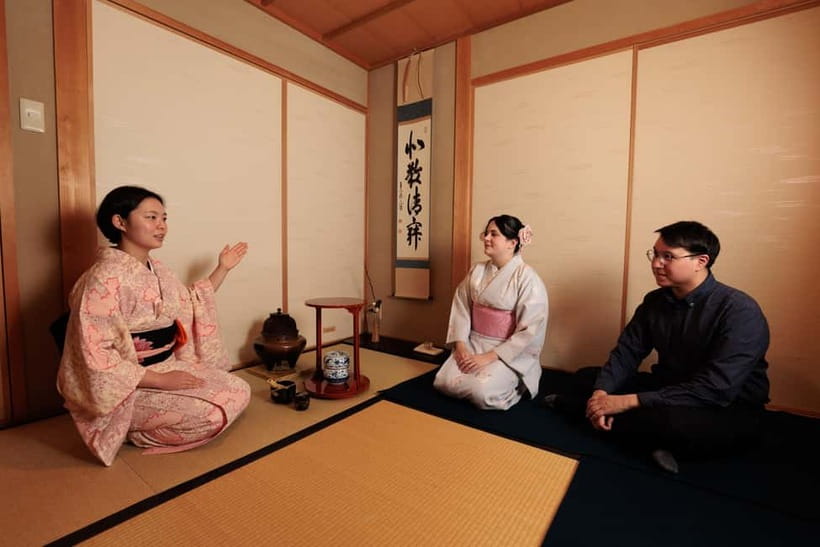
A Kyoto tea ceremony is less about drinking a cup of green tea than learning how much thought can fit into a small room. In 45 minutes, your English-speaking host explains the utensils, seasonal sweet, room layout, and careful movements before helping you make your own frothy bowl of matcha.
I like the hands-on finish, since you do not just watch a polished performance. I also like the setting in a traditional machiya near Ninenzaka, where a calm tea room gives you a welcome pause from Higashiyama’s crowded lanes. The main drawback is sitting on the floor for much of the session, although chairs and tables are available if needed.
Key points to know before booking
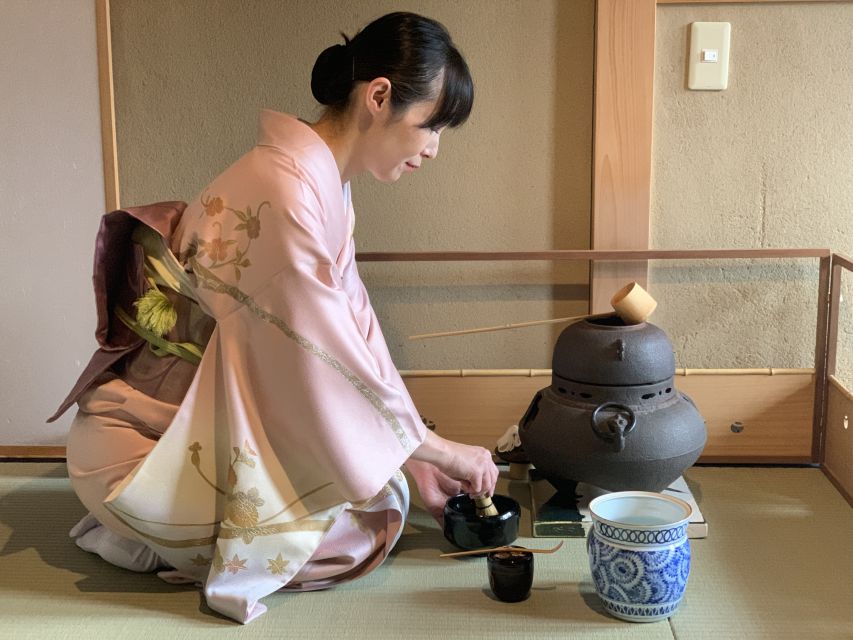
- You make your own bowl of matcha: The host guides you as you whisk the tea into a foamy drink.
- The demonstration is the heart of the session: Watch the precise preparation before trying part of the process yourself.
- Seasonal sweets balance the bitter tea: A traditional Japanese sweet is served with the matcha.
- The location is excellent for sightseeing: Ninenzaka, Kiyomizu-dera, Gion, and several major temples are close by.
- English instruction is clear and welcoming: Hosts such as Ikuko explain the ceremony in an approachable way.
- The experience is short but focused: Forty-five minutes gives you a useful introduction, not full training as a tea master.
A quiet tea room beside Kyoto’s busiest sights
The experience takes place at a traditional machiya in Kyoto’s Higashiyama district, close to the famous stone lanes of Ninenzaka. The building offers a sharp change of pace from the area outside. Step off the main route, enter the tea room, and the noise of souvenir shops and sightseeing groups quickly fades.
The meeting point is down an alley branching from Ninenzaka. The simplest landmark is the Park Hyatt hotel. Across from it is a Studio Ghibli shop, and the alley is just to the left of that store. Look for a sign or staff member at the entrance. The narrow lane can be easy to miss, so allow a few extra minutes rather than arriving at the last second.
The tea rooms are upstairs. The Garden Teahouse is wheelchair accessible, which matters if stairs are a concern. If you have trouble sitting on the floor, chairs and tables can be provided. This is not a ceremony where you are expected to endure discomfort in silence. The staff encourages you to make yourself comfortable.
The setting works especially well as part of a day in Higashiyama. You can visit Kiyomizu-dera, Kodai-ji, Yasaka-jinja, Maruyama Park, Chion-in, and Gion before or after the tea ceremony. The city center is about a 25-minute walk through Gion, while buses run along Higashi Oji, roughly 10 minutes from the teahouse.
More tea ceremonies in Kyoto:
- Kyoto: Tea Ceremony in a Traditional Tea House in Kiyomizu
★ 4.9 · 3,519 reviews - Kyoto: Tea Ceremony Ju-An at Jotokuji Temple
★ 4.9 · 3,207 reviews - Kyoto: 45-Minute Tea Ceremony Lesson Experience
★ 4.3 · 2,378 reviews
What happens during the 45-minute session
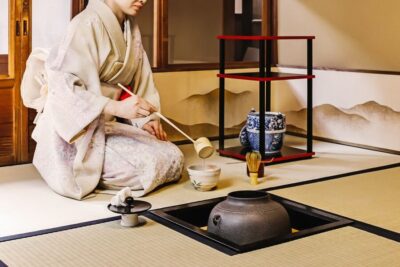
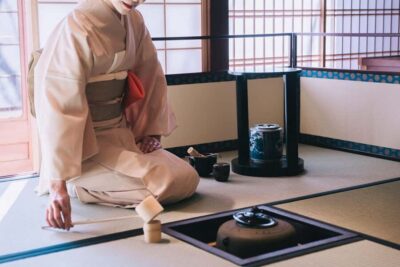
The experience begins with an introduction to matcha and the tea ceremony. Your host explains the tools used to prepare the tea and gives you the basic sequence of events. You also learn why the room is arranged as it is and how decoration, season, and simplicity fit into the ceremony.
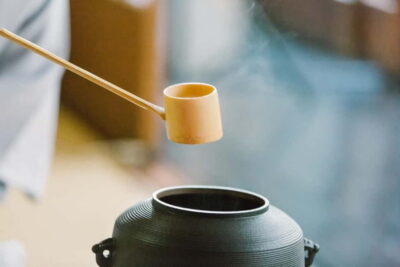
This introduction is useful because the ritual can look mysterious if you only watch it from the outside. The host gives you enough background to understand why a bowl, scoop, whisk, cloth, and tea container each have a place. You are not simply watching someone prepare green tea. You are learning how the objects, movements, and room work together.
The explanation also covers Japanese tea ceremony traditions and the three main schools. You can ask about matcha, Japanese culture, or the meaning behind particular gestures. Guides such as Ikuko have been praised for explaining each step clearly and answering questions with patience. English is the working language, and the instruction is designed for beginners.
Next comes the demonstration. The host prepares matcha in the formal style, using controlled movements and a quiet rhythm. The demonstration lasts around 10 minutes according to the experience details provided by one participant, though the exact timing can vary.
This is the most peaceful part of the session. Pay attention to the small actions: how the utensils are handled, how the tea is whisked, and how the bowl is presented. The ceremony looks simple until you notice the precision behind it.
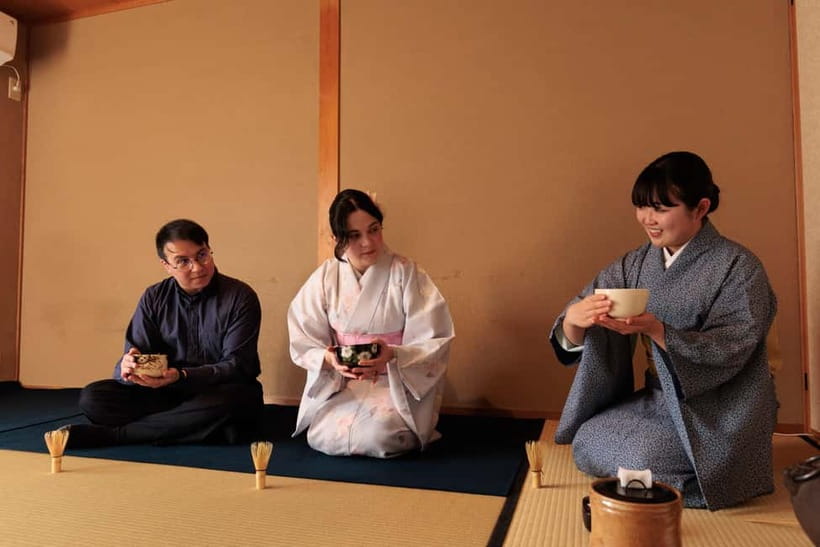
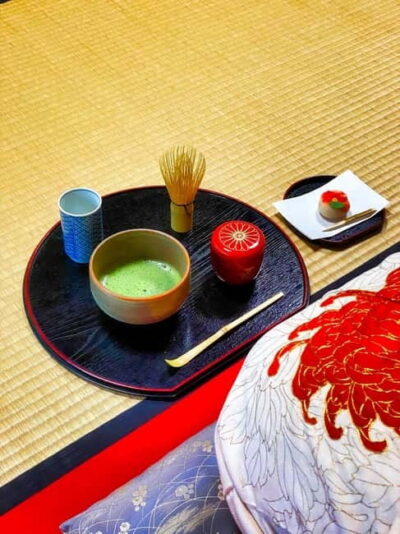
You receive a traditional seasonal sweet with the tea. Its sweetness helps balance matcha’s earthy, bitter flavor. If this is your first taste of matcha, do not expect a sugary café drink. The flavor is grassy and slightly bitter, and the sweet gives your palate a useful contrast.
After watching, you prepare your own bowl. The host supplies the matcha and utensils, then shows you how to whisk the powder with hot water. You will not master the full formal ceremony in 45 minutes, and that is an important point. This is a practical introduction to making matcha, not a complete course in every movement and rule.
Still, the hands-on portion gives the session real value. You feel the whisk in your hand, learn how much effort creates foam, and drink something you prepared yourself. The host steps in when needed, so you are not left wondering why your tea looks flat or too thin.
Why the ceremony feels different from a tea tasting
A standard tea tasting usually focuses on flavor. Here, flavor is only one part of the experience. The ceremony also teaches attention, hospitality, order, and respect for the person sharing the tea.
The room itself is part of the lesson. The layout and decoration are not random background details. Your host explains how the space supports the ceremony and why seasonal elements matter. That context helps you understand why the ritual has lasted for centuries without reducing it to a photo opportunity.
The pace is another attraction. Kyoto sightseeing can be noisy and tiring, especially around Kiyomizu-dera and Ninenzaka. Sitting quietly while someone prepares tea gives you a short reset. I like this contrast: outside, you are navigating a popular sightseeing district; inside, the focus narrows to a bowl, a whisk, and a few careful movements.
The experience is informal enough for questions. You do not need prior knowledge of tea ceremony etiquette, and you are not expected to perform the entire ritual correctly. That makes it a good choice if you want cultural context without committing to a longer formal lesson.
Matcha, sweets, and the value of making it yourself
The price is $32 per person. For Kyoto, that is a reasonable cost for a 45-minute activity that includes an English-speaking instructor, matcha, seasonal sweets, and use of the tea-making utensils.
The value depends on what you want. If you only want to taste matcha, you can find cheaper drinks in Kyoto. If you want a full formal tea ceremony in kimono with an extended lesson, this session may feel brief. At $32, its strength is the balance between price, location, explanation, demonstration, and participation.
The chance to make your own tea is particularly important. Watching a professional perform the ritual is beautiful, but it leaves you as an observer. Here, you take part in the final stage. The host helps you produce a bowl that is drinkable and foamy, even if your movements are not yet polished.
Matcha can taste strongly bitter the first time. The seasonal sweet is not an extra decoration. It helps you understand how the tea is traditionally enjoyed. Try the sweet first, then take a sip of matcha, and you will notice how the flavors work together.
Some participants also buy a matcha-making set from the small shop after the session. That purchase is optional, but it can be a useful souvenir if you want to repeat the process at home. The included utensils are for the experience, not necessarily yours to take away.
A few more Kyoto tours worth putting on the shortlist
- PERFECT KYOTO 1-Day Bus Tour
★ 5.0 · 13,518 reviews - Kyoto: Fushimi Inari, Kinkakuji, Bamboo Grove 1 Day Bus Tour
★ 4.8 · 4,316 reviews - Kyoto Geisha Walking Tour: Gion District & Hidden Gems
★ 4.7 · 3,273 reviews - Kyoto: Gion Magical Night Walking Tour with Geisha Trivia
★ 4.9 · 2,393 reviews
Sitting on the floor and other practical details
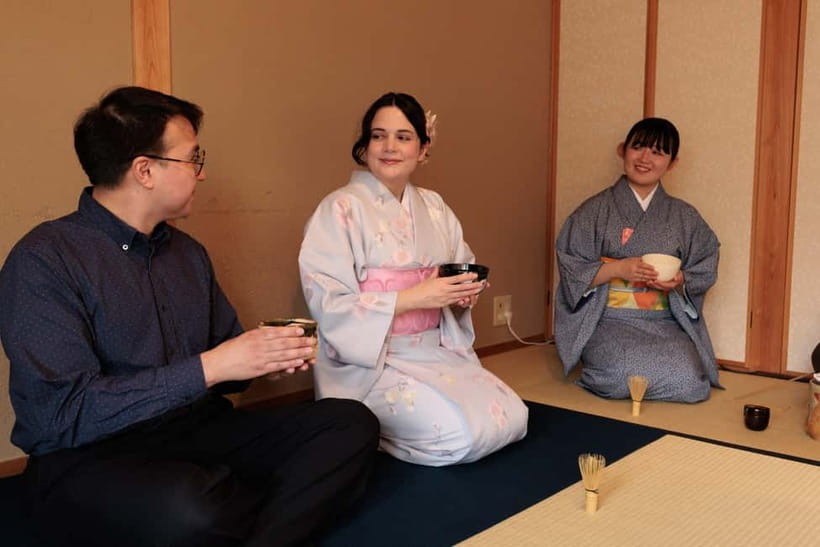
Traditional tea rooms often use floor seating, and you may sit this way for much of the session. One person found the floor uncomfortable after about 40 minutes, especially around the knees and lower body. You do not have to sit in a formal kneeling position. The hosts understand that visitors have different mobility needs and encourage you to adjust your position.
Chairs and tables are available for anyone who finds floor seating difficult. If you need a wheelchair-accessible room, request the Garden Teahouse. The main tea rooms are upstairs, so check this point before booking if stairs are a problem.
Still photography without flash is permitted. Video recording is not allowed. This is a sensible rule for a ceremony built around concentration and quiet movement, so keep your phone ready for a few still photos but do not plan to film the demonstration.
Restrooms are available. Wi-Fi and refreshments are available in the waiting room for accompanying guides. If you plan to bring an interpreter, book a private ceremony so the interpreting does not interrupt a shared session.
Families with a baby or infant under three should book a private ceremony at the Garden Teahouse. This is also the better option if you need more flexibility, want to ask many questions, or prefer a session arranged around your own group.
Small groups, private sessions, and kimono plans
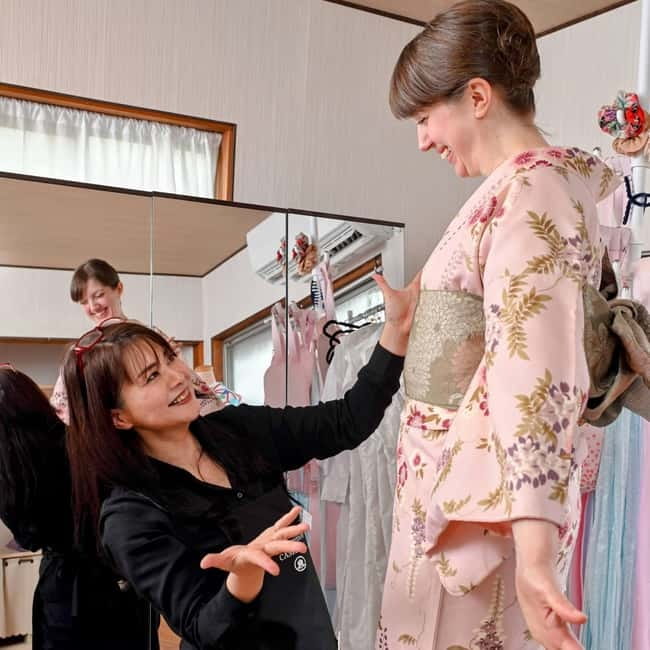
Private and small-group options are available. A small group keeps the price reasonable while still allowing time for questions. A private ceremony gives you more control over the pace and is the better choice if you are bringing an interpreter, a young child, or a relative who needs special arrangements.
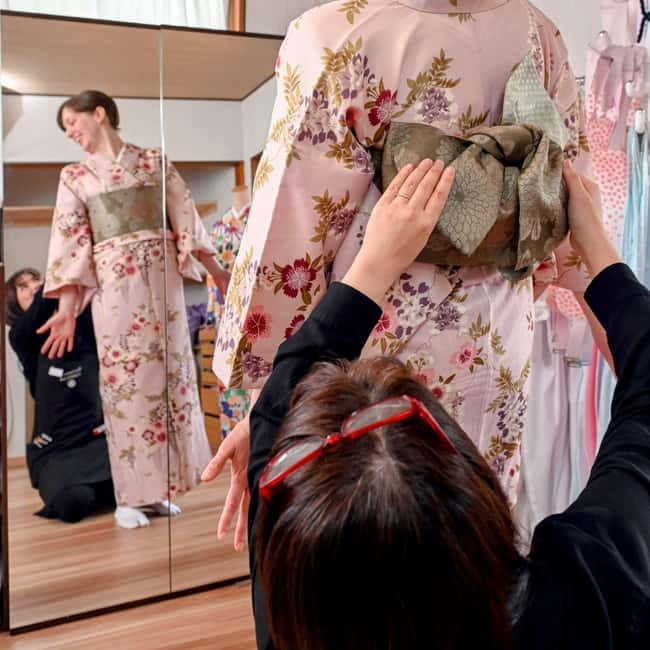
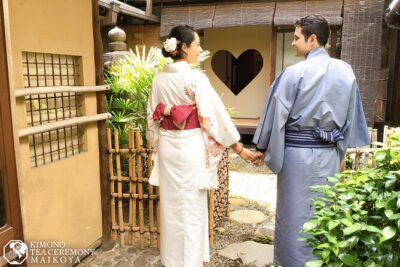
The tea ceremony itself does not include kimono rental. A kimono shop is nearby, and some people choose to dress up before the ceremony. If you want to do this, arrange the rental first and allow enough time for dressing and walking to the tea room. Do not assume you can add it casually at the door.
A kimono can make the occasion feel more special, especially if you are already planning photographs around Higashiyama. It is not needed to appreciate the tea ceremony, though. The cultural explanation, demonstration, and hands-on matcha preparation remain the main event.
If you are visiting alone, the activity still works well. The hosts can take photographs in some circumstances, and the setting is intimate rather than dependent on having a large group. If you are traveling with family, the 45-minute length is manageable and gives children a clear task at the end.
How to fit it into a Higashiyama day
The best plan is to combine the ceremony with nearby sights instead of crossing Kyoto solely for a 45-minute appointment. Start at Kiyomizu-dera, walk down through the shopping streets, and continue toward Ninenzaka. The tea room is a short walk from the temple area, and the ceremony gives you a quiet break before continuing toward Kodai-ji or Gion.
Morning and late afternoon can both work, depending on the available start times. A tea ceremony after a temple visit gives you a place to sit and absorb what you have seen. Before dinner in Gion, it offers a calm cultural stop without taking up half the day.
Allow extra time to find the alley. The location is clearly described, but Ninenzaka has plenty of shops, crowds, and visual distractions. Use the Park Hyatt and Studio Ghibli store as your landmarks, then look to the left of the store for the entrance.
The city center is reachable by bus from Higashi Oji or on foot through Gion. Still, I would not schedule a tight connection immediately afterward. The session is short, but finding the building, changing plans, or lingering over questions can add time.
Who will get the most from this experience
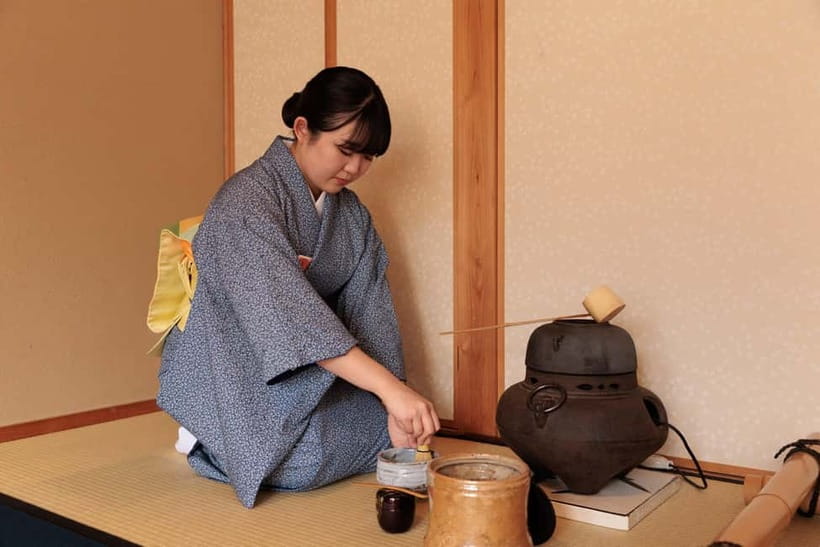
This is a strong choice for a first visit to Japan, especially if you want cultural background explained in English. You get a practical introduction to matcha, a demonstration of the ceremony, and a chance to participate without needing to know the etiquette in advance.
Tea lovers will appreciate the care given to preparation and presentation. People who are curious about Japanese customs but unsure about attending a highly formal ceremony will find this format approachable.
It also suits anyone building a day around Higashiyama. The location saves travel time, and the short length leaves room for temples, shopping, meals, and Gion afterward.
You may want a different activity if your main goal is to learn the full tea ceremony sequence. As one participant correctly noted, the complete ceremony is too intricate to teach in a one-hour-style visit. This experience shows you the ceremony and teaches you to prepare matcha, but it does not train you as a tea master.
Should you book the Camellia Tea Ceremony?
Book it if you want a clear, calm introduction to Kyoto’s tea culture with a hands-on finish. The $32 price is fair for the setting, English instruction, seasonal sweet, demonstration, and chance to whisk your own tea.
I would especially recommend it during a busy Higashiyama day, when 45 quiet minutes can feel like a luxury. Choose a private session if you need an interpreter, are bringing a child under three, or want more room for personal questions.
Skip it only if you dislike floor seating and do not want to request a chair, or if you are seeking an advanced, full-length tea ceremony lesson. For most first-time visitors, this is a focused way to understand matcha without surrendering an entire afternoon.
FAQ
How long does the Kyoto tea ceremony experience last?
The experience lasts 45 minutes.
How much does the tea ceremony cost?
The listed price is $32 per person.
Is the experience conducted in English?
Yes. The instructor and host provide the experience in English.
What is included?
Matcha, traditional seasonal sweets, tea-making utensils, and a personal instructor or host are included.
Is kimono rental included?
No. Kimono rental is not included, though a nearby kimono rental shop is available.
Where is the meeting point?
The experience is in a traditional machiya in Kyoto’s Higashiyama district, down an alley branching from Ninenzaka. The alley is just to the left of the Studio Ghibli store opposite the Park Hyatt hotel.
Can I take photographs?
Yes. Still photography without flash is permitted. Video recording is not allowed.
Is the tea room accessible for people who cannot sit on the floor?
Chairs and tables are available for people who find floor seating difficult. The main tea rooms are upstairs, while the Garden Teahouse is wheelchair accessible.
Can I cancel the booking?
You can cancel up to 24 hours in advance for a full refund. A reserve-now, pay-later option is also available.
Newest Kyoto experiences on the site
- Treasures of Kyoto: Gion & historical Walking Tour★ 5.0 · 6 reviews
- Whisk Your Own Matcha: A Zen Matcha Experience at Temple★ 3.6 · 7 reviews
- Uji: Private immersion into Kyoto’s tea and reglious culture★ 5.0 · 17 reviews
- Kyoto tea town for matcha lovers★ 5.0 · 16 reviews
- Kyoto Matcha Green Tea Tour★ 4.5 · 23 reviews
- Uji and Wazuka Matcha Farm Half Day Private Guided Tour★ 5.0 · 21 reviews
- Utilising upcycled Matcha! Creating matcha incense (Uji, Kyoto)★ 5.0 · 6 reviews
- Sacred Temple Yoga Experience in Japan★ 5.0 · 3 reviews
Kyoto Tea Ceremonies, compared.
Tea Ceremony in a Traditional Tea House in Kiyomizu
Read our review →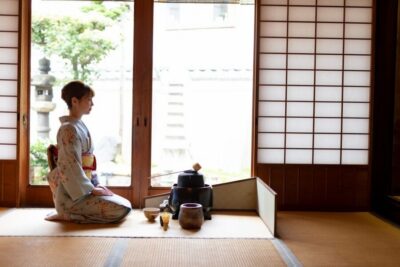
Tea Ceremony in 100-year-old Kyo-Machiya Townhouse
Read our review →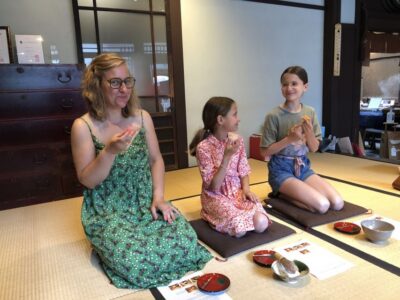
Tea Ceremony Meditation – Make Matcha with Tea Master
Read our review →Browse the lists this tour appears in