
Reviewed · KYOTO TEA CEREMONIES
Kyoto: Tea Ceremony in 100-year-old Kyo-Machiya Townhouse
A tea ceremony in a 100-year-old Kyo-Machiya townhouse gives you more than a cup of matcha. You learn how to bow, handle the bowl, eat the sweet, and drink the tea, then prepare your own matcha under the tea master’s eye. I like the patient teaching and the chance to see the ceremony in a real old Kyoto home rather than a modern activity room.
I also like the optional kimono rental, which turns a 50-minute lesson into a longer Kyoto outing. You can choose a robe, have your hair styled if you add that package, attend the ceremony, then walk around the city before returning the kimono by 5:30 PM. The main caution is timing: kimono guests must travel from the Gojo shop to the townhouse on their own, and the ceremony begins two hours after the kimono appointment.
Key points to know before booking
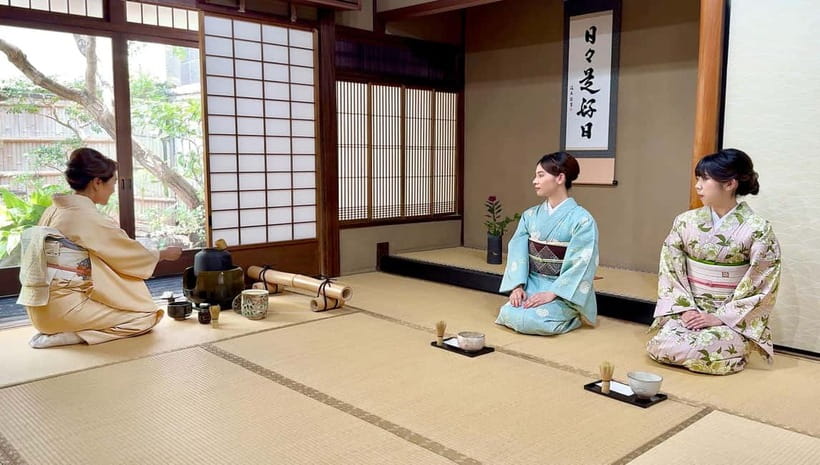
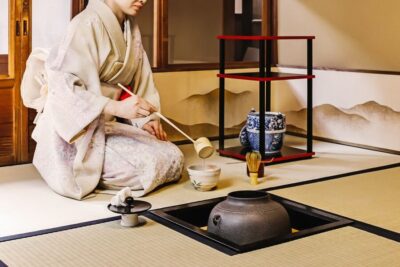
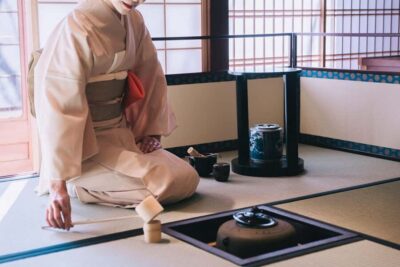
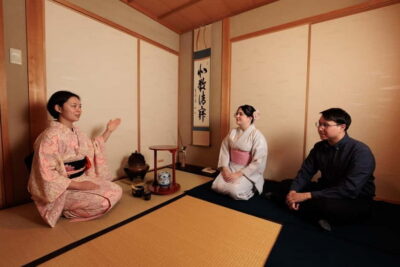
- The ceremony takes place in a 100-year-old machiya near Kyoto Gosho, with tatami, traditional fittings, and a calm setting.
- You make your own matcha, after watching the tea master prepare the first bowl for a guest.
- English interpretation is provided, with hosts and guides such as Maki, Ling, and Lim named in the experience feedback.
- The kimono option is a real half-day plan, including dressing time, the ceremony, a Kyoto stroll, and same-day return by 5:30 PM.
- You can sit on a small chair instead of the floor, though the room is expected to remain quiet.
- The optional 30-minute machiya visit adds a 20-minute architecture tour and 10 minutes for photographs.
A quiet introduction to Kyoto’s tea tradition
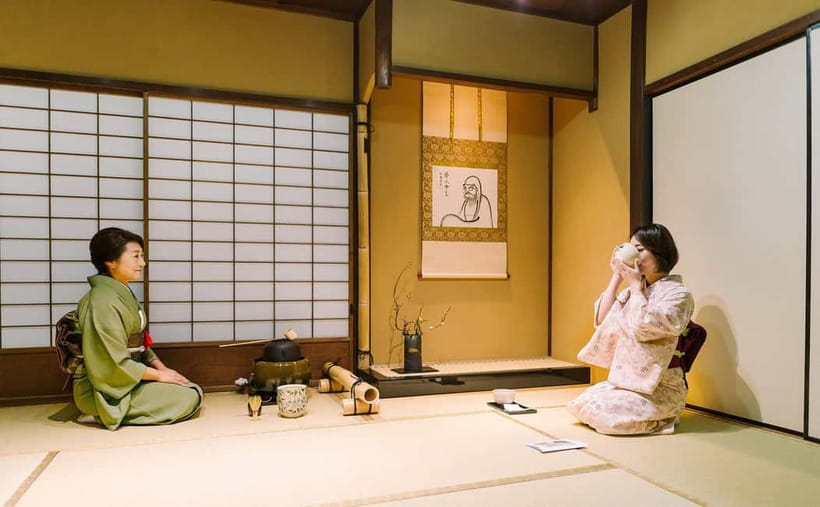
The tea ceremony begins with an explanation of how tea came to Japan from China about 1,200 years ago. Your guide then places the familiar matcha ritual in its social setting, including the customs, gestures, and ideas that shaped the Japanese Way of Tea.
That background matters. Without it, the ceremony can look like a series of careful movements with no obvious purpose. With it, you begin to see why the host turns the bowl, why greetings matter, and why the sweet comes before the tea.
The teaching is aimed at first-time visitors, not tea-school specialists. You receive a leaflet explaining the ceremony, and the English-speaking guide interprets the tea master’s instructions. The names of individual hosts can vary, but Maki, Ling, and Lim have all been singled out for clear explanations, warmth, and capable interpretation.
The tone is formal but not stiff. You are shown how to bow, what words to use, how to receive the bowl, how to eat the sweet, and how to drink the matcha. You are also encouraged to ask questions at the end, which makes the session feel like a cultural lesson rather than a performance you simply watch.
More tea ceremonies in Kyoto:
- Kyoto: Tea Ceremony in a Traditional Tea House in Kiyomizu
★ 4.9 · 3,519 reviews - Kyoto: Tea Ceremony Ju-An at Jotokuji Temple
★ 4.9 · 3,207 reviews - Kyoto: 45-Minute Tea Ceremony Lesson Experience
★ 4.3 · 2,378 reviews
Inside the 100-year-old machiya
The setting does much of the work. Yumeyakata Oike Bettei is a traditional Kyoto townhouse near Kyoto Gosho, the Imperial Palace area. You enter an older style of city home, with tatami flooring and the quiet visual details associated with a machiya.
The location adds historical weight. The area around Kyoto Gosho was long connected with the imperial court and aristocracy. Tea gatherings, poetry, and artistic discussion were part of that world, and the former residence of Nijō Yoshimoto is next door. That connection does not turn your short ceremony into a court ritual, but it gives the lesson a meaningful setting.
You will sit on the floor unless you choose one of the small chairs provided. The chairs are an important detail if your knees are not happy on tatami. The room size can change with the number of participants, and the session can hold up to 20 people, so you should not expect a private ceremony every time.
The atmosphere depends on everyone following the rules. No food or drinks other than those provided, smoking, loud behavior, sandals, or flash photography are allowed. The quiet is not a minor detail. It is part of the activity, and disruptive behavior can result in removal from the session.
Watching the tea master, then making matcha yourself
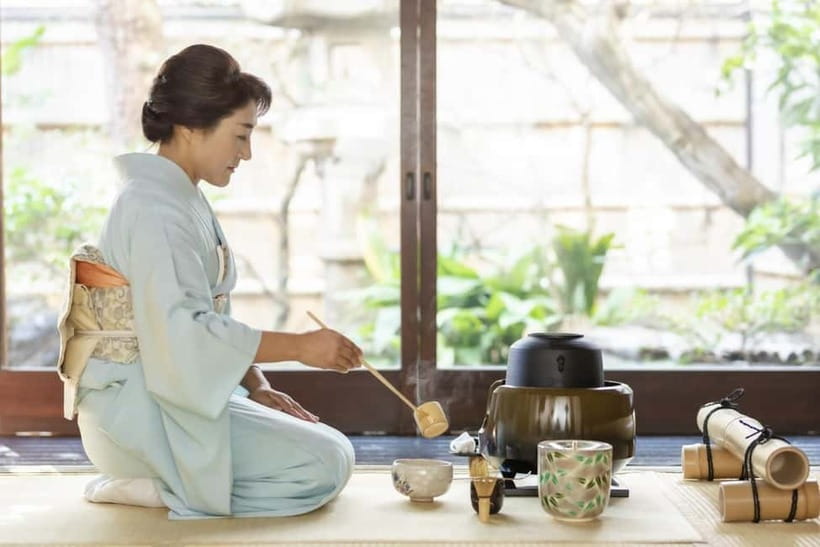
The central lesson has two parts. First, the tea master prepares tea for a guest while the guide explains each action. This is the moment to watch closely. The movements are deliberate, and the host shows how tools, bowl, water, and matcha work together.
Then you make your own bowl under supervision. You do not just pose beside a tray or receive a ready-made drink. You take part in the preparation and learn the basic rhythm of whisking matcha.
This hands-on section is the strongest reason to choose the activity over a quick tea tasting. You leave with a practical understanding of how the drink is made and how the ceremony is organized. Several people found the lesson more detailed than expected, especially the social and cultural background behind the ritual.
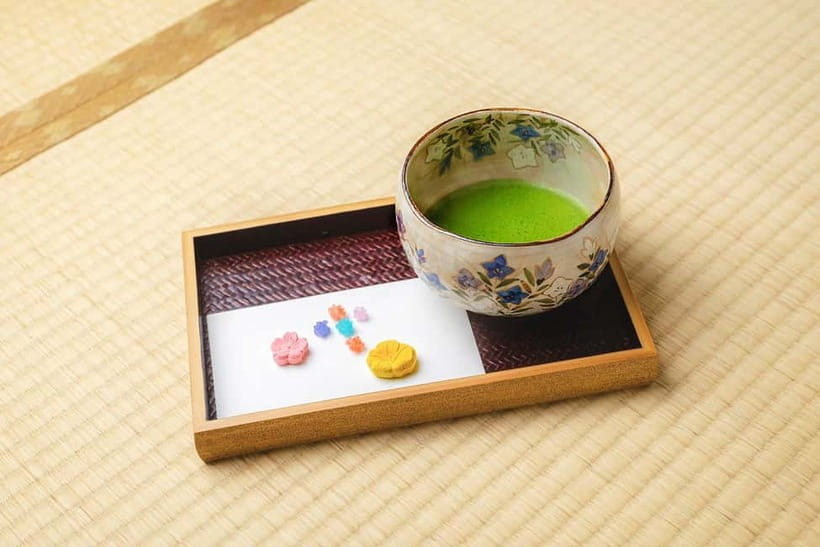
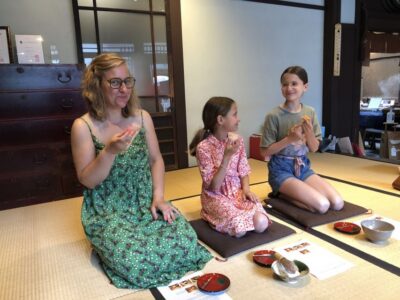
The matcha is served with a traditional Japanese sweet. The sweet is not just a snack. Its sweetness balances the tea’s grassy bitterness and forms part of the usual order of service. If you normally find straight matcha sharp, eating the sweet first helps explain the pairing.
At the end, the tea master closes the ceremony. You have time to ask questions before leaving. Some sessions also allow photographs around the tea house, but professional photographs and videos are not included.
Choosing the kimono package
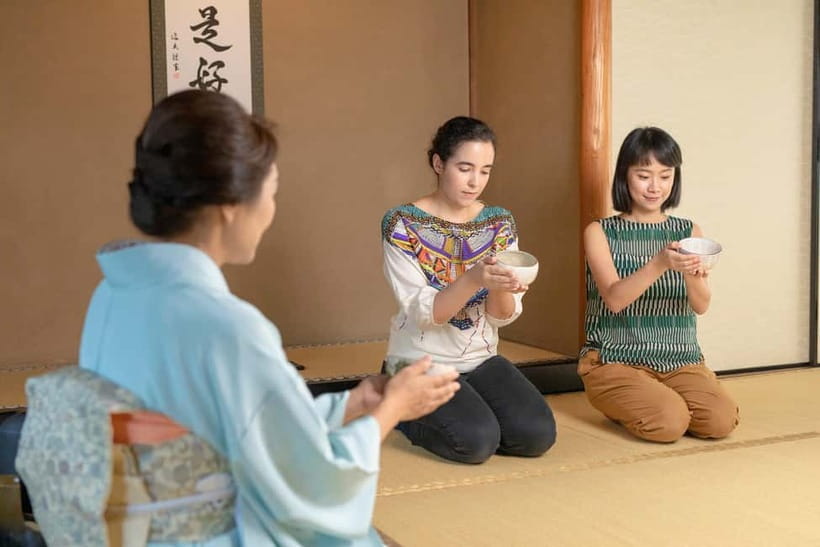
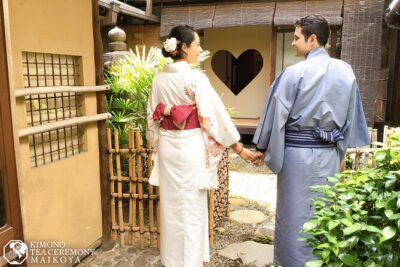
The kimono option changes the shape of the day. You first report to the Yumeyakata Gojo Shop at the starting time printed on your voucher. There, you choose from several colors, patterns, and sizes before being dressed.
The timetable needs careful attention. The tea ceremony starts two hours after the selected kimono appointment. Choose 11:00 AM, for example, and the ceremony begins at 1:00 PM. That gap covers the dressing process and your journey to the townhouse, which you arrange yourself.
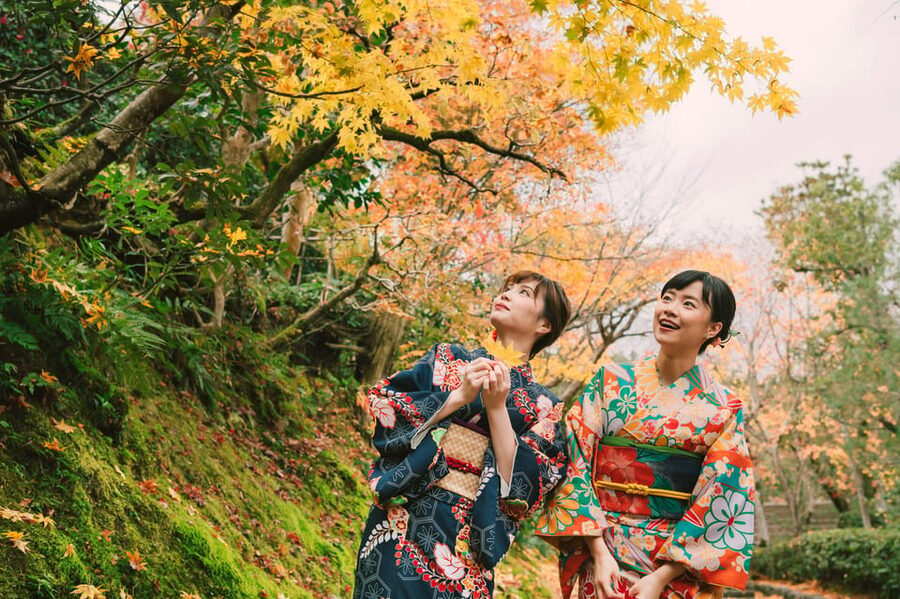
The basic package includes a casual kimono rental. Add-ons can include women’s hairstyling, makeup, a hair accessory, and an upgrade to a formal Houmongi kimono. The formal upgrade is worth considering if dressing up is a major part of your Kyoto plan, but the basic kimono still gives you the visual change many people want for the ceremony and photographs.
You can wear the kimono around Kyoto after the ceremony, then return it to the Gojo shop by 5:30 PM on the same day. This makes the package useful for a short walk and photographs near the tea house or elsewhere in the city, but it is not a free all-day rental.
A kimono also takes some getting used to. The layers can feel warm and restrictive, especially in summer. Walking in it may be uncomfortable on a hot day, so wear suitable socks and plan a gentle route rather than a long-distance sightseeing march.
A few more Kyoto tours worth putting on the shortlist
- PERFECT KYOTO 1-Day Bus Tour
★ 5.0 · 13,518 reviews - Kyoto: Fushimi Inari, Kinkakuji, Bamboo Grove 1 Day Bus Tour
★ 4.8 · 4,316 reviews - Kyoto Geisha Walking Tour: Gion District & Hidden Gems
★ 4.7 · 3,273 reviews - Kyoto: Gion Magical Night Walking Tour with Geisha Trivia
★ 4.9 · 2,393 reviews
The optional machiya tour and photo time
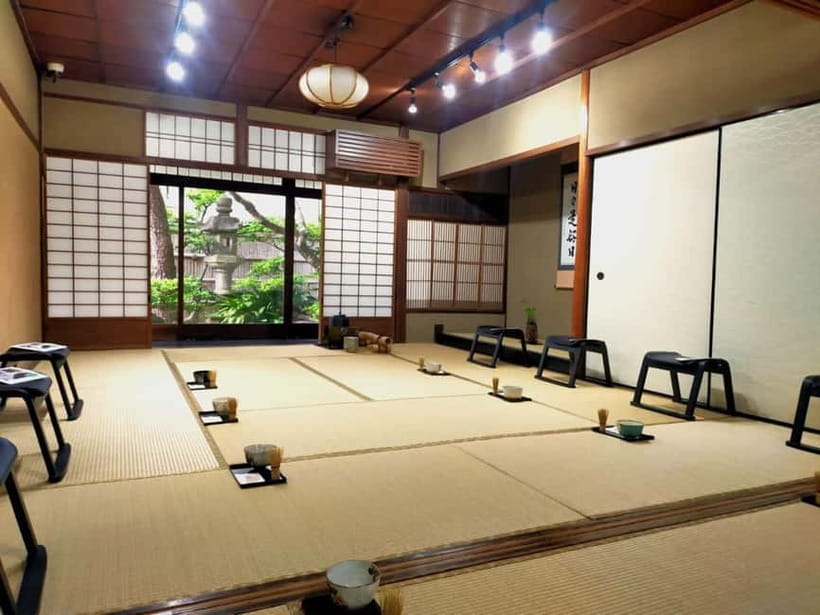
If you add the machiya option, you spend another 30 minutes in the townhouse after the tea ceremony. About 20 minutes are used for a tour of the building, followed by 10 minutes for photographs.
This is a useful addition if the house itself interests you. The guide points out architectural details, the cultural role of machiya homes, and functions that are easy to miss when you are focused on the tea. You get a better sense of the building as a working Kyoto residence, not just a pretty backdrop.
The photo time is short, so do not expect a professional portrait session. Professional images and video are not included. You may find props such as umbrellas or a katana for personal pictures, depending on the arrangements that day, but the supplied information does not promise a fixed photo setup.
How much value do you get for $31?
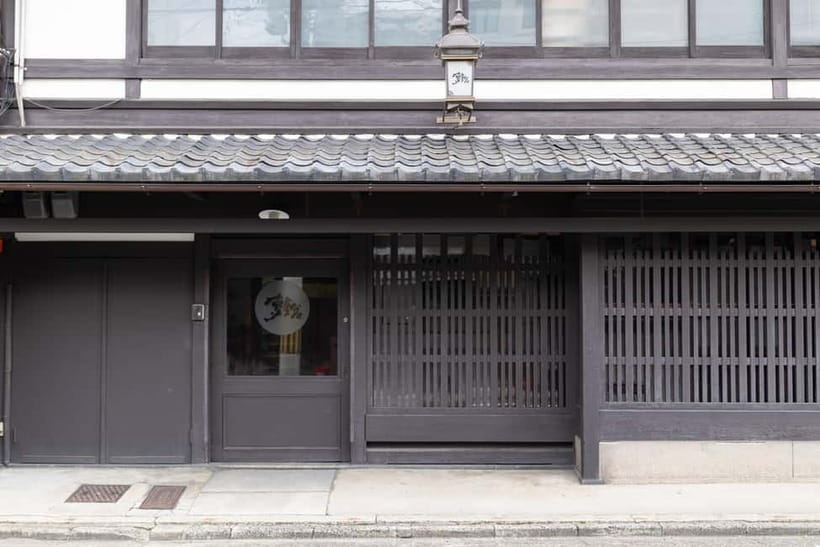
At about $31 per person, the tea-only version is fairly priced for a guided cultural lesson in a historic townhouse. You receive matcha, a Japanese sweet, instruction from a tea master, English interpretation, and the chance to prepare your own tea.
The value is strongest if you want context. A simple cup of matcha costs far less, but it does not teach you the etiquette, history, or meaning behind the service. This activity gives you a clear introduction in less than an hour, making it easy to fit between visits to Kyoto’s temples and palaces.
The kimono version costs more depending on the selected add-ons, but it also includes dressing, rental, and time to walk around Kyoto in the outfit. Compare it with separate kimono rental and tea bookings before you decide. If you already plan to rent a kimono, combining the two may save you the trouble of arranging separate appointments.
The optional hairstyling, makeup, and formal Houmongi upgrade are lifestyle extras rather than necessary parts of the tea lesson. I would add them if photographs and dressing up are central to your day. For a focused cultural introduction, tea only is enough.
Timing, transport, and what to bring
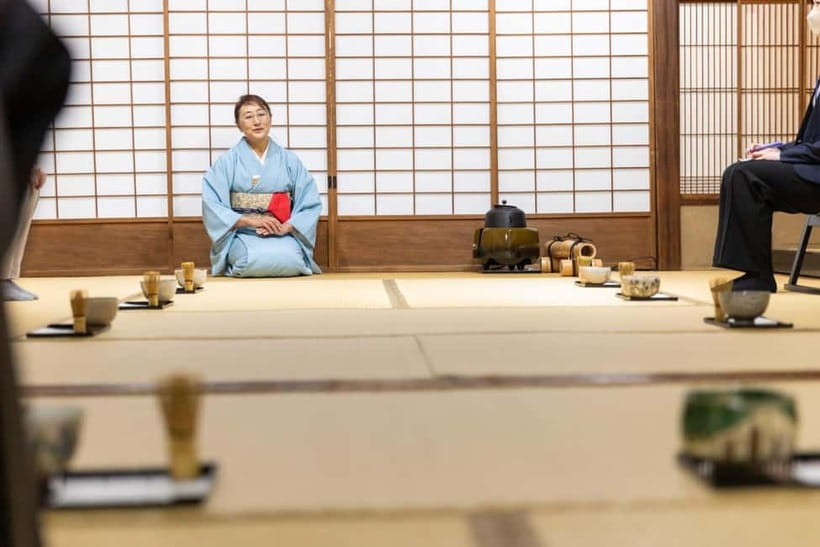
The tea-only schedule is simple. Arrive at the Oike Bettei 5 to 10 minutes before the starting time printed on your voucher. The ceremony lasts about 50 minutes, although the full activity can take from 50 minutes to three hours depending on the package.
The kimono schedule is less compact. You begin at the Gojo shop, select your clothing, and then make your own way to the townhouse. Transportation between the two locations is not included, so leave a sensible buffer for finding the shop, getting dressed, and reaching the ceremony on time.
Late arrival may still allow you to join, but the session will not be extended. I would not cut this close. Missing the opening explanation means losing the historical and etiquette lesson that gives the activity its value.
Bring socks. Sandals and flip-flops are not allowed, and the traditional room may require you to move across tatami. You should also leave food and drinks at your accommodation and avoid flash photography.
The activity is designed for people aged 10 and older. It is not suitable for wheelchair users, pregnant women, babies under one year, people over 200 centimeters or 95 kilograms, or people with visual impairments. These limits are important because of the room, clothing, seating, and ceremony format.
Who will enjoy this most?
I would choose this for a first visit to Kyoto when you want an activity that explains a custom rather than simply displaying it. It works especially well for couples, solo visitors, families with older children, and anyone curious about Japanese aesthetics and etiquette.
The tea-only option suits you if your schedule is tight or you prefer substance over dressing up. It is short, focused, and still gives you a genuine role in the ceremony.
The kimono package suits you if you want photographs and a more extended cultural outing. It also works well for special occasions, but remember that the clothing can be warm and the return deadline is firm.
This is not the right pick if you want a private, silent ceremony with no interpretation, or if you dislike structured group activities. Up to 20 people may attend, and the room changes with the group size. The ceremony requires calm behavior, so it is not a good match for young children or anyone who wants a loud, casual tasting.
FAQ
How long does the tea ceremony last?
The tea-only ceremony lasts about 50 minutes. Packages that include kimono rental and the machiya tour can take between 50 minutes and three hours, depending on the selected option.
Where does the tea ceremony take place?
It takes place at Yumeyakata Oike Bettei, a traditional 100-year-old machiya townhouse near Kyoto Gosho, the Kyoto Imperial Palace area.
Is the experience available in English?
Yes. English and Japanese are available. An interpreter or English-speaking guide explains the tea master’s instructions and answers questions.
Do I make my own matcha?
Yes. The tea master first prepares tea for a guest, then you prepare your own tea under supervision.
Can I sit on a chair instead of the floor?
Yes. Small chairs are available for people who prefer not to sit on the floor.
What is included with the tea ceremony?
The experience includes the tea ceremony, matcha, a traditional Japanese sweet, a leaflet explaining the ceremony, and a tea master with an interpreter.
What does the kimono option include?
The selected kimono plan includes casual kimono rental. Add-ons may include women’s hairstyling, makeup, a hair accessory, and an upgrade to a formal Houmongi kimono.
How late can I keep the rented kimono?
You must return the kimono to the Yumeyakata Gojo Shop by 5:30 PM on the same day.
What should I bring?
Bring socks. Sandals and flip-flops are not allowed. Food, drinks, smoking indoors, flash photography, and loud behavior are also not allowed.
Should you book this Kyoto tea ceremony?
Book it if you want a clear, hands-on introduction to Japanese tea culture in an old Kyoto home. The best parts are the careful explanations, the chance to prepare your own matcha, and the setting near Kyoto Gosho. The tea-only version gives you solid value at $31 and fits neatly into a busy sightseeing day.
Choose the kimono package if you want the ceremony to become a larger Kyoto memory, with dressing, photographs, and a city walk afterward. Just plan the two-hour lead time, arrange your own transport between locations, and allow plenty of time to return the clothing.
I would skip it only if you need a private session, cannot manage tatami seating or traditional clothing, or prefer unstructured sightseeing. For most first-time visitors seeking a respectful and practical look at Kyoto culture, this is a worthwhile use of an hour, or an afternoon if you add the kimono.
Newest Kyoto experiences on the site
- Treasures of Kyoto: Gion & historical Walking Tour★ 5.0 · 6 reviews
- Whisk Your Own Matcha: A Zen Matcha Experience at Temple★ 3.6 · 7 reviews
- Kyoto tea town for matcha lovers★ 5.0 · 16 reviews
- Uji: Private immersion into Kyoto’s tea and reglious culture★ 5.0 · 17 reviews
- Kyoto Matcha Green Tea Tour★ 4.5 · 23 reviews
- Uji and Wazuka Matcha Farm Half Day Private Guided Tour★ 5.0 · 21 reviews
- Utilising upcycled Matcha! Creating matcha incense (Uji, Kyoto)★ 5.0 · 6 reviews
- Sacred Temple Yoga Experience in Japan★ 5.0 · 3 reviews
Kyoto Tea Ceremonies, compared.
Tea Ceremony in a Traditional Tea House in Kiyomizu
Read our review →
Tea Ceremony Meditation – Make Matcha with Tea Master
Read our review →Browse the lists this tour appears in