
Reviewed · KYOTO SAMURAI EXPERIENCES
Kyoto: Samurai Sword Class by Experts in Traditional Arts
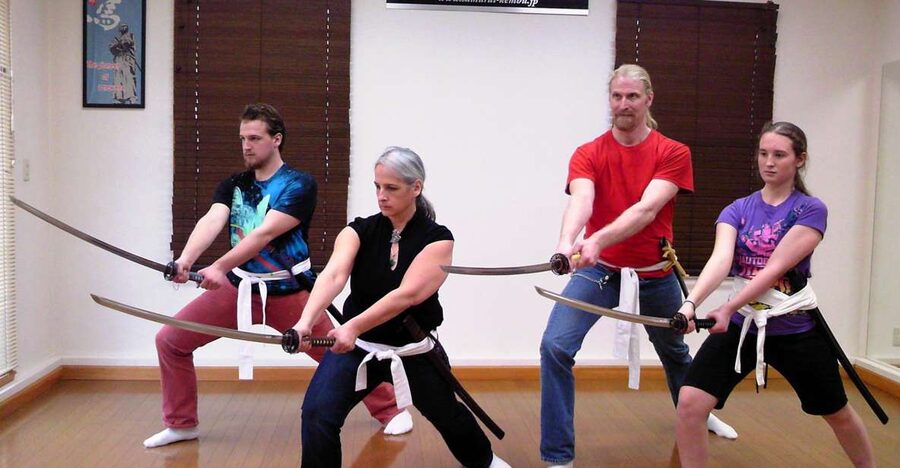
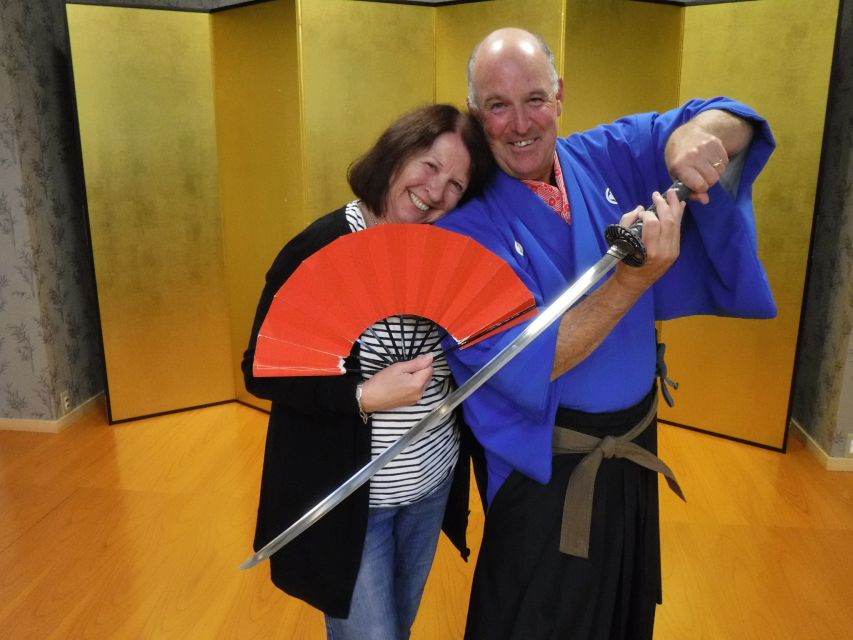
The best part of this Kyoto activity is that you do not simply watch a samurai show. You put on traditional clothing, learn how to bow and draw a sword, then practice a short sequence of controlled strikes and Kenbu sword-dance movements. The class is led in English, often by instructors such as Kazu, Hoga, Kashin, or Hisyo.
I like the mix of hands-on practice and performance. You get a brief lesson in samurai culture, real instruction, time for photos, and a demonstration that shows how polished the art can look. I also like the small groups, limited to 10 people, because the instructor can correct your movements instead of leaving you to copy from the back row.
The main thing to consider is that this is a choreographed cultural lesson, not combat training or a full study of samurai history. You must take part rather than watch from the side, and the costume change works best if you arrive in practical clothes rather than a single hoodie or tight clothing.
Key points to know before booking
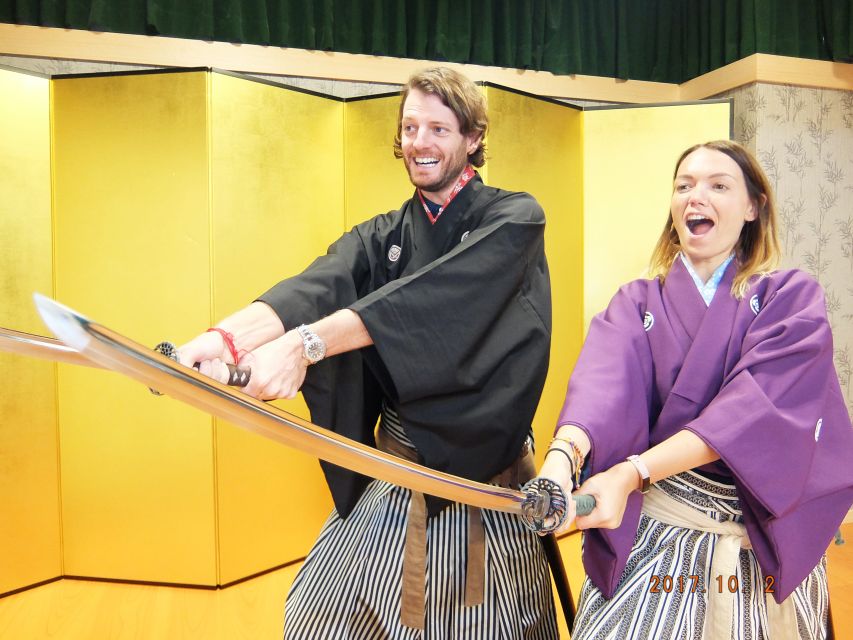
- You learn the formal basics first: Bowing, holding the sword, drawing it, replacing it in the scabbard, and showing respect to an opponent all come before the strikes.
- The class is small: A maximum of 10 participants allows for individual help and makes photo time more manageable.
- The costume is part of the experience: You choose traditional samurai clothing, then receive a photo session and a tenugui towel as a keepsake.
- Kenbu is performance as well as sword work: The movements are stylized, controlled, and linked to music, gesture, and posture rather than free-form fighting.
- The show adds useful context: Depending on your option, you watch a 10-minute or 30-minute performance with commentary from a sword-dance instructor.
- The cost is reasonable for the package: At $64 per person, you receive instruction, costume use, photos, a performance, and a certificate in roughly 90 minutes to two hours.
What this Kyoto class is really teaching
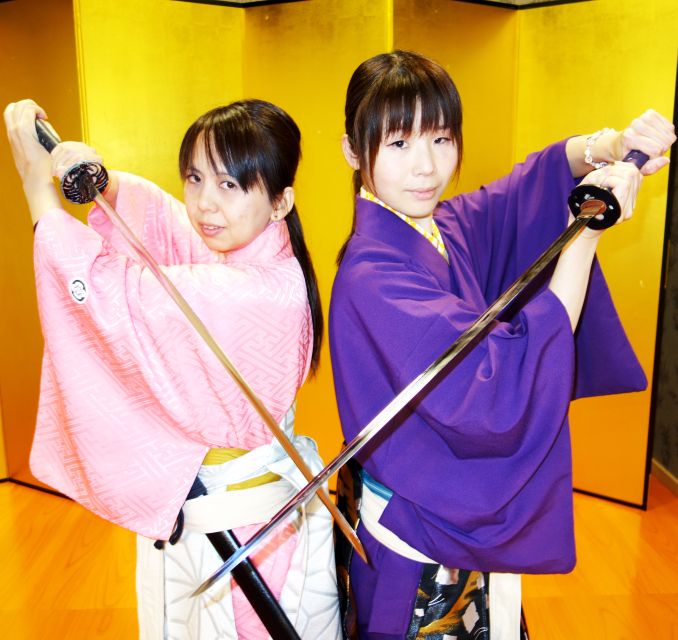
The experience focuses on Kenbu, a traditional Japanese sword dance. That distinction matters. You are not signing up for a modern fencing lesson or a rough-and-tumble samurai battle. The class teaches posture, ceremony, precise movement, and the visual language of the samurai warrior tradition.
You begin with a short four-minute film explaining the basics. It gives the session a useful frame before you handle the sword. The introduction is brief, so do not expect a full lecture on Japanese political or military history. It is there to help you understand why the bow, the drawn sword, and the controlled movements matter.
I find this approach effective for a short Kyoto activity. You get enough background to avoid treating the sword as a toy, then move quickly into practice. That balance is one reason the class works for people who want culture without spending half a day in a museum.
More samurai experiences in Kyoto:
- Kyoto Samurai Experience
★ 5.0 · 1,294 reviews - Kyoto: Kendo and Samurai Experience with Uniform and Gear
★ 4.9 · 815 reviews - Skip the lines Basic Ticket at SAMURAI NINJA MUSEUM KYOTO
★ 4.5 · 632 reviews
Entering the dojo at Samurai Kembu Theater
The meeting point is Samurai Kembu Theater, at 35-7 Sanchome, Higashi-iru, Sanjo-hanamikoji, Higashiyama-ku, B1F Gozan Building, Kyoto 605-0005. The class takes place in the Kyoto dojo, so check the address carefully before setting out.
There is no waiting room. People without appointments cannot wait inside, and the space has no room for large luggage or travel bags. I would leave your suitcase at your accommodation or another suitable storage point and arrive ready to take part.
You will also need to follow the safety instructions closely. Pets, food, alcohol, smoking, weapons, sharp objects, and large bags are not allowed. Do not arrive under the influence of alcohol, and do not expect to stand at the edge and observe. The rule is simple: booked participants join the lesson.
The opening film and first bow
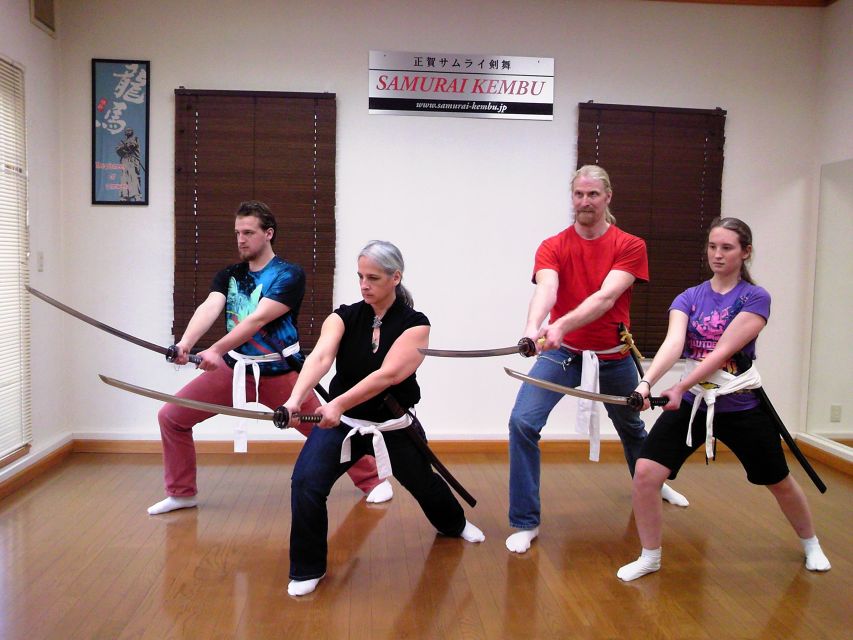
The four-minute film introduces the samurai and the basic ideas behind the activity. Then the instructor explains how to bow before training begins.
That bow is more than a photo-op. It sets the tone for the class. You learn that the sword is approached with care and that respect for the instructor and the other participant comes before the performance movements. The session closes in a similar spirit, with a respectful bow to the instructor before you receive your certificate.
This formal start may feel unfamiliar if you are used to casual activity classes. That is part of its value. You are not simply handed a costume and asked to swing a prop. The ceremony gives the sword work a clear structure.
Choosing a costume and learning the sword basics
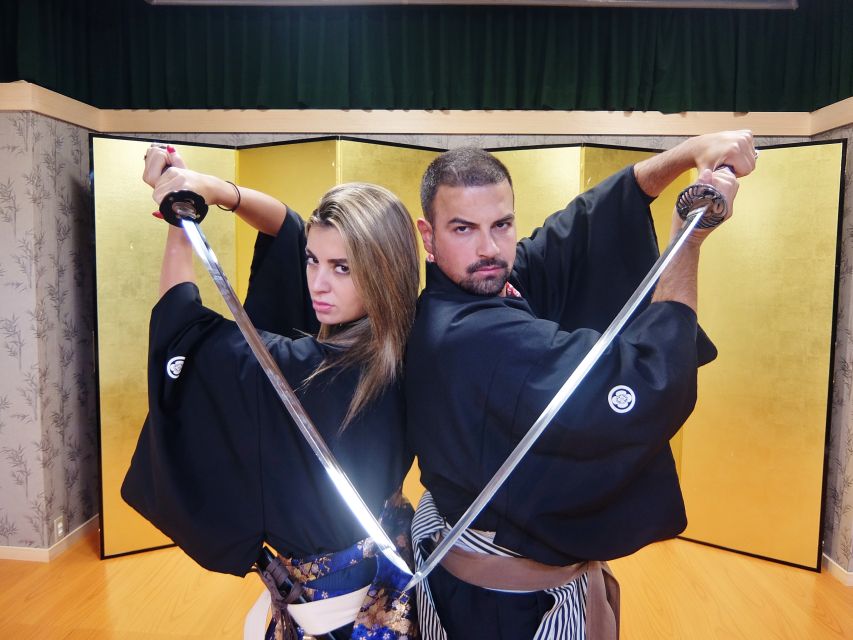
After the introduction, you change into samurai-style clothing. The costume is one of the most popular parts of the class, and it also helps make the photo session feel like part of the activity rather than an afterthought.
Wear clothes that allow you to move. The organizers specifically caution against arriving in only a single hoodie or tights, since those outfits are not suitable for changing into the costume. You will also want to avoid carrying a large bag.
Once dressed, you take hold of the sword. The instructor demonstrates how to handle it, how to draw it, and how to return it to its protective scabbard. These simple actions require more control than you may expect. Hand position, timing, posture, and awareness of the people around you all matter.
The lesson proceeds in small steps. You practice the basic movements, then combine them into a short sequence. Guides such as Kazu have been praised for patient instruction and clear explanations, while Hoga has been noted for keeping the class both serious and amusing. That mix is useful. The movements require concentration, but a little humor keeps beginners from feeling stiff or self-conscious.
More craft workshops in Kyoto:
- Kyoto: 45-Minute Tea Ceremony Lesson Experience
★ 4.3 · 2,378 reviews - Ramen Cooking Class at Ramen Factory in Kyoto
★ 5.0 · 1,937 reviews - Kyoto : Chopsticks Making Workshop in Gion with Engraving Option
★ 5.0 · 958 reviews - Kyoto: Ramen Cooking Class at a Ramen Factory with Souvenir
★ 4.9 · 532 reviews
Practicing Kenbu strikes and respectful movement
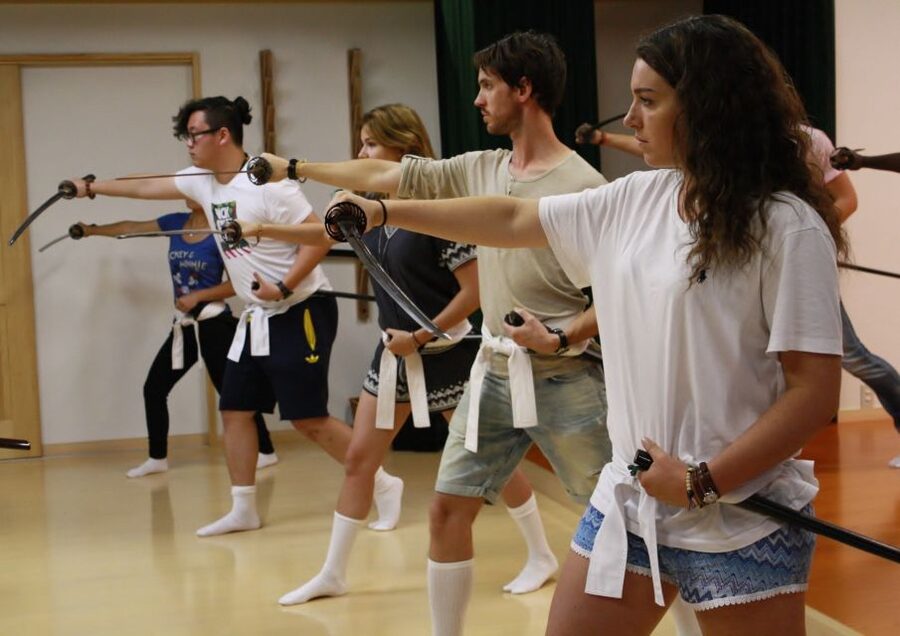
The sword work is stylized. You learn selected strikes and movements rather than a complete fighting system. The instructor explains how to show respect to an opponent with the sword, and you rehearse the sequence until it begins to feel connected.
This is where the class becomes more than dressing up. The movements ask you to coordinate your feet, arms, posture, and attention. You may find the work surprisingly calming because each action has a set order. Several participants have described the activity as a lesson in balance and control, with some comparing its flow to a movement practice using swords and fans.
Do not expect a hard workout, but do wear exercise-friendly clothing underneath the costume. The activity involves moving around, holding the sword, and repeating the sequence. Children from age 5 to 10 can take part, though the organizers note that the class is taught alongside adults and that some prior martial arts or structured learning experience is helpful for that age group.
Children under 4 are not suitable for the activity. Families with older children can find this a good shared outing, especially if everyone is willing to participate rather than watch.
The photo session: useful souvenir time
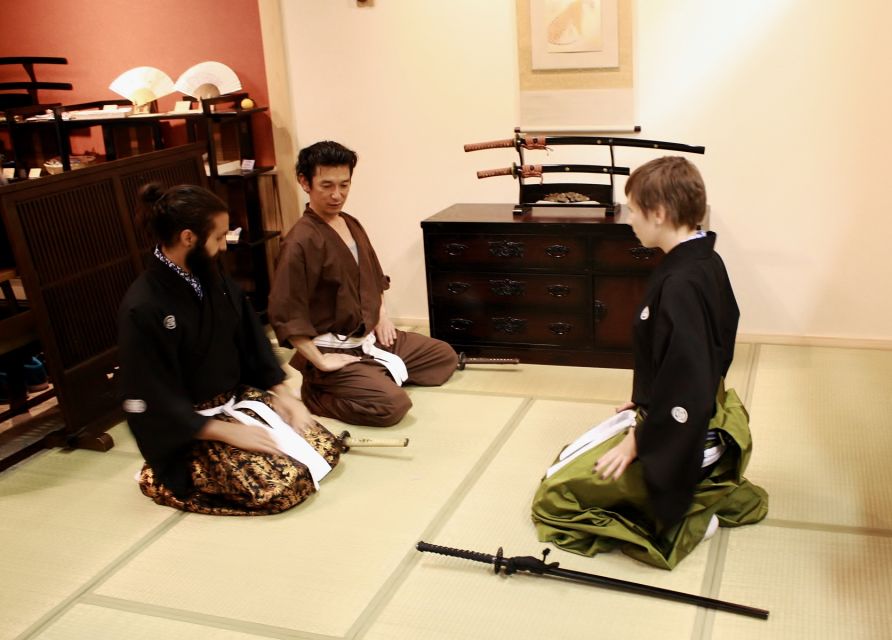
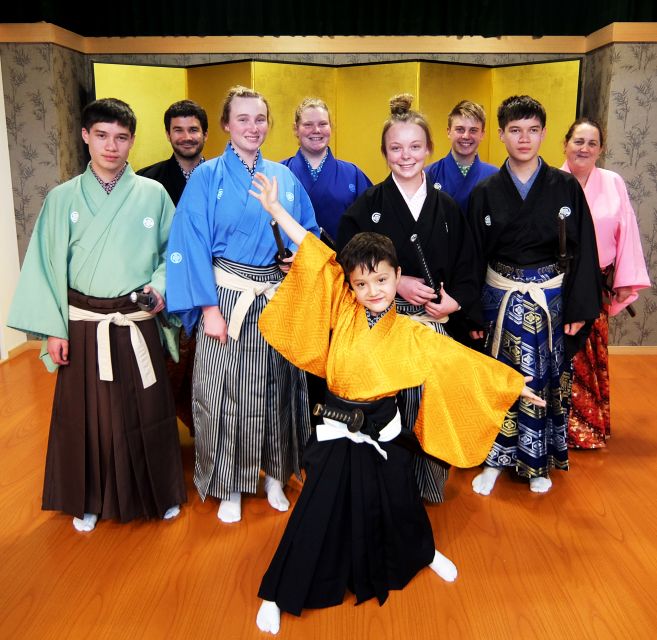
The photo session comes after you have learned the basic movements and are dressed in costume. Staff take photos for each group, and the schedule allows time for still pictures and video.
This is a practical advantage for couples and families. You do not have to rely entirely on a quick selfie, and the staff make an effort to photograph participants individually or by group. You can record the clothing, sword position, and a few practiced movements while the details are still fresh.
The class includes a traditional Japanese tenugui towel. Some participants have also received small costume-related souvenirs such as socks, though you should treat the towel as the clearly stated included item. The completion certificate gives you another physical reminder of the class, even if it is not an official martial arts qualification.
The Kenbu performance puts the lesson in context
The performance is the artistic high point. Depending on the option you choose, you watch either a 10-minute or 30-minute show, with commentary from a sword-dance instructor.
The short show can fit neatly into a busy Kyoto day. The longer performance gives you more time to see how the movements work when performed by trained artists. Either way, the demonstration helps explain why the class emphasizes posture, pauses, controlled turns, and precise sword handling.
During the lesson, your movements will be simple and carefully taught. In the performance, the same broad ideas become much more dramatic. The instructors use the sword with speed and grace, and the presentation helps separate Kenbu from ordinary stage combat.
Some schedules place the performance before the class, while others place it afterward. If you prefer to understand the art before trying it, a performance first may help. If you prefer to learn the basic movements and then see them performed at a high level, a final show makes a strong finish.
Timing, group size, and the pace of the visit
The activity lasts between 90 minutes and two hours. The difference comes mainly from the performance option and the way the class is scheduled.
A 90-minute session is a sensible fit between sightseeing stops. The longer version works better if you want the cultural explanation and the performance to have more room. Check the available starting times when booking, since the schedule can affect how this fits into your day.
The maximum group size is 10. That is small enough to support individual correction, and several participants have had one-to-one or nearly private instruction when booking at a quieter time. You should not assume a private lesson, but an off-peak time might give you more personal attention.
The small group also matters during the costume and photo portions. With a large class, you would spend more time waiting for your turn. Here, the activity stays focused and social without feeling like a crowded show.
English instruction and the teaching style
The instructors speak English and Japanese. The teaching depends heavily on demonstration, so you do not need advanced language skills to follow the sequence. The guide shows the movement, explains its purpose, and lets you practice it in stages.
The individual instructors have different personalities. Kazu is often singled out for patience, clear directions, and an engaging manner. Hoga has been praised for both his performance and his ability to make newcomers comfortable. Kashin has been described as humble and patient, and Hisyo has been recognized for his strong Kenbu training and organized demonstrations.
Names and instructors can change by schedule, so book this for the teaching format rather than expecting one specific person. The important point is that the class is led by people who practice and perform the art, not by a costumed actor giving a generic photo experience.
Is $64 good value?
At $64 per person, this is not the cheapest short activity in Kyoto. It is also more than a simple stage show or costume rental. You are paying for a guided class, traditional clothing, a photo session, a performance, a tenugui towel, and a completion certificate.
I consider the price fair if you want an active cultural experience. The class fills 90 minutes to two hours, and the small group setting adds real value because you receive correction and guided practice. The performance is also included, so you are not choosing between learning and watching.
The value is weaker if you only want a photo in samurai clothing. In that case, much of what you pay for is the instruction and performance, and you would need to participate fully. It is also not the right purchase if you want a detailed academic study of samurai history or serious martial arts training.
For families, the price can add up quickly, but the shared format makes it easier to justify. Parents and older children can learn the same basic sequence, take group photos, and see a performance together. The activity has also worked well for teenagers and for mixed-age family groups that include an 11-year-old.
Practical advice for a smooth class
Arrive dressed for movement and costume changes. Do not bring a suitcase or large travel bag, since storage space is not available.
Book only the number of people who will actually participate. The venue cannot admit more people than the number reserved, and an extra chaperone should be discussed in advance.
If the name of a participant changes, notify the provider before the day of the activity. If you need to cancel, you must do so yourself through GetYourGuide. Cancellation is free up to 24 hours in advance, and the reserve-now, pay-later option can help if your Kyoto schedule is still moving around.
Most important, do not book this as a passive show. The class is built around participation, and the instructions are part of the experience. Follow the teacher’s directions, keep the sword movements controlled, and give the bowing and etiquette the same attention as the strikes.
Who should book this experience?
I would recommend it to first-time Kyoto visitors who want a clear, compact introduction to a traditional art. It suits couples, families with older children, solo visitors, and anyone who likes learning by doing.
It is also a good choice for people who are not especially interested in fighting. The lesson is about controlled movement, ceremony, costume, performance, and cultural context. You do not need to arrive as a sword enthusiast.
I would hesitate only if you dislike dressing up, cannot take part in physical movement, want a long historical lecture, or hope to train in practical combat. The class offers a polished introduction to Kenbu, not a professional qualification or an open sparring session.
Should you book the Kyoto samurai sword class?
Book it if you want a memorable activity that combines instruction, costume, photos, and live performance in one compact visit. The strongest reasons are the small groups, patient English guidance, and the chance to see the same sword-dance tradition first as a beginner and then in expert hands.
Skip it if you only want to watch, since observation alone is not allowed. For everyone else, $64 buys more than a costume picture. You leave knowing how to bow, draw and replace a sword, perform a short sequence, and recognize the difference between samurai-inspired combat imagery and the disciplined art of Kenbu.
FAQ
Where does the Kyoto samurai sword class take place?
It takes place at Samurai Kembu Theater, Kyoto dojo, at 35-7 Sanchome, Higashi-iru, Sanjo-hanamikoji, Higashiyama-ku, B1F Gozan Building, Kyoto 605-0005.
How long does the activity last?
The activity lasts between 90 minutes and two hours. The exact length depends on the selected option and the performance included.
What languages are spoken?
Instruction is available in English and Japanese.
How many people are in each group?
The group is limited to 10 participants.
Do I get to wear a samurai costume?
Yes. You change into traditional samurai clothing and have time for a photo session.
Is the performance included?
Yes. Depending on the option selected, you watch either a 10-minute or 30-minute Kenbu performance with commentary from a sword-dance instructor.
What is included in the price?
The experience includes an English-speaking instructor, the photo session, a traditional tenugui towel, and a completion certificate. Food, drinks, and hotel transportation are not included.
Newest Kyoto experiences on the site
- Treasures of Kyoto: Gion & historical Walking Tour★ 5.0 · 6 reviews
- Whisk Your Own Matcha: A Zen Matcha Experience at Temple★ 3.6 · 7 reviews
- Kyoto tea town for matcha lovers★ 5.0 · 16 reviews
- Uji: Private immersion into Kyoto’s tea and reglious culture★ 5.0 · 17 reviews
- Kyoto Matcha Green Tea Tour★ 4.5 · 23 reviews
- Uji and Wazuka Matcha Farm Half Day Private Guided Tour★ 5.0 · 21 reviews
- Utilising upcycled Matcha! Creating matcha incense (Uji, Kyoto)★ 5.0 · 6 reviews
- Sacred Temple Yoga Experience in Japan★ 5.0 · 3 reviews
Kyoto Samurai Experiences, compared.
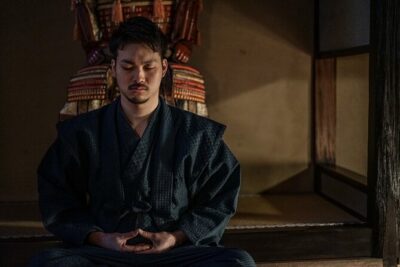
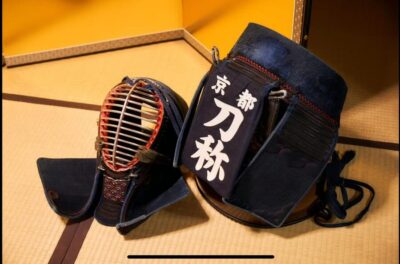
Kendo and Samurai Experience with Uniform and Gear
Read our review →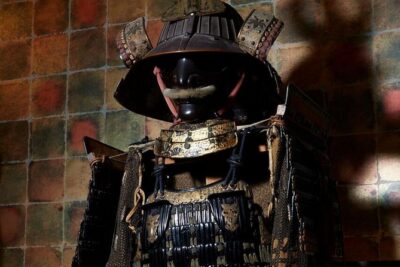
Skip the lines Basic Ticket at SAMURAI NINJA MUSEUM KYOTO
Read our review →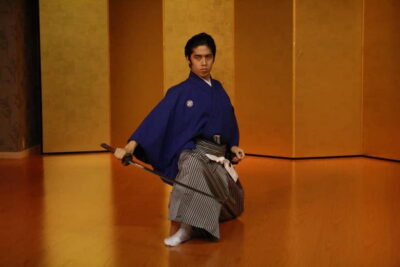
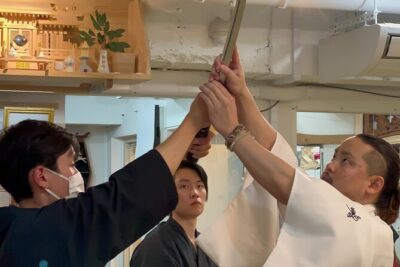
Samurai Training with Modern day Musashi in Kyoto
Read our review →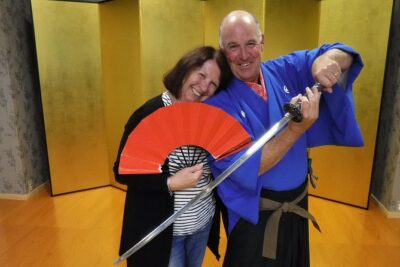
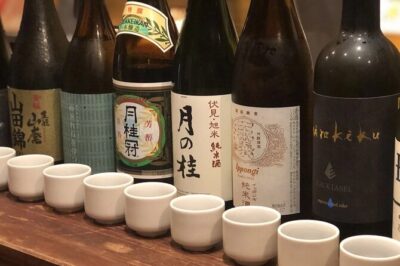
Private Tea Ceremony and Sake Tasting in Kyoto Samurai House
Read our review →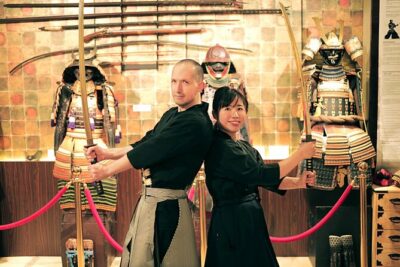
Kyoto Sword Experience – includes Museum Ticket/Ninja Experience
Read our review →Browse the lists this tour appears in