
Reviewed · KYOTO SAMURAI EXPERIENCES
Kyoto: Samurai Ninja Museum guided tour
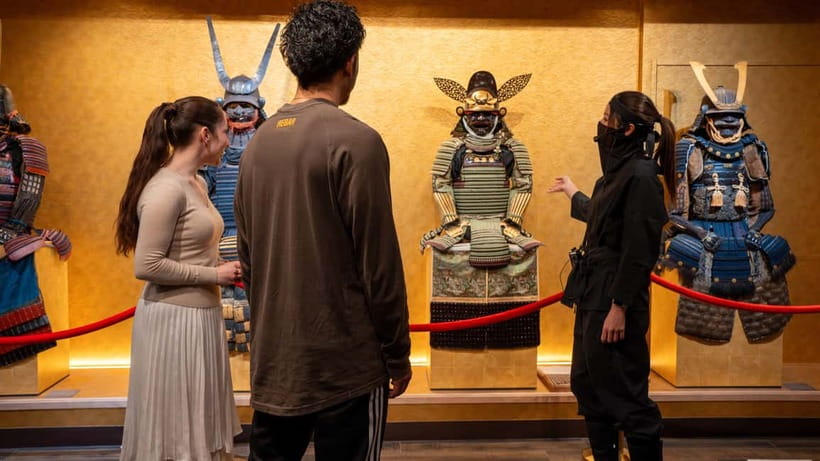
Kyoto’s samurai and ninja museum turns a famous part of Japanese history into a short, hands-on visit. You’ll see armor and weapons, hear how these warriors fit into Japan’s past, then put on a samurai costume, handle a replica sword, and try throwing ninja stars. I like the mix of clear English explanations and activities that keep children and adults involved.
I also like the one-hour length and modest $28 price. Guides such as Mami, Miu, Akiko, Sayo, and Ko are praised for making the history easy to follow, while the shuriken throwing gives the visit a fun finish. The main consideration is that this is an entertainment-focused museum experience, not a large, formal collection of original artifacts. The published group information also differs, with one section saying up to 10 people and another allowing as many as 30, so check the details for your chosen time.
Key points to know before you book
- The tour ends with shuriken throwing: Ninja star practice is the activity most likely to stick in your memory, especially for children and teenagers.
- You get a quick samurai makeover: Dress in a samurai costume, wear a real helmet, and hold a replica sword for photos.
- English-speaking guides shape the experience: Guides including Miu, Akiko, Sayo, Ko, and Mami are praised for clear explanations and friendly interaction.
- The tour covers more than costumes: Expect displays of armor, weapons, craftsmanship, samurai history, and ninja culture.
- It fits neatly into a Kyoto itinerary: The visit lasts one hour, and transportation to and from the museum is not included.
- The price is reasonable for a participatory activity: At $28 per person, the costume and throwing session add value beyond a basic museum admission.
What this Kyoto museum tour is really like
This is a compact museum visit built around participation. You are not signing up for a long historical lecture or a full-day cultural program. Instead, you get a guided introduction to samurai and ninja culture followed by several simple activities that make the subject easier to remember.
The guide leads in English and explains how samurai and ninja fit into Japanese history. The advertised background reaches from the early Heian period through the end of the Tokugawa shogunate, giving you a broad outline rather than a specialist study of one era.
That broad approach works well for a first visit to Japan. If you already know a great deal about feudal Japanese politics, sword schools, or the social structure of the samurai, you may find the material introductory. If you want a lively starting point before visiting castles, temples, or larger museums, the format makes sense.
The guides are an important part of the experience. Mami, Miu, Akiko, Sayo, Ko, Aya, Jukia, and several others are repeatedly praised for speaking clear English, answering questions, and involving the group. You can expect questions from the guide, short explanations, and chances to look closely at the equipment instead of simply walking past cases in silence.
More samurai experiences in Kyoto:
- Kyoto Samurai Experience
★ 5.0 · 1,294 reviews - Kyoto: Kendo and Samurai Experience with Uniform and Gear
★ 4.9 · 815 reviews - Kyoto: Samurai Sword Class by Experts in Traditional Arts
★ 4.9 · 657 reviews
Seeing armor, weapons, and warrior craftsmanship
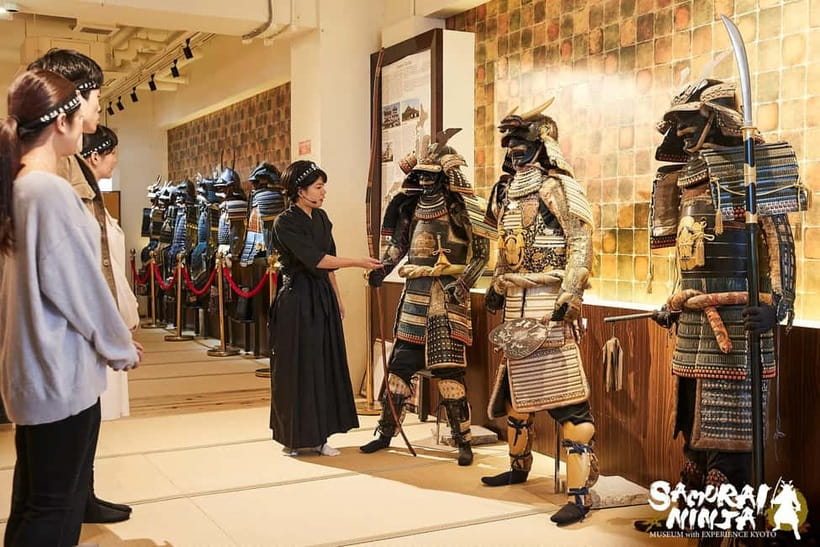
The display area focuses on samurai and ninja equipment. Armor, weapons, and related props help turn abstract history into something you can see at close range. One useful feature is the attention given to craftsmanship, not just the dramatic image of the warrior.
You will learn about the gear associated with samurai and ninja, and the guide connects those objects to the lives and roles of the people who used them. The presentation is designed for a general audience, so you do not need to arrive with background reading.
The displays are also part of the photo appeal. Several activities give you a chance to pose with equipment, and the costume segment adds a clear visual element to the visit. That makes this a good stop for families, couples, and anyone who wants a memorable photograph rather than only a spoken explanation.
Keep your expectations sensible. The available information describes a museum with displays, props, and guided interpretation, but it does not promise a large collection of rare original objects. Think of it as a short cultural attraction with museum elements and live participation.
Putting on samurai clothing and a real helmet
The dress-up portion is more than a quick photo booth. You can wear a samurai costume, put on a real samurai helmet, and hold a replica sword. The combination gives you a physical sense of the weight and appearance associated with the warrior image, even though the sword is a replica.
This is especially effective for younger visitors. A child who might lose interest during a talk about the Tokugawa shogunate is more likely to pay attention after being invited to wear a helmet or pose with a sword. Teenagers also seem to enjoy the activity, particularly when the group turns it into a friendly photo session.
Adults should not feel that the costume part is only for children. The tour is designed around interaction, and the clothing helps make the visit social. You can look at the displays, listen to the guide, and then take part yourself.
The wording about the equipment is worth noting. The experience includes a samurai costume, a real samurai helmet, and a replica sword. The broader description also refers to wearing real samurai armor, but the specific included-items list identifies the costume and ninja star throwing. If the exact armor setup matters to you, confirm what will be available on your selected tour.
Katana instruction and the ninja weapons session
The hands-on portion can include a katana lesson and an introduction to ninja tools. This is presented as a controlled demonstration and practice activity, not as serious martial arts training. You should come expecting a short introduction, simple instruction, and a chance to handle replicas or activity equipment.
The ninja star throwing, or shuriken practice, is the clear crowd-pleaser. You are shown how to throw the stars at a target, then get a chance to try. Some sessions may turn it into a small competition, which adds energy without making the activity too serious.
This is a smart way to finish the tour. By that point, you have heard the historical background and seen the equipment. Throwing the stars gives you something active to do, and it helps prevent the visit from feeling like a lecture.
The description also includes a ninja fukiya, a blowgun-style tool, among the hands-on elements. The listed included items specifically name the museum tour, samurai costume, and ninja star throwing, so the exact time spent on the katana lesson or fukiya may depend on the session. Treat those as advertised parts of the broader experience, while shuriken throwing is the most clearly confirmed activity.
More ninja experiences in Kyoto:
- Skip the lines Basic Ticket at SAMURAI NINJA MUSEUM KYOTO
★ 4.5 · 632 reviews - Ninja 1-hour Hands-on Lesson by Japanese master in Kyoto -Entry
★ 5.0 · 489 reviews - Kyoto: Ninja Weapon Forging Experience
★ 4.8 · 478 reviews - Ninja 2-hour Hands-on Lesson by Japanese master in Kyoto -Medium
★ 5.0 · 218 reviews
Why families and first-time visitors tend to like it
I would recommend this tour most readily to families with children, first-time visitors to Japan, and anyone who enjoys learning by doing. The one-hour schedule is long enough to introduce the subject but short enough for children to manage.
Teenagers can take part in the dress-up segment and throwing activity without being asked to sit through a long formal tour. Adults get enough historical context to understand that samurai and ninja are not simply movie characters. The guide-led format also helps when you are unsure which details matter.
It is useful for mixed-age groups because everyone can take part at a different level. One person can focus on the displays and historical explanation, while another enjoys the costume and target practice. The guide’s questions and informal style help keep the group involved.
This is not the best choice if your main aim is quiet study of original art, detailed military history, or a long examination of Japanese political change. The tour moves quickly, and the fun activities are central to the experience. For a deeper historical visit, you would want to pair it with another museum, castle, or temple site in Kyoto.
The value of $28 and one hour
At $28 per person, the price is fair if you value both explanation and participation. A simple museum ticket would give you displays, but this tour adds an English-speaking guide, costume use, photo opportunities, and shuriken throwing. For a family, those extras can make the difference between a quick look and an activity everyone remembers.
The value is less clear if you only want to see samurai artifacts. One four-star assessment questioned paying an added amount for what felt like regular museum access and a standard guide. That is a useful warning: the price pays for the guided, interactive format, not for an extensive collection or a long lesson.
The hour-long duration is one of the tour’s strengths. Kyoto days fill quickly, and you can place this visit between other sights without giving up half a day. It also works well in poor weather, when an indoor activity gives you a break from temples and outdoor walking.
Transportation is not included, so you need to make your own way to the museum. Allow enough time to arrive before the starting time, especially if you are fitting this between other bookings. The museum is in Kyoto, but the supplied information does not give a precise access route or nearby station, so check the meeting details when you reserve.
Group size, access, and booking flexibility
The activity is described as a small-group tour, with one section limiting the group to 10 participants. Another important-information note gives a maximum of 30 travelers. Since those numbers do not match, I would check the conditions for your chosen departure if group size matters to you.
A smaller group should make it easier to see the displays, hear the guide, ask questions, and take turns with the activities. A larger group could mean more waiting during costume changes or shuriken practice. The activity is listed as wheelchair accessible, which is useful for visitors who need step-free access, though the supplied information does not describe the exact equipment or route inside.
You can cancel up to 24 hours before the activity for a full refund. The reserve-now-and-pay-later option also gives you room to adjust a busy Kyoto schedule. Those policies are helpful when you are booking several timed activities around train trips, meals, and weather.
Choosing the right guide and tour time
You cannot usually choose your guide, but the experience has been led by a number of English-speaking staff members. Mami is praised for detailed explanations, Miu for historical information and helpfulness, Akiko for clear presentation and photographs, Sayo for an engaging style, and Ko for especially easy-to-understand English.
Other named guides include Aya, Jukia, Taka, Aoi, Taku, Saku, Tepe, and Miku. The recurring pattern is a guide who asks questions, explains the displays, and keeps the activities moving. That matters because the quality of a short tour depends heavily on the person leading it.
If you have the option, choose a time that leaves space afterward. The activity lasts one hour, but you may want extra time for photographs or to move on without rushing. The published start times vary, so check availability for the date of your visit.
Practical advice for getting the most from the visit
Read a little about samurai and ninja before you arrive if you have time. Even a basic understanding of the Heian period, the Tokugawa shogunate, and the difference between samurai and ninja will help you follow the guide’s explanations.
Wear clothing that lets you move your arms comfortably. The supplied details do not state a formal dress code, but costume changes and throwing practice are easier when you are not restricted by bulky outerwear.
Keep your expectations focused on the activity. The best parts are the guide’s explanation, the close look at armor and weapons, the costume and helmet, and the shuriken session. Do not book it expecting a large archaeological museum or a full martial arts class.
If you are visiting with children, tell them in advance that the star throwing is supervised and structured. That helps build anticipation while keeping the historical portion from feeling like something they must simply endure.
Should you book the Samurai Ninja Museum tour?
Book it if you want a short, lively introduction to samurai and ninja culture with clear English guidance and hands-on activities. At $28, it offers solid value for families, first-time visitors, and anyone who wants photographs, costume fun, and a little history in the same hour.
Think twice if you want a serious study of Japanese warfare or a large collection of original objects. The tour is deliberately compact and entertainment-friendly, and the group-size information deserves a quick check before booking.
For most visitors, I would place it in the good short activity category rather than make it the centerpiece of a Kyoto history day. Pair it with a castle, temple, or larger museum, and it gives you an enjoyable human-scale introduction to the warriors who have shaped Japan’s popular image.
FAQ
How long does the Samurai Ninja Museum tour last?
The tour lasts one hour.
How much does the tour cost?
The listed price is $28 per person.
Is an English-speaking guide included?
Yes. The tour includes a live professional guide who speaks English.
What activities are included?
The included activities are the museum tour, a samurai costume experience, and ninja star throwing. The wider activity description also refers to a katana lesson, wearing samurai armor, and using a ninja fukiya.
Can I wear a samurai helmet and hold a sword?
Yes. The experience includes wearing a real samurai helmet and holding a replica sword.
Is transportation included?
No. Transportation to and from the attraction is not included.
Is the museum wheelchair accessible?
Yes. The activity is listed as wheelchair accessible.
Can I cancel for a refund?
Yes. You can cancel up to 24 hours in advance for a full refund. You can also reserve now and pay later.
More Museums in Kyoto
- Kyoto: Tea Museum Tickets and Matcha Grinding Experience
★ 4.9 · 739 reviews - Kyoto : Geiko Maiko Dance of Kyoto & Visits of Gion Museum
★ 4.6 · 415 reviews - Kyoto Sword Experience – includes Museum Ticket/Ninja Experience
★ 4.5 · 149 reviews - Ninja Experience (Family Friendly) at Samurai Ninja Museum KYOTO
★ 4.5 · 132 reviews
Newest Kyoto experiences on the site
- Treasures of Kyoto: Gion & historical Walking Tour★ 5.0 · 6 reviews
- Whisk Your Own Matcha: A Zen Matcha Experience at Temple★ 3.6 · 7 reviews
- Kyoto tea town for matcha lovers★ 5.0 · 16 reviews
- Uji: Private immersion into Kyoto’s tea and reglious culture★ 5.0 · 17 reviews
- Kyoto Matcha Green Tea Tour★ 4.5 · 23 reviews
- Uji and Wazuka Matcha Farm Half Day Private Guided Tour★ 5.0 · 21 reviews
- Utilising upcycled Matcha! Creating matcha incense (Uji, Kyoto)★ 5.0 · 6 reviews
- Sacred Temple Yoga Experience in Japan★ 5.0 · 3 reviews
Kyoto Samurai Experiences, compared.
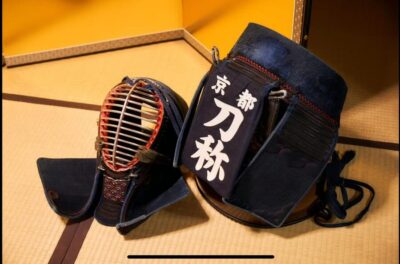
Kendo and Samurai Experience with Uniform and Gear
Read our review →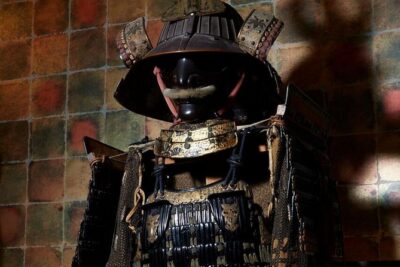
Skip the lines Basic Ticket at SAMURAI NINJA MUSEUM KYOTO
Read our review →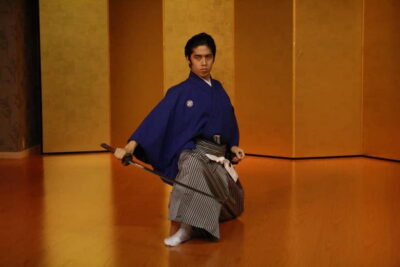
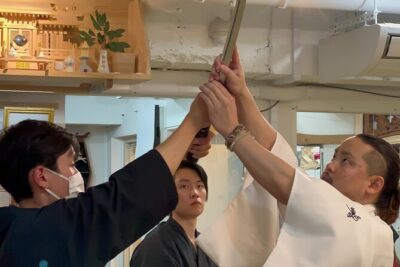
Samurai Training with Modern day Musashi in Kyoto
Read our review →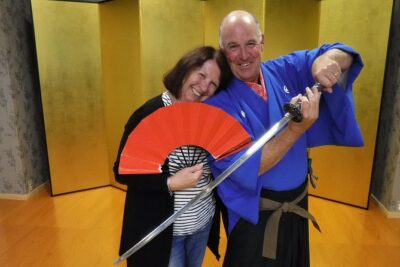

Private Tea Ceremony and Sake Tasting in Kyoto Samurai House
Read our review →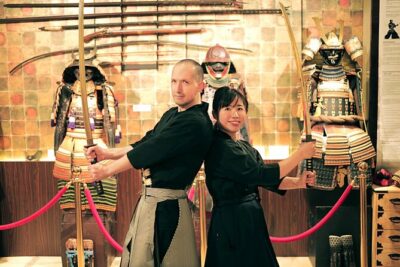
Kyoto Sword Experience – includes Museum Ticket/Ninja Experience
Read our review →Browse the lists this tour appears in