
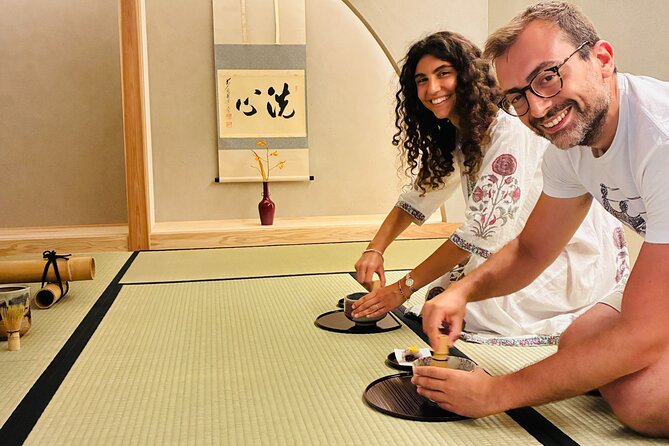
Reviewed · KYOTO TEA CEREMONIES
Kyoto: Newly Opened Tea Ceremony – Sanjo Chasuian
Kyoto’s Sanjo Chasuian tea ceremony gives you more than a polite cup of matcha. You first watch the host prepare tea, then make your own bowl, all within a quiet room built around the traditional nijiriguchi, a small crawl-in doorway meant to leave the outside world behind. I like the clear English explanations and the chance to learn by doing. I also like that the experience includes two bowls of matcha and a seasonal sweet from a Kyoto confectioner with more than a century of history.
The main consideration is the strict timing. You may enter only from five minutes before the start, and the door is locked once the session begins. The shared session also has a limit of 10 people, so this is calm and structured rather than a casual drop-in activity.
Key points
- Two bowls of matcha: Watch the host prepare one bowl, then whisk a second bowl yourself or with your companion.
- Five-minute walk from Karasuma Oike: The central location makes this easy to fit between sightseeing stops.
- A real nijiriguchi: Crawl through the low entrance into the tea room, a small detail with a strong symbolic purpose.
- Seasonal wagashi included: The traditional sweet comes from a Kyoto shop with more than 100 years of history.
- English instruction: Hosts such as Yuko and Reina explain the ritual, utensils, and background in English.
- One calm hour: The format suits a busy Kyoto schedule, but children under 6 and wheelchair users cannot take part.
Why this one-hour Kyoto tea ceremony works
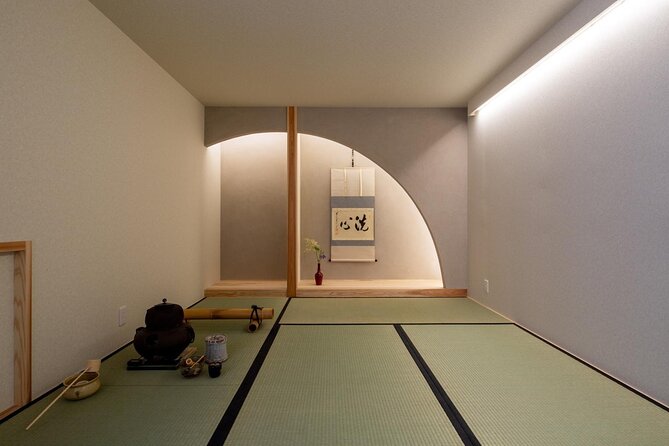
Tea ceremony can be intimidating if you picture a formal event where you must already know how to sit, bow, or hold every utensil correctly. Sanjo Chasuian takes a more welcoming route. The host explains the history and meaning first, then shows you the process before asking you to try it.
That order matters. You can watch the formal preparation without interrupting it with questions, because the main points have already been explained. When it is your turn, you know what the whisk, bowl, sweets, and gestures mean.
I especially like the balance between demonstration and participation. Some tea experiences are mostly performances. Here, you receive one bowl prepared by the host and make the second yourself. You are not simply watching Japanese culture from the edge of the room.
The setting is also practical. Sanjo Chasuian is about a five-minute walk from Subway Karasuma Oike Station, in central Kyoto. You can reach it without arranging a hotel pickup, and the one-hour length leaves room for a castle visit, shopping, or dinner afterward.
More tea ceremonies in Kyoto:
- Kyoto: Tea Ceremony in a Traditional Tea House in Kiyomizu
★ 4.9 · 3,519 reviews - Kyoto: Tea Ceremony Ju-An at Jotokuji Temple
★ 4.9 · 3,207 reviews - Kyoto: 45-Minute Tea Ceremony Lesson Experience
★ 4.3 · 2,378 reviews
Entering through the nijiriguchi
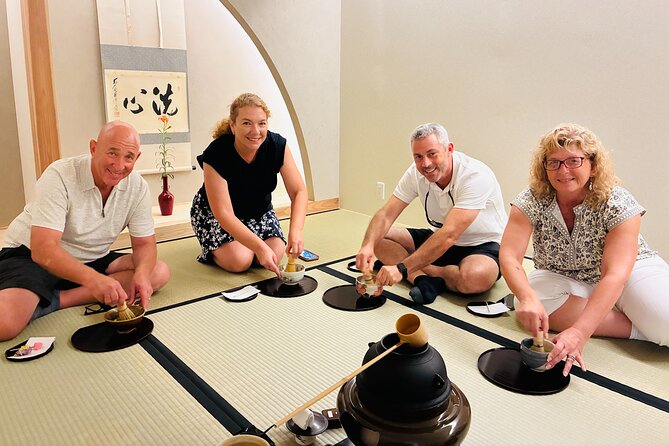
The nijiriguchi is one of the experience’s most memorable details. It is a low, crawl-in entrance leading into the tea room. Traditionally, this small doorway required everyone to lower themselves before entering, regardless of social position. Inside the tea room, the focus shifts from the outside world to the shared act of preparing and receiving tea.
You do not need to be an expert in Japanese architecture to appreciate the effect. The entrance changes your posture and slows you down immediately. It gives the ceremony a clear boundary, rather than making it feel like a standard demonstration room.
Chairs are available if sitting on the floor is uncomfortable. That is useful, though the activity is not suitable for wheelchair users. You should also bring or wear socks, since the tea room is a shoes-off cultural setting.
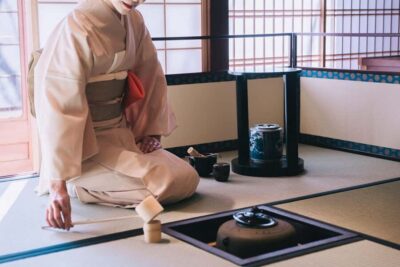
The room is designed for quiet attention. The host performs a series of measured movements, and each action has a purpose. The placement of the bowl, the handling of the whisk, and the way the tea is offered all encourage care rather than speed.
The opening explanation with Yuko or Reina
Your host begins with an introduction to matcha and the tea ceremony’s history. The English guidance is aimed at international visitors, and the hosts named in the experiences include Yuko and Reina. Both are described as warm, careful, and clear in their instruction.
This opening section is more useful than a short scripted welcome. You learn why the ceremony values respect, calm, and attention to the present moment. You also get a preview of what will happen, which makes the later silent portions easier to follow.
You have time to ask questions before the formal preparation begins. That is a good arrangement. Once the ceremony is underway, conversation is limited so the atmosphere can remain still and focused.
One small caution: English pronunciation may vary by host. One person found a guide somewhat difficult to understand, although the ceremony itself remained well organized. If you have detailed questions, ask them during the introduction rather than waiting until the quiet portion.
First bowl, host-prepared matcha and seasonal wagashi
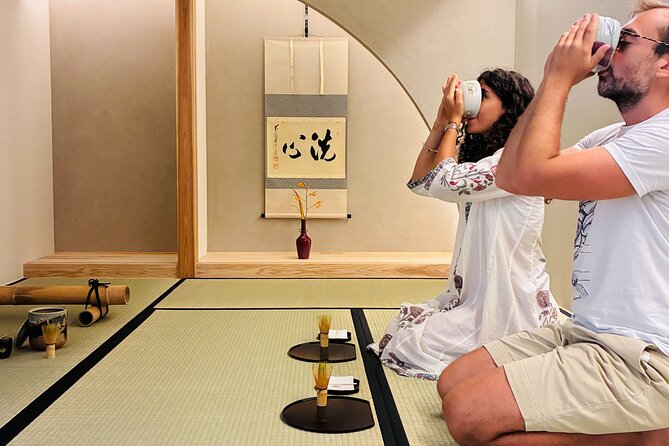
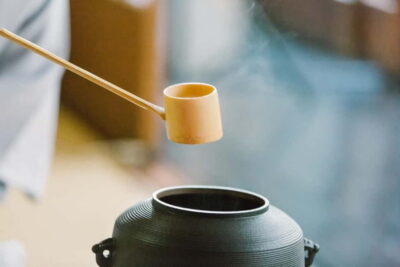
The first serving is prepared by the host. Watch the whisking, the handling of the bowl, and the deliberate sequence of movements. The point is not just to produce a drink. The preparation turns an everyday beverage into a carefully shared moment.
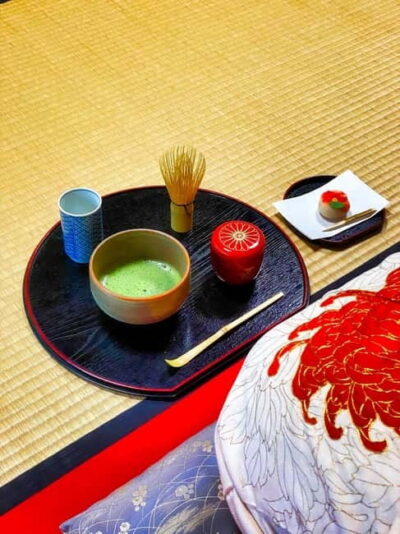
You receive a traditional seasonal Japanese confectionery, usually called wagashi, with the tea. The sweet comes from a Kyoto confectioner with more than 100 years of history. Its role is practical as well as decorative: the sweetness balances the bitter, grassy taste of matcha.
The wagashi adds a seasonal note that a packaged snack would not provide. Its appearance and flavor are part of the ceremony, and the host can explain how it fits with the tea. Exact varieties are not specified, so do not book this expecting one particular sweet.
The first bowl is also a chance to settle into the room. Matcha has a distinctive flavor, and it is not the same as a mild green tea. If you already enjoy matcha, you will likely appreciate its concentrated taste. If you are unsure, the small serving makes this an easy way to try it without committing to a full café drink.
A few more Kyoto tours worth putting on the shortlist
- PERFECT KYOTO 1-Day Bus Tour
★ 5.0 · 13,518 reviews - Kyoto: Fushimi Inari, Kinkakuji, Bamboo Grove 1 Day Bus Tour
★ 4.8 · 4,316 reviews - Kyoto Geisha Walking Tour: Gion District & Hidden Gems
★ 4.7 · 3,273 reviews - Kyoto: Gion Magical Night Walking Tour with Geisha Trivia
★ 4.9 · 2,393 reviews
Your turn to whisk the second bowl
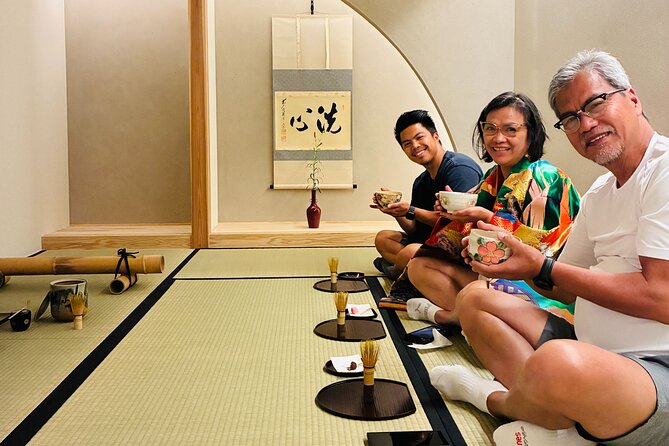
The hands-on section is the heart of the activity. You choose a tea bowl and use the bamboo whisk under the host’s guidance. You can prepare the bowl yourself or make it with your companion, depending on the arrangement.
The task looks simple until you try it. The whisk needs steady, quick movement, and you must work with enough care to create the right texture. You will gain a better understanding of the concentration required by watching the host first, then trying the process yourself.
This is where the experience becomes memorable rather than merely informative. You are not expected to produce a perfect bowl. The host gives clear instructions and helps you through each stage, so beginners can take part without feeling tested.
Hosts may also take photographs or videos while you make the tea. That is a useful touch for couples and families with older children, since everyone can have a record of the activity without interrupting the ceremony.
You then drink the matcha you made. The result may not look exactly like the host’s, but that is part of the lesson. You feel the difference between watching a practiced movement and carrying it out yourself.
A calm break from Kyoto’s busy schedule
Kyoto sightseeing often means moving from station to temple to restaurant with little time to stop. This one-hour session provides a quiet pause without requiring a full afternoon.
The atmosphere is intentionally restrained. The host explains the process, performs the ceremony, and gives you time to focus. Several people found the experience especially helpful after days of a fast-moving Japan itinerary.
I would schedule it before dinner or between central Kyoto sights. The location near Karasuma Oike makes it convenient for a mid-day or late-afternoon stop. You should not arrive at the last second, though. Entry is allowed only from five minutes before the session, and even one minute of lateness means you cannot join or receive a refund.
That rule may feel severe, but it protects the ceremony’s quiet mood. A late arrival would require the door to open during the formal sequence and disturb everyone inside. Plan extra time to find the building, even though the walk from the station is short.
Shared sessions, size, and the right kind of atmosphere
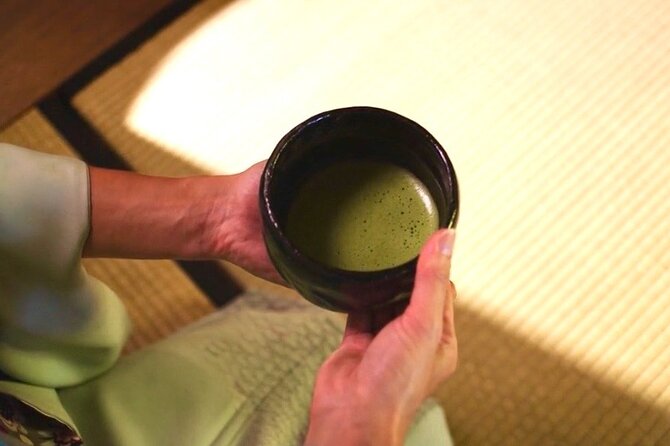
The shared plan is a group session with up to 10 participants. That is small enough for direct instruction and questions, but it is not a private tea lesson.
A group setting can add warmth. You see other people try the whisking step, and the host can explain common points to everyone at once. It also keeps the price at about $31 per person, a reasonable rate for a one-hour English-language activity that includes two bowls of matcha, a traditional sweet, instruction, and a hands-on segment.
The tradeoff is less control over the pace. If one person asks several questions or needs extra help, the timing may feel less personal. The shared plan is not suitable for children under 5 who need an interpreter. The stated minimum age is under 6 not suitable, so families should check the booking conditions carefully.
If you need a private setting, or if a young child or interpreter is involved, book the Private Plan rather than trying to use the shared session. Booking the wrong format can mean no participation and no refund.
What the $31 price really covers
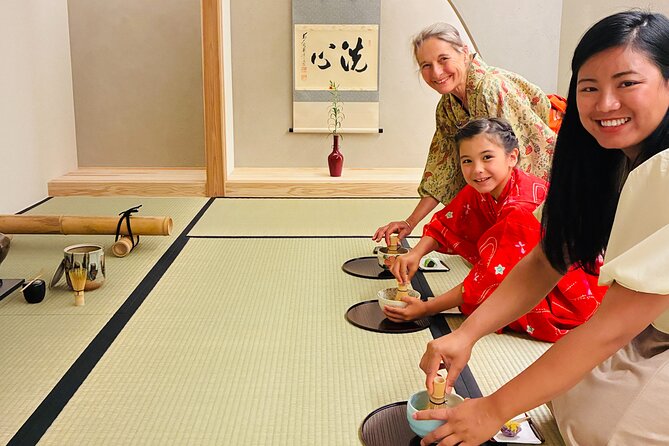
At $31, this is not simply a drink and a sweet. You are paying for a guided cultural lesson, a formal demonstration, two servings of matcha, a traditional confection, and the chance to handle the tools yourself.
The value is strongest if you want context. A cup of matcha at a café costs less, but it will not explain the ceremony’s movements or let you enter through a nijiriguchi. A more elaborate private ceremony may offer more personal attention, but this small-group format costs less and fits neatly into a sightseeing day.
The experience provider also sells matcha, tea bowls, and selected tea items. You can browse or buy afterward, but there is no pressure to purchase. One person bought matcha and a tea set after the session, while another wished the specific tea bowl used in the activity had been available. Treat the shop as an optional extra, not part of the main value.
A grand opening discount is advertised through September 15. Since promotional dates can change, check the current price when booking rather than assuming the discount still applies.
Clothing, chairs, and small practical details
Wear socks or bring a pair. This is the most important packing instruction, and it is easy to overlook when you are walking around Kyoto in sandals.
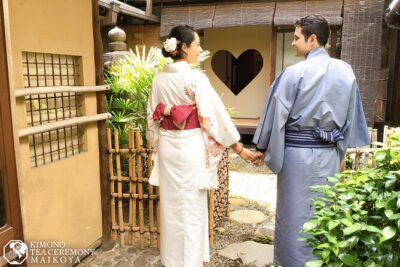
Standard kimono rental and dressing are not included. An optional uchikake, a coat-style kimono, may be available for ¥1,500 including tax. You ask about it on the day, with no advance reservation, and quantities are limited. It is not a full kimono rental service.
Some people were able to wear traditional coats during the experience, and staff helped adjust clothing when needed. Still, you should not book this expecting a complete dress-up photo session.
Chairs are available for those who prefer them. The activity is not wheelchair accessible, however, and it is not suitable for children under 6. These limits are worth checking before you pay, especially for a family group.
Cancellation is flexible up to 24 hours before the start for a full refund, and you can reserve now and pay later. The strict point is the arrival time, not the cancellation window.
Who will enjoy Sanjo Chasuian most
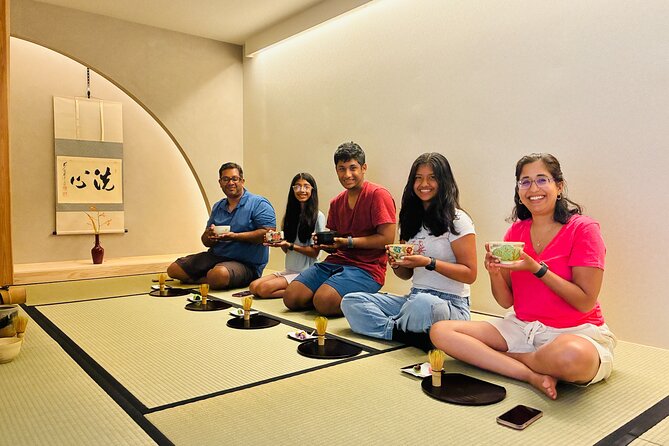
I would recommend this for a first introduction to Japanese tea ceremony, especially if you want English instruction and a chance to participate. It works well for couples, solo visitors, and friends who want a calm cultural activity rather than another busy sightseeing stop.
It is also a good choice if you have limited time in Kyoto. In one hour, you receive historical context, a formal demonstration, a seasonal sweet, and a practical matcha lesson. The central location makes it easier to fit into a day.
This may not suit you if you want a long, highly formal ceremony with extended silence and no tourist-oriented explanation. The activity is designed for international visitors, so it teaches the traditions in an accessible way rather than assuming prior knowledge.
It is also a poor match for anyone who cannot arrive early, needs wheelchair access, or is bringing a child under 6. The shared format has firm rules, and the host cannot bend them once the ceremony starts.
Should you book this Kyoto tea ceremony?
Yes, if you want an accessible, hands-on introduction to matcha without giving up half a day. The two-bowl format is the strongest reason to choose it: you see the host’s precision, then discover what the process feels like in your own hands.
The seasonal wagashi and nijiriguchi give the hour a real sense of place, while the English explanations keep the ritual understandable. At roughly $31, the experience offers good value for a central Kyoto activity, provided you arrive early, wear socks, and accept the shared-group format.
Book it if calm instruction, cultural context, and participation appeal to you. Skip it if you need wheelchair access, full kimono dressing, or a completely private ceremony unless you arrange the appropriate plan.
FAQ
Where is Sanjo Chasuian located?
Sanjo Chasuian is about a five-minute walk from Subway Karasuma Oike Station in Kyoto. The facility has a large plate displaying the Sanjo Chasuian logo and name by the entrance.
How long does the tea ceremony last?
The experience lasts one hour. Check the available starting times when you book.
How much does the experience cost?
The listed price is $31 per person. A grand opening discount is advertised through September 15, but you should confirm the current price when booking.
How many bowls of matcha are included?
Two bowls are included. The host prepares the first, and you make the second yourself or with your companion.
Is the activity conducted in English?
Yes. The guidance and explanations are provided in English by the instructor.
Is the seasonal Japanese sweet included?
Yes. A traditional seasonal Japanese confectionery from a Kyoto confectioner with more than 100 years of history is included.
What should I bring?
Bring or wear socks. Chairs are available if you prefer not to sit on the floor.
Can children or wheelchair users join?
Children under 6 and wheelchair users cannot take part. Children under 5 who require an interpreter must use the Private Plan rather than the Shared Plan.
Newest Kyoto experiences on the site
- Treasures of Kyoto: Gion & historical Walking Tour★ 5.0 · 6 reviews
- Whisk Your Own Matcha: A Zen Matcha Experience at Temple★ 3.6 · 7 reviews
- Kyoto tea town for matcha lovers★ 5.0 · 16 reviews
- Uji: Private immersion into Kyoto’s tea and reglious culture★ 5.0 · 17 reviews
- Kyoto Matcha Green Tea Tour★ 4.5 · 23 reviews
- Uji and Wazuka Matcha Farm Half Day Private Guided Tour★ 5.0 · 21 reviews
- Utilising upcycled Matcha! Creating matcha incense (Uji, Kyoto)★ 5.0 · 6 reviews
- Sacred Temple Yoga Experience in Japan★ 5.0 · 3 reviews
Kyoto Tea Ceremonies, compared.
Tea Ceremony in a Traditional Tea House in Kiyomizu
Read our review →
Tea Ceremony in 100-year-old Kyo-Machiya Townhouse
Read our review →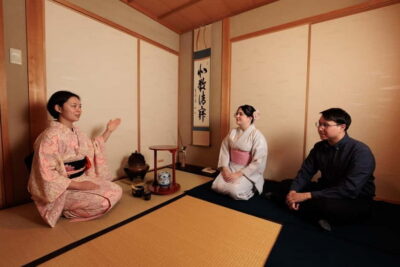
Browse the lists this tour appears in