
Reviewed · KYOTO KIMONO RENTALS
Kyoto Kimono Professional Photoshoot
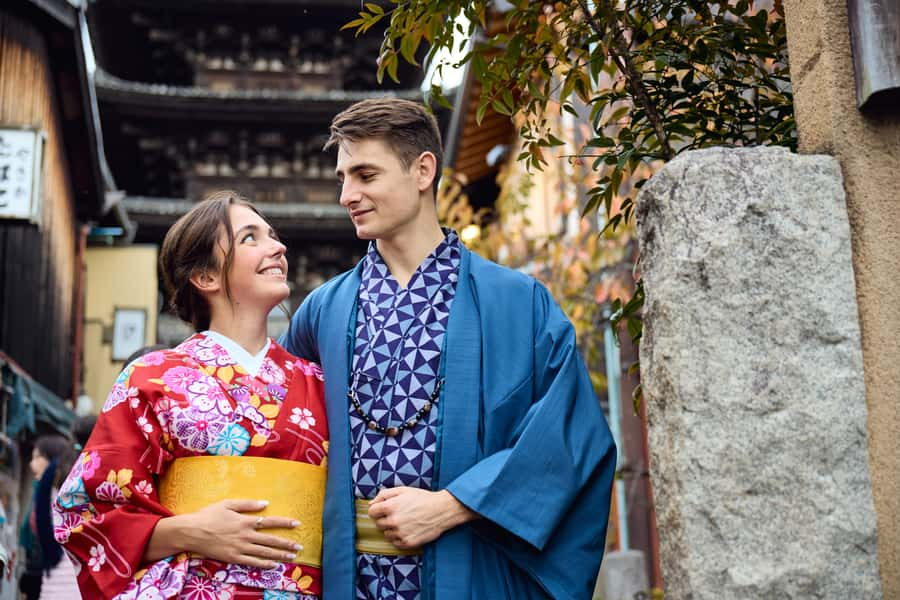
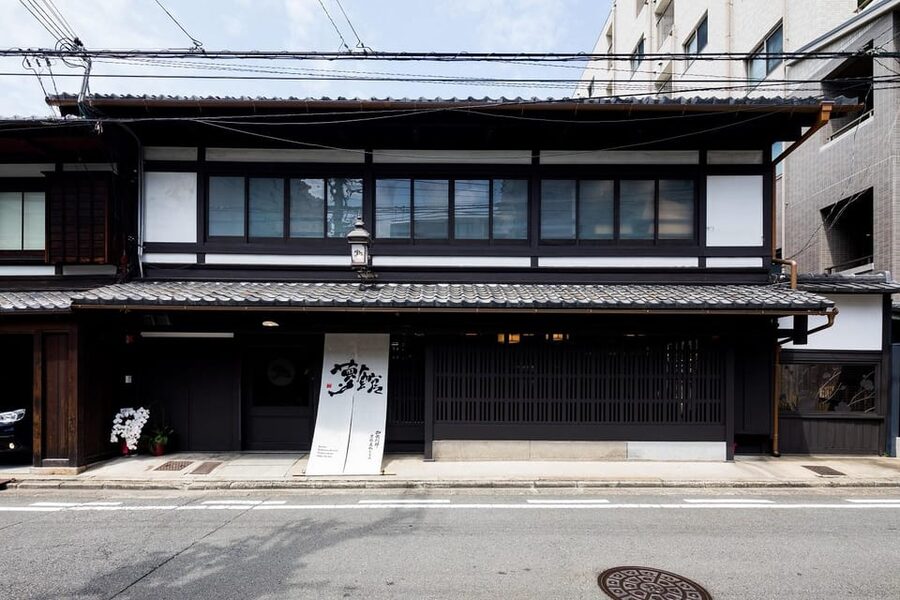
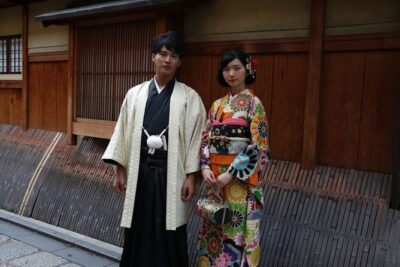
Kyoto’s best souvenir may be a set of photographs showing you in a kimono inside a 100-year-old machiya, the traditional wooden townhouse style that once shaped the city. You first choose your outfit at Yumeyakata Gojo, then take a taxi to the townhouse or Higashiyama for a guided session with a professional photographer.
I like the choice between a quiet indoor setting and the old streets of Higashiyama. I also like that you can keep the casual kimono on after the shoot and walk around Kyoto before returning it by 5:30 PM. The main caution is photo delivery: the standard package says 50 edited images, while the wider sales description refers to 100 or more, and one booking received only 16. Confirm exactly what your package includes before paying.
Key points to know before booking
- Two very different settings: Choose a traditional townhouse for controlled indoor portraits, or Higashiyama for wooden lanes, pagodas, temples, and outdoor light.
- Yoshino may guide your poses: The photographer is named Yoshino, and the session includes practical help with posture, walking, and kimono poses.
- The kimono stays with you after the shoot: You can continue sightseeing in Kyoto, but return the rental to the Gojo shop by 5:30 PM.
- Base package details need checking: The included information lists a casual kimono, about 30 minutes of photography, and 50 digital images. An extension adds 30 minutes and 50 more images.
- Extras can change the price: Hair styling, makeup, formal kimono upgrades, decorations, customized hairstyling, and false eyelashes cost extra.
- Plan for a taxi: Transportation from the Gojo shop to the townhouse or Higashiyama is not included and costs about 1,600 yen per taxi.
Choosing between the machiya and Higashiyama settings
The two versions share the same basic beginning. You arrive at Yumeyakata Gojo at your reserved time, select a kimono, and get dressed before heading to the photography location.
The traditional townhouse option gives you a calm, carefully arranged setting. Yumeyakata Oike Bettei is a 100-year-old machiya, so the building itself supplies much of the character. You can expect wooden interiors, traditional details, and a quieter backdrop than you would find on a public street.
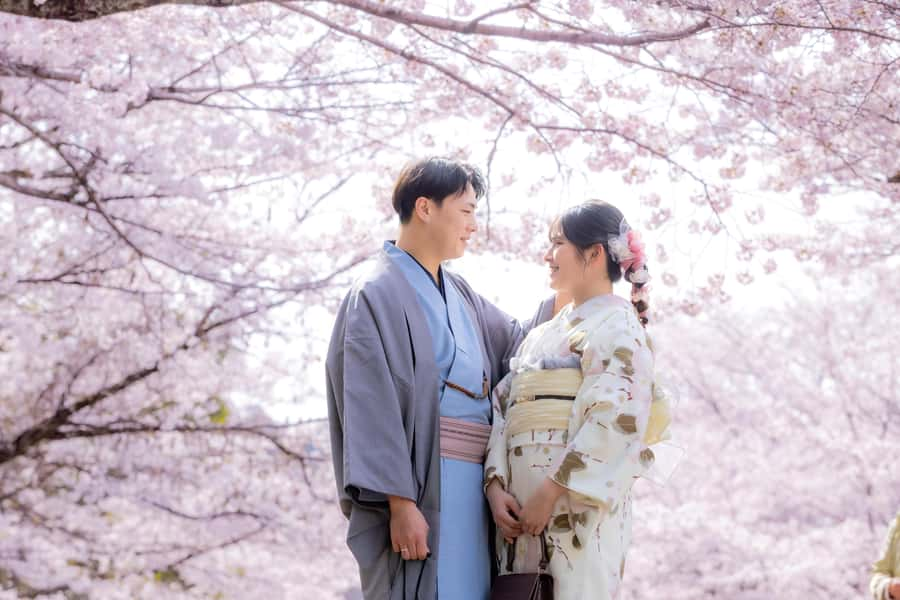
The Higashiyama option takes you outdoors into one of Kyoto’s most recognizable old districts. The photographer accompanies you, so you do not have to find the photo locations alone or manage directions in an unfamiliar area. Wooden streets, pagodas, temples, and changing natural light become part of the pictures.
I would choose the machiya if your priority is a polished portrait session with fewer distractions. It also makes sense in poor weather, though the supplied details do not promise a specific indoor backup for the Higashiyama version.
Choose Higashiyama if you want your photos to show more of Kyoto itself. The setting gives the images a stronger sense of place, but outdoor photography can mean more walking and less control over light, people, and conditions.
More kimono and yukata rentals in Kyoto:
- Kimono Tea Ceremony at Kyoto Maikoya, NISHIKI
★ 5.0 · 911 reviews - Kyoto: Kimono Rental with Hairstyling and Accessories
★ 4.8 · 653 reviews - Kyoto: Kimono Tea Ceremony at Orizuruya Gion
★ 4.9 · 618 reviews
Selecting a kimono at Yumeyakata Gojo
Your visit begins at Yumeyakata Gojo, where you select from a broad range of colors, patterns, and sizes. The base rental is a casual kimono, suitable for wearing around Kyoto after the session.
This part is more than a quick costume change. The color and pattern you choose will shape every photograph, so take a moment to consider the backdrop. A bold design may read well against the wooden interior of the machiya, while a softer color may blend nicely with the old streets of Higashiyama. The exact choices available depend on the shop’s stock that day.
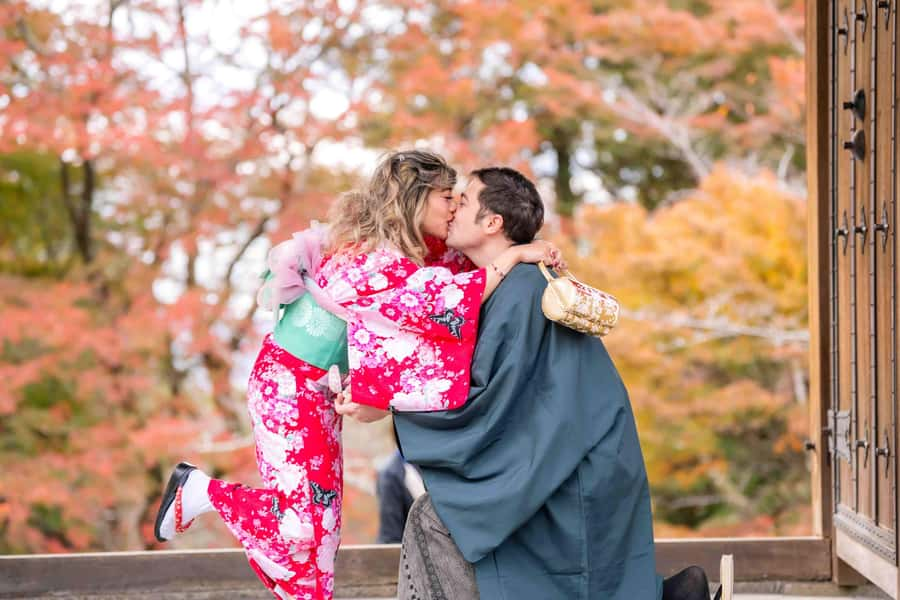
Women can add hair styling, makeup, and a hair accessory. You can also upgrade to a formal kimono such as a Houmongi, Furisode, or Montsuki Hakama. These are not small changes. A formal garment may make the session feel more ceremonial, but the upgrade carries an extra charge and may affect how easily you move around Kyoto afterward.
There are also on-the-spot add-ons. Kimono decorations begin at 220 yen, customized hairstyling costs an additional 1,100 yen, and fake eyelashes cost 550 yen. Ask about these charges before agreeing to them. One booking included a complaint about unexpected extra fees and difficulty communicating in English, so a clear price check is sensible.
The listed languages are Japanese and English. Still, it helps to keep your request simple and confirm the total cost before the dressing process is complete.
Getting from the shop to your photo location
After dressing, you make your own way to the selected location by taxi. The ride costs about 1,600 yen per taxi and is not included in the price.
For the machiya session, the destination is Yumeyakata Oike Bettei. For Higashiyama, the photographer goes with you. That is useful if you are concerned about finding the correct streets or communicating with the driver, though you should still allow time for the transfer.
The price is listed as $124 per group up to one person. That wording deserves attention when you book. It appears to describe a single-person booking, but the available details do not explain how pricing changes for two or more people. If you are planning a couple’s or family session, confirm the group price directly rather than assuming the listed amount covers everyone.
The taxi ride is a modest extra compared with the activity price, but it matters because you may need more than one taxi for a larger party. You also need to return to Gojo by the deadline, so do not plan a far-flung afternoon after the shoot.
What happens during the 30-minute photo session
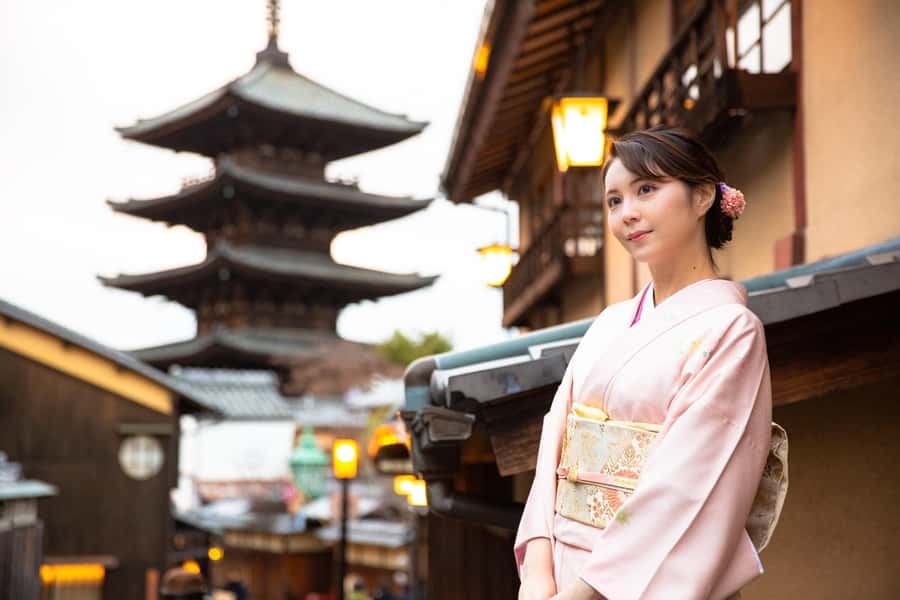
The standard shoot lasts about 30 minutes. That is enough time for a focused set of portraits, but it is not a full-day photography experience.
The photographer directs your posture and shows you how to pose in a kimono. You will also learn how to walk in a more Japanese style, which matters because kimono changes your stride and body position. The guidance can help if you are not used to formal clothing or posing in front of a camera.
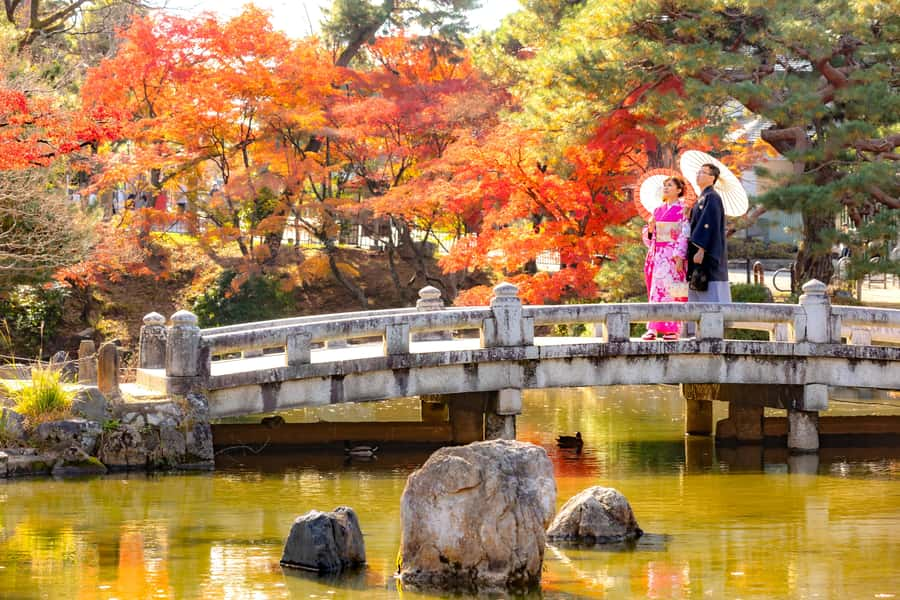
At the machiya, props such as a Japanese umbrella add shape and color to the pictures. The old house provides a consistent background, allowing the photographer to work with the architecture and your clothing without moving far.
At Higashiyama, the photographer looks for attractive traditional spots and works with natural light. The result should feel less like a studio portrait and more like a record of your time in Kyoto. You will need to follow directions carefully, since good posture and a neat kimono make a large difference in the final images.
The photographer Yoshino received especially strong praise for giving useful posing tips and listening to personal ideas. That combination is worth noting. A photographer who directs you firmly can keep the session moving, while someone willing to hear your preferences can make the pictures feel less stiff.
If you have a specific pose or image in mind, say so early. The session is short, and the photographer cannot guess what you want.
More photoshoots in Kyoto:
- Kyoto: Maiko Makeover and Photoshoot Experience
★ 4.7 · 239 reviews - Kyoto: Private Photoshoot Service
★ 5.0 · 158 reviews - Your Private Vacation Photography Session In Kyoto
★ 5.0 · 110 reviews - Kyoto: Tea Ceremony with Kimono and Photoshoot
★ 4.9 · 90 reviews
Wearing the kimono around Kyoto afterward
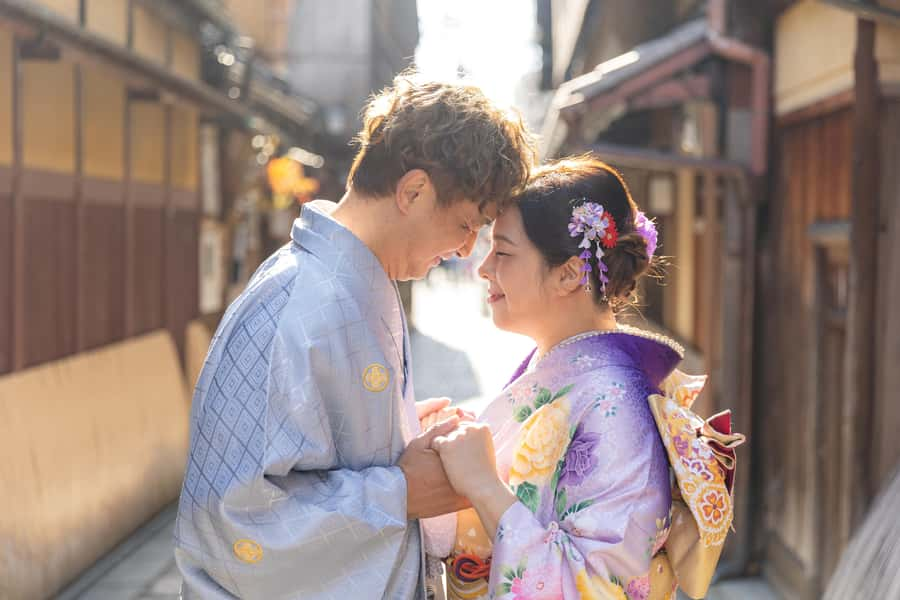
One of the best practical features is the chance to keep the kimono after the photo session. You are free to stroll around Kyoto before returning it to Yumeyakata Gojo by 5:30 PM.
This turns the rental into more than a brief portrait appointment. You can continue the day in character, perhaps visiting nearby streets or taking more personal photographs. The supplied details do not list a fixed sightseeing route, so you are responsible for planning an outing that fits the return time.
Remember that a kimono is not ordinary casual clothing. Walking may feel slower, and the outfit can make stairs, long distances, and crowded streets less comfortable. The experience is not suitable for pregnant women, wheelchair users, people with mobility impairments, or anyone over 200 centimeters or 95 kilograms. Electric wheelchairs are also not allowed.
Do not eat or drink during the experience, use strong fragrances, bring pets, smoke, or wear your own costume. The rules are strict because the clothing and traditional house need careful handling.
Understanding the photo package and delivery
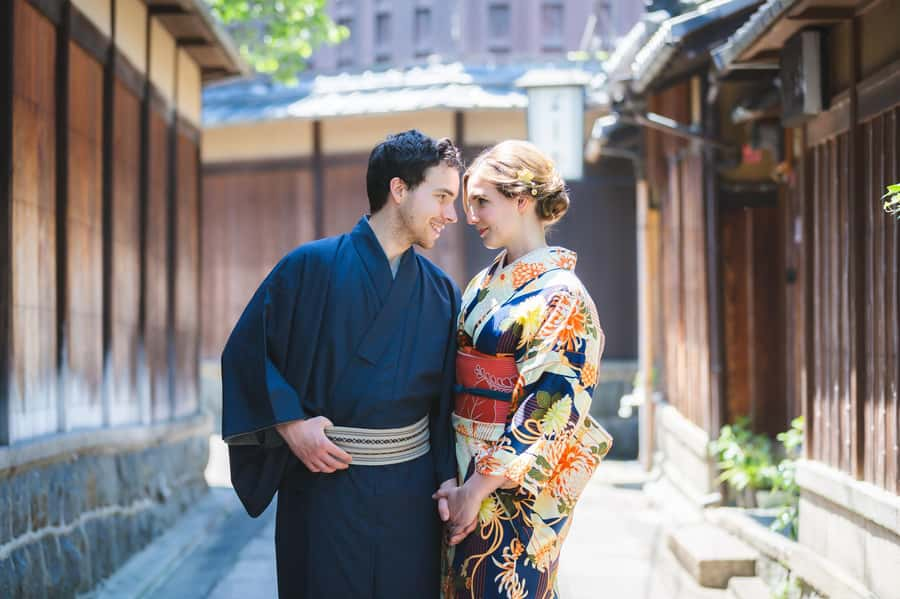
The included details list 50 digital images for the basic 30-minute session. An optional 30-minute extension adds another 50 digital images, bringing the stated total to 100.
At the same time, the broader description refers to receiving 100 or more digital photos. Those figures do not line up neatly with the base package, so ask one direct question before booking: how many edited files are included in the exact option I am selecting?
The edited photos are sent by email about 3 to 7 days after the shoot. Keep an eye on your inbox and spam folder during that period. One person waited more than a month without receiving the promised images, while another received only 16 files. These problems may not represent every booking, but they are serious enough to justify saving your booking confirmation and checking the delivery promise.
Do not leave Kyoto before the email arrives if the photographs are essential to your trip. If you do not receive them within the stated time, contact the provider promptly through the booking channel.
Is the $124 price good value?
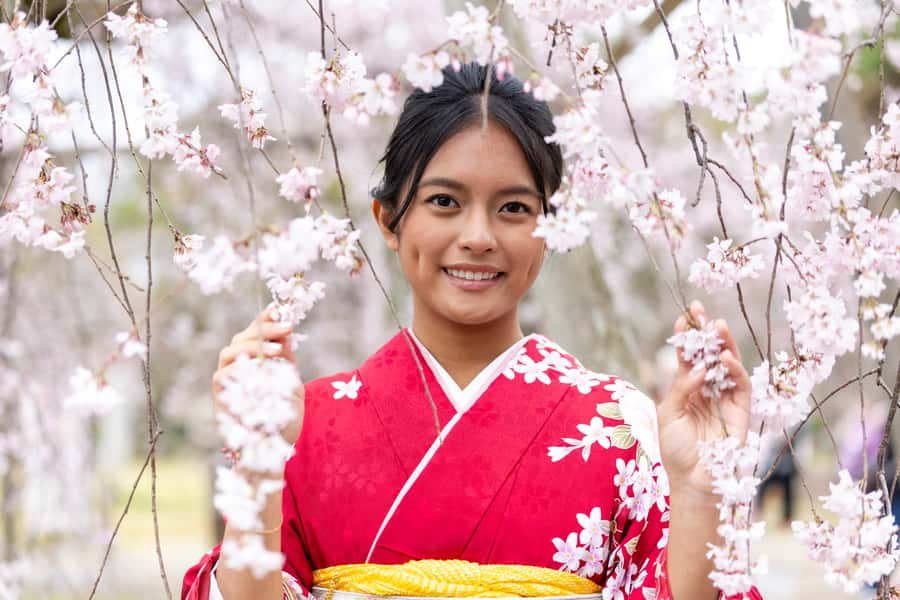
The value depends on what you want from the day. You are paying for the kimono rental, dressing, a professional session, location access or guidance, and edited digital photographs. For someone who wants a ready-made cultural portrait without arranging clothing and a photographer separately, that can be a fair package.
The price looks less attractive if you only want to wear a kimono for a few casual snapshots. In that case, a basic rental without photography may be enough, though no alternative price is provided here.
The standard package is also more appealing if you care about professional direction. Many people know how to smile at a camera but not how to hold their shoulders, position their hands, or walk naturally in a kimono. The photographer’s instruction is part of the value.
Add-ons can quickly change the total. Hair styling, makeup, a hair accessory, a formal kimono, a longer shoot, and extra images are optional. Taxi fare is separate, as are decorations and certain beauty services. I would set a firm budget before arriving and ask for the final total before choosing extras.
Who will enjoy this most
This experience suits you if you want a polished Kyoto keepsake and like the idea of dressing in traditional clothing for more than a few minutes. It is especially useful for solo visitors, couples, or small parties who want professional photographs without arranging every detail themselves.
The machiya version fits you if you prefer an intimate indoor setting and a strong sense of old Kyoto architecture. Higashiyama fits you if the streets and temples matter as much as the clothing.
It is less suitable if you dislike posing, have limited mobility, need a wheelchair, or want a relaxed activity with no fixed return time. The deadline of 5:30 PM also limits how far you can wander after the session.
The formal kimono option may appeal to you for a special occasion, but casual kimono is the sensible choice if you plan to walk around Kyoto afterward. The supplied information does not explain how much the formal upgrades cost, so confirm that before choosing one.
How to get the best photographs
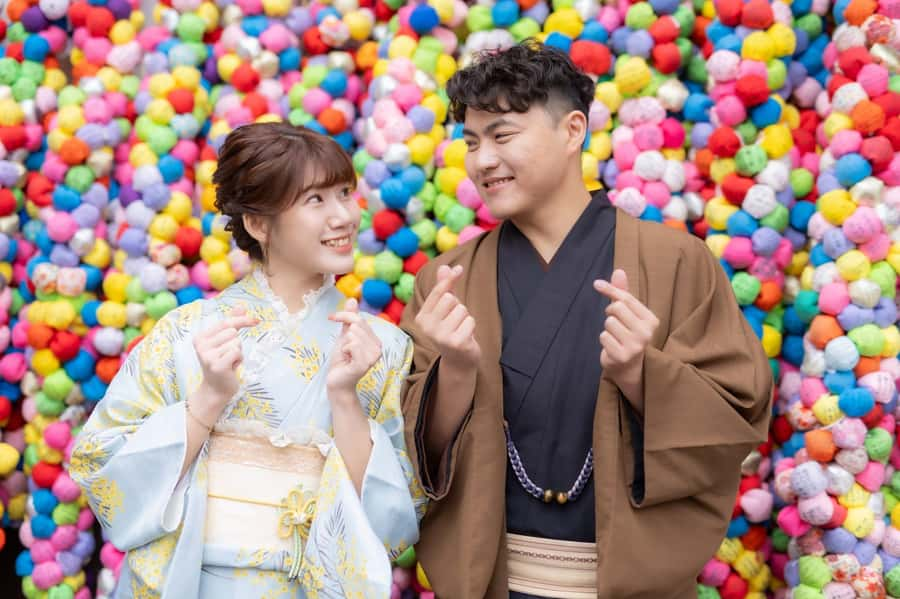
Arrive with a clear idea of the mood you want, even if you do not have a precise pose in mind. You might prefer a formal portrait, a playful umbrella image, or photographs that show more of the old streets. Tell Yoshino or your assigned photographer at the start.
Choose your kimono with the location in mind. A pattern that looks striking on the rack may photograph differently beside dark wood or temple streets. You can also ask about hair styling if your usual hairstyle will not work comfortably with the kimono.
Use the photographer’s instructions. Kimono poses often look simple, but small changes in hand position, shoulder angle, and foot placement can make the image feel more natural. The point is not to imitate a costume pose. It is to let the clothing and setting look at home together.
Finally, protect your schedule. Allow time for dressing, the taxi ride, the 30-minute shoot, and the return trip to Gojo. Since the kimono must be returned by 5:30 PM, a loose plan is better than an ambitious one.
Should you book the Kyoto kimono photoshoot?
Book it if you want professional photographs tied closely to Kyoto’s old architecture and you are comfortable with a timed, structured appointment. The machiya option offers a controlled portrait setting, while Higashiyama gives you recognizable streets and outdoor scenery. The ability to keep the kimono for sightseeing adds real value.
Before you commit, confirm the exact number of edited images, the price of every add-on, and the price for more than one person. I would also keep the email delivery promise and the 5:30 PM return time in mind.
For a personal souvenir with useful posing guidance, this is a good choice. For a casual kimono stroll or a completely flexible afternoon, it may feel too organized.
FAQ
Where does the experience begin?
You begin at Yumeyakata Gojo Shop in Kyoto at your reserved time. This is where you select your kimono and get dressed.
Can I choose between an indoor and outdoor photoshoot?
Yes. You can choose a 100-year-old traditional Kyoto townhouse or an outdoor session in Higashiyama.
How long is the standard photoshoot?
The standard session lasts about 30 minutes.
How many digital photos are included?
The included details state that the basic package provides 50 digital images. An optional 30-minute extension adds 50 more digital images. Because another description refers to 100 or more images, confirm the exact number for your selected package.
Can I wear the kimono after the photoshoot?
Yes. You may wear it while strolling around Kyoto, but you must return it to the Gojo shop by 5:30 PM.
Is transportation included?
No. Transportation from Gojo Shop to the townhouse or Higashiyama is not included. A taxi costs about 1,600 yen per taxi.
Are hair and makeup included?
They are available as add-ons for women, not as standard inclusions. Hair accessories, customized hairstyling, makeup, and false eyelashes may involve separate charges.
When will I receive the edited photos?
The edited photos are sent by email about 3 to 7 days after the photoshoot.
Who cannot take part?
The experience is not suitable for pregnant women, people with mobility impairments, wheelchair users, people over 200 centimeters or 95 kilograms, or users of electric wheelchairs. Pets, smoking, food, drinks, strong fragrances, and costumes are also not allowed.
Newest Kyoto experiences on the site
- Whisk Your Own Matcha: A Zen Matcha Experience at Temple★ 3.6 · 7 reviews
- Treasures of Kyoto: Gion & historical Walking Tour★ 5.0 · 6 reviews
- Kyoto tea town for matcha lovers★ 5.0 · 16 reviews
- Uji: Private immersion into Kyoto’s tea and reglious culture★ 5.0 · 17 reviews
- Kyoto Matcha Green Tea Tour★ 4.5 · 23 reviews
- Uji and Wazuka Matcha Farm Half Day Private Guided Tour★ 5.0 · 21 reviews
- Utilising upcycled Matcha! Creating matcha incense (Uji, Kyoto)★ 5.0 · 6 reviews
- Sacred Temple Yoga Experience in Japan★ 5.0 · 3 reviews
Kyoto Kimono Rentals, compared.
KYOTO Tea Ceremony with kimono near by Imamiya Jinjya Shrine
Read our review →
Kimono and Tea Ceremony Experience at Cultural Asset
Read our review →
Family-Friendly Kimono & Yukata Experience at WARGO
Read our review →
1 Day Traditional Japanese Kimono Rental Experience
Read our review →Browse the lists this tour appears in