
Reviewed · 1-DAY TOURS
Kyoto Customized Private Tour: See Top Attractions in 1 Day
Kyoto is easiest to enjoy when you do not try to force its biggest sights into one rigid schedule. This private tour lets you work with an English-speaking guide before the day begins, then shape your route around temples, shrines, old streets, food, or shopping. I especially like the chance to choose between Kinkakuji and Arashiyama and the freedom to slow down when a place catches your attention.
I also like that guides such as Kenji, Kaori, Akiko, and Yasuma have adjusted plans to suit families, answered questions patiently, and helped with practical matters such as arranging a taxi. The main catch is simple: this is a walking tour without a private vehicle, so covering distant parts of Kyoto in one day requires public transport or local taxis, plus comfortable shoes.
Key points to know before booking
- Your route is planned with the guide: Choose famous sights, quieter streets, food stops, shopping, or cultural activities before the tour.
- The time limit shapes the day: A four-hour tour covers about two or three spots, six hours covers three or four, and eight hours covers four or five.
- The classic Kyoto sights are available: Options include Fushimi Inari, Kinkakuji, Arashiyama, Kiyomizu-dera, Gion, Ninenzaka, Sannenzaka, and Nijo Castle.
- You get a private group: The guide can adapt the pace for your party instead of moving with a large mixed group.
- Transportation costs extra: Hotel pickup and drop-off are included, but entrance fees, lunch, public transportation, taxis, and personal purchases are not.
- Walking is part of the deal: Bring comfortable shoes, cash, and no large bags or luggage.
A private Kyoto day that can bend to your plans
Kyoto rewards careful planning, but its major sights are spread across the city. Fushimi Inari lies in the south, Arashiyama in the west, and Kinkakuji in the northwest. Add Gion and Kiyomizu-dera in the east, and a day can disappear quickly.
That is where a private guide helps. You can explain what matters most before meeting, then build a sensible route instead of simply ticking off every famous name. The guide can also adjust the day as you go. If your group wants more time at a temple, fewer photo stops, or a break for lunch, the schedule can change.
The tour lasts four to eight hours. Four hours is best treated as a focused half-day. You might choose Fushimi Inari and Gion, or Kinkakuji and Arashiyama, but trying to do everything will make the day feel rushed. Six hours gives you room for three or four stops. An eight-hour day can cover four or five places, though distance and crowds still matter.
I would tell you to decide on your priorities before the tour. Do you care most about grand temples, traditional streets, photography, local food, or a gentle pace? Your answer will make the guide’s planning much more useful.
A few more Kyoto tours worth putting on the shortlist
- PERFECT KYOTO 1-Day Bus Tour
★ 5.0 · 13,518 reviews - Kyoto: Fushimi Inari, Kinkakuji, Bamboo Grove 1 Day Bus Tour
★ 4.8 · 4,316 reviews - 10 Must-see Spots in Kyoto One Day Private Tour (up to 7 people)
★ 5.0 · 1,108 reviews
Meeting at your Kyoto hotel
Hotel pickup and drop-off are included for hotels in Kyoto City. You need to provide the hotel name in advance, and the guide will meet you in the lobby. The activity also lists several central Kyoto pickup locations, including addresses in the 604-0831 and 604-0925 postal areas.
The wording is worth noting: pickup is limited to Kyoto City hotels. If you are staying outside the city, confirm the meeting point before booking. The guide can help you get moving, but this is not a chauffeur service.
You will travel between stops by public transportation or local taxi when needed. Those costs are extra. The lack of a private vehicle can be a drawback for anyone with mobility concerns or a tight schedule, but it also keeps the day closer to ordinary Kyoto life. You walk through neighborhoods, use the city’s transport system, and move at a pace set by your own group.
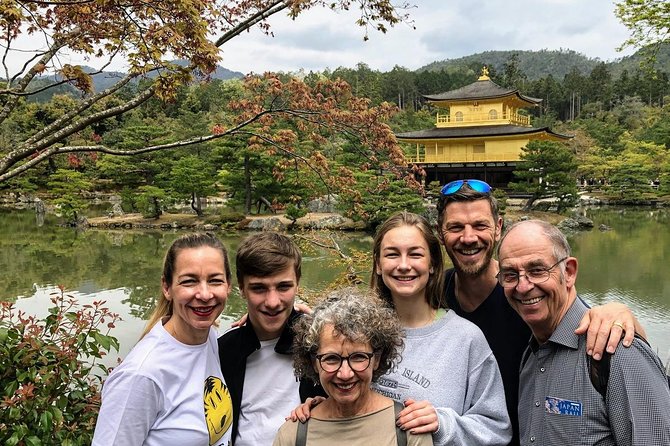
Kinkakuji, Kyoto’s Golden Pavilion
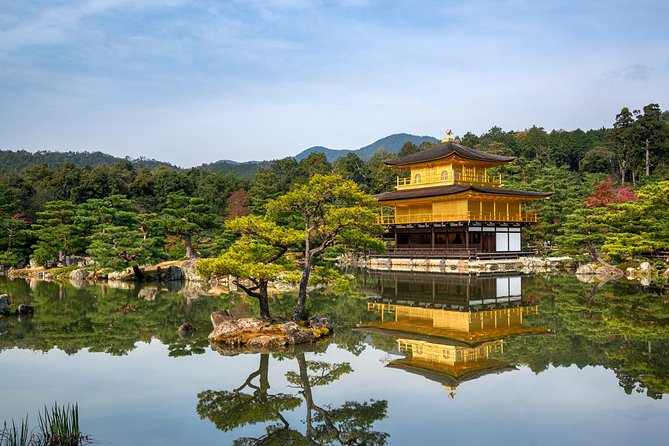
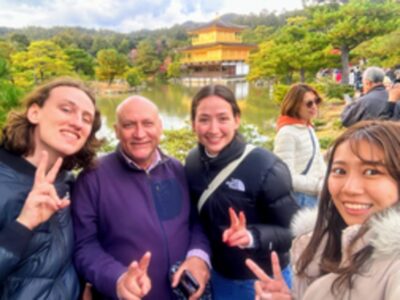
Kinkakuji, usually called the Golden Pavilion, is one of Kyoto’s most recognizable sights. Its gold-covered upper levels reflect across the pond, making this a strong choice for a first visit and a particularly good stop for photographs.
The temple grounds are more than one building. You follow a set path through gardens and viewing areas, with the pavilion providing the main visual moment. A guide can add context about the temple and help you understand what you are seeing instead of treating it as a quick photo stop.
The limitation is time and crowd pressure. Kinkakuji is famous for a reason, so it can feel busy. If you want a quieter temple experience, tell the guide before the day begins. If you have only four hours, pairing Kinkakuji with a nearby or conveniently placed stop is more sensible than crossing the city several times.
Arashiyama Bamboo Forest and the western hills
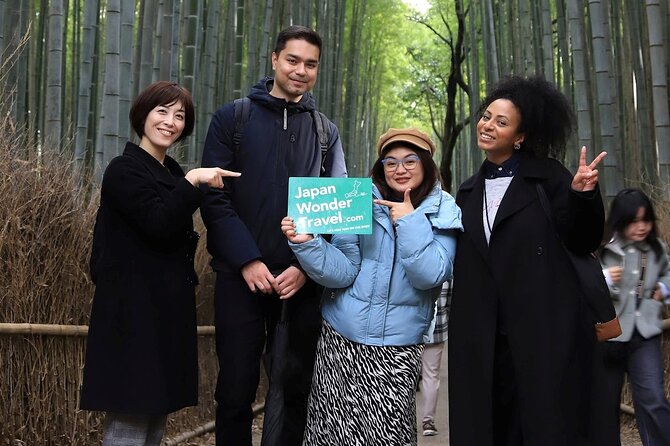
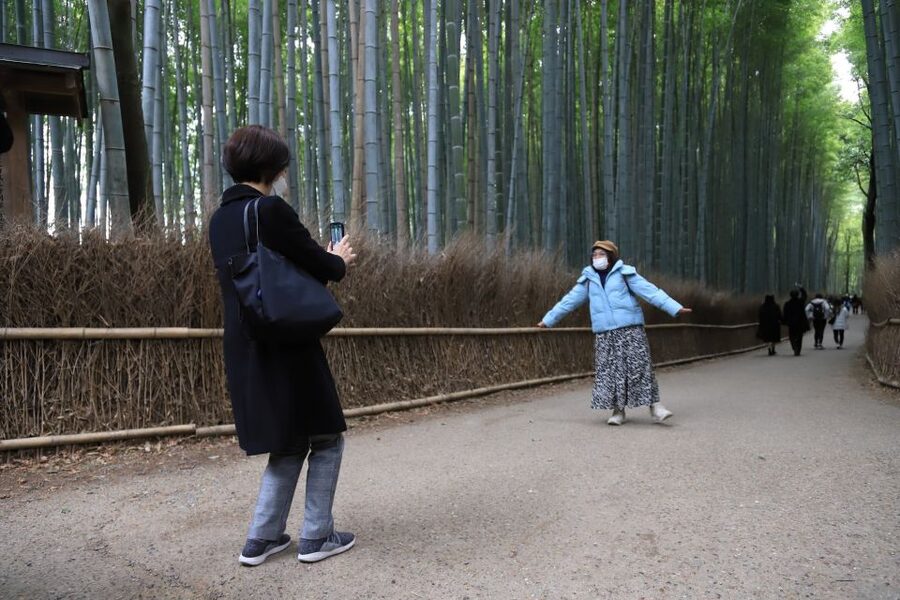
Arashiyama offers a very different mood. The bamboo path is narrow, tall, and striking, with green stalks rising on both sides. It is one of Kyoto’s most photographed places, so you should expect other people on the path, especially at popular times.
The bamboo grove is only part of what makes Arashiyama appealing. The area gives you a chance to walk through a different section of Kyoto, and your guide can help you decide how much time to spend there. The stop works well for people who want photographs and a change from temple courtyards.
Arashiyama is far from Fushimi Inari and the eastern districts. I would not combine every distant highlight with Arashiyama unless you have the full eight hours and accept a faster pace. For a relaxed half-day, Arashiyama can be the main focus, perhaps paired with one or two nearby sights if the route allows.
Same city, a completely different kind of day:
- Kyoto: Tea Ceremony in a Traditional Tea House in Kiyomizu
★ 4.9 · 3,519 reviews - Kyoto Geisha Walking Tour: Gion District & Hidden Gems
★ 4.7 · 3,273 reviews - Kyoto: Tea Ceremony Ju-An at Jotokuji Temple
★ 4.9 · 3,207 reviews - Kyoto: Gion Magical Night Walking Tour with Geisha Trivia
★ 4.9 · 2,393 reviews
Fushimi Inari and its endless red gates
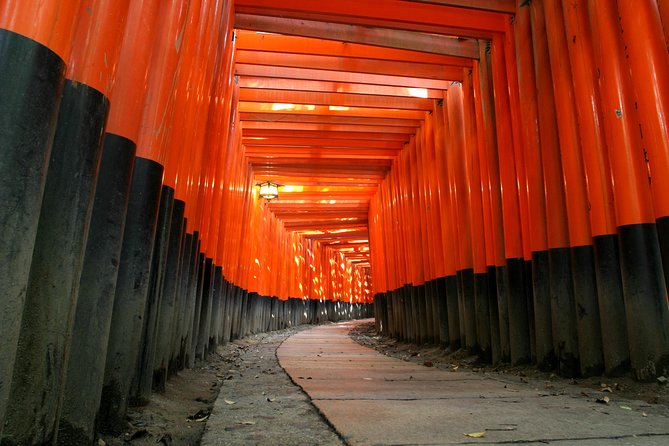
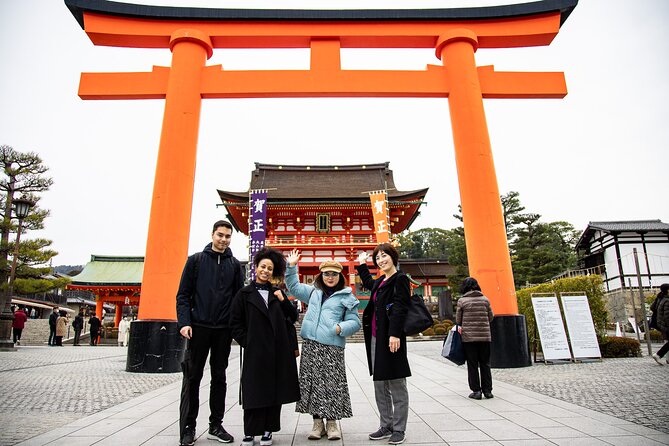
Fushimi Inari Taisha is known for its long lines of red torii gates, called senbon torii. The gates climb through the wooded hillside, creating one of Kyoto’s most memorable walks.
You do not need to complete every part of the route to appreciate the shrine. The guide can help you choose how far to go based on your time and energy. This is a useful stop for anyone who wants a shrine rather than a Buddhist temple, and it gives the day a more active feel.
Wear good shoes here. The route includes steps and an uphill walk, and the tour information specifically warns that a moderate amount of walking is involved. If your group includes young children, older relatives, or anyone who tires easily, discuss the walking level with the guide in advance.
Fushimi Inari pairs naturally with Gion or Kiyomizu-dera in a south and east Kyoto route. It is less sensible to squeeze it between Arashiyama and Kinkakuji unless you are comfortable with a busy day and extra transport.
Gion, Ninenzaka, and Sannenzaka
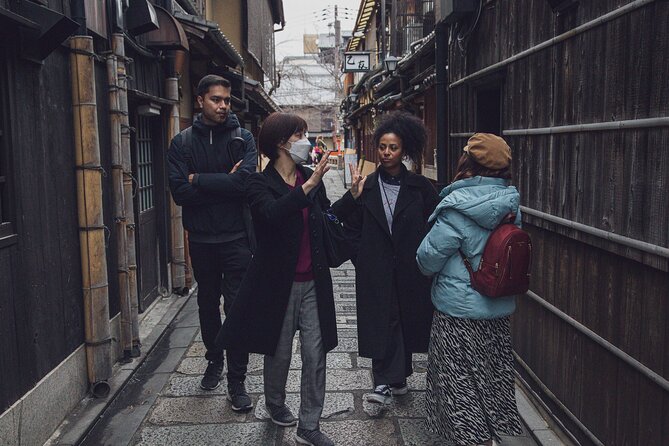
Gion is the place to focus on Kyoto’s traditional streets and customs. Wooden buildings, narrow lanes, teahouses, and old-style streets give you a feel for the city beyond its famous temple entrances. You may also see geiko or maiko in the area, as one family group did during its visit, but sightings are never something to count on.
Ninenzaka and Sannenzaka add sloping lanes, shops, and views toward Kiyomizu-dera. These streets are attractive and easy to combine with the temple, but their stone surfaces and inclines require steady shoes. They can also be crowded, so patience helps.
I like this part of the tour because it links sights with daily culture. A guide can explain local customs, point out details you might pass without noticing, and recommend shops or food stops. One guide, Kaori, took a group to a traditional Japanese restaurant for lunch, where they sat on the floor. Lunch is not included, but the guide can help you make it part of the day if that fits your interests.
Kiyomizu-dera and the eastern temple district
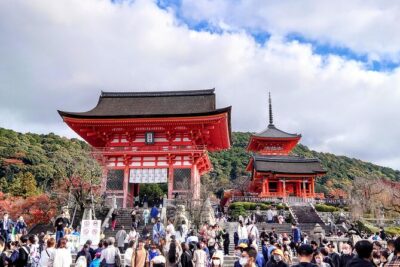
Kiyomizu-dera is one of Kyoto’s best-known temples and a practical choice with Gion, Ninenzaka, and Sannenzaka. The approach takes you through traditional streets before reaching the temple grounds, so the visit feels like a district walk rather than a single stop.
The area involves slopes and walking. It is not ideal for anyone who needs a wheelchair, since the activity is not suitable for wheelchair users. If your group has limited mobility, ask the guide about the walking involved before you commit to this part of the route.
Kiyomizu-dera works particularly well on a six-hour tour. You can spend time at the temple, walk through the old streets, stop for food, and continue to Gion without trying to cross the entire city. It is also a strong choice for a first visit because it combines a major religious site with Kyoto’s older street life.
Nijo Castle for a different side of Kyoto
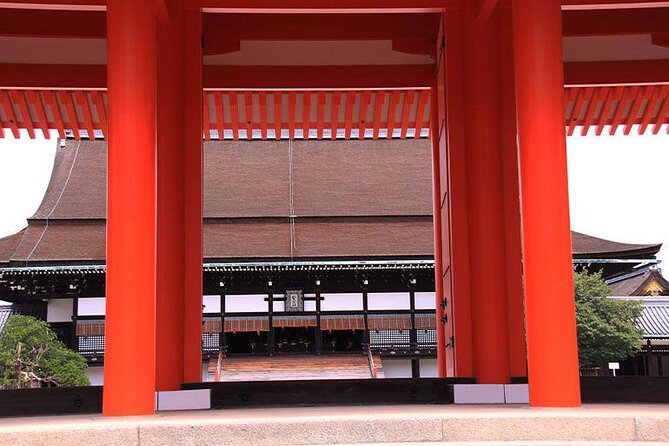
Nijo Castle changes the subject from temple and shrine worship to the world of Japan’s shoguns. Its grounds and buildings offer a different look at political power and formal Japanese design.
This is a good alternative if your group has already seen several religious sites or wants more variety. The guide can explain the castle’s role and help connect it to Kyoto’s broader past. Since the tour allows changes, you can choose Nijo Castle instead of another stop if that better fits your interests.
Do not assume you can add every option. The suggested schedule is two or three places in four hours, three or four in six hours, and four or five in eight hours. Each stop takes time, and the transfers are your responsibility.
How the guide changes the experience
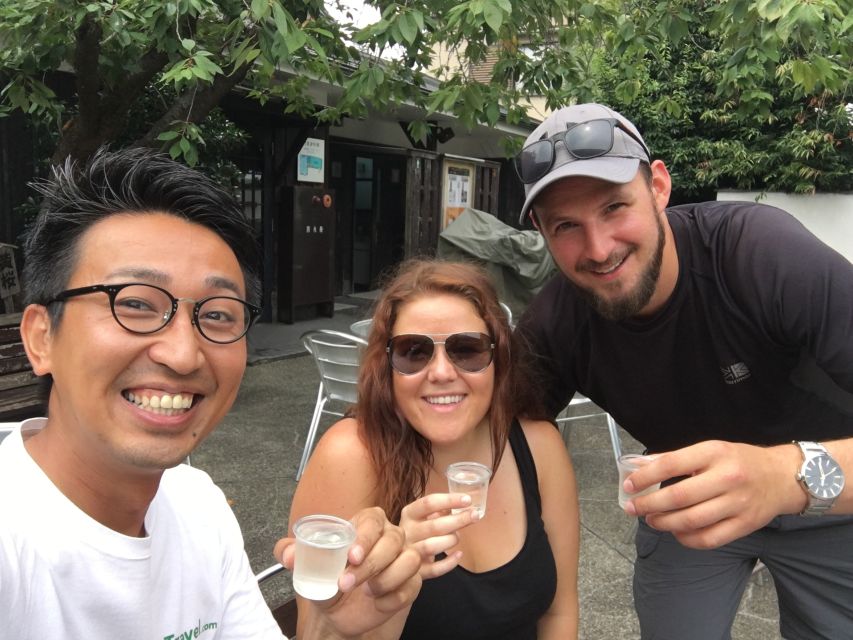
The strongest feature here is not simply having someone lead you to a gate. It is the pre-tour conversation. You can tell the guide if you want famous sights, fewer crowds, photography, food, shopping, or cultural activities.
Past guide assignments have included Kenji, Kaori, Akiko, and Yasuma. Their roles are not identical, but the useful pattern is clear: the guides have adjusted routes, explained Japanese history and tradition, answered questions, and helped with practical decisions. One guide stayed longer than planned to help a family, while Kaori arranged a taxi at the end of the day. Those personal touches matter most when you are tired or unsure how to reach your next stop.
The tour is offered in English. Since guides may differ, I would send clear priorities before the day begins. List the three places you most want to see, then name the things you are willing to skip. That gives the guide something workable.
Is $129 per person good value?
At $129 per person, the price needs to be judged against the private format, not against a self-guided visit. You are paying for a personal guide, hotel pickup and drop-off, route planning, and the ability to adjust the day around your group.
The value improves for families or small groups who want to move at their own pace. You are not waiting for a large group, and you can ask questions throughout the day. It is also useful for a first Kyoto visit when the city’s spread-out sights feel hard to organize.
The price does not include temple entrance fees, lunch, public transport, taxis, or other private expenses. A full day can therefore cost more than the advertised rate. You also need to pay attention to the fact that there is no private vehicle.
For a confident independent visitor, the price may feel high. For a family, older group, or first-time visitor wanting personal help with a packed day, it can be fair value. The key is to use the guide for planning and local context, not just directions.
What to bring and what to expect
Wear comfortable shoes. This sounds basic, but the tour includes temple grounds, shrine paths, sloping old streets, and transfers between districts.
Bring cash because some shops do not accept credit cards. You will also need money for admission fees, lunch, public transport, local taxis, and purchases. Large bags and luggage are not allowed, so leave heavy items at your hotel.
The tour runs rain or shine. Bring suitable weather protection, though the supplied information does not specify what the operator provides. The private format lets you adjust the order or selection of stops, but it does not remove Kyoto’s weather, crowds, stairs, or walking distances.
Free cancellation is available up to eight days in advance for a full refund. Check starting times and availability when you book, since the tour can last from four to eight hours.
Who should book this Kyoto tour?
I would choose this tour if you have one day in Kyoto and want help making hard choices. It suits families, couples, and small private groups who want English guidance without being tied to a fixed group route.
It is especially useful if you want to combine major sights with food, shopping, or a cultural activity. It also fits people who enjoy asking questions and changing plans as the day develops.
I would think twice if you want a quiet, slow temple day, dislike walking, or expect a private car. You should also avoid packing every major sight into four hours. The best result comes from choosing a realistic route and telling the guide what matters most.
FAQ
How long does the private Kyoto tour last?
The tour lasts from four to eight hours. A four-hour tour generally covers two or three spots, a six-hour tour covers three or four, and an eight-hour tour covers four or five.
Which Kyoto attractions can I visit?
Possible stops include Kinkakuji, Arashiyama Bamboo Forest, Fushimi Inari Taisha, Gion, Nijo Castle, Kiyomizu-dera, Ninenzaka, and Sannenzaka.
Can I customize the route?
Yes. You can discuss your preferred route with the guide before the tour, and the itinerary can change to match your requests.
Is hotel pickup included?
Hotel pickup and drop-off are included for hotels in Kyoto City. You need to provide the hotel name in advance, and the guide will meet you in the hotel lobby.
Is a private vehicle included?
No. This is a walking tour. Public transportation or local taxis may be used between stops, and those costs are not included.
Are entrance fees included?
No. Entrance fees to temples and other attractions are not included in the tour price.
Is lunch included?
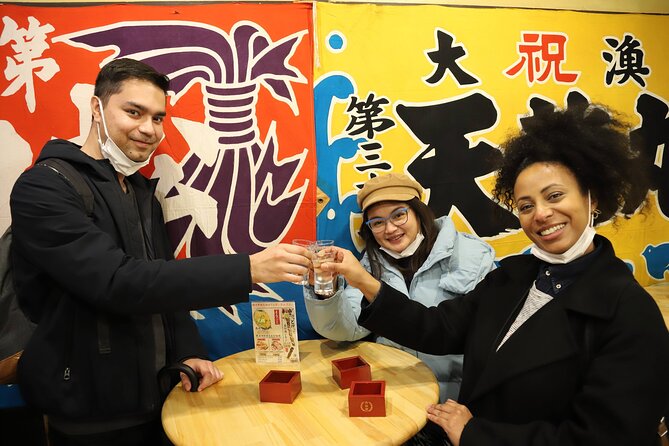
No. Lunch is not included. You can request a local food experience, and the guide may help include lunch in the route.
What language does the guide speak?
The tour includes a live English-speaking guide.
What should I bring?
Bring comfortable shoes and cash. Some shops do not accept credit cards.
Is the tour suitable for wheelchair users?
No. The activity is not suitable for wheelchair users and includes a moderate amount of walking.
What happens if it rains?
The tour takes place rain or shine. You can still adjust the route with the guide, but the activity does not automatically move indoors.
Can I cancel for a full refund?
You can cancel up to eight days in advance for a full refund.
Should you book it?
Book this private tour if your Kyoto day needs shape, flexibility, and personal guidance. Choose the full eight hours if you want several major sights, but keep the route geographically sensible. For a shorter booking, pick one area, such as Gion and Kiyomizu-dera, or Fushimi Inari with another nearby stop.
At $129 per person, it is not the cheapest way to see Kyoto. It can be a practical buy for a private group that values local explanations, hotel pickup, flexible pacing, and help with food or transport. Just budget separately for admissions and getting around, and arrive ready to walk.
Newest Kyoto experiences on the site
- Treasures of Kyoto: Gion & historical Walking Tour★ 5.0 · 6 reviews
- Whisk Your Own Matcha: A Zen Matcha Experience at Temple★ 3.6 · 7 reviews
- Kyoto tea town for matcha lovers★ 5.0 · 16 reviews
- Uji: Private immersion into Kyoto’s tea and reglious culture★ 5.0 · 17 reviews
- Kyoto Matcha Green Tea Tour★ 4.5 · 23 reviews
- Uji and Wazuka Matcha Farm Half Day Private Guided Tour★ 5.0 · 21 reviews
- Utilising upcycled Matcha! Creating matcha incense (Uji, Kyoto)★ 5.0 · 6 reviews
- Sacred Temple Yoga Experience in Japan★ 5.0 · 3 reviews
1-Day Tours, compared.
Fushimi Inari, Kinkakuji, Bamboo Grove 1 Day Bus Tour
Read our review →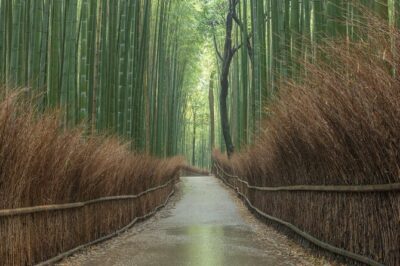
10 Must-see Spots in Kyoto One Day Private Tour (up to 7 people)
Read our review →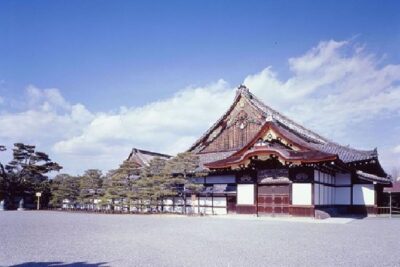
Kyoto Customized Private Tour: See Top Attractions in 1 Day
Read our review →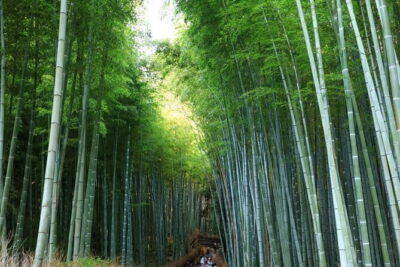
From Kyoto / Osaka: Kyoto Must-see Spots & Nara Park One Day Tour
Read our review →
Nara, Osaka & Kobe Day Trip – 3 Cities in 1 Day
Read our review →Browse the lists this tour appears in