Reviewed · KYOTO TOURS
The right way to know Kyoto
Kyoto is easy to admire and surprisingly easy to mishandle. Its temples sit across a wide city, its best-known shrines draw large crowds, and getting from one district to another takes planning. This private tour gives you a guide who can build the day around your interests, explain Japanese customs, and handle the trains and buses while you concentrate on the city.
I especially like the private format, which lets you set the pace for a family, a group of friends, or a first day in Kyoto. I also like the chance to mix famous places such as Fushimi Inari and Kinkaku-ji with quieter temples, gardens, markets, or an out-of-the-way bamboo grove. The main catch is simple: six hours goes quickly, and the full list of possible sights cannot fit comfortably into one day.
Key points to know before booking
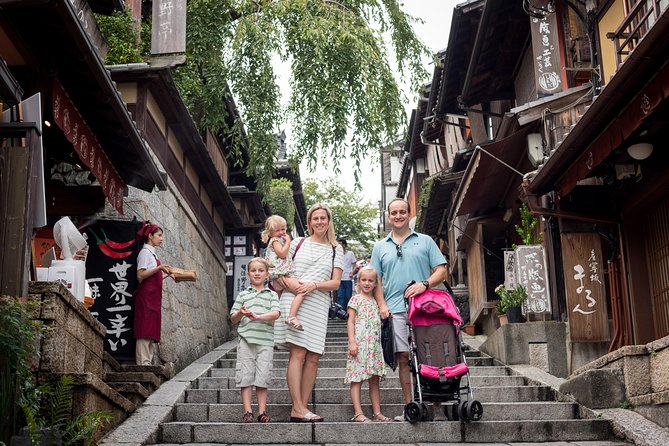
- A private group of up to six gets one guide and a day shaped around its interests.
- Fushimi Inari, Arashiyama, Kinkaku-ji, and Ginkaku-ji are suggested stops, not guaranteed in one six-hour outing.
- Public transportation is part of the experience, with trains and buses often used between districts.
- Expect a serious amount of walking, with some parties reporting close to 28,000 steps on a full day.
- Guide quality and style can vary, since the company uses several guides, including Paco, Tom, Jose, Laura, Esteban, Peter, Cristobal, Adrian, Brian, and Maki.
- The $371.41 group price can be good value for six people, but entrance fees, transport, and meals are extra.
Why a private guide helps in Kyoto
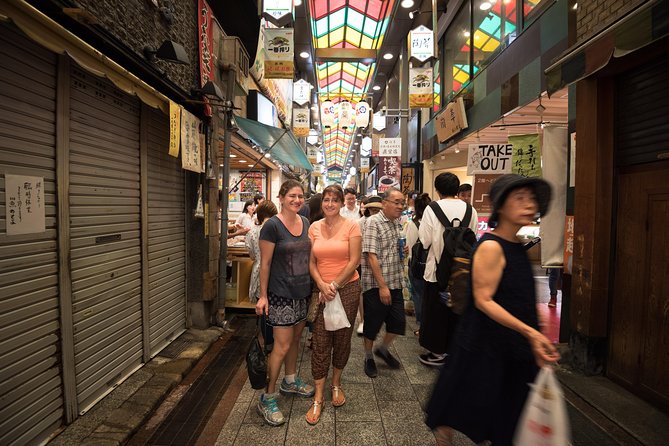
Kyoto rewards planning, but planning it well takes time. Fushimi Inari is in the southeast, Arashiyama is far to the west, and Kinkaku-ji and Ginkaku-ji sit in different parts of the city. Add opening hours, train connections, bus routes, temple admission, and crowd levels, and a day that looked simple on a map can become a string of rushed visits.
This experience removes much of that work. You meet at Kyoto Station, then your guide helps decide how to use the day. The guide can explain which train or bus to take, lead you through unfamiliar streets, and adjust the order when your energy, interests, or the weather call for a change.
That help matters most if Kyoto is your first stop in Japan. Several families appreciated learning how to use local transportation, not just being escorted from one sight to the next. By the end of the day, you may feel more comfortable handling Kyoto on your own.
The private setup also avoids the drag of a large group. If one person wants temple architecture, another wants food markets, and the children need a change of pace, the guide can respond. The tour is also suitable for a smaller group with an older family member, since guides such as Tom have adjusted the pace and mixed walking with local taxis.
A few more Kyoto tours worth putting on the shortlist
- PERFECT KYOTO 1-Day Bus Tour
★ 5.0 · 13,518 reviews - Kyoto: Fushimi Inari, Kinkakuji, Bamboo Grove 1 Day Bus Tour
★ 4.8 · 4,316 reviews - Kyoto: Tea Ceremony in a Traditional Tea House in Kiyomizu
★ 4.9 · 3,519 reviews
Fushimi Inari and its endless orange gates
Fushimi Inari-taisha is one of Kyoto’s most recognizable sights. Its long path of orange torii gates climbs through wooded slopes behind the shrine buildings, creating a powerful sense of movement and repetition.
The suggested stop lasts about an hour and has no admission charge. That sounds generous, but it is enough only for a taste of the shrine unless you walk briskly. You can see the main approach, learn about Shinto customs, and follow part of the torii path without attempting the entire mountain route.
This is a particularly useful place to have a guide. A guide can explain how to behave at a Shinto shrine, what the gates represent, and how offerings fit into the visit. Esteban, for example, helped one party take part in the offering ritual and pointed out good places for photographs.
Go early if your schedule allows, though the tour’s 9 a.m. to 3 p.m. operating window still leaves room for a morning start. Fushimi Inari is one of Kyoto’s most popular sights, so do not expect a quiet path at every point. The further you walk, the more the scene may change, but the amount of walking also rises.
Arashiyama’s bamboo path and more
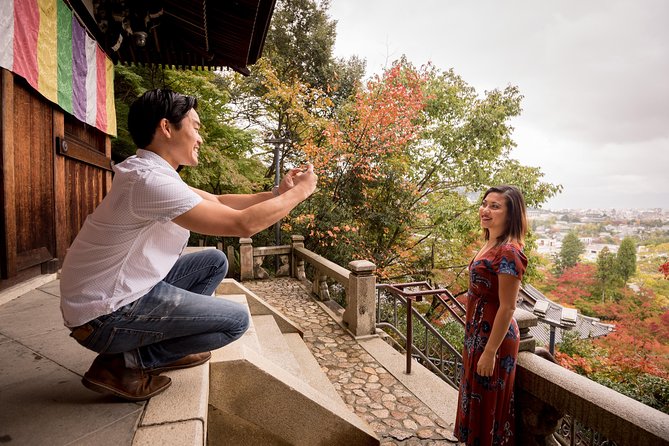
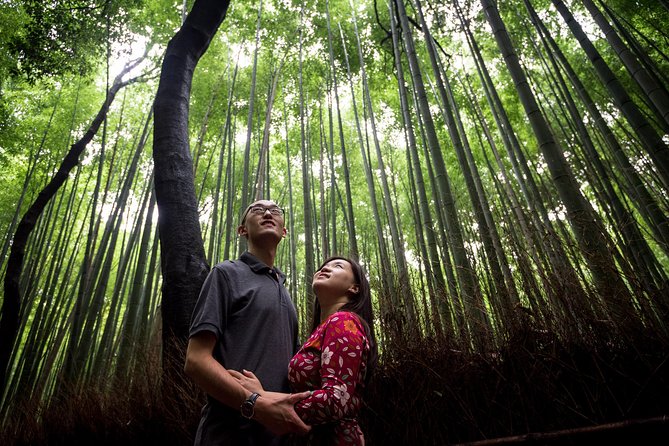
The Bamboo Forest Trail is listed as a suggested stop of about 45 minutes, with no admission charge. The tall bamboo makes a memorable walk, but the path itself is fairly short compared with the time and effort required to reach western Kyoto.
A good guide can make Arashiyama more than a quick photo stop. One reported full-day route included Nonomiya Shrine, the bamboo forest, Okochi Sanso Garden, Togetsukyo Bridge, Horin-ji Temple, and Monkey Park. That combination shows what a private day can do when the group wants to focus on one district rather than race across all of Kyoto.
Okochi Sanso Garden requires a small extra fee, but it includes a more reflective garden visit and tea. Monkey Park involves an uphill walk, so it is not a casual add-on for everyone. The reward is a broader view and a close look at the resident monkeys, but you should tell your guide honestly how much walking your group wants.
Arashiyama can also work well for families. The bamboo path gives children something visually different from another temple, and a guide can adjust the stops around their attention span. Just remember that adding Arashiyama to Fushimi Inari and both northern and eastern temples creates a long day on foot and public transportation.
Kinkaku-ji, Kyoto’s Golden Pavilion
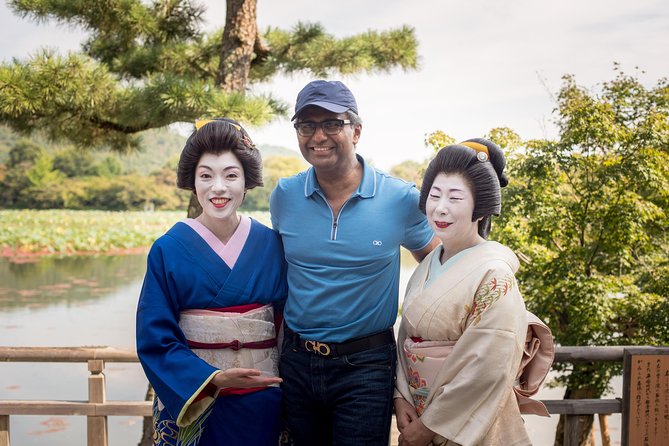
Kinkaku-ji is the famous Golden Pavilion, set beside a pond and framed by carefully arranged grounds. The building is striking even in a photograph, but seeing it in person gives you a better sense of how the gold surface, water, trees, and viewing path work together.
The suggested visit lasts about an hour. Admission is not included, so you should budget separately for the entrance ticket. The tour price also excludes meals and transportation.
Kinkaku-ji is a straightforward place to visit with a guide, but the value comes from context. A guide can explain the temple’s place in Japanese culture and point out details you might otherwise pass without noticing. You will still have time for photographs, but the stop is not meant to be a slow private tour of every corner.
This is one of the places most likely to attract crowds. A private guide cannot remove the crowds, but can help you move efficiently and protect time for another stop. If Kinkaku-ji is high on your list, say so before the tour begins rather than assuming it will automatically appear in the day.
Same city, a completely different kind of day:
- Kyoto Geisha Walking Tour: Gion District & Hidden Gems
★ 4.7 · 3,273 reviews - Kyoto: Tea Ceremony Ju-An at Jotokuji Temple
★ 4.9 · 3,207 reviews - Kyoto: Gion Magical Night Walking Tour with Geisha Trivia
★ 4.9 · 2,393 reviews - Kyoto: 45-Minute Tea Ceremony Lesson Experience
★ 4.3 · 2,378 reviews
Ginkaku-ji and Kyoto’s quieter side
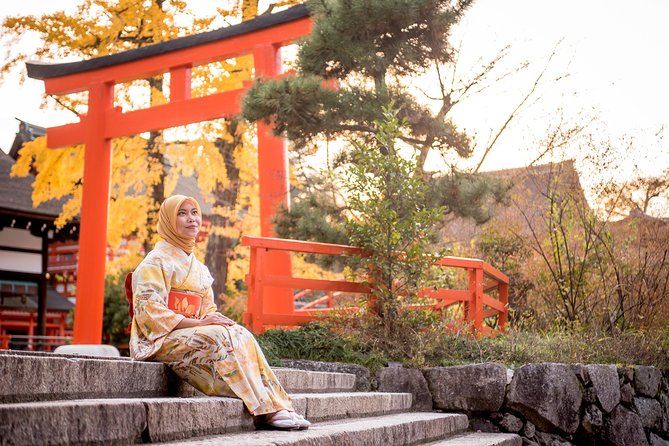
Ginkaku-ji, the Silver Pavilion, offers a very different mood. Despite its name, the pavilion is not covered in silver. The appeal is its restrained design, mossy grounds, sand garden, and calm Zen atmosphere.
The suggested visit takes about an hour, and admission is extra. This is the kind of stop that rewards a slower pace. Instead of chasing a famous image, you can pay attention to garden design, texture, proportion, and the Japanese idea of beauty found in simplicity and age.
Ginkaku-ji also works well for a group interested in Japanese culture rather than only sightseeing. Guides such as Laura and Tom have tailored tours around Kyoto’s past, religious traditions, and broader Japanese history. That sort of discussion can turn a temple visit from a quick look into a more useful lesson.
The drawback is geography. Ginkaku-ji is not close to Fushimi Inari or Arashiyama, so fitting all of them into six hours means less time at each stop and more time in transit. I would choose either a temple-focused day across several districts or a deeper visit to one area, not expect a relaxed version of everything.
What the guides add to the day
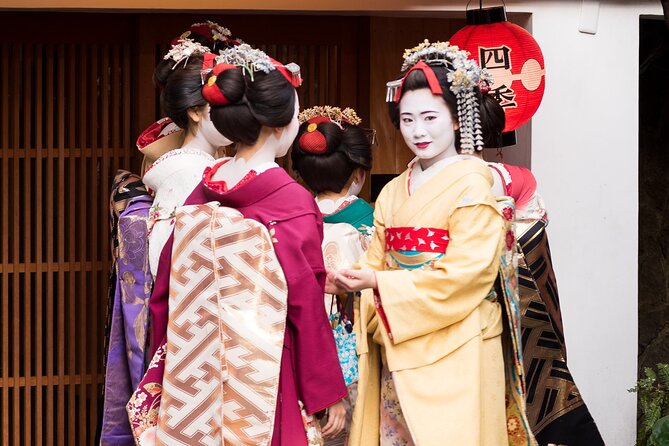
The company uses a range of guides, and the individual guide matters. Names praised in the supplied feedback include Paco, Adrian, Tom, Peter, Jose, Jose David, Laura, Esteban, Cristobal, Brian, and Maki. Maki is a Kyoto native, while other guides bring different backgrounds and interests.
That variety is worth understanding before you book. The experience promises an expert guide, but the guides are not all presented as Kyoto-born specialists. One guide, Paco, was described as a graduate student from Spain. Most feedback about the guides focuses on their preparation, flexibility, history knowledge, transport skills, and ability to keep a family engaged.
If you have a strong preference, ask whether a particular guide is available, but do not assume a named guide is guaranteed. Guides have helped groups with history, religion, manga, public transportation, photography, and quieter temples. The best match depends on what you want from the day.
I would send a short list of priorities before arrival. Mention temples, gardens, markets, food, Japanese history, architecture, family needs, or a desire to avoid the busiest sites. Guides have adjusted plans for groups arriving from Tokyo by Shinkansen and for parties with limited hours before an evening train.
Walking, trains, buses, and the real pace
This is sold as a walking tour, but it is really a walking and public transportation day. The group may use trains, buses, and local taxis between districts. Transportation is not included in the price, and crowded vehicles are possible.
Plan for much more time on your feet than the six-hour duration suggests. One group walked close to 28,000 steps on a longer outing. That is not a promise for every booking, but it is a useful warning. Comfortable shoes, water, and a realistic sense of your group’s stamina will improve the day.
The format can still work for someone who cannot walk nonstop. Tom adjusted the pace for a 77-year-old mother and combined walking with taxis. You must discuss such needs with the guide at the start, since the exact route determines how demanding the day becomes.
Kyoto’s transport network is part of the lesson. Instead of simply being driven around, you can learn which trains and buses connect the major areas. That skill remains useful after the guide leaves, especially if you plan to return to a favorite temple or explore another district alone.
Price, group size, and what you actually pay
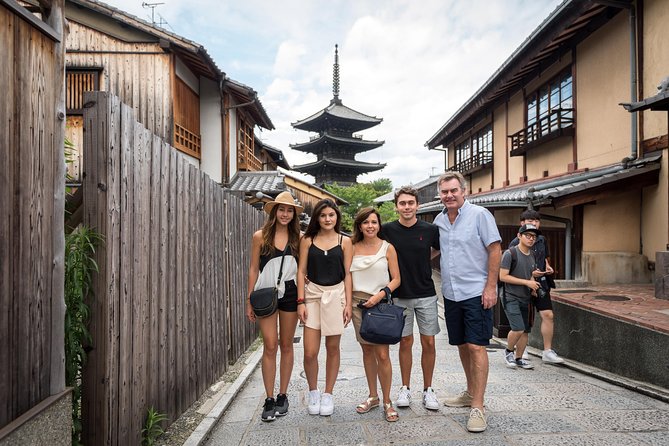
The listed price is $371.41 per group of up to six people. For six, that works out to roughly $62 per person before transport, entrance tickets, and meals. For two people, the per-person cost is much higher, but you are paying for a private guide rather than a seat on a fixed group excursion.
The value is strongest when you use the flexibility. A group that follows a fixed list without discussing priorities may spend too much time crossing the city. A group that tells the guide what matters can use the same six hours more wisely.
Remember the extra costs. Kinkaku-ji and Ginkaku-ji charge admission, while Fushimi Inari and the Bamboo Forest Trail have no admission fee. Public transportation and any taxis are also separate, and meals are not included.
The listed duration is approximately six hours, though some supplied experiences describe eight-hour or full-day versions. Confirm the exact duration attached to your booking. This matters because the number of sights possible changes sharply between six and eight hours.
Who should book this Kyoto experience?
I would recommend it to a first-time visitor who wants help with Kyoto’s scale and transport. It is also a good fit for a family, a group of up to six friends, or anyone with one day and a long list of priorities.
It suits people who want explanation, not just a driver or a photo stop. You can ask about Shinto, Buddhism, Japanese customs, temple design, gardens, public transport, and everyday life. Guides have also kept teenagers involved by connecting the day with manga and other interests.
It is less suitable if you want a slow, silent temple day or a fixed route with guaranteed visits to every named sight. The suggested stops cover too much ground for a relaxed six-hour schedule. The tour will work best when you accept that the guide must make choices.
The 99 percent recommendation and five-star score suggest a strong overall record, but one critical point deserves attention: a guide’s style and command of English may affect how much you learn. Most of the praise centers on clear explanations and personal attention, while one experience found the commentary difficult to follow. If detailed history is essential, state that when booking.
Final verdict: a smart first day, with realistic expectations
Book this tour if you want a private guide to turn Kyoto’s complicated map into a workable day. The strongest parts are the personal planning, help with trains and buses, flexible pacing, and chance to combine famous sights with quieter temples or gardens.
Do not book it expecting to see every suggested location in six hours. Choose your top two or three priorities, ask about the guide, and accept a full day of walking. For a family or group of six, the price can be sensible. For two people, it is a splurge, but a useful one if your time in Kyoto is short.
FAQ
How long is the tour?
The tour lasts approximately six hours, with operating hours listed from 9:00 a.m. to 3:00 p.m. Some supplied experiences describe longer eight-hour or full-day outings, so confirm the exact duration when booking.
Where does the tour start and finish?
The meeting point is Kyoto Station at Higashishiokoji Kamadonocho in Shimogyo Ward. The activity ends back at the meeting point.
Is hotel pickup included?
Pickup is offered, and the tour information describes hotel pickup as a feature. The stated meeting point is Kyoto Station, so confirm the exact pickup arrangement for your booking.
Are entrance tickets included?
No. Entrance tickets are not included. Kinkaku-ji and Ginkaku-ji require separate admission, while Fushimi Inari and the Bamboo Forest Trail have no admission charge.
Is transportation included?
No. Transportation is not included. The tour may use public trains, buses, or local taxis, and those costs are separate.
How many people can join the private tour?
The price covers one private group of up to six people. Only your group participates.
Can I cancel for a full refund?
Yes, if you cancel at least 24 hours before the experience start time. Cancellations or changes made less than 24 hours in advance are not accepted for a refund.
Newest Kyoto experiences on the site
- Treasures of Kyoto: Gion & historical Walking Tour★ 5.0 · 6 reviews
- Whisk Your Own Matcha: A Zen Matcha Experience at Temple★ 3.6 · 7 reviews
- Kyoto tea town for matcha lovers★ 5.0 · 16 reviews
- Uji: Private immersion into Kyoto’s tea and reglious culture★ 5.0 · 17 reviews
- Kyoto Matcha Green Tea Tour★ 4.5 · 23 reviews
- Uji and Wazuka Matcha Farm Half Day Private Guided Tour★ 5.0 · 21 reviews
- Utilising upcycled Matcha! Creating matcha incense (Uji, Kyoto)★ 5.0 · 6 reviews
- Sacred Temple Yoga Experience in Japan★ 5.0 · 3 reviews
Kyoto Tours, compared.
Fushimi Inari, Kinkakuji, Bamboo Grove 1 Day Bus Tour
Read our review →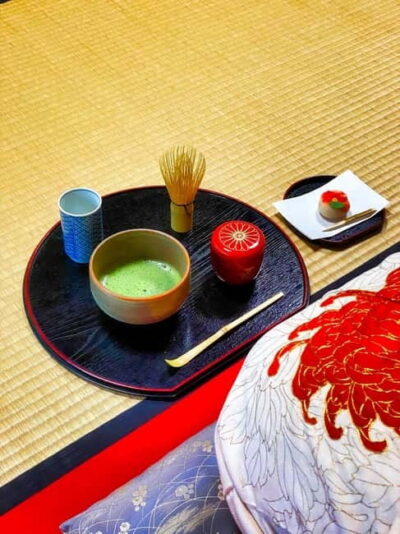
Tea Ceremony in a Traditional Tea House in Kiyomizu
Read our review →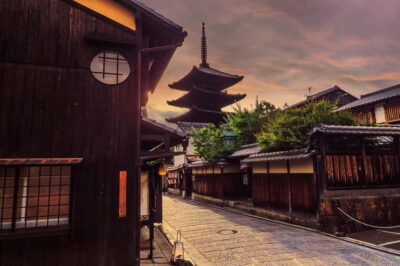
Kyoto Geisha Walking Tour: Gion District & Hidden Gems
Read our review →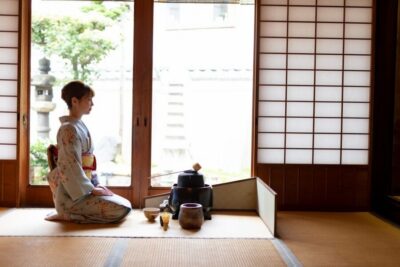
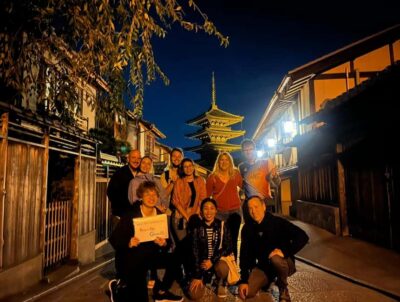
Gion Magical Night Walking Tour with Geisha Trivia
Read our review →