
Reviewed · KYOTO KIMONO RENTALS
Tea ceremony and kimono experience at Kyoto, Tondaya
Tondaya offers something more substantial than a quick cup of matcha: you enter a 140-year-old Kyoto machiya, dress in a silk kimono, and see how a traditional home frames the ceremony. The house, gardens, furnishings, and tea utensils give the visit a strong sense of place.
I especially like the kimono fitting and the chance to photograph the rooms before the ceremony. I also like that this takes place in Nishijin, an old textile district many visitors skip. The main caution is group size. Some sessions feel calm and informative, while others become crowded, hot, and hard to follow.
Key points to know before you book
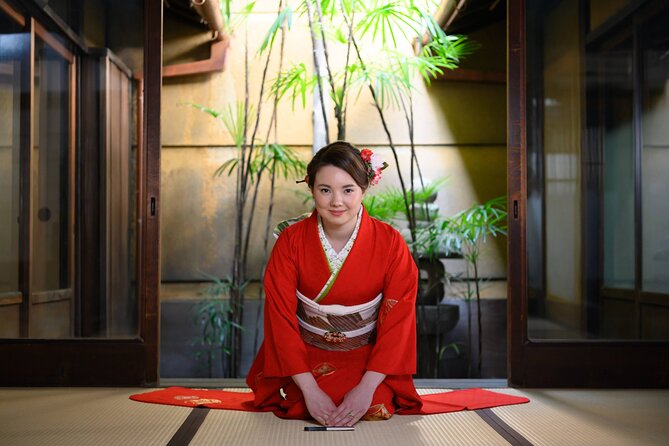
- Authentic setting: The ceremony takes place inside Tondaya, a Meiji-period wooden townhouse used as the Nishijin Lifestyle Museum.
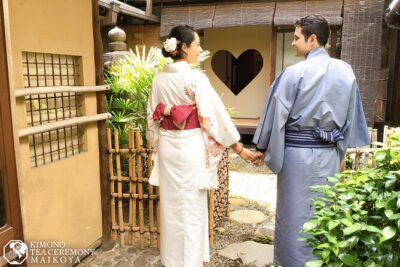
- Kimono included: Staff fit you with an authentic silk kimono over your own clothes, with time for photos around the house.
- Short, simple ceremony: You watch the tea being prepared, receive matcha and a sweet, and learn how to drink it properly.
- Group size matters: The advertised maximum is 20 people, but some sessions have felt much larger and difficult to manage.
- Come prepared: Bring socks. Makeup, hairstyling, and geta sandals are not included.
- Allow for finding the house: Signage can be poor, and Tondaya may look like an ordinary residence from the street.
A historic Kyoto home, not a polished show hall
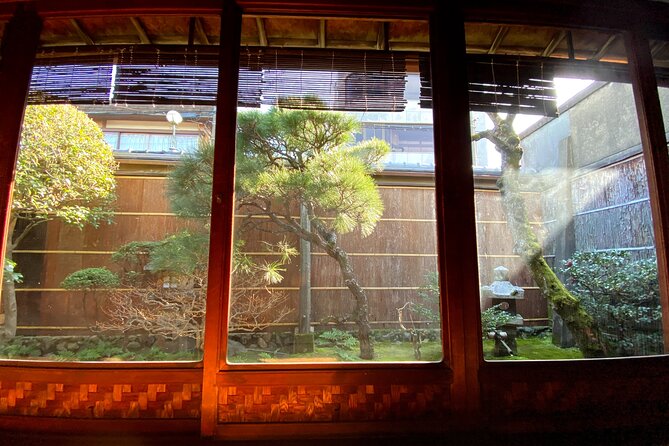
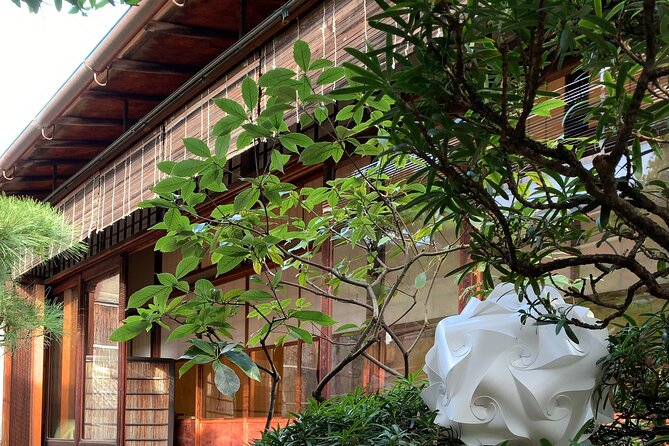
The first thing to understand is the setting. Tondaya is not a large cultural center with a bright sign and a modern reception desk. It is a traditional wooden townhouse at 697 Ishiyakushicho in Kyoto’s Kamigyo Ward, and its modest entrance can be easy to miss.
That slightly hidden arrival is part of the charm, but it can also cause stress. Give yourself extra time, use GPS, and look carefully for the address. It is near public transportation, yet several people have found the building difficult to identify, especially before opening time.
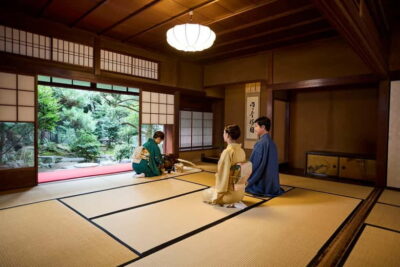
Inside, the house gives you a useful glimpse of old Kyoto domestic life. The machiya was built during the Meiji period, and the rooms, wooden details, furnishings, and garden create a setting that a modern tea room cannot quite reproduce. You may notice seasonal air moving through the house, an old design feature that links the rooms to the outdoors.
I like this part because the building is not simply a backdrop for photographs. It helps explain why Japanese tea culture values quiet rooms, careful placement, natural materials, and the changing seasons. The home is one of the strongest reasons to choose this experience over a generic hotel-based ceremony.
More tea ceremonies in Kyoto:
- Kyoto: Tea Ceremony in a Traditional Tea House in Kiyomizu
★ 4.9 · 3,519 reviews - Kyoto: Tea Ceremony Ju-An at Jotokuji Temple
★ 4.9 · 3,207 reviews - Kyoto: 45-Minute Tea Ceremony Lesson Experience
★ 4.3 · 2,378 reviews
The kimono fitting is the most reliable highlight
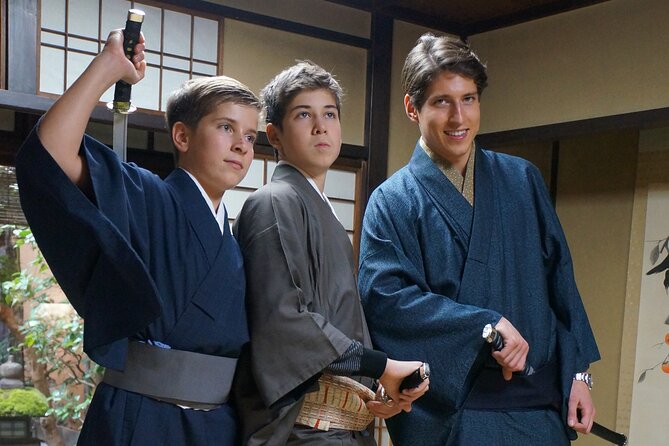
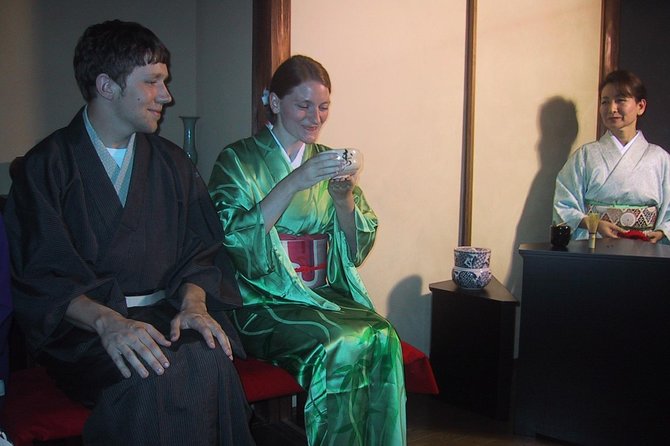
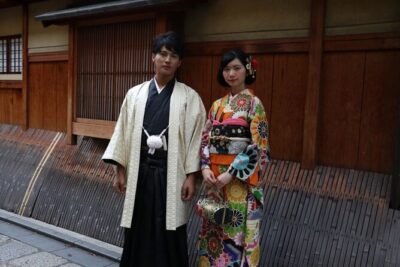
On arrival, staff fit you with an authentic silk kimono over your own clothes. The process is practical rather than a full fashion or beauty makeover. You choose from available colors, and the staff wrap and secure the garment for you.
Several attendants help with the dressing, and the fitting is designed to move a group through efficiently. That speed can feel a little hurried, but it is also useful when many people arrive at once. The experience does not include makeup or hair styling, so you should not expect a complete transformation.
Get your socks on before the fitting. Socks are required to protect the historic floors and other cultural materials, and they are not included in the price. You can buy a pair at the venue if needed, but bringing your own is simpler. Geta, the wooden sandals often associated with kimono, are also not included.
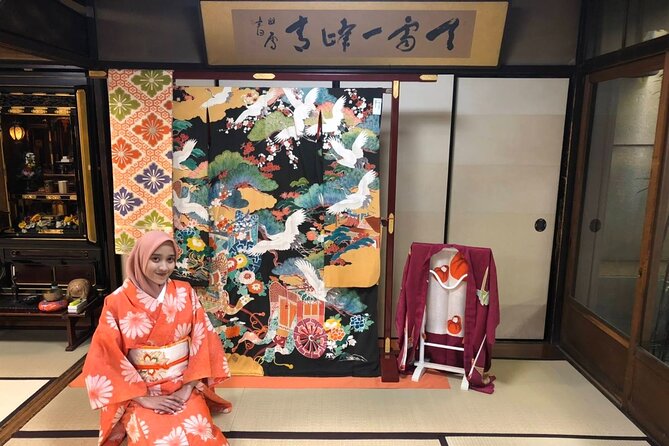
Once dressed, you can take photographs around the house. This is a real part of the visit, not an afterthought. The rooms, garden, props, and traditional furniture provide attractive settings, and you may take photos during the visit. The kimono fitting is the element most consistently praised, especially by people who want a cultural activity that also produces memorable pictures.
Keep your expectations sensible. This is a guided dressing experience, not a private kimono lesson. You will not necessarily receive a long explanation of the garment’s history, fabric, layers, or regional differences. If those details matter most to you, ask questions while you are being dressed.
The house tour gives the ceremony its context
After the fitting, you tour parts of the machiya and have time for photographs. The rooms are compact, so the pace can depend heavily on how many people are present. In a small group, you can pause, listen, and look closely at the objects. In a crowded session, you may be moved along while other groups use the stairs or nearby rooms.
The house itself is a rewarding stop. You may see traditional rooms, household objects, gardens, and the spaces used for the tea presentation. The age of the building gives the ceremony a stronger sense of connection to Kyoto than a newly built venue would.
A useful point about Tondaya is its link to Nishijin, Kyoto’s textile area. The kimono feels more meaningful here than it might in a general sightseeing studio because you are visiting a historic house connected to traditional Japanese clothing and domestic culture.
The English explanation varies. Some sessions include a clear, patient guide who explains the home, tea customs, and objects in an easy-to-follow way. One highly praised guide was a young woman from Holland living in Japan, who also helped guests after the activity. Other sessions have had limited English, unclear narration, or too much background noise.
That inconsistency is important. The building and clothing are fixed parts of the experience, but the amount you learn can depend on the guide and the crowd. If you want detailed cultural instruction, a private option is likely a better fit.
What happens during the tea ceremony
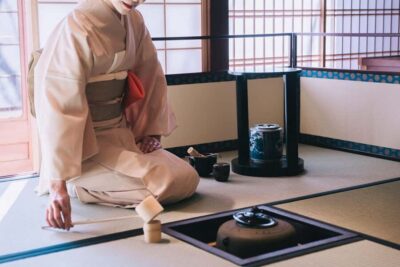
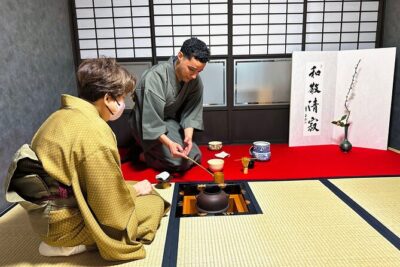
The tea portion is fairly simple. You watch the host prepare matcha, learn the basic way to receive and drink it, and have a small sweet with the tea. The first cup may be prepared by the main tea host, with additional servings brought out on a tray for the rest of the group.
The ceremony can last only a few minutes once everyone is seated. That is not automatically a flaw. A short demonstration can introduce the key gestures and etiquette without requiring you to study the full practice of chanoyu. You will see the careful handling of the bowl and utensils, the preparation of matcha, and the polite method for drinking it.
Still, you should not book this expecting an advanced tea-school lesson. Some sessions provide a useful explanation of why the host moves in a certain way, how to hold the bowl, and how the sweet relates to the tea. Other sessions offer little beyond watching the preparation and being shown how to drink.
The tea room can also be the weakest part when the group is large. A crowded room makes it hard to see the host’s hands, hear the explanation, or enjoy the quiet that tea ceremony usually seeks. Warm weather and limited airflow can add to the discomfort. In a few sessions, people have left early because the room was too hot and cramped.
The tea itself is matcha, served with a sweet. Some people enjoy it, while others find the flavor too bitter or the sweet dry and packaged. Matcha is not meant to taste like a sweet latte, so expect a strong, grassy drink. If you are new to it, the small serving is a gentle introduction.
Photography is allowed, including during parts of the ceremony. That is a nice advantage if you want to remember the utensils and setting. Be respectful of instructions, since the quiet and focus of the presentation matter more than getting a perfect social-media image.
More kimono and yukata rentals in Kyoto:
- Kimono Tea Ceremony at Kyoto Maikoya, NISHIKI
★ 5.0 · 911 reviews - Kyoto: Kimono Rental with Hairstyling and Accessories
★ 4.8 · 653 reviews - Kyoto: Kimono Tea Ceremony at Orizuruya Gion
★ 4.9 · 618 reviews - KYOTO Tea Ceremony with kimono near by Imamiya Jinjya Shrine
★ 5.0 · 343 reviews
Group size is the deciding factor
The experience is advertised as a group activity with a maximum of 20 participants. In practice, the atmosphere can vary. A modest group gives you room to see the tea preparation and hear the guide. A larger gathering can turn the dressing area, stairs, and tea room into a confusing flow of people.
This is where the price becomes harder to judge. At about $178.34 per person, the visit is expensive for a 90-minute activity if you think of it as one cup of tea and a few photographs. The cost makes more sense if you value the silk kimono fitting, the historic house, the cultural setting, and the chance to ask questions.
You should also know that the full 90 minutes is an estimate. The actual visit may be shorter or longer depending on crowding and how quickly participants are dressed. Some people have found the ceremony and house tour too brief, while others felt the timing was enough for an introduction.
The private option is worth considering if you want a quiet ceremony, more direct teaching, or a better view. The public group format is the budget choice within Tondaya’s offerings, but it carries the greatest risk of crowding. If your main goal is a serene, carefully explained tea ceremony, private booking offers better protection against a disappointing visit.
Practical advice for a smoother visit
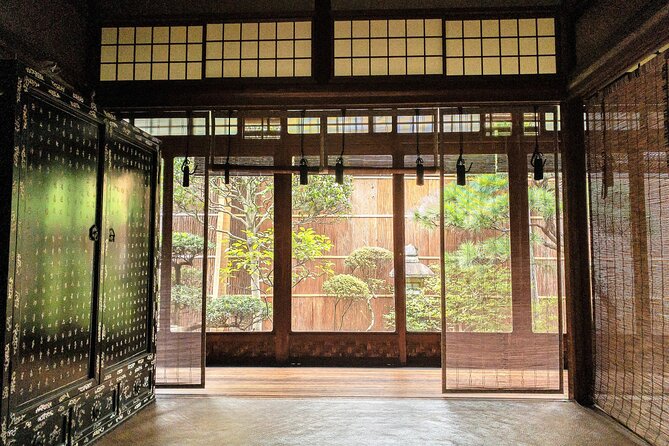
Plan to arrive early, but do not expect a large street sign. The entrance can look like a regular Japanese house, and the museum name may not be obvious from a distance. Keep the address available: 697 Ishiyakushicho, Kamigyo Ward, Kyoto, 602-8226.
Wear comfortable clothes beneath the kimono. You will be dressed over your own clothing, so bulky layers may make the fitting less comfortable. Bring clean socks, since bare feet are not suitable for the historic house.
Do not count on lunch, hair styling, makeup, or traditional sandals. None of these are part of the package. You receive the tea ceremony, kimono experience, and entrance to the museum.
This activity suits most people, and most participants can take part. The group may include people with different expectations, from those seeking cultural background to those mainly interested in photos. That mixed purpose helps explain why one session can feel educational and another can feel like dress-up with tea added.
Cancellation is free if you cancel at least 24 hours before the start time. Changes or cancellations made within 24 hours are not accepted for a refund. The cut-off follows Kyoto local time.
Who will enjoy Tondaya most
I would recommend Tondaya to you if you want three things in one short visit: traditional clothing, an old Kyoto home, and a first look at matcha etiquette. It works particularly well for first-time visitors who want an approachable cultural activity without committing to a long formal lesson.
It is also a good choice for photographers and families with older children who can sit quietly during the ceremony. The kimono and house provide more visual interest than a plain tea demonstration, and the 90-minute format fits neatly into a busy Kyoto day.
You may want another option if your priority is serious instruction in tea ceremony, a silent and highly controlled setting, or detailed teaching about kimono construction. Tondaya can provide those qualities in a good session, but the group format does not guarantee them.
The experience is also less suited to anyone who dislikes tight clothing, floor-level seating, crowded rooms, or a changing schedule. The kimono is beautiful, but it is fitted firmly, and the tea room may feel warm when full.
Is this Kyoto tea ceremony worth booking?
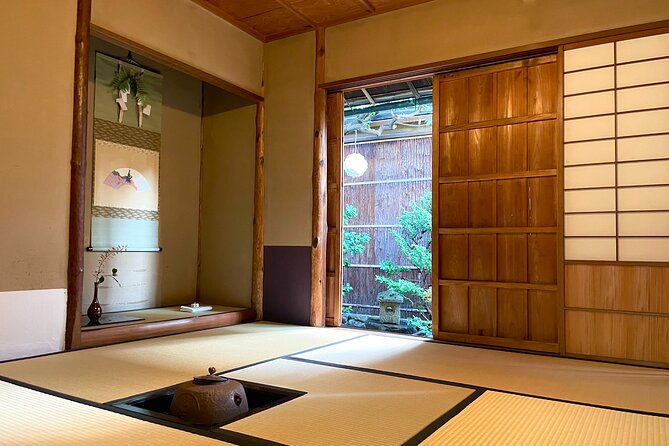
Book it if the historic machiya and kimono matter as much to you as the tea. Those elements give Tondaya real character, and the best sessions offer a warm, informative introduction to Japanese customs in a genuine old home.
Be more cautious if you are paying mainly for a formal tea lesson. At $178.34, the value depends on the quality of the group experience. Choose the private version if available and if your budget allows, especially if you want to see every movement, ask detailed questions, and keep the room quiet.
For the standard group visit, arrive early, bring socks, allow time to find the entrance, and expect a short introduction rather than a masterclass. With those expectations, Tondaya can be a memorable Kyoto stop. Without them, the price may feel high for the amount of tea and explanation you receive.
FAQ
Where does the tea ceremony take place?
It takes place at Tondaya, the Nishijin Japanese Cultural Experience Museum, at 697 Ishiyakushicho, Kamigyo Ward, Kyoto, 602-8226, Japan.
How long does the experience last?
The stated maximum time is about 1 hour 30 minutes. The actual duration can vary depending on crowding.
Is the kimono included?
Yes. An authentic silk kimono is fitted over your own clothing as part of the experience.
Can I take photographs?
Yes. You can take photographs around the house, and photography is also allowed during parts of the tea ceremony.
Do I need to bring socks?
Yes. Socks are required to help protect the historic building and cultural materials. You can bring your own or buy a pair at the venue.
Are makeup and hairstyling included?
No. Makeup and hairstyling are not included.
Are geta sandals included?
No. Traditional wooden geta sandals are not included in the experience.
Is this a private ceremony?
The standard activity is conducted in a group. A private experience is available as a separate option.
What is the cancellation policy?
You can cancel for a full refund up to 24 hours before the start time. Cancellations or changes made less than 24 hours before the start time are not accepted for a refund.
Newest Kyoto experiences on the site
- Treasures of Kyoto: Gion & historical Walking Tour★ 5.0 · 6 reviews
- Whisk Your Own Matcha: A Zen Matcha Experience at Temple★ 3.6 · 7 reviews
- Kyoto tea town for matcha lovers★ 5.0 · 16 reviews
- Uji: Private immersion into Kyoto’s tea and reglious culture★ 5.0 · 17 reviews
- Kyoto Matcha Green Tea Tour★ 4.5 · 23 reviews
- Uji and Wazuka Matcha Farm Half Day Private Guided Tour★ 5.0 · 21 reviews
- Utilising upcycled Matcha! Creating matcha incense (Uji, Kyoto)★ 5.0 · 6 reviews
- Sacred Temple Yoga Experience in Japan★ 5.0 · 3 reviews
Kyoto Kimono Rentals, compared.
KYOTO Tea Ceremony with kimono near by Imamiya Jinjya Shrine
Read our review →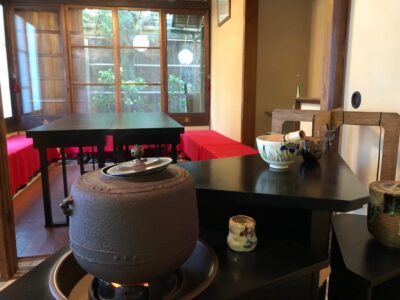
Kimono and Tea Ceremony Experience at Cultural Asset
Read our review →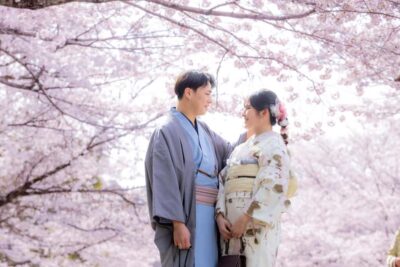
Family-Friendly Kimono & Yukata Experience at WARGO
Read our review →
1 Day Traditional Japanese Kimono Rental Experience
Read our review →Browse the lists this tour appears in