
Reviewed · 1-DAY TOURS
Private Custom Tour: Kyoto in One Day
Kyoto’s best feature is the freedom to shape the day around your own interests. With a private guide, you can link major sights such as Fushimi Inari Shrine, Kinkaku-ji, and Kiyomizu-dera without wrestling with train routes, bus stops, and ticket machines on your first morning in town.
I like the personal pace and the chance to ask real questions about Buddhism, Shinto customs, samurai life, food, or daily Kyoto. I also like that guides such as Oki, Katsuko, Yoko, Juraj, Rebecca, and Kazu have helped guests build very different days, from temples and gardens to sake, markets, Japanese knives, and local sweets.
The catch is the price, $181.69 per person, and the fact that admission fees are generally extra. The quality also depends heavily on your assigned guide. Some have offered thoughtful cultural explanations and sharp navigation, while others have provided only brief comments or struggled to speak clearly.
Key points before you book
- Choose four or five main stops on a full day: Two or three sights are more realistic on a half-day tour.
- Public transport is part of the experience: Most standard tours use Kyoto’s trains, buses, and subway rather than a private car.
- Full-day bookings include lunch: The meal is at a local Japanese restaurant, with a drink included.
- Entrance fees are usually extra: Budget separately for temples and castles, as well as optional activities.
- Send your wish list early: A guide can judge what fits together geographically and cut wasted travel time.
- The guide makes the day: Oki, Yoko, Katsuko, Juraj, Rebecca, Kazu, and others have received praise for adapting plans and explaining sites, but guide quality is not perfectly consistent.
What this private Kyoto day is really for

Kyoto rewards careful planning, but it can also punish a first attempt. Its major sights spread across the city, and the most famous ones are not arranged in a tidy sightseeing line. Fushimi Inari is south of the center, Kinkaku-ji sits in the northwest, and Arashiyama lies farther west.
A private custom tour gives you a human route planner for eight hours. You tell the guide what interests you, and the two of you decide how much can fit. That matters more than simply having someone point at a temple. A good guide can tell you when a second shrine is worthwhile, when a long transfer will eat too much of the day, and where lunch makes sense.
You receive hotel pickup and drop-off within Kyoto city. The regular arrangement uses public transport, and transportation fares are included. A private vehicle may be available with a selected private transport option, but the standard description says private car service is not included, so check the exact option before paying.
This is a private activity, meaning only your own group takes part. That makes it easier to stop for photographs, adjust the pace, ask questions, or change direction after lunch.
A few more Kyoto tours worth putting on the shortlist
- PERFECT KYOTO 1-Day Bus Tour
★ 5.0 · 13,518 reviews - Kyoto: Fushimi Inari, Kinkakuji, Bamboo Grove 1 Day Bus Tour
★ 4.8 · 4,316 reviews - 10 Must-see Spots in Kyoto One Day Private Tour (up to 7 people)
★ 5.0 · 1,108 reviews
Planning your four or five stops
You can suggest specific places in advance, or let the guide help build the route. For a full day, four or five main locations are the stated target. That sounds generous, but Kyoto’s distances and crowds can make five stops a full schedule.
For a half-day, plan on two or three sites. This is a better choice if you want time to look carefully, shop, eat without rushing, or walk a historic district between visits.
Send a clear list before the tour. Past itineraries have included Fushimi Inari with a sake brewery, Kiyomizu-dera and the preserved streets around Sannenzaka and Ninenzaka, Nishiki Market, Kinkaku-ji, Arashiyama, the Philosopher’s Path, Daitoku-ji, Ginkaku-ji, Sanjusangen-do, and Heian Shrine.
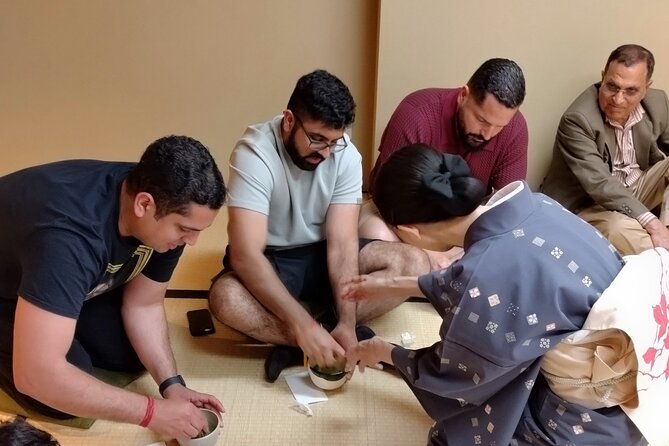
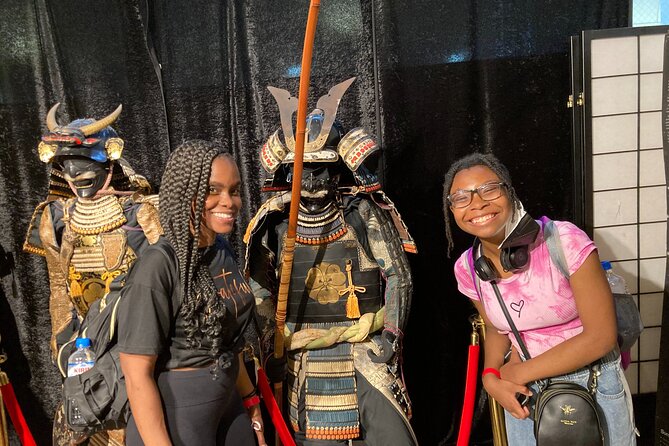
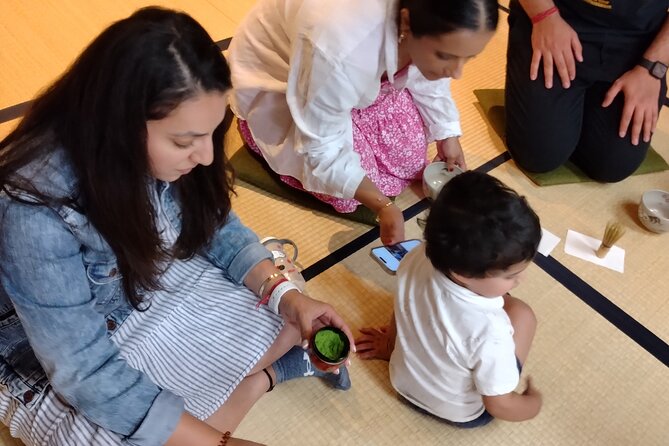
Your guide can also help with interests beyond standard sightseeing. Possible additions include a tea ceremony, calligraphy lesson, aikido class, bike ride, sake tasting, or a samurai museum. These cost extra, and adding one may mean removing a temple from the plan.
Fushimi Inari and its red torii gates
Fushimi Inari-taisha is one of the strongest choices for a first Kyoto day. The shrine’s wooded route climbs through thousands of orange-red torii gates, each donated by an individual or business. Even if you do not walk the entire mountain, the first section gives you the visual experience most people come to see.
The guide can get you there by train and explain the role of the shrine and its fox imagery. One useful advantage of a private visit is flexibility. You can stop at small side shrines, look for quieter stretches, or turn back before the climb becomes too demanding.
This is an early-start sight. The gates are popular, and the first paths can feel crowded later in the day. One past itinerary began early specifically to allow better photographs before the heaviest crowds. If Fushimi Inari is a priority, tell your guide before the tour so it can anchor the schedule.
Allow more than an hour if you want to walk uphill. The listed one-hour stop works for the lower shrine area and an initial stretch, not for a full mountain walk at a slow pace.
Kinkaku-ji, the Golden Pavilion
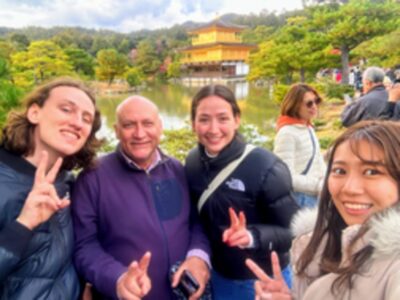
Kinkaku-ji is the classic postcard stop: a gold-covered pavilion reflected across a pond in a carefully arranged garden. You follow a set path through the grounds, with the pavilion as the main visual reward.
The visit is not especially long, usually about an hour in the suggested plan. That makes it useful as part of a west Kyoto route, perhaps alongside Arashiyama or Tenryu-ji. It is less suitable if you want a quiet, lingering garden visit during a crowded period.
Admission is not included. Your guide can handle the practical side and explain what you are seeing, but the amount of interpretation may vary. This is one place where a guide who explains architecture, religious purpose, and garden design will add much more than a guide who simply hands you a brochure.
Same city, a completely different kind of day:
- Kyoto: Tea Ceremony in a Traditional Tea House in Kiyomizu
★ 4.9 · 3,519 reviews - Kyoto Geisha Walking Tour: Gion District & Hidden Gems
★ 4.7 · 3,273 reviews - Kyoto: Tea Ceremony Ju-An at Jotokuji Temple
★ 4.9 · 3,207 reviews - Kyoto: Gion Magical Night Walking Tour with Geisha Trivia
★ 4.9 · 2,393 reviews
Nijo Castle and the world of the shoguns
Nijo Castle gives the day a different flavor from Kyoto’s shrines and mountain temples. Built in the seventeenth century, it was connected with the Tokugawa shoguns and served as a seat of political power for nearly 300 years.
Inside, you can walk through rooms decorated with painted screens and imagine the formal world of samurai-era government. The castle is a strong pick if you want politics, architecture, and military history rather than only gardens and religious sites.
Plan for about an hour, with admission extra. Ask your guide to explain the castle’s function and the meaning of its interior details. Without that context, the visit can become a walk through attractive rooms with limited understanding of why they mattered.
Kiyomizu-dera and Kyoto’s preserved streets
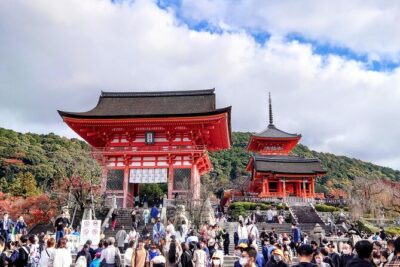
Kiyomizu-dera sits on a hillside and is known for its broad wooden stage and views across Kyoto. The temple is associated with Kannon, the Buddhist bodhisattva of compassion, and the setting gives the visit a calm pause after busy streets and train rides.
The approach is part of the experience. Sannenzaka, Ninenzaka, and nearby lanes preserve an older-looking Kyoto streetscape, with shops, snacks, souvenirs, and traditional buildings. You may spend as much time browsing and tasting as you do inside the temple.
This area can be crowded and involves slopes and uneven walking. Comfortable shoes matter. A one-hour temple stop can easily expand if you shop or stop for sweets, so discuss your priorities with the guide.
Kiyomizu-dera is especially useful for first-time visitors because it combines a major religious site, city views, old streets, and food in one area. It also makes a good setting for questions about how Buddhist and Shinto practices overlap in Japan.
Tenryu-ji and the gardens of Arashiyama
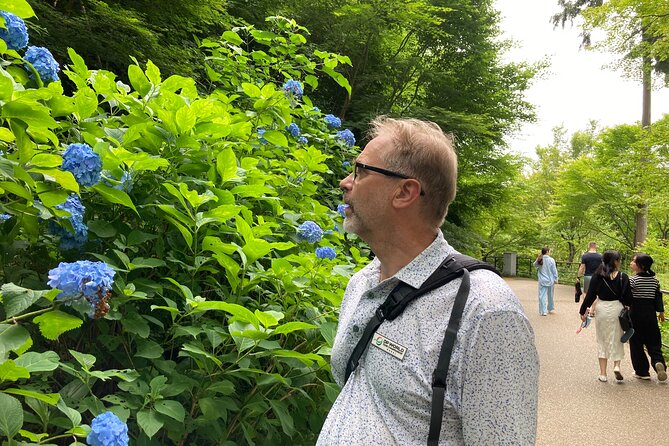
Tenryu-ji is a World Cultural Heritage site in Arashiyama, west of central Kyoto. Its strolling garden, with ponds and borrowed mountain scenery, offers a change from the strong visual repetition of shrine gates and temple roofs.
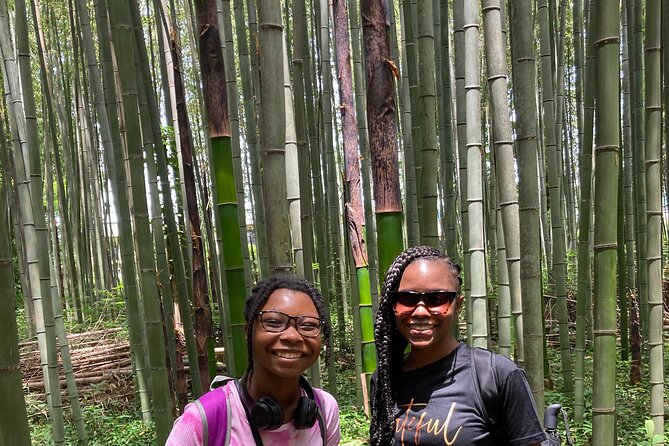
The suggested stop lasts about an hour, but Arashiyama contains more than Tenryu-ji. If you also want the bamboo grove, shopping streets, or a meal in the district, the area can consume much of the day.
That is not a flaw, but it is a planning choice. Combining Arashiyama with Fushimi Inari and eastern Kyoto in one day may leave little time at each location. If gardens and the bamboo grove are your main goal, build the tour around Arashiyama rather than trying to collect every famous landmark.
Lunch, sake, markets, and local flavor
Lunch is included with the full-day option at a local Japanese restaurant, along with a drink. Your guide chooses or recommends the place, and this can be one of the most useful parts of the day. It gives you a chance to eat without spending time searching, and you can ask about dishes or ordering.
The meal is not described as a set menu, so tell the operator about any food concerns before the tour. A half-day booking does not include lunch. One itinerary included ramen near Kyoto Station, while other guides led guests to tonkatsu, sushi, or a small riverside restaurant.
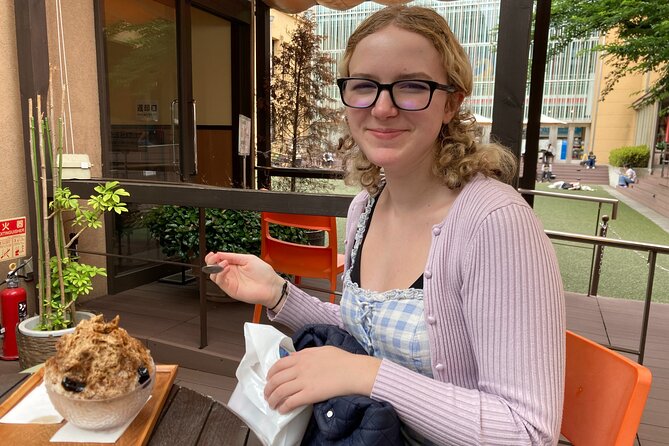
Food-focused plans can include Nishiki Market, where you can browse small food stalls and specialty shops. A sake brewery visit and tasting is another possible addition. One full-day plan combined Fushimi Inari, a Fushimi brewery, lunch, Kiyomizu-dera, the preserved eastern streets, and shopping areas.
These extras are where a custom day can feel personal rather than formulaic. A guest interested in Japanese knives was taken to a knife maker, while another added sweets and black sesame ice cream during a stroll. Such stops depend on time, availability, and your guide, so request them in advance.
How much guidance will you receive?
This is the most important variable. Several guides have been praised for clear English, cultural explanations, practical help, and efficient routing. Yoko has been described as energetic and careful with tickets, transportation, and lunch. Katsuko has been praised for fitting a long wish list into a half-day. Oki has built tailor-made routes and offered detailed explanations of Japanese beliefs and customs.
Juraj has helped with translation and shopping, while Rebecca has been praised for explaining Buddhism and Shinto and for helping with photographs. Kazu has assisted with metro use, a SIM card, and practical questions beyond the sights.
You should still set expectations before meeting. Tell the operator if you want substantial commentary at every temple, rather than simple navigation. A few experiences have fallen short because the guide spoke quietly, offered short explanations, or relied too much on written information.
English ability also varies. Some guides speak excellent, easy-to-follow English, while others may be harder to understand. If detailed cultural interpretation is central to your trip, ask about guide language ability and your preferred subjects when arranging the tour.
The walking and transport reality
You will use buses, trains, subways, and plenty of footpaths on the standard tour. That is a practical lesson in how Kyoto works, and it can help you explore independently the following day.
It also means this is not a low-effort sightseeing ride. The tour requires a moderate amount of walking, with temple approaches, station transfers, stairs, slopes, and possible waits. Wear comfortable shoes and keep your daily wish list realistic.
Public transportation saves time in some parts of Kyoto, but not all routes are direct. A private guide reduces the stress of reading maps and finding platforms, yet you still experience the city alongside local residents. If you strongly prefer a private vehicle, confirm that you selected the option that includes one, since the regular description specifies public transport.
Is $181.69 per person good value?
At $181.69 per person, this is not a budget introduction to Kyoto. Its value depends on your group size, the number of people sharing the guide, and how much help you need with planning and navigation.
For a couple or family, the cost buys a private day rather than a fixed group route. You get hotel pickup and drop-off in Kyoto, an English-speaking guide, included public transport fares, and lunch on the full-day option. You also save the planning time needed to connect distant districts.
Admission fees are mostly extra, and optional experiences cost more. Add those expenses before comparing the tour with a self-guided day. If you already know Kyoto’s transport system and enjoy building routes, the price may feel high. If you have only one day, are traveling with children or older family members, or want cultural explanation while moving efficiently, the cost becomes easier to justify.
The strongest value comes when you arrive with a thoughtful wish list and allow the guide to edit it. Paying for a private guide while insisting on too many far-apart sights can turn the day into a race.
Who should book this Kyoto tour?
I would consider it for a first visit when you have only one full day in Kyoto. It is also a good fit for solo visitors who want company, families who need a flexible pace, and anyone nervous about Japanese public transportation.
It suits you if you want to mix famous landmarks with food, shopping, sake, local streets, or a special interest such as samurai culture. It is less suitable if you want a slow temple retreat, a fixed luxury car service, or a guaranteed specialist guide in architecture or religion.
Book with a clear plan, and ask for the guide to explain each site rather than only lead you there. If you need a quieter day, choose two or three major places and use the remaining time for lunch and walking.
Booking details worth knowing
Hotel pickup and drop-off are offered within Kyoto city. The experience requires confirmation within 48 hours, subject to availability, so do not assume a last-minute request is guaranteed.
Most people can take part, but the walking is moderate. Admission charges are not generally included, and tea ceremonies, calligraphy, aikido, bike rides, sake tastings, and similar additions cost extra.
Free cancellation is available up to 24 hours before the start time. A cancellation or change made less than 24 hours in advance is not refunded, and poor weather may lead to a new date or a full refund.
Should you book it?
Book this tour if your Kyoto time is short and you want a guide to turn a long wish list into a workable day. The best parts are the private format, flexible routing, local transport, and the chance to combine major temples with food or a personal interest.
I would not book it blindly. Send your priorities early, confirm whether you want public transport or a private vehicle, ask how much cultural explanation you can expect, and budget for entrance fees. With the right guide and a sensible route, this can be an efficient and memorable first look at Kyoto. With an overloaded itinerary or a weak language match, the price may not feel justified.
FAQ
How long is the Kyoto custom tour?
The experience lasts approximately eight hours for the full-day option. A half-day option is also available.
How many places can I visit in one day?
The suggested plan allows four or five places on a full-day tour and two or three places on a half-day tour. The exact number depends on your choices, travel time, and how long you spend at each site.
Is transportation included?
Yes. Transportation fares are included when the tour uses public transport. A private vehicle is available only if you select an option that includes private transport, so check the booking choice carefully.
Is lunch included?
Lunch at a local Japanese restaurant is included with the full-day option. The full-day package also includes a drink. Lunch is not included with the half-day tour.
Are temple and castle admission fees included?
No. Admission fees for places such as Kinkaku-ji, Nijo Castle, Tenryu-ji, and Kiyomizu-dera are not generally included. Fushimi Inari Shrine has no admission charge.
Can I cancel for a full refund?
You can cancel for a full refund up to 24 hours before the experience begins. Changes or cancellations made less than 24 hours before the start time are not accepted for a refund.
Newest Kyoto experiences on the site
- Treasures of Kyoto: Gion & historical Walking Tour★ 5.0 · 6 reviews
- Whisk Your Own Matcha: A Zen Matcha Experience at Temple★ 3.6 · 7 reviews
- Kyoto tea town for matcha lovers★ 5.0 · 16 reviews
- Uji: Private immersion into Kyoto’s tea and reglious culture★ 5.0 · 17 reviews
- Kyoto Matcha Green Tea Tour★ 4.5 · 23 reviews
- Uji and Wazuka Matcha Farm Half Day Private Guided Tour★ 5.0 · 21 reviews
- Utilising upcycled Matcha! Creating matcha incense (Uji, Kyoto)★ 5.0 · 6 reviews
- Sacred Temple Yoga Experience in Japan★ 5.0 · 3 reviews
1-Day Tours, compared.
Fushimi Inari, Kinkakuji, Bamboo Grove 1 Day Bus Tour
Read our review →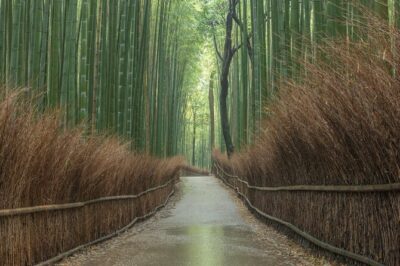
10 Must-see Spots in Kyoto One Day Private Tour (up to 7 people)
Read our review →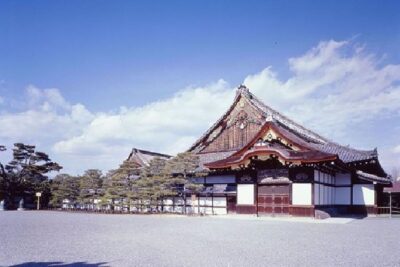
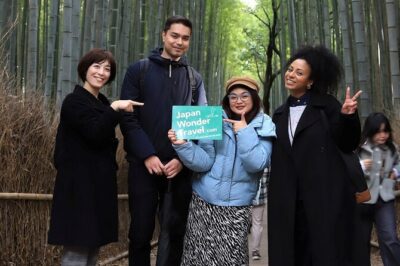
Kyoto Customized Private Tour: See Top Attractions in 1 Day
Read our review →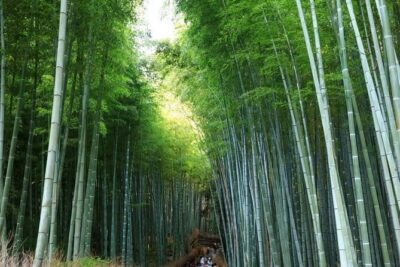
From Kyoto / Osaka: Kyoto Must-see Spots & Nara Park One Day Tour
Read our review →
Nara, Osaka & Kobe Day Trip – 3 Cities in 1 Day
Read our review →Browse the lists this tour appears in