
Reviewed · KYOTO NINJA EXPERIENCES
Ninja Trekking half-day tour at Mt.Daimonji Kyoto
Kyoto’s Mt. Daimonji is more than the famous hillside bonfire symbol. On this private ninja trek, you walk through one of the city’s eastern peaks while learning breathing, efficient movement, meditation, and old mountain customs from a guide such as Izo Sensei. It is part hike, part cultural lesson, and part practical body-training session.
I like two things here. First, the guide turns an ordinary uphill walk into a lesson in how to move with less wasted effort. Second, the route links Keage, Mt. Daimonji, and Ginkakuji, giving you a quieter side of Kyoto than the usual temple circuit. The main consideration is price: at $347.48 per person, this is a serious splurge for a half-day hike, especially since water, snacks, and transportation are not included.
Key points to know
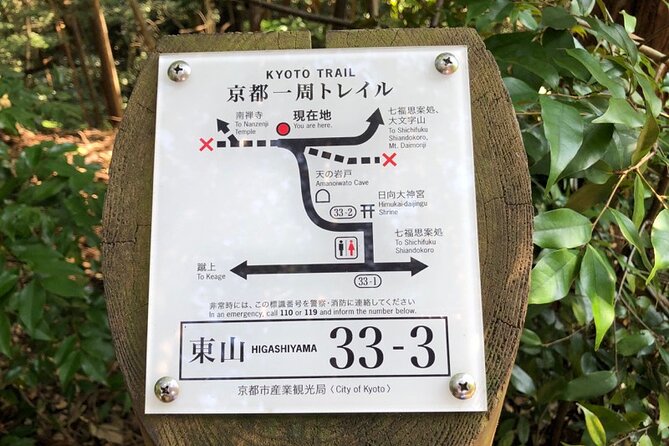
- A 7.5 km route through eastern Kyoto: Walk from Keage near Nanzenji toward Mt. Daimonji, then descend toward Ginkakuji.
- Ninja skills have a practical focus: Expect breathing, body control, meditation, survival ideas, walking technique, and mountain etiquette.
- Izo Sensei may lead your group: His instruction includes efficient movement, breathing, walking methods, and Kuji-in hand gestures.
- Private format: Only your group takes part, which allows the pace and explanations to suit your party.
- Moderate fitness is required: The path is described as relatively gentle, but you will still climb a mountain over several hours.
- Pack your own basics: Water, snacks, medication, and transport are not supplied.
A ninja lesson on Kyoto’s eastern ridge
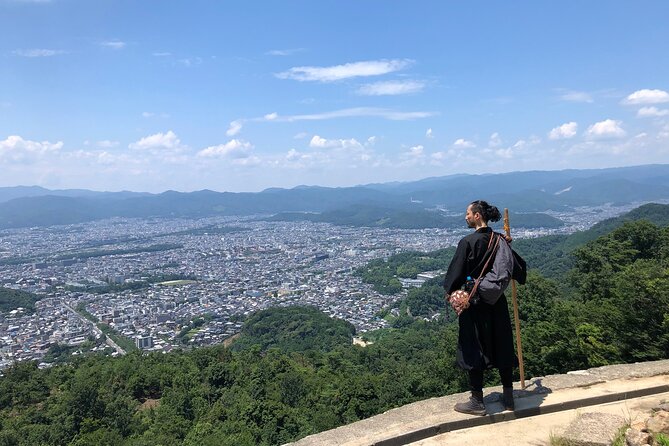
The appeal of this experience is not dressing up and pretending to be a movie ninja. Ninjutsu is presented here as a broad survival discipline, combining body movement, breath control, mental training, meditation, mountain walking, and practical awareness.
That distinction matters. You are not simply being led up a hill while someone tells colorful ninja stories. The point is to pay attention to how you stand, breathe, step, rest, and move over uneven ground. One useful lesson described by participants is learning to make walking more efficient, so the climb feels controlled rather than rushed.
I like this approach because it gives the hike a clear purpose. You are not collecting viewpoints at speed. You are learning to use the mountain as a training ground.
The tour lasts about four to five hours, with roughly 7.5 km of walking. The route is described as relatively gentle and safe, and it takes about four hours rather than the shorter standard walking time. That slower pace leaves room for instruction and breaks, but it also means this is not a quick scenic stroll.
More ninja experiences in Kyoto:
- Skip the lines Basic Ticket at SAMURAI NINJA MUSEUM KYOTO
★ 4.5 · 632 reviews - Ninja 1-hour Hands-on Lesson by Japanese master in Kyoto -Entry
★ 5.0 · 489 reviews - Kyoto: Ninja Weapon Forging Experience
★ 4.8 · 478 reviews
Starting at the Ninja Dojo in central Kyoto
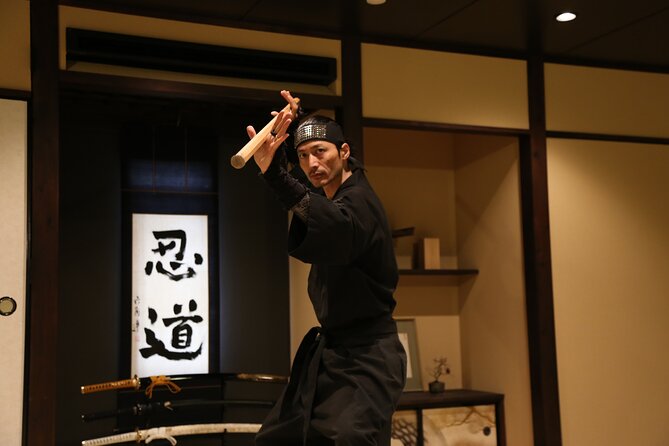
The meeting point is NINJA DOJO and STORE KYOTO at 528 Hakurakutencho, on the second floor, in Kyoto’s Shimogyo Ward. The start time is 10:00 in the morning, and the venue is near public transportation.
This location is useful because you begin with a clear place to meet before heading toward Keage and the Nanzenji area. Still, private transport is not included, so you need to handle the journey to the starting point yourself. Allow enough time to find the building and arrive ready to walk.
The supplied information describes the activity as private, meaning only your party participates. That is a real benefit if you are traveling with family or friends. You can ask questions without holding up a large group, and the guide can adjust the pace to your abilities.
The experience is associated with Izo Sensei, whose instruction has included breathing, efficient movement, walking methods, and Kuji-in protection gestures. Some descriptions of the full experience also refer to a dojo session and a demonstration. Confirm exactly what is included in your booking, since the core tour details focus on the Mt. Daimonji trek itself.
From Keage and Nanzenji toward Mt. Daimonji
The walking route begins around Keage, near Nanzenji, then climbs through the eastern hills toward Daimonji, also identified as Nyoigatake. This part of Kyoto is especially appealing if you have already seen the major temples and want a more physical way to understand the city.
The climb gives the guide space to introduce the basic ideas of ninja mountain practice. You might work on breathing rhythm, foot placement, posture, and conserving energy. The lessons are not only about looking impressive. They are meant to help you handle a slope with more control.
For a first-time mountain walker, this guidance could make a real difference. One account describes a beginner following the guide’s lead and learning how to walk uphill. Another describes the hike as strenuous but manageable, with breathing and movement advice that made the effort more efficient.
That balance is important. The route may be gentle by mountain standards, but it still involves sustained uphill walking. You should have moderate physical fitness, and you should be comfortable being outdoors for several hours. The experience is not a good choice if you want a fully relaxed temple visit with little exertion.
What ninja training means on the trail
The phrase ninja trekking can sound theatrical, but the listed skills are grounded in practical training. Ninjutsu is described as a complete survival art, with several parts that fit naturally into a mountain walk:
- Breathing methods to help control effort
- Body manipulation and movement exercises
- Mental and physical training
- Meditation
- Survival awareness
- Mountain walking techniques
- Customs for entering sacred mountain areas
You may also learn Kuji-in, a set of protective hand gestures associated with Japanese esoteric practice. One participant specifically valued learning the ninja way of breathing, walking, Kuji-in, and the proper way to bow before a torii gate.
The cultural side is one of the stronger reasons to book this tour. Instead of treating the forest as scenery, the guide presents it as a place where conduct matters. Bowing, entering respectfully, and paying attention to the setting can give familiar Japanese customs a more personal meaning.
At the same time, you should keep your expectations sensible. This is not a formal martial arts course with a long series of combat drills. The information provided points to a mixture of instruction, walking, breathing, meditation, and spiritual practice. If you want a full weapons lesson or a staged ninja show, this may not be the right fit.
More hikes out of Kyoto:
- Fushimi Inari Hidden Hiking Tour (Private Option Available)
★ 5.0 · 1,750 reviews - Kyoto: 3-Hour Fushimi Inari Shrine Hidden Hiking Tour
★ 4.9 · 270 reviews - Kyoto Hiking Tour: The Nature and Legends of Kurama and Kibune
★ 5.0 · 75 reviews - Kyoto: Hike and Hot Springs in Kurama
★ 5.0 · 49 reviews
Reaching Daimonji and understanding the power spot
Mt. Daimonji is described as one of Kyoto’s power spots and part of the Higashiyama 36 Peaks. The name will be familiar to anyone who has seen the large character burned into the mountainside during Kyoto’s famous summer fire festival.
Here, the mountain is approached as a place for training and reflection rather than just a photo stop. The guide may connect physical effort with concentration, breathing, and awareness. The route gives you time to notice how the body responds to climbing, then to apply the techniques being taught.
I like that the tour uses a recognizable Kyoto landmark in a less familiar way. Many visitors see the Daimonji character from below. This experience takes you into the mountain area itself, where the city feels farther away and the focus shifts from sightseeing to movement.
The exact length of time at the Mt. Daimonji stop is listed as about one hour, though the full experience lasts four to five hours. The itinerary wording is not perfectly clear about how that hour fits into the complete walking schedule, so confirm the detailed timing when booking.
Descending toward Ginkakuji
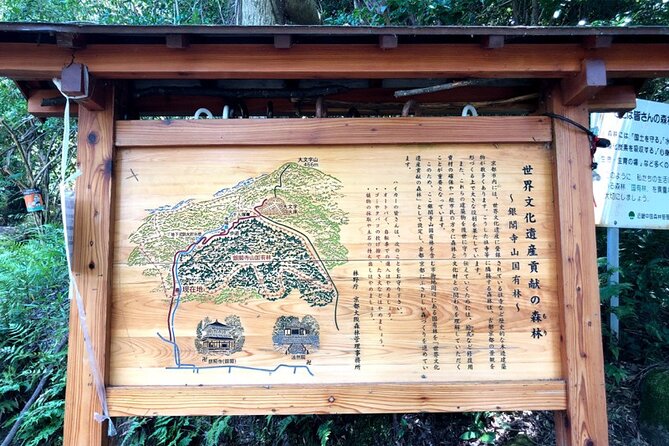
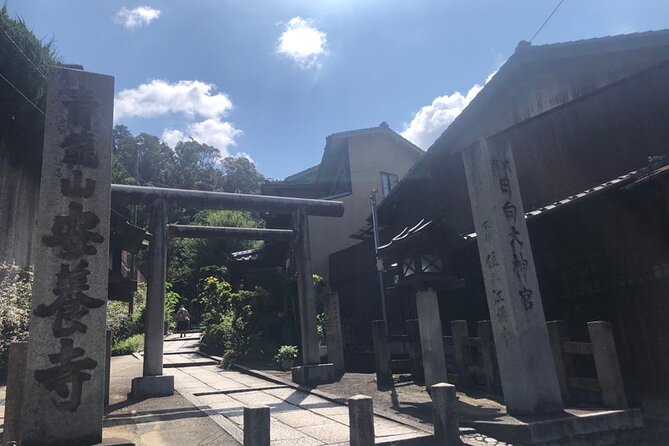
After reaching the Daimonji area, the route descends toward Ginkakuji, the Silver Pavilion. This gives the tour a satisfying point-to-point shape: begin near Keage and Nanzenji, climb into the hills, then come down on the Ginkakuji side.
The descent is not simply an easier version of the climb. Uneven downhill paths can test your knees and balance, which makes the lessons about body control and careful foot placement useful. A guide who keeps the pace steady can help you avoid treating the downhill as a race.
The route also lets you connect two well-known Kyoto areas in one outing. You get the wooded eastern hills and a route toward one of the city’s best-known temple districts, rather than spending the entire morning on paved streets.
There is a practical point to check here. The supplied meeting information says the activity ends back at the meeting point, while the route description says it descends to Ginkakuji. Those details do not fully match. Ask the operator how the return to the original meeting point is handled, and whether the listed end point means the walking route or the final group return.
How demanding is the 7.5 km walk?
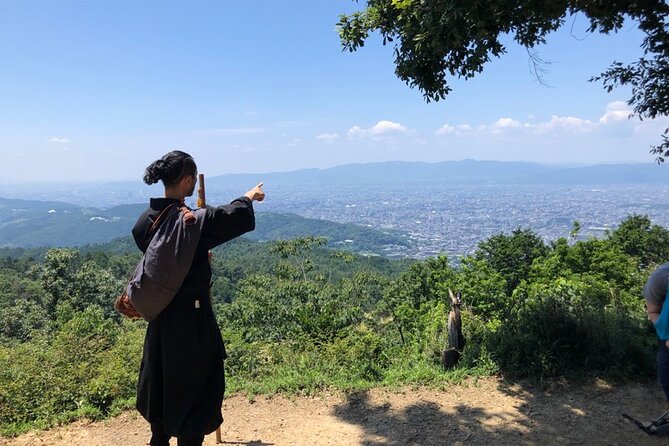
The tour is aimed at people with a moderate fitness level. The route is called relatively gentle and safe, but 7.5 km over four or five hours is still a proper half-day hike.
You should expect uphill and downhill walking, time on natural mountain paths, and enough exertion to make water essential. Wear comfortable clothing and sturdy walking shoes. The provided details do not specify a required shoe type, but ordinary city footwear would be a poor choice for a mountain route.
The slower pace helps beginners. You are not expected to finish a standard three-hour route in a rush. The extra time is used for instruction and a more measured approach, which can make the hike easier to manage.
Still, the tour is not suitable for everyone. If you have difficulty with sustained climbing, uneven ground, or several hours outdoors, consider a less active Kyoto experience. Bring any regular medication you need, as specifically advised in the tour information.
What to bring, and what you pay for
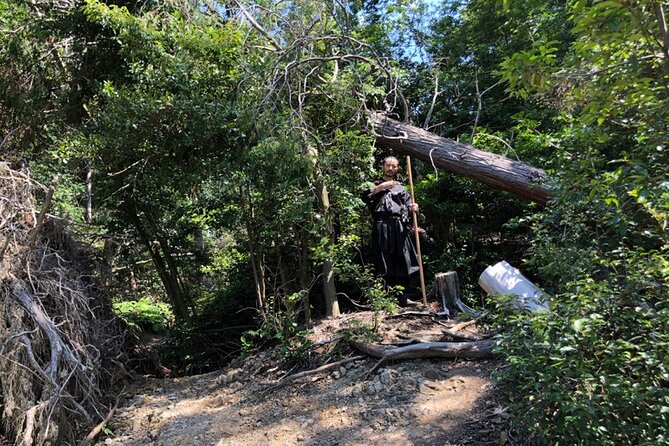
The price is listed as $347.48 per person. That is expensive compared with an ordinary self-guided walk, and the value depends on how much you want the instruction.
You are paying for a private experience with a specialist guide, not simply access to Mt. Daimonji. The guide’s role is to explain ninja principles, help with walking and breathing, teach cultural practices, and shape the outing around your private group. If you are curious about Japanese martial traditions and want direct instruction, that can justify the cost.
If you mainly want mountain views, you can visit the area without paying for a private guide. The tour makes more sense for people who want interpretation and participation, not just a route map.
Group discounts are available, which could improve the value for a family or small party. Since the price is stated per person, check the current group rate before booking.
Bring your own bottled water and snacks. They are not included. There is no restroom on board, and private transportation is not included either. The tour starts near public transit, so plan your arrival and any return journey in advance.
The strongest parts of the experience
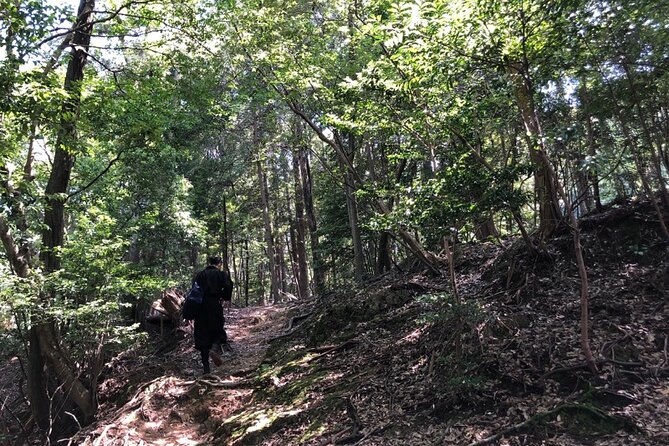
The best feature is the combination of movement and instruction. You are not asked to accept vague ninja mystique. The experience connects breathing, posture, walking, meditation, and survival practice to the physical task in front of you.
I also like the personal scale. A private group allows more room for questions and makes it easier for the guide to notice when someone needs a slower pace. That is particularly helpful for families, beginners, and people who have never climbed a Kyoto mountain.
The route itself adds value. Keage, the eastern hills, Mt. Daimonji, and the Ginkakuji side of Kyoto offer a different rhythm from the city center. You still remain close to major sightseeing areas, but the walk takes you into quieter surroundings.
The teaching can be meaningful even if you have no martial arts background. You might learn simple ideas about using breath, stepping with care, entering a sacred place respectfully, and keeping the mind calm during physical work.
The main weakness is cost. At this price, you need to care about the guide-led training. You also need to accept that the experience includes real exertion and does not provide water, food, or transport.
Who should book this Mt. Daimonji trek?
I would recommend it to families with active teenagers, couples who want something beyond temple visits, martial arts students, and curious visitors who enjoy learning through doing. It could also suit a first-time mountain walker who wants a patient guide rather than a self-guided route.
The experience appears especially good for people who value ideas they can carry beyond the hike. Breathing, efficient movement, awareness, and mountain manners are small lessons, but they can make a walk feel more purposeful.
I would hesitate to recommend it to someone searching for a cheap outdoor activity, a short photo stop, or a conventional ninja performance. The word ninja may attract people expecting costumes and combat tricks, but the supplied details point to a quieter and more reflective form of training.
The six available ratings are all at the top level, and the strongest praise centers on the guide’s friendly instruction, the memorable family experience, the spiritual side of the trek, and the practical breathing and walking lessons. Those are the reasons to book. Do not book it only because the title sounds unusual.
Should you book it?
Book this tour if you want a private, active Kyoto experience that combines a mountain walk with practical ninja training and cultural instruction. The route is long enough to feel like a real outing, yet the measured pace gives beginners a fair chance.
Skip it if the $347.48 price feels hard to justify, or if you mainly want sightseeing without physical effort. Before paying, confirm the exact return arrangement, what dojo activities are included, and how the group discount applies.
For the right person, this is a memorable way to see Mt. Daimonji. Its value lies less in the word ninja than in the chance to walk carefully, breathe deliberately, and experience Kyoto’s eastern hills with a guide who teaches along the way.
FAQ
Where does the Ninja Trekking tour start?
The tour starts at NINJA DOJO and STORE KYOTO, 528 Hakurakutencho, second floor, in Kyoto’s Shimogyo Ward.
What time does the tour begin?
The listed start time is 10:00 am.
How long does the experience last?
The tour takes approximately four to five hours.
How far is the walking route?
The route is approximately 7.5 km long.
What places does the route connect?
The walk goes from Keage near Nanzenji toward Mt. Daimonji, also called Nyoigatake, and descends toward Ginkakuji.
Is the tour private?
Yes. The activity is described as private, so only your group participates.
What should I bring?
Bring your regular medication if needed, along with your own water and snacks. Bottled water and snacks are not included, and private transportation is also not included.
Newest Kyoto experiences on the site
- Whisk Your Own Matcha: A Zen Matcha Experience at Temple★ 3.6 · 7 reviews
- Treasures of Kyoto: Gion & historical Walking Tour★ 5.0 · 6 reviews
- Kyoto tea town for matcha lovers★ 5.0 · 16 reviews
- Uji: Private immersion into Kyoto’s tea and reglious culture★ 5.0 · 17 reviews
- Kyoto Matcha Green Tea Tour★ 4.5 · 23 reviews
- Uji and Wazuka Matcha Farm Half Day Private Guided Tour★ 5.0 · 21 reviews
- Utilising upcycled Matcha! Creating matcha incense (Uji, Kyoto)★ 5.0 · 6 reviews
- Sacred Temple Yoga Experience in Japan★ 5.0 · 3 reviews
Kyoto Ninja Experiences, compared.
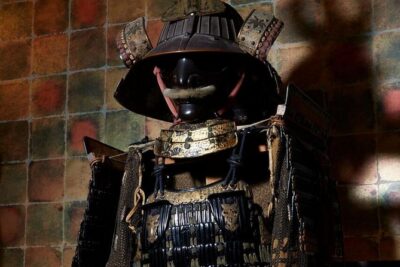
Skip the lines Basic Ticket at SAMURAI NINJA MUSEUM KYOTO
Read our review →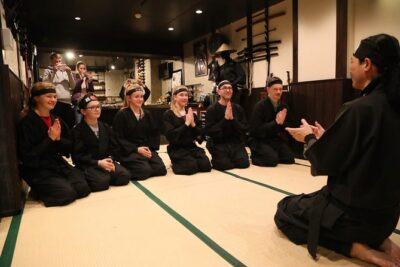
Ninja 1-hour Hands-on Lesson by Japanese master in Kyoto -Entry
Read our review →
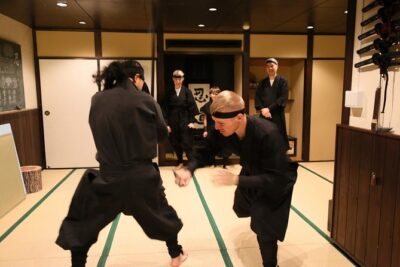
Ninja 2-hour Hands-on Lesson by Japanese master in Kyoto -Medium
Read our review →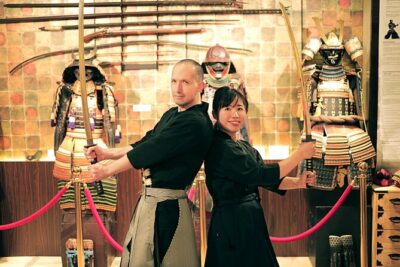
Kyoto Sword Experience – includes Museum Ticket/Ninja Experience
Read our review →

Ninja Experience (Family Friendly) at Samurai Ninja Museum KYOTO
Read our review →
Forge Your Own Ninja Weapon with Japanese Tin Casting
Read our review →Browse the lists this tour appears in