
Reviewed · NARA DAY TRIPS
Nara Todaiji Kasuga Taisha Private Full Day Tour From Kyoto
Nara’s great appeal is how much history sits within an easy walk of its friendly deer. This private day trip takes you from Kyoto to Todaiji’s huge Great Buddha, then through Kasuga Taisha, Naramachi, and Kofukuji with an English-speaking guide to explain what you are seeing.
I like the early start, which can help you reach the main sights before the thickest crowds, and I like the private format, since your group can move at its own pace. The main drawback is cost: at $195 per person, you still pay separately for the train, lunch, and personal expenses.
Key points to know before you book
- Todaiji’s Great Buddha Hall is the day’s major sight and admission is included.
- Nara Park’s Sika deer roam freely and are considered sacred messengers in Shinto belief.
- Kasuga Taisha is known for its many hanging lanterns and wooded setting.
- Naramachi offers narrow lanes, old merchant houses, specialty shops, and retro museums.
- The private format means only your group joins the tour, with guides such as Katsuhiko, Yochee, Yossi, Richard, and Gustavo named in past bookings.
- The $195 price excludes transport and lunch, so budget about JPY 1,280 each way for the train if you are not using a JR Pass, plus about JPY 2,500 for the traditional meal.
Why this Kyoto to Nara day trip works
Nara is one of the easiest major side trips from Kyoto. You meet at the 7-Eleven Heart-In store by Kyoto Station’s central entrance, then travel by express train with your guide. The trip lasts about eight hours, giving you enough time for Nara’s main sights without trying to cram in every temple and museum in town.
The private setup matters here. Nara Park can feel scattered, with deer, temples, shrine paths, restaurants, and old streets spread across a broad area. A guide helps connect the stops and keeps the day moving. You are not simply dropped beside a famous building and left to work out the rest.
The guides named in the tour feedback include Katsuhiko Ishida, Yochee, Yossi, Richard, and Gustavo. Their strengths differ, but the useful pattern is clear: the guide is an important part of the experience. Katsuhiko is described as especially easy to understand, Yochee brings local Nara knowledge, and Richard is praised for adding context and starting early enough to beat some of the crowds.
You should still expect a lot of walking. One full-day account specifically notes that the walk was long, though worthwhile. Comfortable shoes are more important here than stylish ones.
More day trips down to Nara:
- Osaka/Kyoto:Kinkakuji,Arashiyama,FushimiInariShrine,NaraPark
★ 4.1 · 1,596 reviews - Kyoto/Osaka: Nara, Fushimi Inari Taisha, Arashiyama Bus Tour
★ 4.7 · 1,275 reviews - Osaka/Kyoto: Arashiyama, Nara & Fushimi Inari Shrine w/Lunch
★ 4.4 · 754 reviews
Starting beside Kyoto Station and the Gyoki Statue
The meeting point is the 7-Eleven Heart-In at Kyoto Station’s central entrance, on Karasuma Street. This is practical for anyone staying near central Kyoto or arriving by train, but it is not hotel pickup. You need to reach the station on your own and be ready to meet the guide there.
The first part of the morning includes the express train to Nara. Transportation is not included in the tour price. The stated fare is JPY 1,280 one way, and a JR Pass can be used. Check your own rail pass before leaving, since the tour information specifically notes its use but does not include the ticket.
In Nara, you pass the Gyoki Statue with a Fountain. This serves more as a meeting and orientation point than a major sightseeing stop. It gives you a clear place to gather before heading toward the park, and the guide begins setting the day’s historical context here.
The train ride is one of the reasons this works well as a Kyoto outing. You avoid arranging separate rail tickets, local directions, and temple visits yourself, while still getting the simple experience of going from one city to the other by train.
Meeting Nara’s free-roaming deer in Nara Park
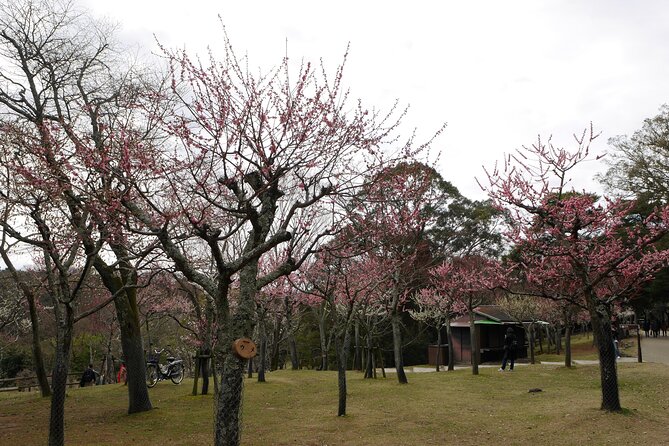
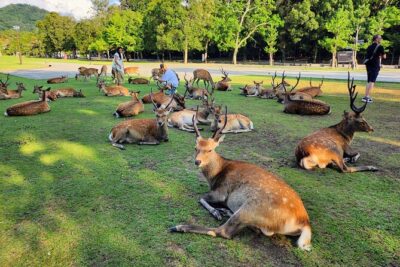
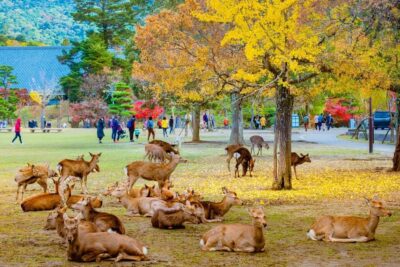
Nara Park is the most playful part of the day. Sika deer move freely through the open green spaces, near paths and temple grounds. In Shinto belief, they are sacred messengers of the gods, and they have become the symbol most closely linked with Nara.
You get about an hour here before moving to Todaiji. That is enough time for photos and a first look at the deer, but it is not an unlimited park visit. If you want to linger over every corner, feed deer at length, or explore farther into the grounds, the fixed schedule may feel tight.
The deer are friendly, but you should treat them as animals rather than photo props. Keep snacks and personal items under control, and pay attention to the guide’s instructions. The experience is fun partly because it feels unscripted. A deer may wander into your photograph, ignore you, or come close looking for food.
This stop also gives you a useful contrast. Nara is not only about grand buildings. The open park, old trees, and roaming animals create a gentler setting before you enter the massive Todaiji complex.
Entering Todaiji and the Great Buddha Hall
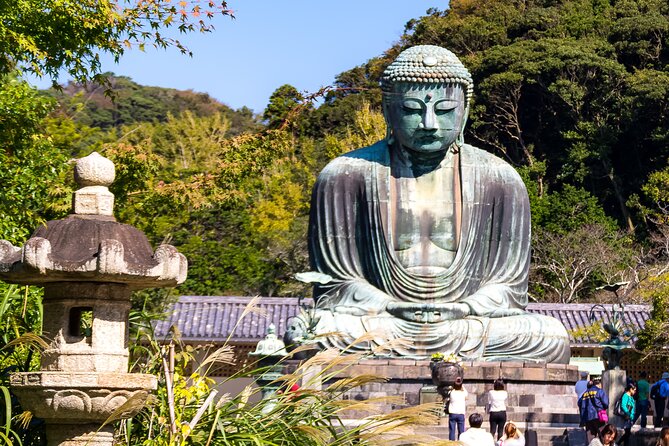
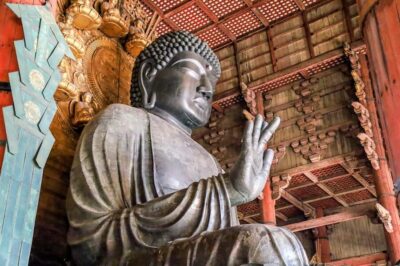
Todaiji is the high point for many people. This UNESCO World Heritage Site houses the Great Buddha, or Daibutsu, one of Japan’s largest bronze Buddha statues. The scale is what makes the visit memorable: the hall is immense, and the statue gives the interior a powerful sense of size.
Admission to Todaiji is included. You have about an hour for the temple visit, which lets you enter the Great Buddha Hall and hear the guide explain its meaning and place in Nara’s story.
I like this stop because it delivers the kind of sight that photographs cannot fully convey. The combination of the enormous wooden hall and the bronze figure is physical and immediate. You can understand the scale only after walking through the entrance and looking up.
An hour is useful but not generous. If temple architecture is your main interest, you may wish for more time to study the grounds. The tour is designed for a broad introduction to Nara, not a slow architectural tour. Your guide helps you focus on the main features rather than spend too long deciding what deserves attention.
A few more Kyoto tours worth putting on the shortlist
- 5 Top Highlights of Kyoto Full Day Bike Tour (E-bike option)
★ 5.0 · 511 reviews - Full Day Biking Tour Exploring the Best of Kyoto
★ 5.0 · 498 reviews - Full Day Guided Tour to Kyoto and Nara from Osaka by Van
★ 5.0 · 420 reviews - Nara Park, Osaka & Kobe from Kyoto Full Day tour
★ 5.0 · 207 reviews
Lunch at Kotoya and the real cost of the day
After Todaiji, the itinerary includes lunch at Kotoya Restaurant, where you can try local Nara specialties. The meal is not included, and the stated estimate is around JPY 2,500. That gives you a clear idea of the additional cost, though your final bill depends on what you order.
This is a sensible point for lunch. By then, you have been walking through the park and temple grounds, and a sit-down meal breaks up the day before Kasuga Taisha and Naramachi.
The food is part of the local experience rather than a simple pause for something quick. One past account specifically appreciated tasting traditional Japanese cuisine during the tour. Still, you should treat the meal as an optional expense, not part of the $195 package.
That price deserves a close look. You are paying for a private, full-day guide, included admission to Todaiji and Kasuga Taisha, and the convenience of having the route explained and managed. You are not paying for a fully inclusive day. Add train fares, lunch, snacks beyond those supplied, and shopping, and the total rises.
For a solo visitor, the price may feel high. For a family or small group, the private format can make more sense, especially since group discounts are available. The value depends on how much you want personal guiding and how comfortable you are arranging Nara on your own.
Kasuga Taisha and its thousands of lanterns
Kasuga Taisha brings a different mood from Todaiji. Instead of one enormous hall and a giant statue, you get a shrine associated with lanterns, wooded paths, and Shinto worship. The shrine is decorated with thousands of hanging lanterns, giving the site a distinctive look even when they are not all lit.
Admission is included. You have about an hour here, enough to see the main shrine areas and take in the setting without turning the visit into a long religious studies lesson.
This is where a good guide adds real value. Shinto shrines can appear simple if you do not know what to look for. Your guide can explain the role of the shrine, the meaning of the lanterns, and how the site differs from Todaiji’s Buddhist setting.
The walk between the main attractions is part of the experience, but it also adds to the physical demand. Paths through the park and shrine area may feel tiring late in the day. If you have limited stamina, tell your guide early so expectations are clear.
Naramachi’s old merchant streets
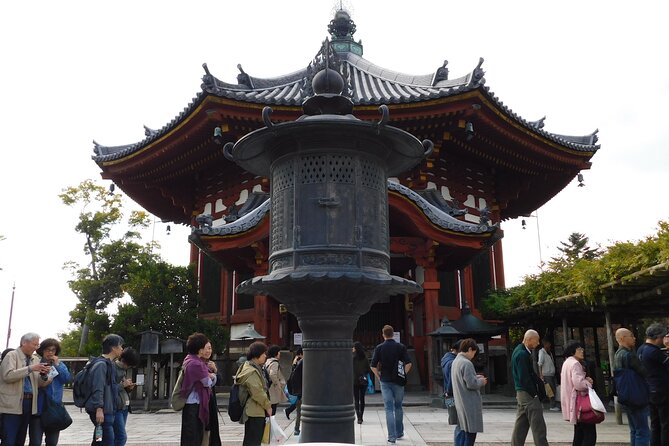
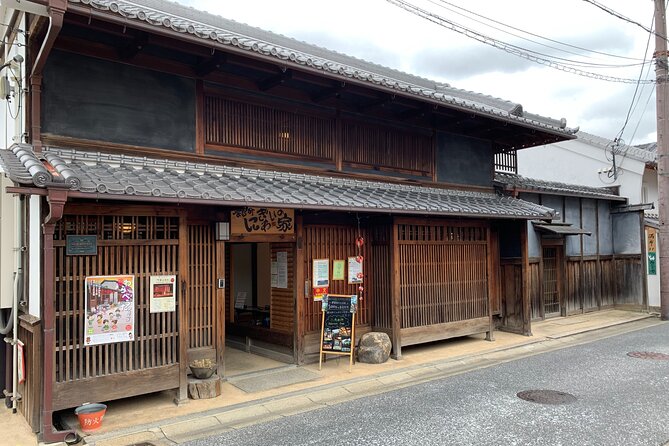
Naramachi offers the strongest change of pace. Here, narrow lanes run between well-preserved traditional merchant houses. The area gives you a glimpse of old urban Nara, away from the open park and monumental temples.
The itinerary allows about 30 minutes in Naramachi, with time for specialty shops and retro museums. That is enough for a compact stroll and a few interesting stops, but not enough for a long shopping session or a detailed visit to every small museum.
I like Naramachi because it helps you picture ordinary life alongside the grand religious buildings. Todaiji tells the story of powerful institutions and major Buddhist art. Naramachi shows the scale of homes, shops, and daily commerce.
If you enjoy browsing, this stop may be the one you wish lasted longer. The private format helps because your guide can point out places that fit your interests, but the day still has a schedule. Keep purchases small unless you are comfortable carrying them for the rest of the walk.
Kofukuji and the return to Kyoto
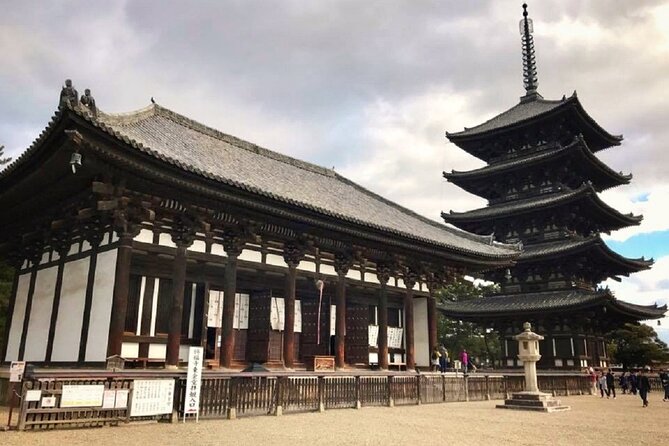
Kofukuji is also included in the route, with about an hour to explore the temple grounds and learn about the establishment of the Heijo-kyo imperial capital. The supplied schedule places this stop after the Naramachi section and also lists the return to Kyoto, so the exact order may depend on how the guide organizes the day.
Kofukuji adds another layer to the visit. By this point, you have seen deer, a major Buddhist hall, a Shinto shrine, and old merchant streets. Kofukuji helps tie those pieces to Nara’s role as an imperial capital.
The tour ends back at the original Kyoto Station meeting point. There is no hotel drop-off, so plan your evening around returning to the station. After eight hours of sightseeing, you may appreciate having dinner nearby rather than arranging another long journey across the city.
What the guide changes
The strongest part of this tour is not simply the list of locations. It is the way a guide can turn a series of famous sights into a connected day.
Katsuhiko Ishida is praised for clear English and for making the visit entertaining. Yochee is a Nara native who adds local flavor. Gustavo is noted for showing less obvious sections of Nara, while Richard is credited with useful explanations and an early start. Yossi is described as well prepared and good at showing the best viewing spots.
Those details matter because Nara can be easy to visit but harder to understand. You can reach the park and Todaiji by yourself. A private guide is more useful when you want background, efficient routing, help with communication, and suggestions for food or less familiar corners.
The guide will not remove every practical concern. Transportation and lunch remain extra, the walking is substantial, and the schedule limits how long you can spend at each stop. But the private format gives you someone to ask when you want to adjust the pace or understand why a place matters.
Who should book this private Nara tour?
I would choose this tour if you want Nara’s main sights in one organized day and prefer personal guidance to independent planning. It is especially suitable for families, first-time visitors to Nara, and small groups who can share the private-tour cost.
It also suits people who want both headline sights and local texture. You get the Great Buddha and Kasuga Taisha, but you also pass through Naramachi and see specialty shops, retro museums, and old merchant houses.
I would hesitate if you want a slow, unstructured day. The route covers a lot, and the full walk can be tiring. Independent visitors who are comfortable using trains and reading temple information may find the $195 price difficult to justify, especially after adding transport and lunch.
The cancellation policy is generous if your plans change: you can receive a full refund by canceling at least 24 hours before the start time. Changes or cancellations inside that window are not accepted for a refund.
FAQ
How long does the tour last?
The tour lasts about eight hours.
Where does the tour begin?
It begins at the 7-Eleven Heart-In store at Kyoto Station’s central entrance, on Karasuma Street in Kyoto.
Where does the tour end?
The tour ends back at the original meeting point.
Is transportation included?
No. Train transportation is not included. The stated fare is JPY 1,280 one way, and a JR Pass can be used.
Is lunch included?
No. Lunch at Kotoya Restaurant costs about JPY 2,500.
Are admission fees included?
Admission to Todaiji Temple and Kasuga Taisha Shrine is included.
Is this a private tour?
Yes. Only your group participates in the activity.
Can I cancel for a full refund?
Yes. You can cancel up to 24 hours before the experience start time for a full refund. Cancellations or changes made less than 24 hours before the start time are not accepted for a refund.
Should you book it?
Book this tour if you want a guided, well-filled day that combines Nara’s deer, Todaiji, Kasuga Taisha, Naramachi, and Kofukuji without having to plan the route yourself. The strongest reasons are the private guide, the early start, and the chance to hear local context from guides such as Katsuhiko, Yochee, Yossi, Richard, or Gustavo.
Skip it if you are watching your budget closely or prefer to set your own pace. Nara is reachable from Kyoto by train, and independent visitors can arrange the main sights themselves. At $195 per person before rail fares and lunch, this tour earns its price through guidance and convenience, not through inclusions.
Newest Kyoto experiences on the site
- Treasures of Kyoto: Gion & historical Walking Tour★ 5.0 · 6 reviews
- Whisk Your Own Matcha: A Zen Matcha Experience at Temple★ 3.6 · 7 reviews
- Uji: Private immersion into Kyoto’s tea and reglious culture★ 5.0 · 17 reviews
- Kyoto tea town for matcha lovers★ 5.0 · 16 reviews
- Kyoto Matcha Green Tea Tour★ 4.5 · 23 reviews
- Uji and Wazuka Matcha Farm Half Day Private Guided Tour★ 5.0 · 21 reviews
- Utilising upcycled Matcha! Creating matcha incense (Uji, Kyoto)★ 5.0 · 6 reviews
- Sacred Temple Yoga Experience in Japan★ 5.0 · 3 reviews
Nara Day Trips, compared.
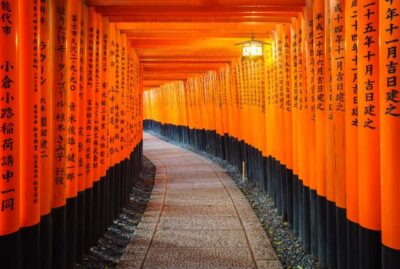
Kinkakuji,Arashiyama,FushimiInariShrine,NaraPark
Read our review →
Nara, Fushimi Inari Taisha, Arashiyama Bus Tour
Read our review →
Arashiyama, Nara & Fushimi Inari Shrine w/Lunch
Read our review →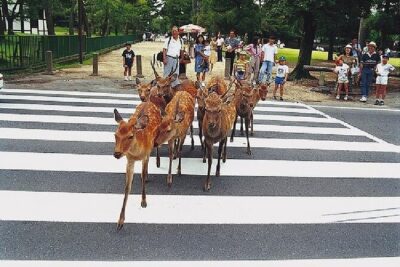
Full Day Guided Tour to Kyoto and Nara from Osaka by Van
Read our review →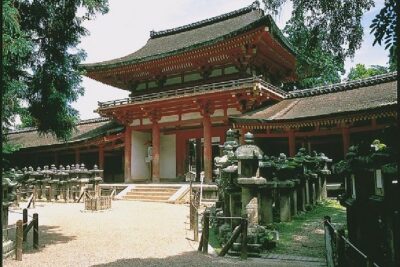
Browse the lists this tour appears in