
Reviewed · KYOTO TEA CEREMONIES
Tea Ceremony Experience in Kyoto
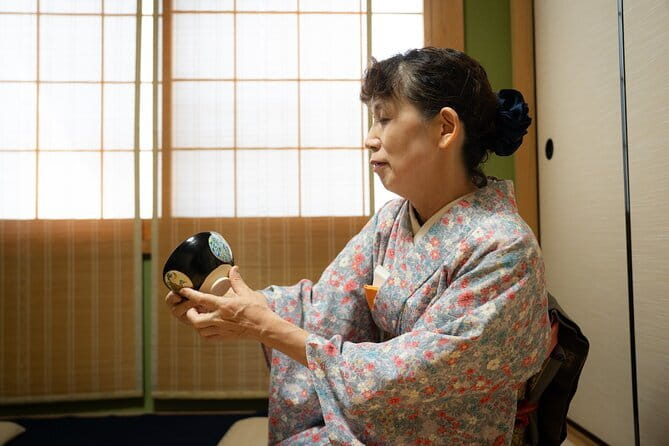
The best part of this Kyoto tea ceremony is that you are not only watching. With guidance from a teacher who has more than 30 years of experience, you can prepare your own matcha, learning the careful whisking and movements that give the ceremony its calm rhythm. Host Chisato keeps the setting friendly and open to beginners.
I like the small maximum group of six, which gives the lesson a personal feel, and I like the chance to connect the ceremony with a walk around Kamogawa Delta or Demachiyanagi. The main consideration is communication: the session is in English, but one past participant found that simple questions worked best at times.
Key Points to Know
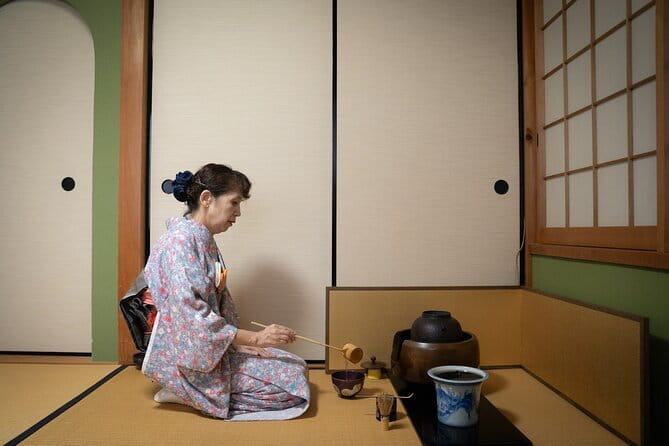
- Prepare your own matcha: You can try whisking the powdered tea yourself instead of only watching a demonstration.
- Learn the meaning behind the ritual: The teacher explains respect, presence, and the purpose of the ceremony’s precise movements.
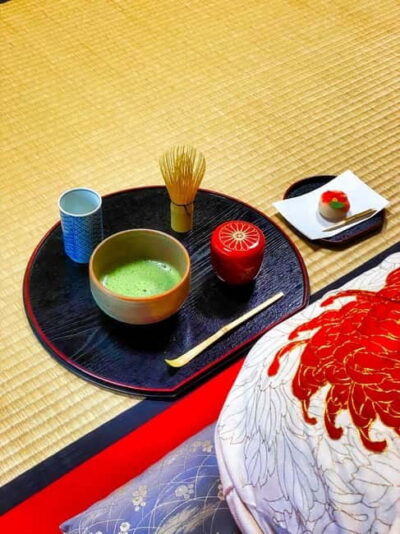
- Taste two Japanese treats: Matcha and wagashi, a traditional sweet, are included.
- Keep the group intimate: The experience accepts no more than six people.
- Pair it with northern Kyoto sights: The meeting point is about a 15-minute walk from Kamogawa Delta and Demachiyanagi Station.
- Plan for a one-hour visit: This is a focused cultural activity, not a full-day tea school or kimono outing.
A One-Hour Introduction to Kyoto Tea Culture
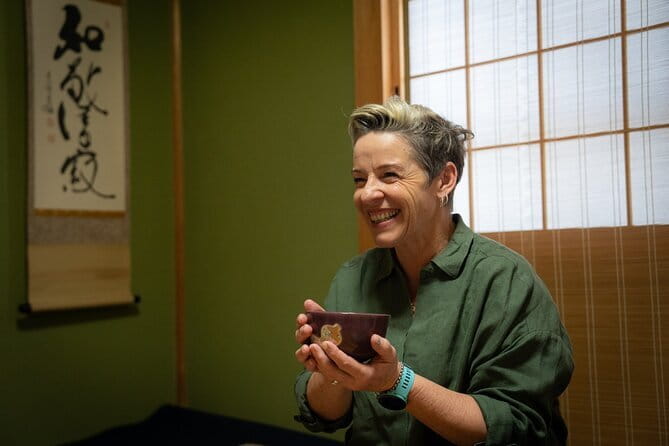
Japanese tea ceremony can look intimidating from the outside. There are formal gestures, set movements, special utensils, and rules about how to receive the tea. This experience takes a gentler approach. You are introduced to the ideas behind the ceremony without needing previous knowledge.
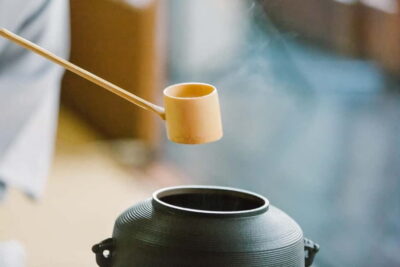
The lesson centers on matcha, powdered green tea whisked with hot water. You learn that the preparation is not simply a way to make a drink. The pace, posture, and handling of the bowl all express attention and respect. That makes the session useful even if you are not a serious tea drinker.
The teacher’s more than 30 years of experience is important here. A short ceremony can easily become a string of unexplained motions, but the point of this class is to explain what you are doing and why it matters. You are given a way to understand the ceremony rather than simply copy it.
The experience lasts about one hour. That is long enough to learn the basic flow and make tea, but short enough to fit between other Kyoto plans. You will not leave as a tea master, but you should leave with a clearer sense of the ceremony’s purpose and etiquette.
More tea ceremonies in Kyoto:
- Kyoto: Tea Ceremony in a Traditional Tea House in Kiyomizu
★ 4.9 · 3,519 reviews - Kyoto: Tea Ceremony Ju-An at Jotokuji Temple
★ 4.9 · 3,207 reviews - Kyoto: 45-Minute Tea Ceremony Lesson Experience
★ 4.3 · 2,378 reviews
Meeting Chisato Near Kamogawa Delta
The activity begins at Tea Ceremony Experience Chisato, at 67-23 Shimogamo Matsunokicho in Sakyo Ward. The location is about a 15-minute walk from Kamogawa Delta, a popular riverside meeting point where people sit, stroll, and enjoy the scenery.
It is also about a 15-minute walk from Demachiyanagi Station. That makes this experience easy to connect with the northern side of central Kyoto. Demachiyanagi is also described as a starting point for visits toward Kibune Shrine and Rurikou Temple, so the tea ceremony can work well as part of a longer day in that direction.
Allow time to find the address and arrive without rushing. A tea ceremony depends on being settled and attentive, so arriving breathless or late would work against the mood. Your confirmation is provided at booking, and the activity ends back at the meeting point.
Chisato is the host named for the experience. The teaching itself is led by a seasoned tea teacher, and the setting is intended to welcome people with no prior background. That matters if you are curious about Japanese customs but worry that you might make a mistake.
Learning the Movements Behind Matcha
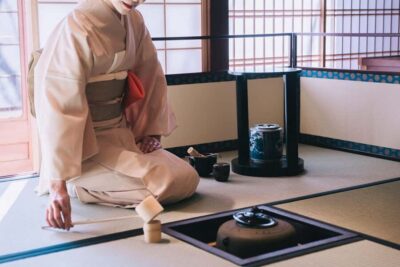
The central activity is the preparation of matcha. You are shown how the powdered tea is whisked and how the movements fit into the larger ceremony. If you wish, you can make your own tea under guidance.
This hands-on part is the strongest reason to choose this experience over a simple tea tasting. Watching someone prepare matcha gives you a visual impression, but handling the whisk helps you understand the care involved. The process asks you to slow down and pay attention to small actions.
The ceremony also introduces the idea of presence. The teacher explains how respect for Japanese culture is expressed through the ritual and how the preparation encourages you to be in the moment. This gives the class a little more substance than a quick demonstration followed by a drink.
Do not expect a performance designed only for photographs. The value is in the explanation and in trying the steps yourself. Your tea may not look perfect, and that is fine. The point is to learn the sequence and the attitude behind it.
The tone is relaxed rather than severe. The experience is designed for complete beginners, and the teacher’s role is to guide you through the process. Families can take part as well. One direct account describes the host as patient and accommodating with small children, which makes this a reasonable option for a family seeking a quiet cultural activity.
Matcha and Wagashi at the End
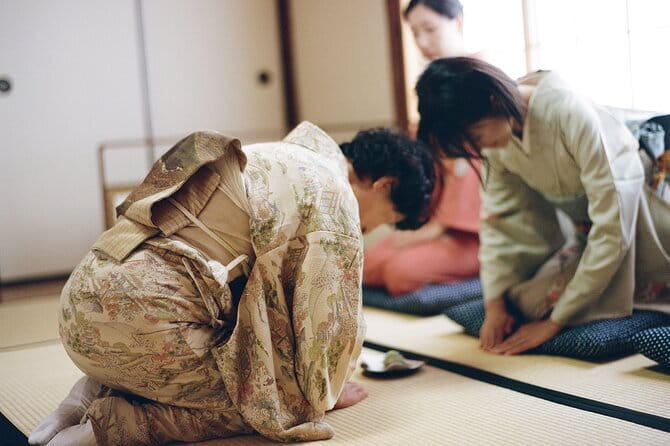
Matcha is included, along with wagashi, a traditional Japanese sweet. Wagashi is often served with tea because its sweetness balances matcha’s grassy, sometimes bitter taste.
This pairing gives the lesson a practical finish. You learn why the sweet is part of the tea service rather than treating it as an unrelated snack. The matcha and wagashi also make the ceremony approachable for anyone who may be unsure about powdered green tea.
The available feedback gives both the matcha and the sweet strong praise for flavor. That does not mean the experience is mainly a food tour. The food is a small but important part of the ritual, and the main focus remains the preparation and etiquette.
If you usually add sugar or milk to tea, matcha may taste direct and intense. The wagashi helps soften that first impression. Take your time with both, and pay attention to how the sweet changes the tea’s taste.
A few more Kyoto tours worth putting on the shortlist
- PERFECT KYOTO 1-Day Bus Tour
★ 5.0 · 13,518 reviews - Kyoto: Fushimi Inari, Kinkakuji, Bamboo Grove 1 Day Bus Tour
★ 4.8 · 4,316 reviews - Kyoto Geisha Walking Tour: Gion District & Hidden Gems
★ 4.7 · 3,273 reviews - Kyoto: Gion Magical Night Walking Tour with Geisha Trivia
★ 4.9 · 2,393 reviews
A Calm Setting for Beginners and Families
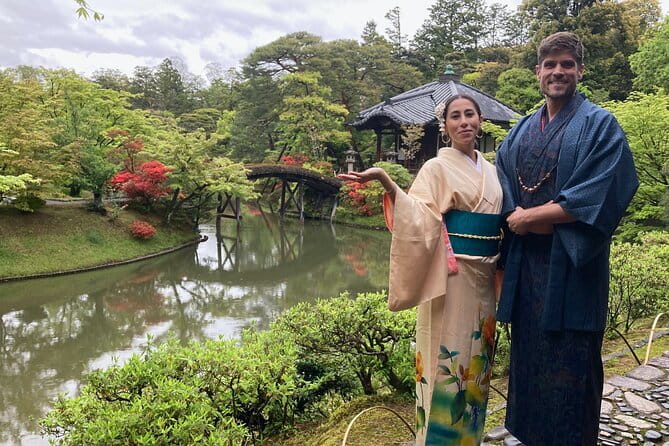
The strongest quality of this activity is its welcoming tone. You are not expected to arrive with knowledge of tea schools, Japanese manners, or ceremonial vocabulary. The teacher explains the basics and gives you room to ask questions.
The small group limit of six is a real advantage. It should make it easier to see the preparation, follow the instructions, and have a chance to try the process. It also reduces the risk of the ceremony feeling like a large tour-group show.
The setting is described as calm and relaxed. That fits the purpose of the activity. Kyoto can be crowded and noisy, especially around its major temples, so an hour devoted to quiet concentration can offer a useful change of pace.
Families should note that children are welcome according to the available feedback, but the activity still asks participants to sit, listen, and handle the tea carefully. Younger children may need help staying focused. The experience is not wheelchair accessible, so visitors with mobility needs should take that into account before booking.
How Much Value Do You Get for $39.09?
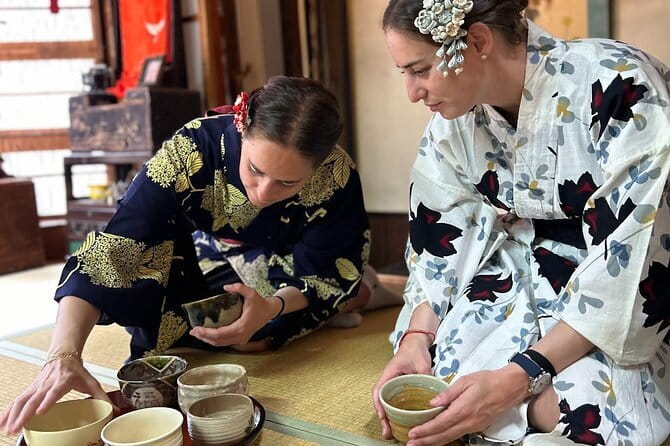
At $39.09 per person, this is priced as a modest cultural lesson rather than an elaborate dress-up package. You receive matcha, wagashi, and instruction from an experienced teacher, with the chance to prepare your own tea.
The value depends on what you want. If you are looking for a short, meaningful introduction to a major part of Japanese culture, the price is fair. You are paying for personal instruction and context, not just a cup of tea.
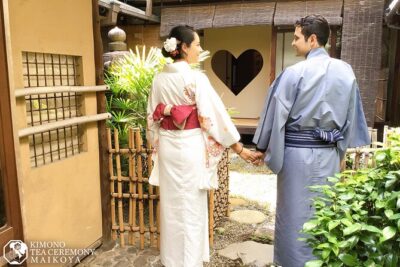
If your priority is wearing a kimono, this is not the right choice. Kimono is not included. Tips are also not included, so plan for that separately if you wish to leave one.
The one-hour duration helps keep the cost and time commitment manageable. You can fit the ceremony into a day of sightseeing instead of giving up half a day. On the other hand, anyone seeking a long, formal tea-school lesson may find the visit too brief.
The maximum of six gives the price more weight. A small class generally offers more direct attention than a large demonstration, and the chance to make your own tea adds something you cannot get from simply sitting in an audience.
English Instruction and Communication
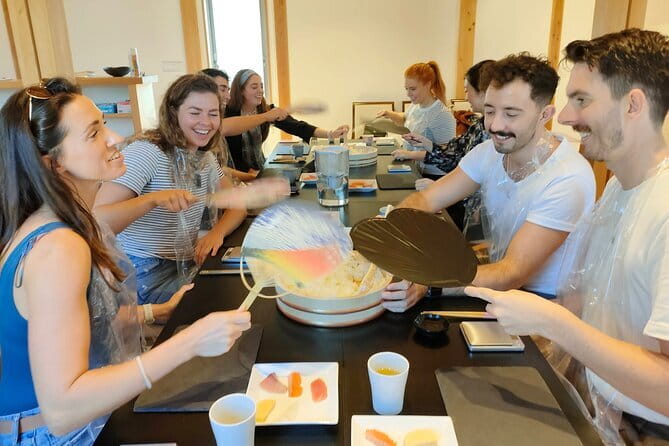
The experience is conducted in English. The teacher has a long background in tea ceremony, and the lesson is intended to explain both the actions and the cultural meaning.
One useful expectation is that communication may sometimes require patience. A past participant found that questions needed to be kept simple at times. That does not make the experience unsuitable for English speakers, but you should be ready to ask one point at a time and confirm anything you do not understand.
This can actually suit the subject. Tea ceremony is learned through watching, copying, and repeating as well as through spoken explanation. Pay attention to the teacher’s hands and movements, not only to every word.
If you want an academic lecture on the history of tea ceremony, this may feel light. If you want a clear introduction with practical instruction, it is better matched to your needs.
What This Experience Does Not Include
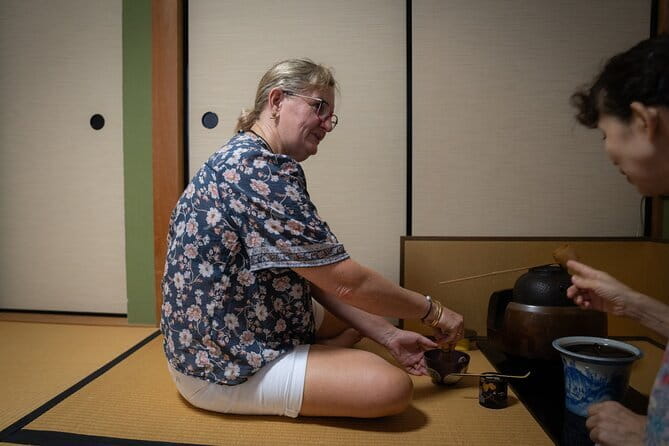
This is not a kimono rental, a full Kyoto tour, or a visit to several tea rooms. You meet at one location, take part in the ceremony, and return to that same point at the end.
That limited scope is worth understanding before you book. The experience works best as one carefully chosen hour in your itinerary. Add a walk along the Kamogawa Delta before or after, or use the location as part of a day connected to Demachiyanagi, Kibune Shrine, or Rurikou Temple.
You also should not expect a large-scale production. The appeal is the personal lesson, the quiet setting, and the chance to try matcha preparation. If you prefer activities with constant movement or many sightseeing stops, this may feel slow.
For many visitors, that slower pace is exactly the point. Tea ceremony asks you to notice what you are doing instead of rushing to the next sight. Even a short session can provide a pause from Kyoto’s busy temple routes.
Who Should Book This Kyoto Tea Ceremony?
I would recommend it to first-time visitors who want a manageable introduction to Japanese customs. You do not need any previous tea experience, and the teacher explains the basic process in a way suited to beginners.
It also fits families, couples, and solo visitors who prefer a small group. The hands-on preparation gives children something to do, while the calm format suits adults who want a quieter cultural stop.
Tea enthusiasts may appreciate the instruction and the chance to learn the ritual behind matcha. Just keep your expectations realistic. This is an introduction, not a professional training course.
I would be more cautious if you need wheelchair access, want a kimono experience, or expect a long formal ceremony. The activity is not wheelchair accessible, kimono is not included, and the total visit lasts about an hour.
Free cancellation is available if you cancel at least 24 hours before the start time. Changes or cancellations made less than 24 hours ahead are not accepted for a refund, so keep the local cut-off time in mind when planning your Kyoto schedule.
Should You Book It?
Book this tea ceremony if you want to do more than take a photograph of matcha. You will learn the basic movements, hear why the ritual matters, taste wagashi, and have the option to prepare your own tea.
The best reasons to choose it are the experienced teacher, the small group size, the friendly approach for beginners, and the convenient location near Kamogawa Delta and Demachiyanagi. The main limits are the short duration, the lack of kimono, occasional need for simple English questions, and the absence of wheelchair access.
At $39.09, it offers good value for a focused cultural lesson. Add it to a day in northern Kyoto, arrive calm and on time, and treat the hour as a chance to slow down. That is where this experience makes its strongest impression.
FAQ
Where does the tea ceremony take place?
It begins at Tea Ceremony Experience Chisato, 67-23 Shimogamo Matsunokicho, Sakyo Ward, Kyoto, 606-0816, Japan.
How long does the activity last?
The tea ceremony lasts approximately one hour.
Is the tea ceremony conducted in English?
Yes. The experience is conducted in English, though you may find it helpful to ask questions simply at times.
Can I make my own matcha?
Yes. You can prepare your own tea if you wish, with guidance from the teacher.
What is included in the price?
Matcha, wagashi, and a guide are included.
Is a kimono included?
No. Kimono is not included in the experience.
How many people can join the activity?
The maximum group size is six people.
Is the experience wheelchair accessible?
No. The activity is not wheelchair accessible.
Newest Kyoto experiences on the site
- Whisk Your Own Matcha: A Zen Matcha Experience at Temple★ 3.6 · 7 reviews
- Treasures of Kyoto: Gion & historical Walking Tour★ 5.0 · 6 reviews
- Kyoto tea town for matcha lovers★ 5.0 · 16 reviews
- Uji: Private immersion into Kyoto’s tea and reglious culture★ 5.0 · 17 reviews
- Kyoto Matcha Green Tea Tour★ 4.5 · 23 reviews
- Uji and Wazuka Matcha Farm Half Day Private Guided Tour★ 5.0 · 21 reviews
- Utilising upcycled Matcha! Creating matcha incense (Uji, Kyoto)★ 5.0 · 6 reviews
- Sacred Temple Yoga Experience in Japan★ 5.0 · 3 reviews
Kyoto Tea Ceremonies, compared.
Tea Ceremony in a Traditional Tea House in Kiyomizu
Read our review →
Tea Ceremony in 100-year-old Kyo-Machiya Townhouse
Read our review →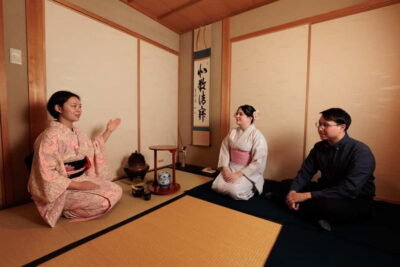
Browse the lists this tour appears in