
Reviewed · KYOTO TEA CEREMONIES
The Art of Mindful Living: Tea Ceremony in Kyoto
Kyoto’s tea ceremony is at its best when it feels calm, personal, and rooted in an actual home. At Kaze no Wa, Naomi explains the customs, prepares organic Uji matcha, and lets you whisk a bowl yourself in a traditional residence with a garden.
I like the clear teaching and the chance to participate, rather than only watch. I also like the thoughtful choices: vegan and allergy-friendly sweets, cocoa for children, and optional kimono rental. The main drawback is location. This home is in Ukyo Ward, toward Kinkakuji and Arashiyama, so it takes planning and is not a quick stop from central Kyoto.
Key Points to Know
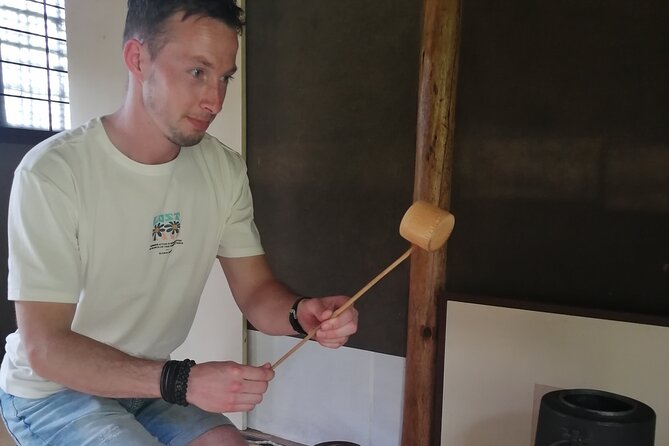
- A one-hour introduction: Learn how tea ceremony works, why matcha matters, and how to drink it before making your own bowl.
- Organic Kyoto Uji matcha: The tea comes from Uji, the area near Kyoto best known for matcha production.
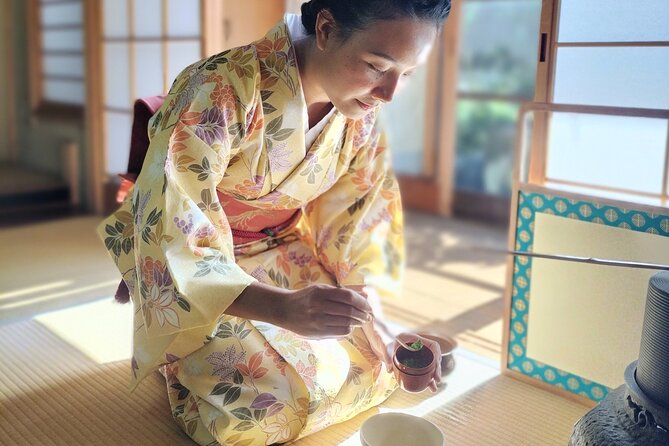
- A real old residence: The setting includes a tea room and a quiet garden used for photos.
- Sweets with choices: One Japanese sweet is included, with bean paste or fresh fruit daifuku available. Both cost an extra ¥500 per person.
- Optional kimono rental: Kimono rental costs ¥4,000, hakama rental costs ¥8,000, and a baby romper-style kimono costs ¥600.
- Small groups and private bookings: Regular sessions hold up to six people, with private sessions available by arrangement.
Entering Kaze no Wa in Kyoto’s Ukyo Ward
The meeting point is Kaze no Wa, at 14 Utanokitanoinchō in Kyoto’s Ukyo Ward. This is not a downtown tea shop. It sits in the direction of Kinkakuji Temple and Arashiyama, an important detail when you plan your day.
I see the location as both a drawback and part of the appeal. You will spend more time getting there than you would for a tea activity around Gion or Kyoto Station, but the setting offers a break from the city’s busiest streets. The old house and garden give the ceremony a sense of place that a modern venue cannot easily copy.
The activity lasts about one hour. Since the session ends where it begins, you do not need to arrange a second meeting point. Public transportation is nearby, though you should allow enough time to reach the house without rushing. A tea ceremony works better when you arrive settled, not flustered from a last-minute dash across Kyoto.
The activity usually has no more than six people. That is a useful size for a cultural lesson because you can see the preparation, ask questions, and take a turn without the room feeling crowded. Larger groups may be accommodated, but you should check before booking if your party exceeds six.
More tea ceremonies in Kyoto:
- Kyoto: Tea Ceremony in a Traditional Tea House in Kiyomizu
★ 4.9 · 3,519 reviews - Kyoto: Tea Ceremony Ju-An at Jotokuji Temple
★ 4.9 · 3,207 reviews - Kyoto: 45-Minute Tea Ceremony Lesson Experience
★ 4.3 · 2,378 reviews
What Naomi Explains Before the Tea
Naomi begins with the background of Japanese tea ceremony and explains how to drink matcha. The lesson also covers the effects of matcha, the different types of matcha and Japanese tea, and the customs behind the ceremony.
That explanation matters. A tea ceremony can look quiet and formal if you do not know what you are seeing. Once you understand the basic gestures and the care given to the bowl, tea, water, and sweets, the ceremony becomes easier to follow.
I like that the teaching is not limited to a demonstration. The information gives you a simple frame for the rest of the session, without turning a one-hour activity into a long lecture. Naomi’s English communication has been praised for being clear, and her style is designed to make the ceremony approachable rather than stiff.
The subject also works well for families. Children may not care about every detail of tea etiquette, but they can watch the preparation, eat a sweet, and take part in making a drink. Cocoa is available instead of matcha for children, which makes the activity more flexible for younger members of your group.
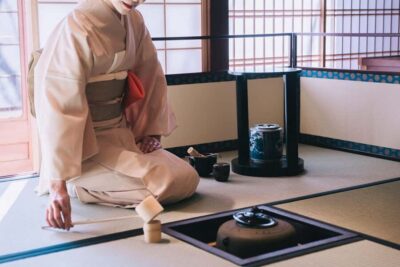
Watching the Ceremony in the Old Tea Room
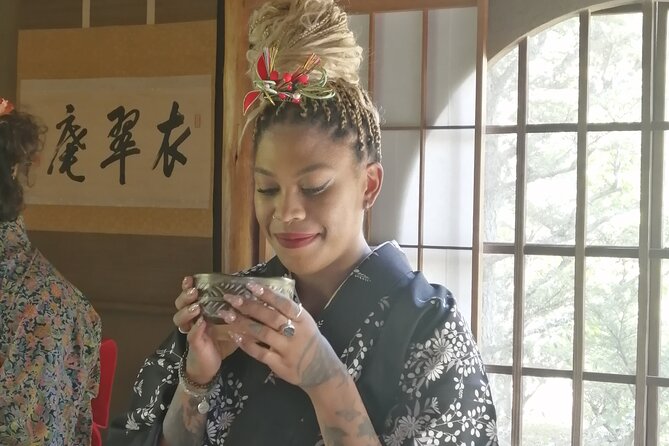
After the introduction, Naomi prepares matcha while you watch. You receive a Japanese sweet with the tea, since sweets help balance matcha’s strong, slightly bitter taste.
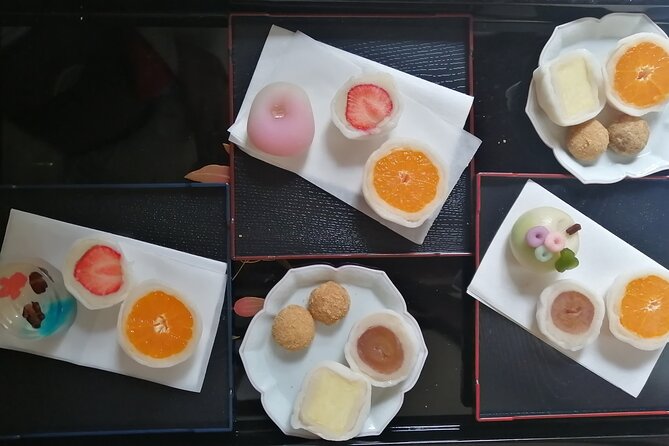
One included sweet is a Japanese cake with traditional bean paste or a fresh fruit daifuku. If you want to try both, the additional charge is ¥500 per person. The fruit daifuku is a particularly appealing choice if you prefer a lighter filling, while bean paste gives you a more classic Japanese flavor.
The tea is organic Uji matcha from Kyoto. It is not presented as a famous brand, but the focus is on quality and origin. Uji matcha is a fitting choice for this setting because Uji has long been associated with tea production near Kyoto.
The ceremony itself is not just about getting a cup of matcha. It asks you to slow down and notice small actions: how the tea is whisked, how the bowl is handled, and how the sweet is enjoyed alongside the drink. One useful way to think about the hour is as a practical introduction to mindfulness through a Japanese custom.
You can take photos during the ceremony, but remember that photography should not replace paying attention. The experience is strongest when you first watch the preparation and then try it yourself.
Making Your Own Matcha
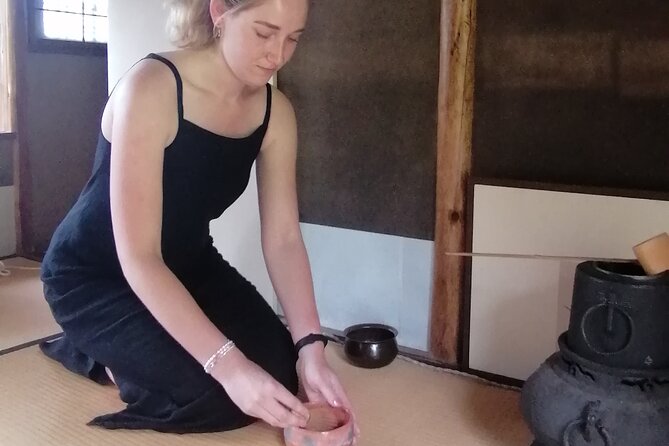
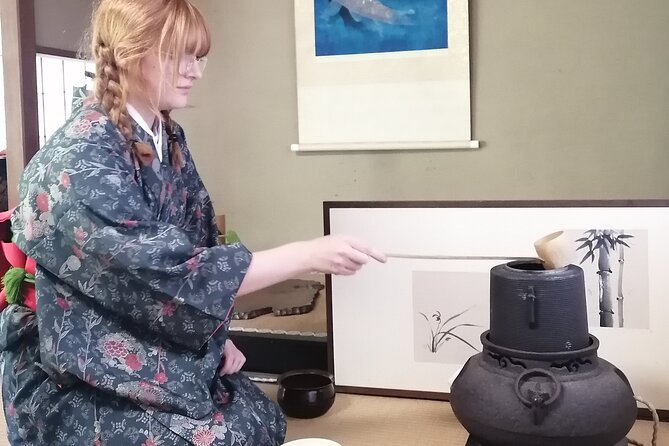
The hands-on portion is the reason I would choose this activity over a simple tea tasting. After watching Naomi, you try making matcha yourself.
You learn by doing: measuring or receiving the tea, adding water, and whisking it into a frothy drink. The precise movements may take a little practice, but you do not need prior experience. The point is not to produce a perfect bowl. It is to understand the process and feel the difference between watching a custom and taking part in it.
This is also where the activity becomes memorable for families and small groups. Each person can have a turn, and the shared process gives you something to talk about afterward. If you are taking the activity as a quiet break from sightseeing, the repetitive whisking can feel almost meditative.
Naomi also presents tea ceremony as a form of meditation that can influence the way you enjoy ordinary drinks at home. You should not expect a formal religious lesson, but you will come away with a simple idea: preparation and attention can change a familiar drink into a more restful moment.
A few more Kyoto tours worth putting on the shortlist
- PERFECT KYOTO 1-Day Bus Tour
★ 5.0 · 13,518 reviews - Kyoto: Fushimi Inari, Kinkakuji, Bamboo Grove 1 Day Bus Tour
★ 4.8 · 4,316 reviews - Kyoto Geisha Walking Tour: Gion District & Hidden Gems
★ 4.7 · 3,273 reviews - Kyoto: Gion Magical Night Walking Tour with Geisha Trivia
★ 4.9 · 2,393 reviews
The Garden and Photo Opportunities
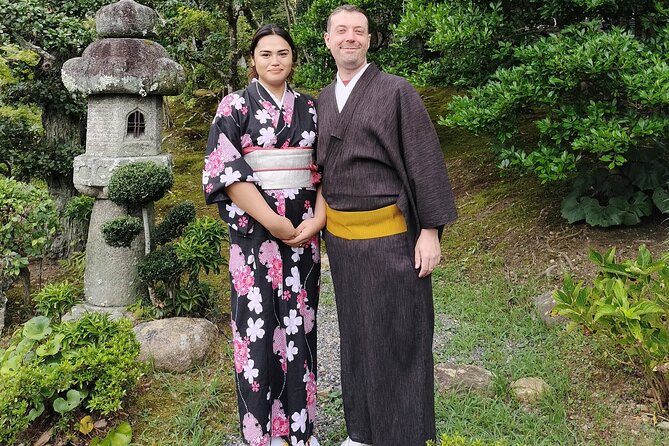
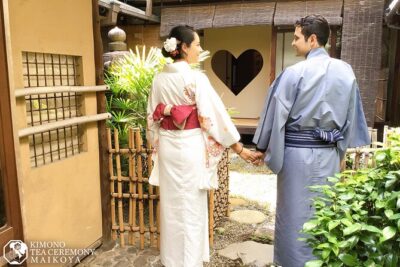
A beautiful garden sits behind the house, and you can take photos there before the ceremony. The garden adds another reason to allow time for the activity rather than treating it as a quick cup of tea.
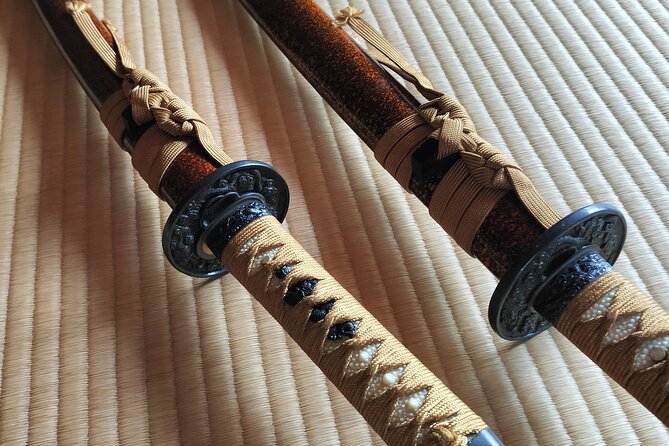
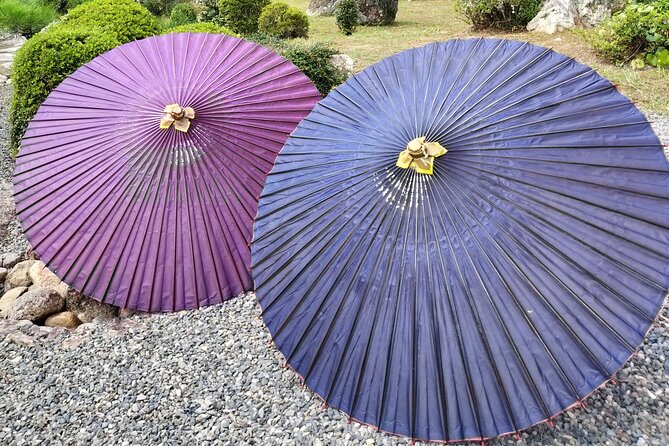
The photo setting is especially useful if you rent a kimono. You may also use a traditional Japanese umbrella and an imitation sword during a private tea ceremony session, but these items are for photographs only. They are not part of the tea ritual.
Rain does not automatically make the photo portion impossible. You can take pictures while holding an umbrella. You cannot take kimono photos outdoors in the rain without an umbrella, so plan your expectations around the weather.
This detail is worth noting because the activity requires good weather. If poor weather forces a cancellation, you are offered another date or a full refund. The garden is a major part of the appeal, so a rainy day may change the balance between the tea lesson and the photo session.
Kimono Rental: A Useful Add-On, Not a Requirement
Kimono rental is an optional extra costing ¥4,000. Hakama rental costs ¥8,000, and a baby romper-style kimono costs ¥600. An undershirt rental costs ¥200.
The rental takes place during the tea ceremony, so you should allow for the extra preparation time. Hair styling and makeup are not provided, but hair accessories are available for you to use. If dressing up is important to your Kyoto plans, this can be a convenient way to combine clothing, ceremony, and garden photos in one stop.
I would not add the kimono simply because it sounds traditional. The base activity already includes the tea lesson, sweet, matcha, and hands-on preparation. Add the rental if you particularly want photographs or enjoy wearing Japanese clothing. Skip it if you prefer a simpler, lower-cost cultural lesson.
A private session can be arranged, but you should contact the provider before booking. Private booking may suit families, couples, or groups that want more control over the pace and photography. Confirm any upgrade cost in advance, since clear payment details matter when extras are added.
Food Choices for Different Diets
One sweet is included in the price. You can choose between a traditional bean-paste sweet and a fresh fruit daifuku, subject to the available choices for your session.
Food allergies and vegan requirements can be accommodated. Tell the provider ahead of time so the appropriate sweet can be prepared. This is one of the more practical strengths of the activity, especially for a group with mixed dietary needs.
Alcohol is not included, though it would be unusual to expect alcohol at a one-hour tea ceremony. The central refreshments are matcha and Japanese sweets. Children can have cocoa instead of matcha, which means younger participants do not have to drink a strong tea they may dislike.
Is $44.42 Good Value for One Hour?
At $44.42 per person, this is not the cheapest drink you will buy in Kyoto. You are paying for more than the matcha itself, though. The price covers the explanation, demonstration, hands-on preparation, sweet, old residence, garden access, and the time of a host who guides the session in English.
I consider the price fair if you want an organized introduction to tea ceremony and do not want to work out the etiquette on your own. The small-group format also helps the value. A large performance can be visually impressive, but it gives you less chance to ask questions or make your own tea.
The value drops if you only want to taste matcha or if your schedule is packed near central Kyoto. You will need to travel to Ukyo Ward, and the one-hour session may take more of your day once transportation is included.
The activity is booked, on average, 13 days ahead. That suggests you should not leave it until the last moment if your Kyoto dates are fixed. Confirmation is sent within 48 hours, subject to availability.
Who Should Book This Tea Ceremony?
I would recommend this for first-time visitors who want a clear introduction to Japanese tea customs without committing to a long formal ceremony. It also suits couples, families, and small groups who appreciate a quiet setting and the chance to take photos.
It is a good pick for anyone curious about matcha but unsure how it is prepared. You learn the basics, taste a quality Kyoto tea, and whisk your own bowl rather than simply watching someone else.
Families should note the helpful child options, including cocoa and the baby kimono rental. People with dietary restrictions should contact the provider before the session, even though vegan and allergy needs can be accommodated.
You may want another activity if you need a central Kyoto location, dislike photo-focused add-ons, or have only a short gap between major sights. The setting is part of the experience, but reaching it takes planning.
Cancellation is free up to 24 hours before the start time for a full refund. Changes or cancellations within 24 hours are not accepted for a refund. The activity also requires a minimum number of participants and suitable weather, so keep those conditions in mind when building your day.
Should You Book It?
Book this tea ceremony if you want a personal, hands-on introduction in a traditional house, especially if you value the garden, small group size, and chance to wear a kimono. Naomi’s gentle teaching style and the option to make your own matcha give the hour more substance than a basic tea tasting.
Skip it if your priority is convenience near Kyoto Station or Gion. For everyone else, the journey toward the Kinkakuji and Arashiyama side of town is a reasonable trade for a calm setting, good Uji matcha, Japanese sweets, and a cultural activity you can actually take part in.
FAQ
How long does the tea ceremony last?
The activity lasts approximately one hour.
Where does the tea ceremony take place?
It takes place at Kaze no Wa, 14 Utanokitanoinchō, Ukyo Ward, Kyoto, 616-8201, Japan.
What happens during the activity?
Naomi explains the history and customs of tea ceremony, discusses matcha and Japanese tea, serves matcha with a Japanese sweet, demonstrates the ceremony, and shows you how to make matcha yourself.
Is matcha included in the price?
Yes. The activity includes matcha and one Japanese sweet. Snacks are listed as included.
Can children join the activity?
Yes. Cocoa is available instead of matcha for children. A baby romper-style kimono can also be rented for ¥600.
Is kimono rental available?
Yes. Kimono rental costs ¥4,000, hakama rental costs ¥8,000, and an undershirt costs ¥200. Hair styling and makeup are not provided, but hair accessories are available.
Can the activity accommodate vegan diets and food allergies?
Yes. Vegan needs and food allergies can be accommodated. You should provide the relevant information before the session.
Can I book a private tea ceremony?
Yes. Private sessions are available, but you should contact the provider before booking to arrange one.
What is the cancellation policy?
You can cancel at least 24 hours before the start time for a full refund. Cancellations or changes made less than 24 hours before the start time are not accepted for a refund. If poor weather or insufficient bookings cause cancellation, you are offered another date or a full refund.
Newest Kyoto experiences on the site
- Treasures of Kyoto: Gion & historical Walking Tour★ 5.0 · 6 reviews
- Whisk Your Own Matcha: A Zen Matcha Experience at Temple★ 3.6 · 7 reviews
- Kyoto tea town for matcha lovers★ 5.0 · 16 reviews
- Uji: Private immersion into Kyoto’s tea and reglious culture★ 5.0 · 17 reviews
- Kyoto Matcha Green Tea Tour★ 4.5 · 23 reviews
- Uji and Wazuka Matcha Farm Half Day Private Guided Tour★ 5.0 · 21 reviews
- Utilising upcycled Matcha! Creating matcha incense (Uji, Kyoto)★ 5.0 · 6 reviews
- Sacred Temple Yoga Experience in Japan★ 5.0 · 3 reviews
Kyoto Tea Ceremonies, compared.
Tea Ceremony in a Traditional Tea House in Kiyomizu
Read our review →
Tea Ceremony in 100-year-old Kyo-Machiya Townhouse
Read our review →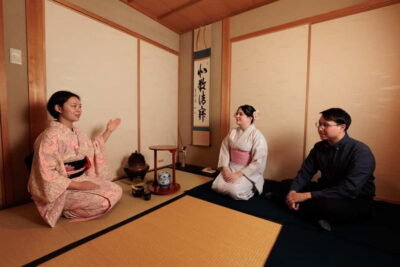
Browse the lists this tour appears in