
Reviewed · 1-DAY TOURS
Hiroshima and Miyajima 1 Day Tour for who own the JR Pass only
Miyajima and Hiroshima make a powerful pair: one gives you Japan’s famous red torii gate and island shrine, the other brings you face to face with the consequences of the atomic bomb. This private day tour handles the complicated rail, ferry, and city connections, which is its biggest strength.
I like the efficient bullet-train schedule and the chance to see two major sights in one long day. I also like the personal help from an English-speaking guide, including guides such as Sachiko, who has helped visitors with train connections, ferry arrangements, local sights, and a lunch stop favored by residents. The catch is simple: this is a costly, tightly timed day, and the price does not include your JR Pass, train tickets, ferry, or meals.
Key points to know before booking
- Miyajima and Hiroshima in one day: You visit Itsukushima Shrine, the Atomic Bomb Dome area, Peace Memorial Park, and the Peace Memorial Museum.
- Best for JR Pass holders: The tour is built around Hikari and Sakura trains, but your rail pass or round-trip tickets are not included.
- Private English-speaking guide: Only your group takes part, with guide support from Kyoto or Osaka.
- Long but practical schedule: Expect an early start around 7:30 a.m. and a return around 8:30 p.m. to Kyoto, or about 7:20 p.m. to Shin-Osaka.
- Lunch is your responsibility: You get free lunch time on Miyajima, but food and dinner are not included.
- Flexible within limits: You can request changes, skip a stop, or add a stop, but skipped services are not refunded and added tickets or transport cost extra.
Why this Kyoto or Osaka day trip works
Hiroshima is far enough from Kyoto and Osaka that many visitors leave it for another trip. Yet the bullet train makes a same-day visit possible, especially if you already hold a Japan Rail Pass. This tour turns that possibility into a clear plan.
The day begins at 7:30 a.m. at either Kyoto Station or Shin-Osaka Station. From Kyoto, the planned train is the Hikari 533 at 8:00 a.m. From Shin-Osaka, it is the Sakura 545 at 8:04 a.m. You use your own JR Pass or separately purchased tickets for this part.
That detail matters. The headline price of $343.36 per person covers the guide and some local transport, but not the most expensive ride of the day. You must already have a JR Pass or buy the round-trip bullet-train tickets yourself. If two people are traveling together, the private guide service may feel more worthwhile. Solo visitors should compare the total cost with a self-guided day using their pass.
The reward for the early start is a full day in Hiroshima Prefecture. You can see Miyajima in the morning, then spend the afternoon at the Peace Memorial Park and museum. It is a packed plan, but it avoids wasting time deciding which train, ferry, or tram to take next.
A few more Kyoto tours worth putting on the shortlist
- PERFECT KYOTO 1-Day Bus Tour
★ 5.0 · 13,518 reviews - Kyoto: Fushimi Inari, Kinkakuji, Bamboo Grove 1 Day Bus Tour
★ 4.8 · 4,316 reviews - 10 Must-see Spots in Kyoto One Day Private Tour (up to 7 people)
★ 5.0 · 1,108 reviews
The morning train from Kyoto or Shin-Osaka
The train ride is not a guided sightseeing segment. You meet your guide at the Shinkansen Central Gate, then travel using your own rail coverage. Keep your ticket or pass ready and arrive early. Missing a reserved departure would put pressure on every later part of the day.
The planned arrival in Hiroshima is around 9:33 a.m. From there, you continue toward Miyajima by public transport and ferry. The ferry fee is not included, so budget for that separately. The local transport in Hiroshima is included, which takes some of the small decisions out of your hands.
This is where a private guide can be especially useful. One guide, Sachiko, is associated with this experience and has helped with the rail and ferry connections while pointing out sights along the route. Another guide connected with the tour spoke fluent English and arranged communication through WhatsApp. Guide assignments can vary, so you should not assume Sachiko will lead every departure, but the format gives you direct help rather than a large coach-group routine.
Miyajima and the one-hour Itsukushima Shrine visit
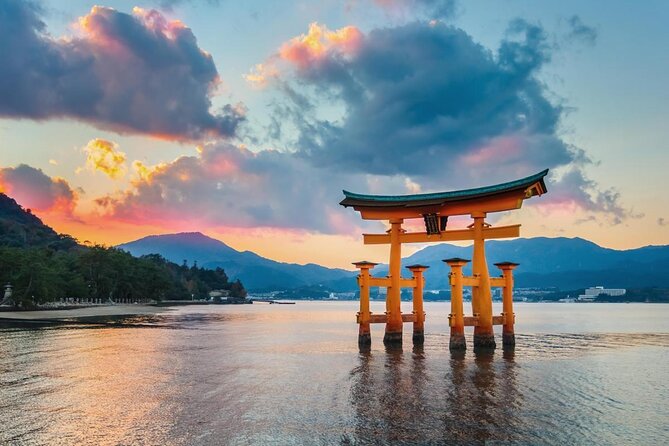
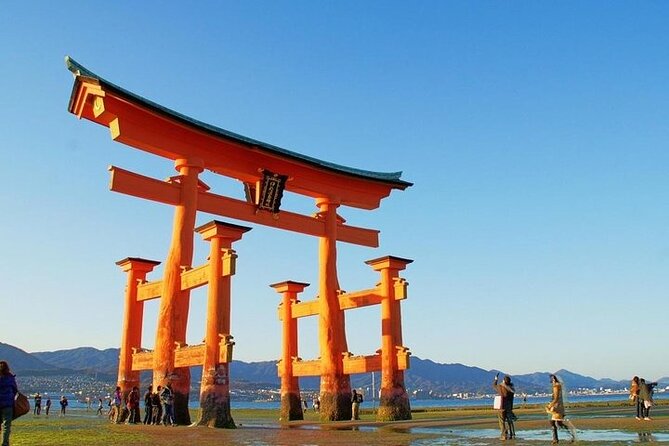
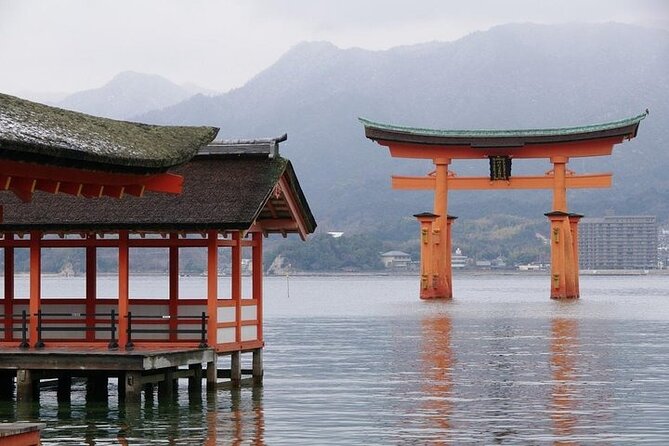
Miyajima is a small island less than an hour from Hiroshima. Its formal name is Itsukushima, but most people know it as Miyajima. The island is famous for the large torii gate offshore, which can appear to float at high tide.
The main stop is Itsukushima Shrine, with admission included and about one hour set aside. The shrine’s buildings sit along the water and give the visit its special character. The torii gate is the image most people come for, but the shrine complex itself is the better reason to slow down. Its relationship with the shore, water, and surrounding island makes it different from a shrine visit in Kyoto.
One hour is enough for a focused look, especially with a guide explaining what you are seeing. It is not enough for an unhurried island day. You may have little time for a long walk, extra shopping, or a wider look around Miyajima, depending on ferry timing and the pace of your group.
That is the main tradeoff. You get the island’s central sight without giving up the Hiroshima memorial sites, but you do not get the freedom of spending a whole day on Miyajima. If your top priority is the torii gate and Itsukushima Shrine, this schedule works. If you want a slow island visit, local food crawl, or more open time, the plan may feel rushed.
Lunch on Miyajima, with time to choose your own meal
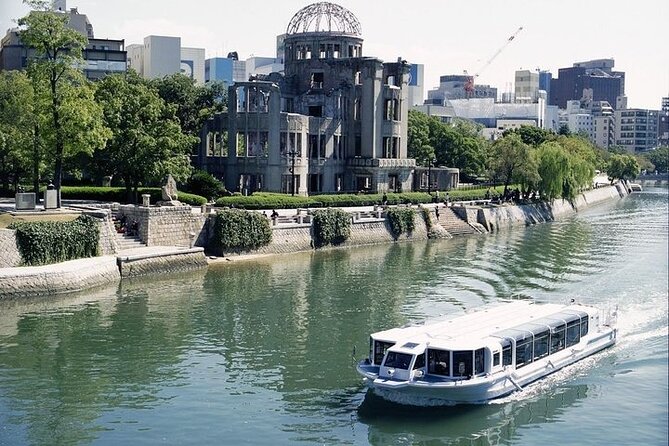
Lunch is not included, and the schedule gives you free time to arrange it yourself. This is a good practical choice because it lets you control the price and food style, but you need to keep an eye on the clock.
A guide can suggest places, and Sachiko has taken people to a local spot that is mostly used by residents. That sort of help can make lunch more personal than simply stopping at the first convenient restaurant. Still, the supplied information does not promise a particular restaurant, menu, or included meal, so treat the lunch stop as flexible rather than fixed.
You also need to remember dinner. The planned return to Hiroshima Station is around 5:00 p.m., and you can buy a bento box there before boarding the train. Dinner is not included. This is a smart option for the ride home, especially after a full day, but it also means your final meal decision comes late in the schedule.
Same city, a completely different kind of day:
- Kyoto: Tea Ceremony in a Traditional Tea House in Kiyomizu
★ 4.9 · 3,519 reviews - Kyoto Geisha Walking Tour: Gion District & Hidden Gems
★ 4.7 · 3,273 reviews - Kyoto: Tea Ceremony Ju-An at Jotokuji Temple
★ 4.9 · 3,207 reviews - Kyoto: Gion Magical Night Walking Tour with Geisha Trivia
★ 4.9 · 2,393 reviews
Hiroshima Peace Memorial Park and the Atomic Bomb Dome
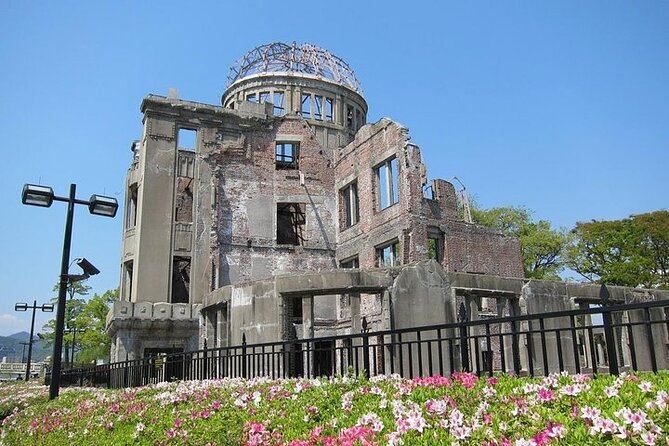
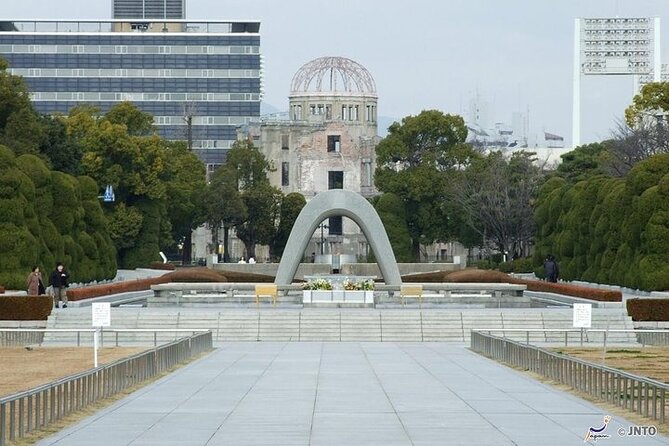
After Miyajima, the tour heads to Hiroshima Peace Memorial Park. The park covers more than 120,000 square meters and occupies a central place in the city’s public memory. This is not simply another pleasant green space to pass through. The open setting gives the memorial sites room to be considered one by one.
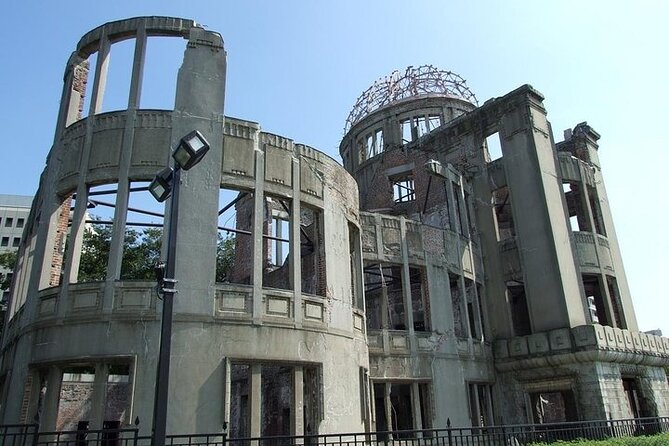
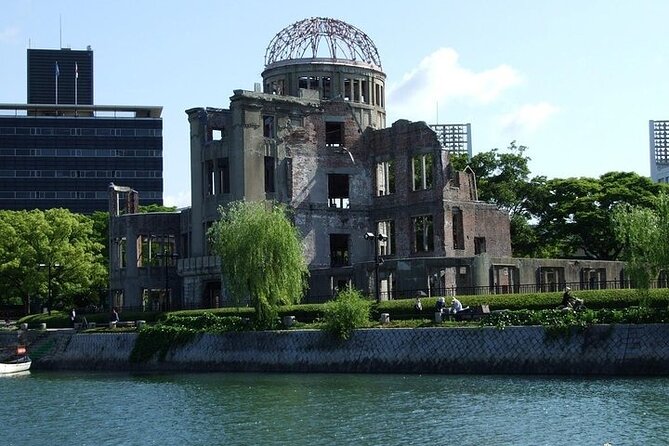
The Atomic Bomb Dome is one of the most haunting stops. The building was close to the point directly beneath the atomic blast on August 6, 1945, yet parts of it remained standing. Its damaged frame now serves as a visible reminder of the bombing and the city’s effort to preserve its memory.
Your guide can provide context as you move through the park, which helps connect the separate monuments. That support is valuable here because the area can feel overwhelming when you are trying to read signs, find the next stop, and process the subject at the same time.
Give yourself emotional space. The park and dome are not quick photo stops, even though the schedule is tight. You can see the main places in the afternoon, but you may not have time to read every display or sit quietly for long.
One hour at the Peace Memorial Museum
The Hiroshima Peace Memorial Museum is included, with about one hour planned for the visit. Designed by architect Tange Kenzo, the museum opened in 1955 and is the largest of Hiroshima’s atomic-bomb-related sites.
One hour gives you a clear introduction, but it is not a full museum visit. The subject is difficult, and the exhibits can require more time than a fast schedule allows. You should expect personal accounts, objects, and information about the bombing and its aftermath. The museum is direct and serious, so plan your emotional energy as carefully as your train schedule.
I consider the museum an essential part of the day. Miyajima provides beauty and tradition, while the museum explains why Hiroshima remains such an important place in modern history. Seeing both on the same day creates a sharp contrast, but that contrast is also the point.
If you prefer to read every panel slowly, this itinerary may not give you enough time. The tour is best for a first visit, when you want an informed overview and help reaching the major sites. A return visit would suit anyone who wants a slower museum experience.
What the private guide adds
The guide is the main reason to choose this experience instead of arranging the same route alone. You are not joining a large group, and only your party takes part. That means you can ask questions as you go and request reasonable changes.
The guide can help with:
- Finding the correct station gates and trains
- Managing the ferry connection to Miyajima
- Explaining the shrine, dome, park, and museum
- Suggesting a lunch place
- Adjusting the order or pace when possible
- Helping you communicate during the day
The tour also allows you to skip a listed stop or request another place. Do not read that as unlimited flexibility. Skipping a stop does not create a refund, and a new stop may bring extra admission or transport costs. Any added tickets are paid on the spot.
The guide may also be able to adjust the schedule on the day. That is useful when your group has different interests, but the fixed train timetable limits how much can change. The guide cannot turn this into a relaxed two-day visit.
The return trains and the real length of the day
The return begins at Hiroshima Station around 5:00 p.m. If you are going back to Osaka, the planned Sakura 564 leaves at 5:52 p.m. and reaches Shin-Osaka at about 7:21 p.m.
For Kyoto, the schedule uses a later Sakura connection from Hiroshima, followed by a transfer at Shin-Osaka to the Hikari 666. Arrival in Kyoto is around 8:34 p.m. The precise rail details should be confirmed when you book, but you should plan for a very full day.
The tour description gives a duration of 11 to 12 minutes, which is clearly inconsistent with the day-long train schedule. In practical terms, use the listed departure and return times as your guide: this is an early-morning to evening activity, not a short excursion.
That length is manageable if you enjoy organized travel and want to make one major excursion from Kyoto or Osaka. It is less appealing if you prefer slow mornings, long meals, or flexible wandering.
Price, inclusions, and value at $343.36
At $343.36 per person, this is not a budget sightseeing option. The value depends heavily on what you want the guide to handle and whether you already have a JR Pass.
Included are the private English-speaking guide from Kyoto or Osaka, public transportation within Hiroshima, and admission to Itsukushima Shrine and the Peace Memorial Museum. You pay separately for the Japan Rail Pass or bullet-train tickets, the round-trip ferry to Miyajima, lunch, and dinner.
If you already hold a valid JR Pass, the price is easier to justify because the main intercity train cost is already covered. You are paying for planning, local navigation, explanations, and private attention. If you do not have a pass, add the full train fare before deciding. The final cost may be much higher than the advertised amount.
Group discounts may help when several people book together, but the experience remains private for your party. For families or small groups who want one guide and do not want to manage Hiroshima’s connections, that can be fair value. For a confident rail user who enjoys planning, a self-guided trip will likely cost less.
Who should book this Hiroshima day trip
I would choose this tour if you are staying in Kyoto or Osaka, have limited time, and want both Miyajima and the Hiroshima memorial sites in one day. It is also a good fit if train transfers make you nervous or if you want an English-speaking guide beside you throughout the local sightseeing.
The tour suits people who value structure, private attention, and a clear route more than free time. It can work well for families, couples, and small groups with mixed confidence using Japanese transport.
I would hesitate if you dislike early starts, find full-day schedules tiring, or want to spend several hours at the museum. I would also compare the final price carefully if you need to buy the JR tickets separately.
The non-refundable policy is important. Once booked, the experience cannot be changed or refunded for personal reasons. Poor weather or failure to meet the minimum number of participants can lead to another date or a full refund, but ordinary changes of mind are not covered. Confirmation is sent within 48 hours, subject to availability.
Should you book it?
Book this tour if your Japan schedule gives you only one day for Hiroshima and Miyajima, you have a JR Pass, and you want a private guide to manage the moving parts. The best features are the carefully timed rail route, the two very different destinations, and personal help with the ferry, monuments, and museum.
Skip it if you want a low-cost day, a slow Miyajima visit, or a long museum stop. In that case, spend a night in Hiroshima or plan the route yourself. For the right person, though, this is a practical way to fit two important places into one demanding but meaningful day.
FAQ
Is the JR Pass included?
No. The Japan Rail Pass is not included, and the bullet-train tickets from Kyoto or Osaka to Hiroshima are also paid separately.
Is lunch included?
No. Lunch and dinner are not included. You receive free lunch time on Miyajima and can buy a bento box at Hiroshima Station before the return train.
Is the ferry to Miyajima included?
No. The round-trip ferry fee between Hiroshima and Miyajima is not included.
Where does the tour start?
The tour starts at 7:30 a.m. at either Kyoto Station’s Shinkansen Central Gate or Shin-Osaka Station’s Shinkansen Central Gate, depending on your selected departure point.
What admissions are included?
Admission to Itsukushima Shrine and the Hiroshima Peace Memorial Museum is included.
Can the itinerary be changed?
Yes, you can request changes, skip a stop, or ask to add another place. Skipped stops are not refunded, and added admissions or transportation costs must be paid separately.
Newest Kyoto experiences on the site
- Treasures of Kyoto: Gion & historical Walking Tour★ 5.0 · 6 reviews
- Whisk Your Own Matcha: A Zen Matcha Experience at Temple★ 3.6 · 7 reviews
- Kyoto tea town for matcha lovers★ 5.0 · 16 reviews
- Uji: Private immersion into Kyoto’s tea and reglious culture★ 5.0 · 17 reviews
- Kyoto Matcha Green Tea Tour★ 4.5 · 23 reviews
- Uji and Wazuka Matcha Farm Half Day Private Guided Tour★ 5.0 · 21 reviews
- Utilising upcycled Matcha! Creating matcha incense (Uji, Kyoto)★ 5.0 · 6 reviews
- Sacred Temple Yoga Experience in Japan★ 5.0 · 3 reviews
1-Day Tours, compared.
Fushimi Inari, Kinkakuji, Bamboo Grove 1 Day Bus Tour
Read our review →
10 Must-see Spots in Kyoto One Day Private Tour (up to 7 people)
Read our review →

Kyoto Customized Private Tour: See Top Attractions in 1 Day
Read our review →
From Kyoto / Osaka: Kyoto Must-see Spots & Nara Park One Day Tour
Read our review →
Nara, Osaka & Kobe Day Trip – 3 Cities in 1 Day
Read our review →Browse the lists this tour appears in