
Reviewed · KYOTO SAMURAI EXPERIENCES
Kyoto 2 Hours Genuine Kendo / Samurai Experience In Japan
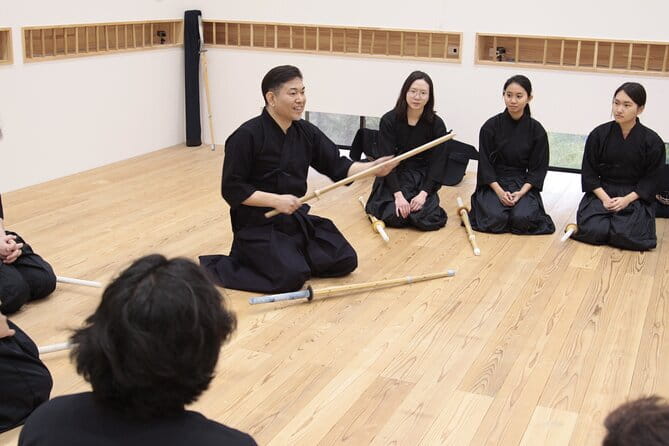
Kendo here is more than swinging a bamboo sword. In two hours, you learn the rules, bowing, footwork, basic strikes, and how to wear the protective armor. The lesson also explains the ideas behind the art, including discipline, manners, and lifelong practice. Instructor Takahiro Hayashi is one of the named teachers, and English instruction is built into the experience.
I like the easy meeting point at Hanazono Station and the short walk to the dojo. I also like the clear progression from warm-up and footwork to striking a practice dummy and, when the group allows, trying a match. The main drawback is physical heat: the outfit can get warm, and you need a moderate level of fitness.
Key points at a glance
- A real dojo lesson near Hanazono Station: Meet at the station at 10:00 am, then walk less than five minutes to the practice hall.
- English-friendly teaching: The instructors explain rules, terms, etiquette, and techniques in simple English.
- You wear the equipment: Rental of the kendo armor and bamboo sword is included in the price.
- A lesson with a clear build-up: Expect warm-up work, footwork, basic strikes, practice with a target, and possible matches.
- Culture is part of the class: You learn why bowing, manners, spirit, and lifelong practice matter in kendo.
- Useful extras are included: You receive bottled water and a kendo towel, though bringing your own towel is still sensible.
What this Kyoto kendo class really offers
At $118.89 per person, this is not a cheap photo stop. You are paying for a guided martial arts lesson, equipment, instruction, and access to a working dojo setting rather than a quick demonstration. For many visitors, that makes the price reasonable, especially if you want to do something active and tied to Japanese culture.
The class lasts about two hours, which is long enough to learn a sequence of skills without taking an entire day from your Kyoto plans. You will not become a trained kendoka in one session. You will, however, come away with a better sense of how kendo works and why it places such weight on control and respect.
The activity uses the word samurai in its presentation, but you should understand what you are booking. This is a kendo lesson, not a historical sword-fighting reenactment. Kendo uses bamboo swords, protective armor, set movements, formal etiquette, and modern sporting rules. Its connection to older Japanese martial traditions is part of the cultural lesson.
More samurai experiences in Kyoto:
- Kyoto Samurai Experience
★ 5.0 · 1,294 reviews - Kyoto: Kendo and Samurai Experience with Uniform and Gear
★ 4.9 · 815 reviews - Kyoto: Samurai Sword Class by Experts in Traditional Arts
★ 4.9 · 657 reviews
Meeting at Hanazono Station at 10:00 am
Your meeting point is Hanazono Station in Kyoto’s Ukyo Ward. The listed address is Hanazonoteranouchicho, Kyoto 616-8043, and the class begins at 10:00 am. A teacher meets you at the station and walks with you to the dojo.
This arrangement is helpful if you do not know the area. You do not need to search for an unmarked training hall on your own. One practical note from the experience is that the dojo is less than five minutes from the station, and the San-In Line makes Hanazono easy to reach for people staying near that rail route.
Build a little extra time into your morning. The meeting is at the station, not at the dojo, so arriving right at 10:00 am could make things awkward. Your confirmation should have the details you need, and confirmation is issued at booking.
The end point is the same meeting point. That makes it easier to plan a later Kyoto activity, though you should allow time to change or cool down before heading onward.
The first lesson: bowing, rules, and kendo’s purpose
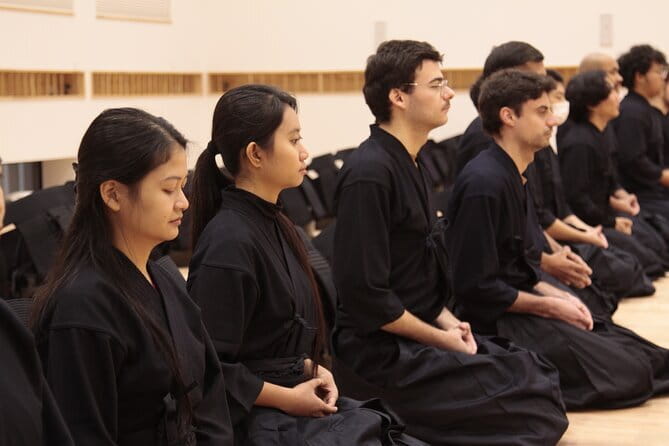
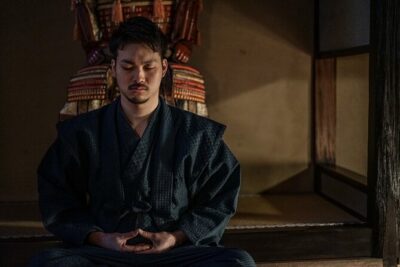
The class begins with an introduction to kendo and its basic rules. You learn that the activity is not simply about hitting another person with a sword. The way you enter practice, bow, hold yourself, and respond to an instructor all matter.
The teachers explain the cultural and spiritual side of kendo along with the physical movements. Three ideas are emphasized: unifying your spirit, practicing good manners, and treating kendo as a lifelong discipline. These points give the activity more meaning than a standard martial arts workout.
You will also meet some of the vocabulary and customs used in practice. This is useful because kendo can look mysterious if you only watch a match. Once you understand the purpose of the bow, the stance, and the formal rhythm, the movements become easier to follow.
The instructors have more than 40 years of kendo experience in the teaching team, including a seventh-dan master. That level of experience matters in a beginner class because small corrections can make the movements safer and easier to understand. The lesson is designed for people who may be completely new to kendo.
Warm-up and footwork before the bamboo sword
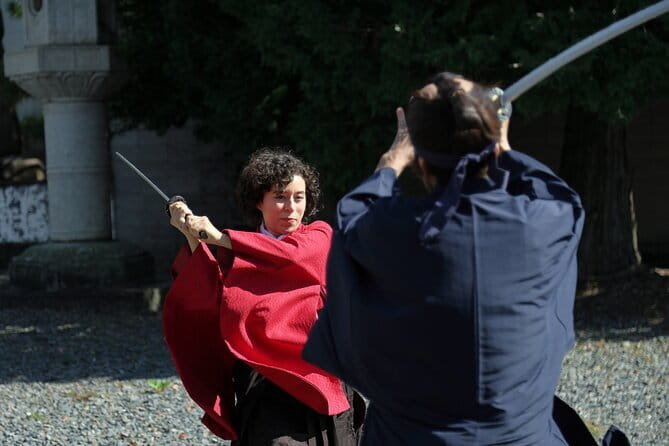
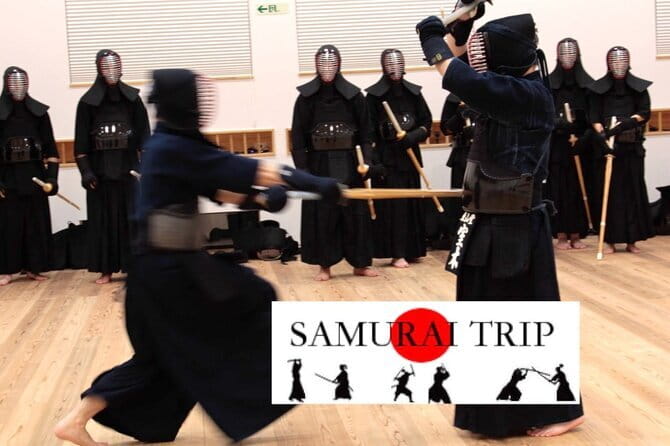
Expect physical preparation before you begin striking. The lesson starts with warm-up work and then introduces basic footwork. This part may seem simple, but it is central to kendo. Your balance, distance, and ability to move forward in control affect every later technique.
The class does not throw you straight into a match. It builds one skill at a time. First, you learn where your feet go. Then you work with the bamboo sword and practice the mechanics of a strike. This gradual order makes the session more approachable, especially if you have never held a shinai before.
The physical demand is moderate, but it is real. You may sweat inside the uniform and armor, particularly as the lesson moves along. Wear practical clothing beneath the equipment, and bring a towel even though a free kendo towel is included. Bottled water is provided, which is a welcome detail after warm-up drills.
You should be comfortable standing, moving, and repeating basic motions for much of two hours. The activity advises a moderate level of physical fitness. It is not presented as a gentle sightseeing stop, and you should not book it if you want an entirely passive cultural experience.
A few more Kyoto tours worth putting on the shortlist
- Kyoto Gion: 2-Hour Geisha Culture & History Walking Tour
★ 5.0 · 1,186 reviews - Ninja 2-hour Hands-on Lesson by Japanese master in Kyoto -Medium
★ 5.0 · 218 reviews - Kyoto: 2-Hour Maiko Makeover and Photo Studio Shoot
★ 4.7 · 122 reviews - 2 Hour Night Walking Tour Throughout Gion with snack
★ 4.0 · 13 reviews
Wearing armor and learning the basic gear
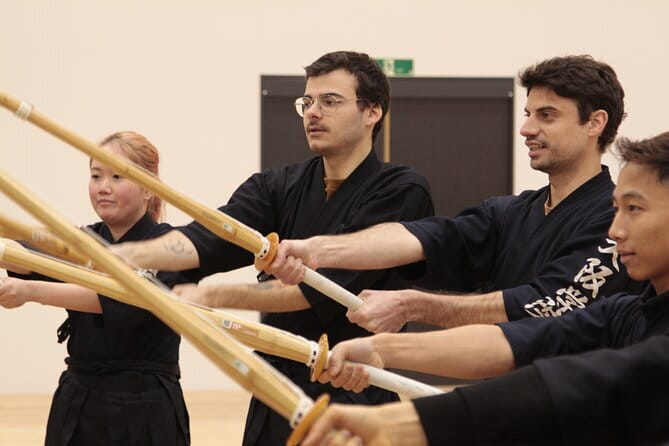
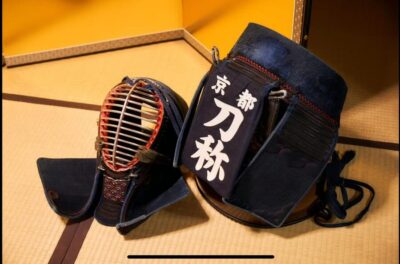
Equipment rental is included, so you do not need to bring a bamboo sword or protective armor. The lesson teaches you how to use the gear as part of the class rather than treating it as a costume for photographs.
That distinction is important. The armor can feel substantial, and learning how it fits helps you understand why kendo movements are so structured. You are not simply handed equipment and told to pose. The gear supports the lesson and allows you to try the basic techniques in a safer, more authentic setting.
The clothing and armor also add to the heat. This is one of the few practical drawbacks worth taking seriously. Drink the water provided, use the towel, and pace yourself during the drills. If you are traveling in Kyoto during warm weather, the room and equipment may make the class feel more strenuous than the short duration suggests.
The available information does not specify changing-room arrangements or footwear rules, so check your booking information if those details matter to you. What is clear is that all kendo equipment is included and that the class takes place in a dojo.
From practice dummy to a possible match
One of the strongest features of the lesson is its progression. After learning footwork and basic handling, you may practice strikes against a dummy. This gives you a stable target while you focus on form, distance, and timing.
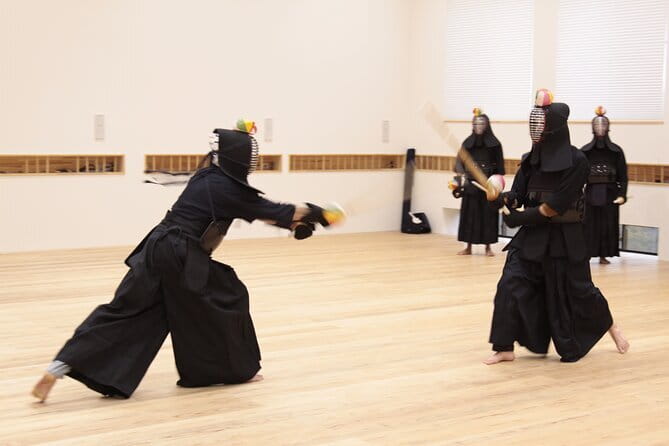
Later, the class can move into matches between participants. The exact amount of sparring depends on the group and the instructor, but the experience includes this possibility. For many people, this is the most exciting part because the earlier drills suddenly have a purpose.
You should keep your expectations sensible. This is a beginner lesson, not a full competitive tournament. The goal is to let you try the structure and spirit of kendo in a controlled, friendly way. If the group is small, you might have the chance to practice against the instructor. The experience specifically highlights occasions when participants worked with Hayashi himself.
The match section also shows why kendo is about more than force. A fast swing is not enough. You need the correct movement, discipline, and respect for your partner. Even a brief practice bout can make the earlier discussion of manners feel practical rather than abstract.
The instructors and English support
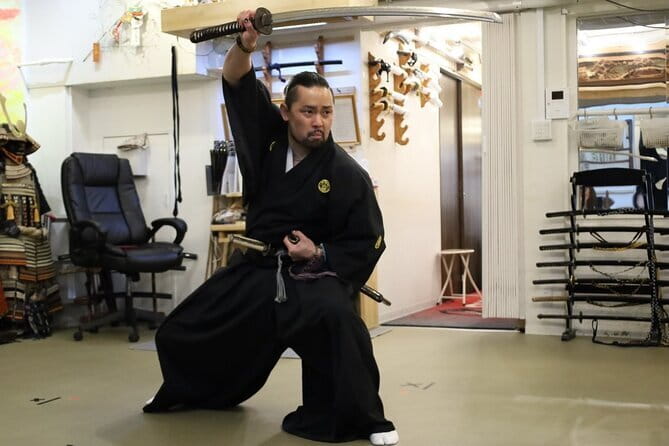
English-speaking martial arts instruction can be hard to find in Japan, especially for a specialized discipline. This class is designed to address that problem. The instructors have experience teaching in English and explain the rules and techniques in accessible language.
Takahiro Hayashi is named as one of the instructors, and the experience describes him as friendly, energetic, and patient. Other teachers may lead the session, but the teaching approach is intended to welcome beginners and families.
The lesson also works well for people who want more than physical instruction. Your teacher explains kendo terminology, etiquette, and its place in Japanese martial arts. You are not expected to know the customs before arriving.
A large group could change the feel of the class. The maximum is 30 people, which is a fairly high ceiling for a hands-on martial arts lesson. A smaller group should allow more direct practice and individual attention. If the session reaches its limit, you may spend more time following demonstrations and less time working one-on-one.
Is $118.89 good value?
The price makes the most sense if you value instruction and participation. Your fee covers the two-hour class, all kendo equipment, bottled water, and a free towel. There is no hotel pickup, drop-off, or food included, but this is a short activity based near public transportation, so those omissions are not major surprises.
Compared with a simple cultural demonstration, you receive much more active time. You learn the rules, wear the armor, handle the bamboo sword, practice techniques, and may take part in a match. You also get a teacher who can explain the cultural side in English.
The value is weaker if you mainly want a samurai-themed photo opportunity or a quick show. You will spend much of the session listening, warming up, repeating movements, and following etiquette. That is exactly what makes it useful for someone curious about kendo, but it may feel slow if you want nonstop action.
I would see this as a good use of money for families, couples, solo visitors, and older children who want a memorable activity with real instruction. It is less suitable for anyone with very limited mobility or a strong dislike of heat and exercise.
Planning the rest of your Kyoto day
The 10:00 am start gives you a full afternoon after the class. Since the dojo is close to Hanazono Station and the activity ends back at the meeting point, you can continue by train or make plans in the wider Kyoto area.
Do not pack the morning too tightly. The official duration is about two hours, but you may want time afterward to cool down, drink water, and change. The class is physical, and you will enjoy the rest of your day more if you do not rush straight into another demanding activity.
The meeting point is near public transportation, which is a practical advantage. Hotel pickup is not included, so you are responsible for reaching Hanazono Station. Use the station meeting point carefully, since the instructor walks you from there to the dojo.
A phone with the mobile ticket available is useful. Your booking confirmation should arrive at the time of reservation, and the experience is designed around that confirmed meeting arrangement.
Who should book this experience?
I would choose this class if you want to participate in Japanese culture rather than only observe it. It suits first-time kendo students because the lesson starts with basic rules and builds toward simple techniques.
Families can also find it appealing. The teachers are described as patient and welcoming, and the class has worked well for parents and children attending together. Still, the moderate fitness requirement matters. You should be ready for warm-up exercises, repeated footwork, protective gear, and a warm room.
It is also a good pick for martial arts fans who want to see how kendo differs from more familiar fighting styles. The formal bowing, controlled strikes, and emphasis on manners give the class a clear identity.
I would think twice if your schedule is very tight, you have an injury that limits movement, or you want a quiet cultural activity. Kendo is active, structured, and sometimes hot. That is part of its appeal, but it will not suit every mood or body.
Booking and cancellation details
This experience is often booked about 44 days ahead, so reserve early if your Kyoto dates are fixed. The class is recommended by all available rating data and has a 5 out of 5 score from 57 reviews, but you should still judge it by the practical details: heat, exercise, meeting point, and possible group size.
Free cancellation is available if you cancel at least 24 hours before the 10:00 am start time. Cancellations or changes made within 24 hours are not accepted for a refund, and the cutoff uses Kyoto local time.
Should you book the Kyoto kendo experience?
Book it if you want a hands-on lesson with clear English guidance, real equipment, and a strong focus on etiquette as well as technique. The short walk from Hanazono Station, included armor, water, and towel make the activity easy to manage, while the warm-up, dummy drills, and possible match give it a satisfying shape.
Skip it if you are looking for a theatrical samurai show, a relaxed indoor activity, or a lesson with no physical effort. For everyone else, this is a practical way to spend two hours learning what kendo feels like from the inside, not just watching it from the sidelines.
FAQ
Where does the kendo experience begin?
The meeting point is Hanazono Station in Kyoto’s Ukyo Ward, at Hanazonoteranouchicho, Kyoto 616-8043, Japan.
What time does the experience start?
The class starts at 10:00 am.
How long does the kendo activity last?
The activity lasts approximately two hours.
Where does the experience end?
The activity ends back at the meeting point at Hanazono Station.
Is kendo equipment included?
Yes. All kendo equipment is included in the price.
Is water provided?
Yes. Bottled water is included.
Is a towel included?
Yes. A free kendo towel is included, though bringing an extra towel is a practical idea because the outfit can become hot.
Do I need to be physically fit?
You should have a moderate level of physical fitness. The lesson includes warm-up work, footwork, equipment use, and basic kendo practice.
Can I cancel for a full refund?
Yes, if you cancel at least 24 hours before the experience start time. Cancellations or changes made less than 24 hours before the start are not accepted for a refund.
Newest Kyoto experiences on the site
- Treasures of Kyoto: Gion & historical Walking Tour★ 5.0 · 6 reviews
- Whisk Your Own Matcha: A Zen Matcha Experience at Temple★ 3.6 · 7 reviews
- Kyoto tea town for matcha lovers★ 5.0 · 16 reviews
- Uji: Private immersion into Kyoto’s tea and reglious culture★ 5.0 · 17 reviews
- Kyoto Matcha Green Tea Tour★ 4.5 · 23 reviews
- Uji and Wazuka Matcha Farm Half Day Private Guided Tour★ 5.0 · 21 reviews
- Utilising upcycled Matcha! Creating matcha incense (Uji, Kyoto)★ 5.0 · 6 reviews
- Sacred Temple Yoga Experience in Japan★ 5.0 · 3 reviews
Kyoto Samurai Experiences, compared.
Kendo and Samurai Experience with Uniform and Gear
Read our review →
Skip the lines Basic Ticket at SAMURAI NINJA MUSEUM KYOTO
Read our review →
Samurai Training with Modern day Musashi in Kyoto
Read our review →
Private Tea Ceremony and Sake Tasting in Kyoto Samurai House
Read our review →
Kyoto Sword Experience – includes Museum Ticket/Ninja Experience
Read our review →Browse the lists this tour appears in