
Reviewed · KYOTO TEA CEREMONIES
Kyoto: Tea Ceremony Ju-An at Jotokuji Temple
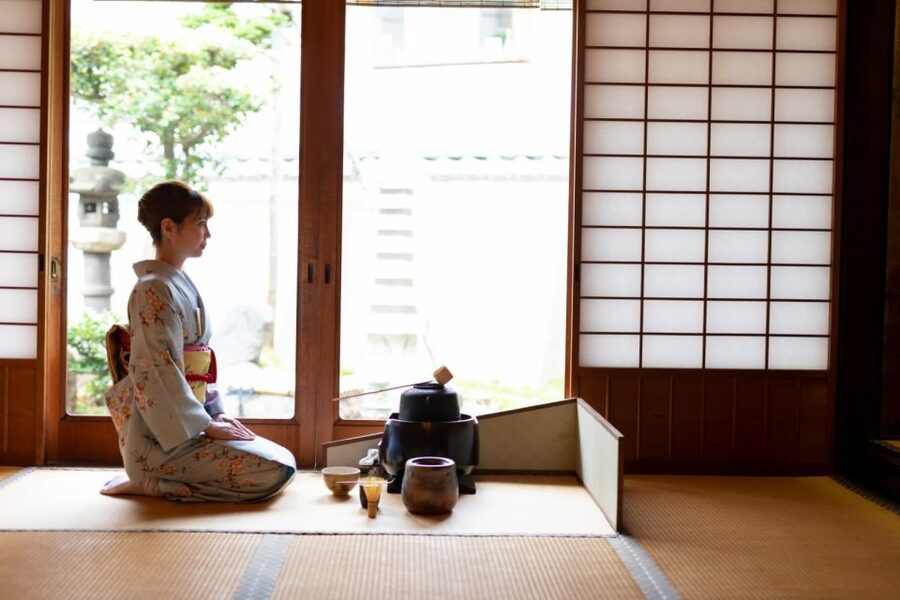
Kyoto’s Ju-An tea ceremony does something simple but meaningful: it slows you down. You enter Jotokuji Temple, take part in a purification ritual, then sit in a traditional tearoom while a tea master prepares matcha with measured, careful movements. You also get to make your own tea, so this is more than a demonstration.
I like the peaceful temple setting and the small group, limited to 10 people. I also like the clear English explanations from hosts such as Kate and Taka, which help you understand the why behind each gesture instead of simply watching a formal ritual. The main consideration is comfort: the tearoom has three steps, and the ceremony normally involves sitting on the floor, though stools and chairs can be provided.
Key Points at a Glance
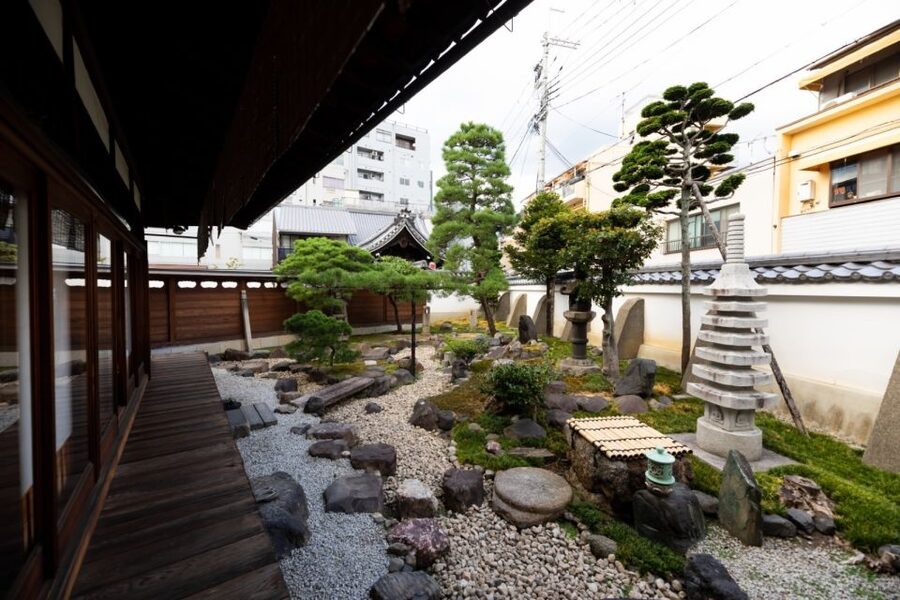
- A real temple setting: Begin at Jotokuji Temple, with time to notice the architecture and purification fountain before entering the tearoom.
- Hands-on matcha making: Watch the tea master, then prepare your own bowl under guidance.
- English instruction: The teaching team explains the ceremony, its history, and its place in Japanese life.
- Small groups: With no more than 10 participants, questions are easier and the experience feels personal.
- A calm 70-minute pause: This is a manageable Kyoto activity that gives you a quiet break from crowded sightseeing.
- Traditional seating with help available: Floor seating is part of the setting, but stools and chairs can be requested.
Why This Kyoto Tea Ceremony Works So Well
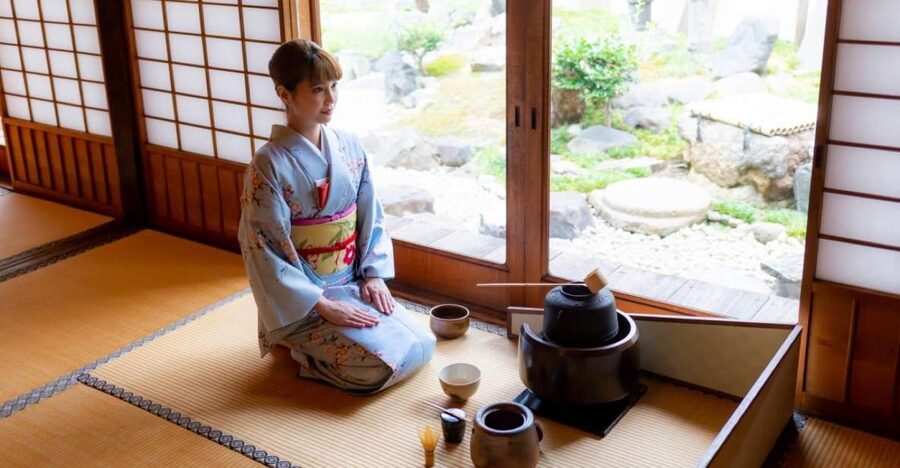
A tea ceremony can seem intimidating from the outside. There are unfamiliar gestures, special tools, formal manners, and a style of sitting that may not suit everyone. Ju-An handles that concern well by teaching you what is happening as it happens.
The session is not a four-hour formal tea gathering. One participant described it as a good introduction to the longer tradition, and that is the right way to think about it. You get the central ideas of chanoyu in about 70 minutes, with enough explanation and participation to make the ritual understandable.
I especially like the balance between watching and doing. The tea master first shows how matcha is prepared. Then you have the chance to whisk your own tea with the ceremonial equipment. That turns the experience from a passive cultural display into a practical lesson.
The tone is also important. The ceremony is respectful, but the English-speaking hosts make it approachable. You can ask questions, learn the meaning of the movements, and take part without feeling that one wrong gesture will ruin the occasion.
More tea ceremonies in Kyoto:
- Kyoto: Tea Ceremony in a Traditional Tea House in Kiyomizu
★ 4.9 · 3,519 reviews - Kyoto: 45-Minute Tea Ceremony Lesson Experience
★ 4.3 · 2,378 reviews - Kyoto: Table-Style Tea Ceremony at a Kyo-Machiya
★ 4.9 · 1,211 reviews
Meeting at Jotokuji Temple
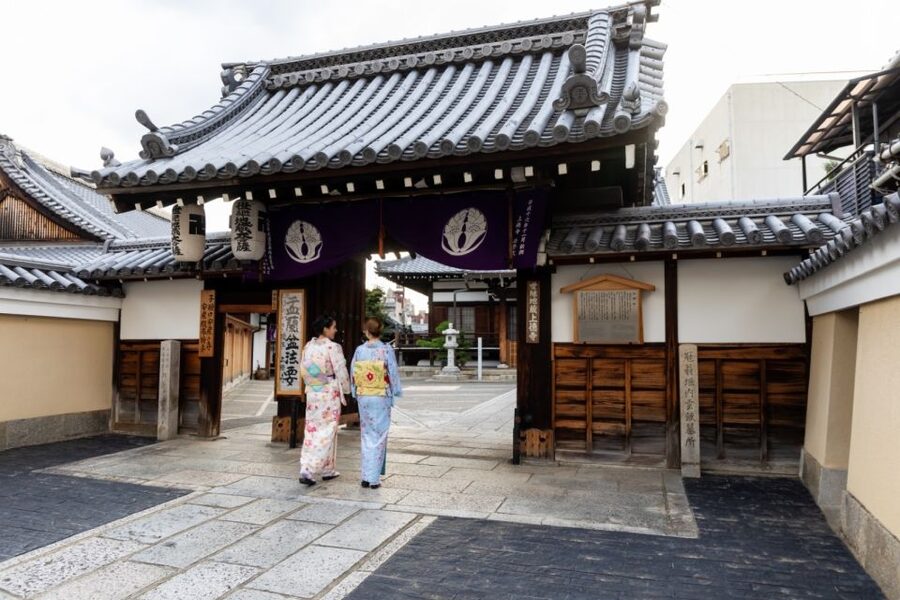
Your meeting point is Tea Ceremony Ju-An at Jotokuji Temple, listed at 556 Gojo-sagaru, Tominokoji Dori, Shimogyo-Ku, Kyoto. Once inside the temple, face the Main Hall and look left for the steps leading to the tearoom.
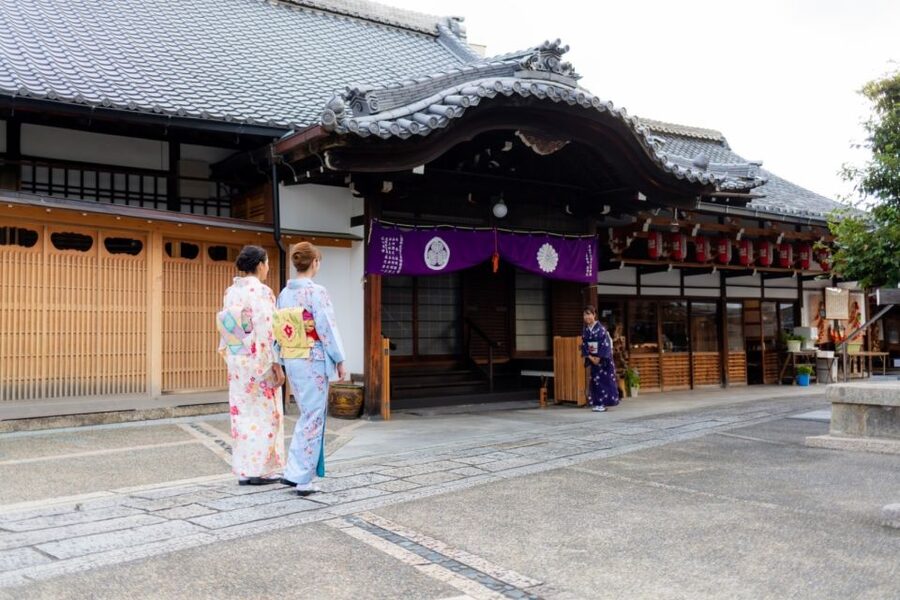
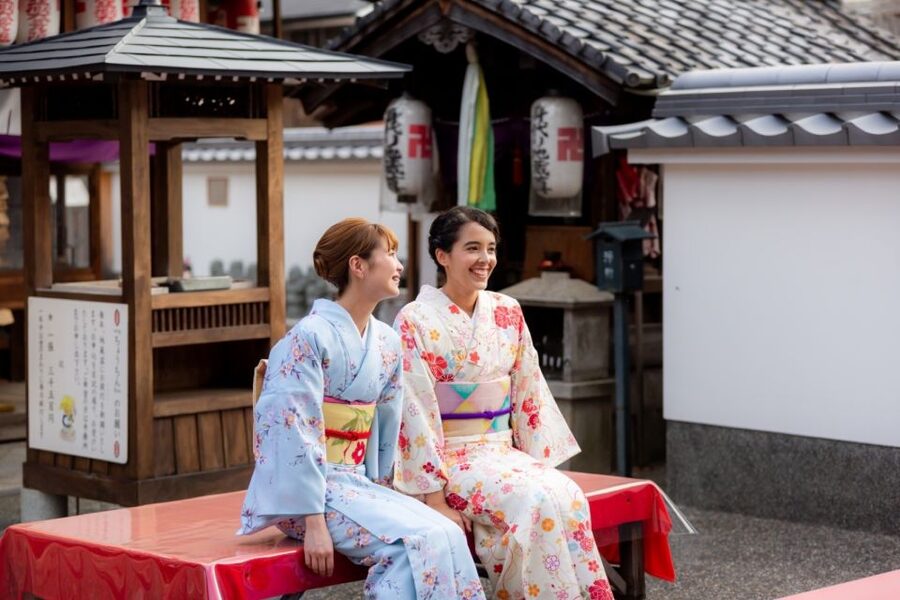
The arrival arrangement gives you a useful few minutes to get your bearings. Enter through the main gates and you will pass the entrance to the Grand Tearoom on your left, with a parish shop nearby. The red benches are the meeting spot, where your guide waits.
If the weather is pleasant, you can sit on the benches and take in the temple atmosphere before the ceremony begins. In rain, you can wait under the shop’s gable or inside the Grand Tearoom. That small detail matters in Kyoto, where a sudden shower can change your plans quickly.
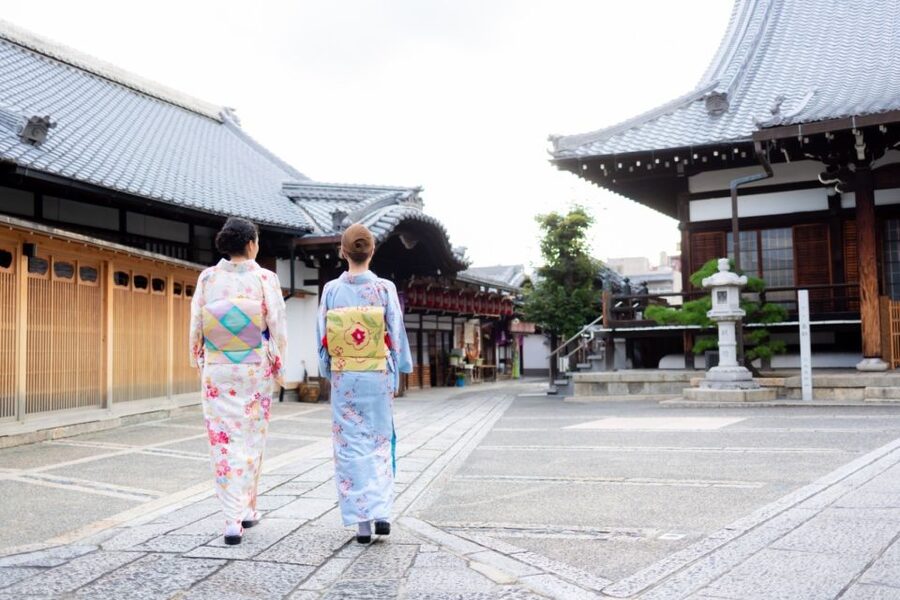
Do not rush straight into the room. The temple grounds are part of the experience. Look at the architecture, notice the quiet layout, and pause at the purification fountain. You are not being asked to spend a long time sightseeing here, but this short introduction helps place the tea ceremony in its religious and cultural setting.
The Purification Ritual Before the Tea
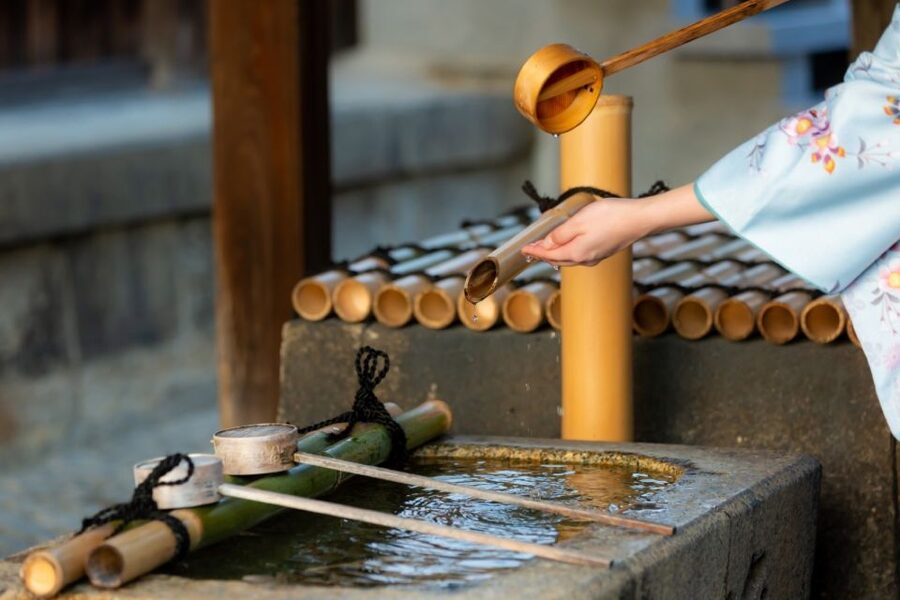
The first formal part of the activity is a traditional purification ritual. For many Western visitors, this may be the most unfamiliar part of the visit. Your guide explains what to do, so you are not left to guess.
The ritual prepares you to enter the tearoom with the right frame of mind. It is not just a theatrical prelude. Cleanliness, respect, and attention are central to the tea tradition, and the fountain gives you a physical way to shift from ordinary sightseeing into the ceremony.
I like this opening because it adds context without requiring a lecture. You begin by doing something, not just hearing about it. The temple setting also makes the transition feel natural. One moment you are at the entrance, checking where to meet. The next, you are taking part in a custom that has its own pace and purpose.
The temple is a working religious site, so behave quietly and follow the guide’s instructions. This is not a photo stop designed only for quick sightseeing. The calm atmosphere is one of the best parts of the visit.
Inside the Grand Tearoom
Before entering the Grand Tearoom, you remove your shoes. You then take your place with the rest of the small group. The tearoom has three steps, which is an important practical point for anyone with limited mobility.
Traditional tea ceremonies often involve sitting on the floor in a formal position. You do not need to force yourself into an uncomfortable pose. Seats and stools can be provided for people who are not comfortable sitting on the floor, but you should mention your needs to the staff.
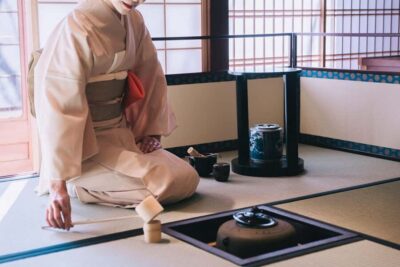
The room itself is part of the lesson. The quiet, the layout, and the careful placement of the tea equipment all help you notice that chanoyu is about more than drinking a green beverage. The setting asks you to pay attention to small things: the movements of the tea master, the sound of the utensils, and the way the tea is presented.
You should expect a respectful atmosphere, but not a stiff one. The hosts answer questions and help each person follow along. Several participants singled out the kindness and patience of the teaching team, which is especially useful if you have never attended a Japanese tea ceremony before.
More temples worth an hour in Kyoto:
- Arashiyama Bamboo, Temple, Monkeys, or Secret Sake Brewery
★ 4.8 · 886 reviews - Kyoto: Arashiyama Bamboo Forest, Monkeys, Matcha & Temple Tour
★ 5.0 · 759 reviews - Kyoto Zen Meditation & Garden Tour at a Zen Temple with Lunch
★ 5.0 · 441 reviews - Kyoto: Zen Experience in a Hidden Temple
★ 5.0 · 437 reviews
Watching the Tea Master Prepare Matcha
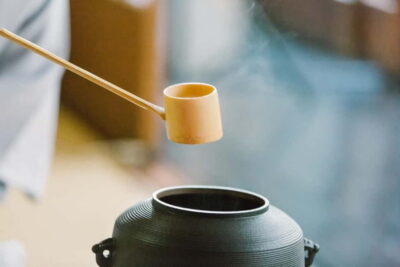
The tea master demonstrates the preparation step by step. Matcha is whisked rather than steeped, producing a bright green drink with a distinct texture and earthy taste. This is matcha prepared as part of chanoyu, not a sweet café drink.
The demonstration is deliberately measured. Each movement has a purpose, and the English-speaking host explains what you are seeing. Kate has been praised for making the explanations clear and engaging, while Taka is also part of the team named by participants. Yaki is another name associated with the teaching staff.
The value of the explanation is that it keeps the ceremony from becoming a string of mysterious gestures. You learn how the tea is prepared, how it is offered, and why the process is carried out with such care. The lesson also connects the ritual to Japanese ideas about hospitality, attention, and respect.
You will likely be asked to notice the details rather than hurry through your bowl. That slower pace can feel unusual if your Kyoto schedule is packed with temples and transport connections. Give yourself room to enjoy it. The experience works best when you stop treating the ceremony as another item to check off.
Making Your Own Bowl of Matcha
The hands-on portion is a major reason to book this particular session. After watching the tea master, you get the chance to prepare your own matcha with guidance.
This is not a test. The instructor shows you how to use the tools and helps you through the process. You can focus on the texture, the movement of the whisk, and the etiquette around receiving and drinking the tea.
For me, this practical element gives the ceremony a lasting memory. You may forget some of the historical details by the end of your Japan trip, but you are less likely to forget the feel of whisking your own matcha in a temple tearoom.
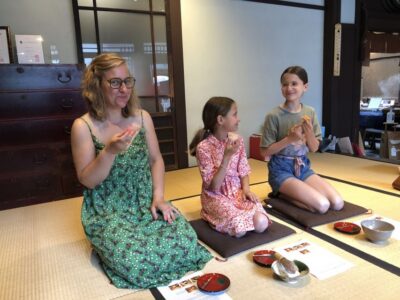
Sweets are served with the tea, adding a gentle contrast to matcha’s strong, grassy flavor. The combination is traditional and also makes the tasting easier for first-time drinkers. If you normally find matcha bitter, the sweet helps balance it.
You should approach the tasting with an open mind. The point is not to decide whether matcha tastes like your favorite Western tea. The point is to understand how the drink fits into the ceremony and why its preparation receives so much attention.
What You Learn About Chanoyu
The best part of this experience is not simply drinking matcha. It is learning how the tea ceremony brings together space, movement, tools, taste, and hospitality.
The hosts explain the background in plain English and leave room for questions. You learn the how of the ceremony, but also the why. That distinction matters. Without it, the activity could feel like a polished performance. With it, the gestures become easier to read.
You also gain a better sense of Japanese daily values. The ceremony encourages concentration and respect for the moment. The group setting shows how a formal tradition can still feel welcoming and human.
The teaching style seems particularly suited to people who are curious about culture but do not usually book guided activities. One participant who said they were not a big tour fan still found this worthwhile because a ceremony of this kind is difficult to experience alone.
That is the key point. You could buy matcha in Kyoto by yourself, but you cannot easily recreate the setting, instruction, ritual, and social meaning of chanoyu without a teacher.
The Temple Setting Adds Real Value
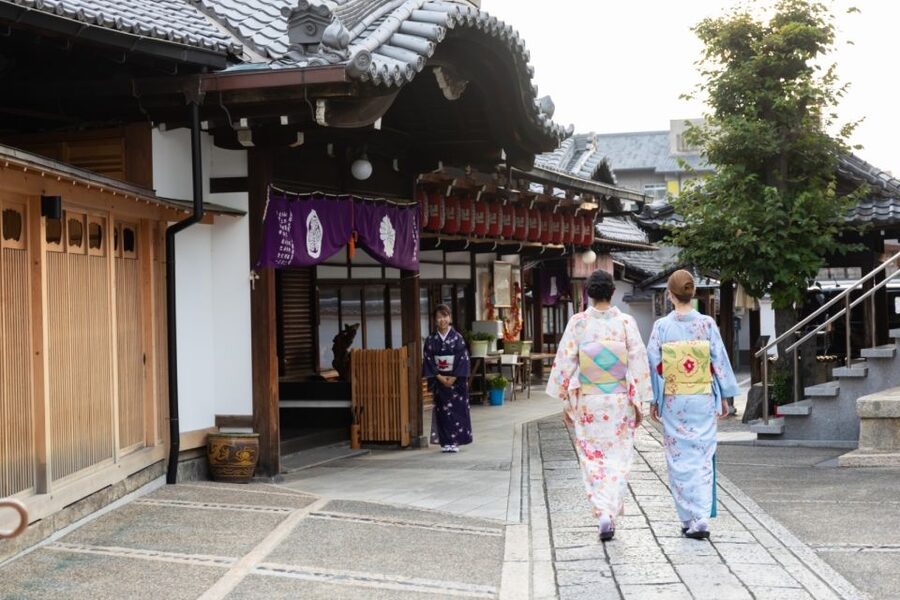
A tea ceremony in a modern hotel or tourist shop could still be interesting. Here, Jotokuji Temple gives the activity a stronger sense of place.
You begin at the gates, walk past the temple buildings, pause at the purification fountain, and then enter the Grand Tearoom. The transition from outdoor temple grounds to the quiet interior helps you understand how the ceremony is connected to Japanese religious and cultural spaces.
Do not expect a long temple tour. The temple visit is a short introduction rather than a full sightseeing program. If you want extensive architecture commentary or a large collection of artworks, you will need another Kyoto visit for that.
Still, the setting is not decoration. It shapes the mood and makes the ritual feel grounded. The temple also provides a quiet break from the city’s busier sightseeing areas, which is one reason this activity fits well in the middle of a packed Kyoto itinerary.
Is $29 a Good Value?
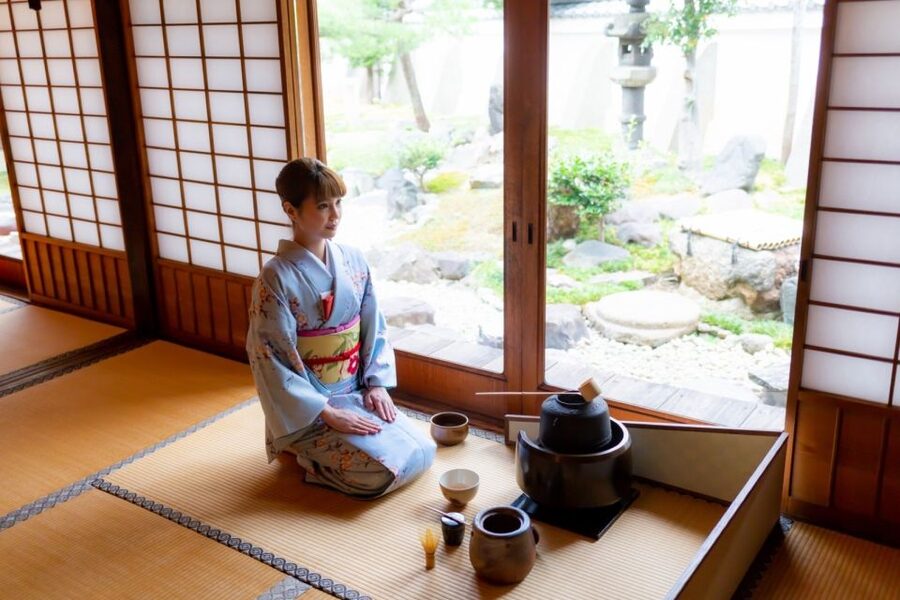
At $29 per person, this is a fair price for a 70-minute cultural activity in Kyoto. You are paying for an English-speaking guide, a tea master, a small group, the use of ceremonial equipment, matcha, sweets, and access to a traditional temple tearoom.
The small group makes the price easier to justify. With a maximum of 10 participants, you are more likely to hear the explanations, ask questions, and receive help when making your tea. A large group would weaken the quiet, personal quality of the ceremony.
The session is also efficient. Seventy minutes is long enough to feel substantial but short enough to fit around other Kyoto plans. You can schedule it without giving up half a day of temple visits.
The value is strongest if you want cultural understanding, not just a photograph. If you only want to taste matcha, a tea shop will cost less and take less time. If you want to know what the ritual means and participate correctly, this guided format earns its price.
Free cancellation up to 24 hours before the activity and the option to reserve now and pay later make planning easier. Starting times vary, so check availability before building the rest of your day around it.
Who Should Book This Experience?
I would recommend Ju-An to first-time visitors who want an accessible introduction to Japanese tea culture. It also suits returning visitors who have seen Kyoto’s major temples and want a slower, more participatory activity.
It is a good choice for couples, families with older children, and solo visitors who enjoy learning in a small group. The English explanations and patient instruction remove much of the uncertainty that can surround formal Japanese customs.
You should book it if you like:
- Cultural activities with hands-on participation
- Small groups rather than large guided tours
- Calm settings and careful instruction
- Matcha, traditional sweets, and Japanese customs
- Activities that fit into a 70-minute window
It may not suit you if you want a fast, casual tasting or a large-scale temple tour. The floor seating and three steps into the tearoom also matter. The temple itself is wheelchair accessible, but the tearoom is not, and the activity is listed as unsuitable for wheelchair users.
Practical Tips Before You Go
Arrive with enough time to find the temple entrance and the red benches. The meeting point is inside the temple, not simply somewhere on a nearby street. Once you face the Main Hall, look left for the steps to the tea room.
Wear shoes that are easy to remove. You will take them off before entering the Grand Tearoom.
If floor sitting is uncomfortable, request a stool or seat. You do not need to endure a painful position to take part, but it is sensible to raise the issue early.
Keep your schedule flexible after the ceremony. The activity itself lasts 70 minutes, but finding the entrance and settling into the temple takes a little attention. The best time of day is the time that leaves you unhurried.
Most important, do not treat the ceremony as a performance you must copy perfectly. Watch, listen, ask questions, and let the tea master guide you. The hosts are there to make the tradition understandable.
Should You Book Ju-An?
Yes, if you want a short, thoughtful introduction to Japanese tea culture in a genuine temple setting. The strongest features are the hands-on matcha preparation, the careful English explanations, the peaceful atmosphere, and the small group size.
I would not choose it as a substitute for a full temple tour or a long formal tea gathering. It is an introduction, not an exhaustive study. But that is also its strength. In 70 minutes, you get the ritual, the context, the taste, and the chance to try it yourself.
For $29, Ju-An offers a useful pause in Kyoto: quiet enough to reset your day, practical enough to remember, and welcoming enough for a first tea ceremony.
FAQ
Where does the tea ceremony take place?
It takes place at Tea Ceremony Ju-An inside Jotokuji Temple in Kyoto. After entering the temple, face the Main Hall and look left for the steps leading to the tearoom.
How long does the activity last?
The tea ceremony experience lasts 70 minutes.
What language is the instruction in?
The instructor and explanations are in English.
How many people are in each group?
The group is limited to 10 participants.
Do I get to make my own matcha?
Yes. You first watch the tea master prepare the tea, then have the opportunity to prepare your own matcha with guidance.
Are matcha and sweets included?
You sample matcha during the ceremony, and sweets are served with the tea.
Do I have to sit on the floor?
The traditional ceremony uses floor seating, but seats and stools can be provided for people who are not comfortable sitting on the floor.
Is the tea room wheelchair accessible?
The temple is wheelchair accessible, but the tearoom is not because there are three steps. The activity is listed as unsuitable for wheelchair users.
Can I cancel the booking?
You can cancel up to 24 hours in advance for a full refund. You can also reserve now and pay later.
Newest Kyoto experiences on the site
- Treasures of Kyoto: Gion & historical Walking Tour★ 5.0 · 6 reviews
- Whisk Your Own Matcha: A Zen Matcha Experience at Temple★ 3.6 · 7 reviews
- Uji: Private immersion into Kyoto’s tea and reglious culture★ 5.0 · 17 reviews
- Kyoto tea town for matcha lovers★ 5.0 · 16 reviews
- Kyoto Matcha Green Tea Tour★ 4.5 · 23 reviews
- Uji and Wazuka Matcha Farm Half Day Private Guided Tour★ 5.0 · 21 reviews
- Utilising upcycled Matcha! Creating matcha incense (Uji, Kyoto)★ 5.0 · 6 reviews
- Sacred Temple Yoga Experience in Japan★ 5.0 · 3 reviews
Kyoto Tea Ceremonies, compared.
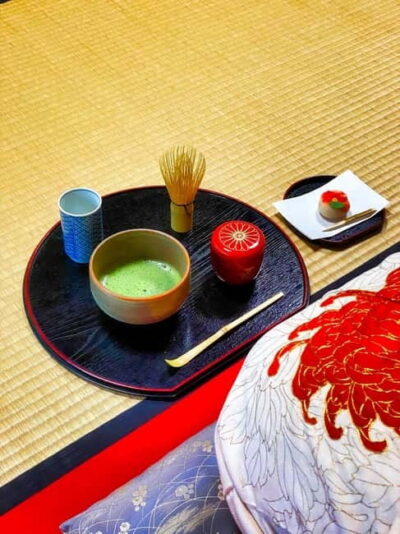
Tea Ceremony in a Traditional Tea House in Kiyomizu
Read our review →
Tea Ceremony in 100-year-old Kyo-Machiya Townhouse
Read our review →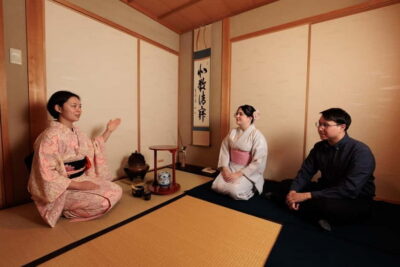
Tea Ceremony Meditation – Make Matcha with Tea Master
Read our review →Browse the lists this tour appears in