
Reviewed · FULL-DAY
Kyoto: Private Full-Day Customizable World Heritage Tour
Kyoto’s great strength is also its headache: the best sights are spread across the city. This private, customizable eight-hour tour lets you choose your stops and ask a local guide to turn them into a workable day. I like the freedom to set your start time, and I like that you can name several preferred sites instead of being locked into one fixed route. The catch is that transport, admission tickets, food, and drinks cost extra, so the $203 price is only part of your total.
I also like the human touch. Guides Ceci and Katsuhiko are singled out by name in the feedback, with Katsuhiko praised for arriving on time, taking photos, and driving between sites on one particular outing. That flexibility can be a real help in Kyoto. Just remember that eight hours is not enough for every stop listed, especially if you want time inside each temple and garden.
Key points to know
- Choose your own Kyoto priorities: Build the day around Kinkaku-ji, Kiyomizu-dera, Arashiyama, Nijo Castle, or other requested sites.
- Start when it suits you: The tour offers a flexible start time, useful for matching your hotel plans or avoiding an early rush.
- A guide helps shape the route: Add several possible sights at booking so your guide can balance distance, variety, and time.
- The route can include major contrasts: You may combine temple gardens, a bamboo grove, city views, old lanes, and Kyoto’s Botanical Gardens.
- Small groups keep it personal: The group is limited to nine participants, with private-guide service described as part of the experience.
- Budget beyond the tour fee: Transportation, entrance fees, meals, drinks, and personal spending are not included.
Why a custom day can work better than a fixed Kyoto tour
A fixed sightseeing route is easy to book, but it may send you to places you have already seen or skip the one site you most want. Here, you can set the priorities. You might ask for a temple-heavy day, focus on gardens and old streets, or mix famous landmarks with quieter corners.
The guide’s role matters most before the tour begins. You indicate your preferred sites, then add a few alternatives. That gives the guide room to build a sensible schedule rather than promising every attraction in one heroic, traffic-filled sprint.
I would be realistic about the word customizable. It means you can request the places and pace that matter to you, not that Kyoto’s distances disappear. Arashiyama in the west, Kinkaku-ji in the north, and Kiyomizu-dera in the east do not sit next door to one another. A good guide will need to trim the list or adjust the time at each stop.
More history-led days in Kyoto:
- Kyoto Gion: 2-Hour Geisha Culture & History Walking Tour
★ 5.0 · 1,186 reviews - Kyoto Gion Historical Walking Tour
★ 5.0 · 188 reviews - Historical Kyoto E-Bike Tour
★ 5.0 · 181 reviews
Starting at Kitaoji or Arashiyama
You have two listed starting choices: Kitaoji Station or TULLY’S COFFEE at Randen Arashiyama Station. These are not interchangeable in practical terms. Your choice affects the first section of the day and how naturally the route can flow.
Starting near Arashiyama makes sense if the bamboo forest and Tenryu-ji are your main interests. Starting at Kitaoji may suit a route built around northern Kyoto, Kinkaku-ji, or the Botanical Gardens. The exact meeting point can vary with the option you book, so check it carefully and allow time to reach it.
The flexible start time is useful, but it does not remove Kyoto’s crowds. Popular temples and Arashiyama can become very busy, and a later start may mean more people at the same famous sights. Ask the guide to help you place the busiest stops sensibly.
Kyoto Botanical Gardens for a calmer opening
Kyoto Botanical Gardens offer a change of pace from the city’s headline temples. A guided visit here can add plants, paths, and open space to a day otherwise packed with famous buildings and narrow lanes.
The value of including the gardens depends on your priorities. If you want a broad sample of Kyoto’s cultural sights, you may prefer to spend those hours at temples. If you need a quieter stretch between major stops, the gardens can give the day some breathing room.
Since every stop takes time, I would treat the Botanical Gardens as an alternative rather than an automatic addition. Mention them if gardens and a slower rhythm appeal to you.
Kinkaku-ji, the Golden Pavilion
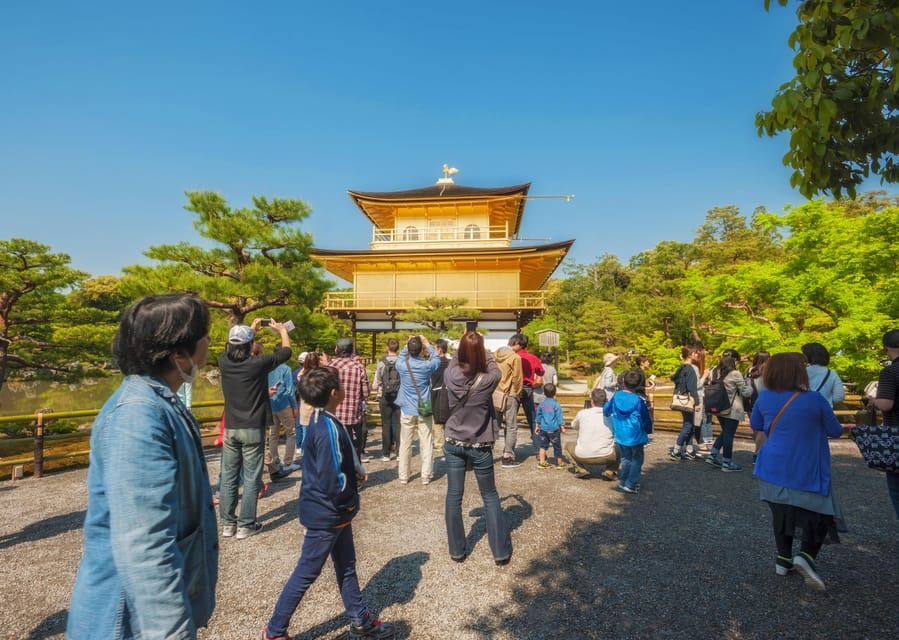
Kinkaku-ji is one of Kyoto’s most recognizable sights. Its gold-covered pavilion beside the pond makes a quick visual impact, and the surrounding grounds give you more than a single photograph.
A guide can add context to the building’s design and explain what you are seeing rather than leaving you to circle the pond and move on. The stop is especially useful for first-time visitors who want one classic Kyoto image without guessing which parts of the grounds deserve attention.
The drawback is popularity. Kinkaku-ji is not a private discovery, and the path can feel more like a steady sightseeing circuit than a quiet temple visit. If you choose it, tell your guide how much time you want for photographs, explanation, and the surrounding garden.
A few more Kyoto tours worth putting on the shortlist
- 5 Top Highlights of Kyoto Full Day Bike Tour (E-bike option)
★ 5.0 · 511 reviews - Full Day Biking Tour Exploring the Best of Kyoto
★ 5.0 · 498 reviews - Full Day Guided Tour to Kyoto and Nara from Osaka by Van
★ 5.0 · 420 reviews - Nara Park, Osaka & Kobe from Kyoto Full Day tour
★ 5.0 · 207 reviews
Arashiyama Bamboo Forest and Tenryu-ji
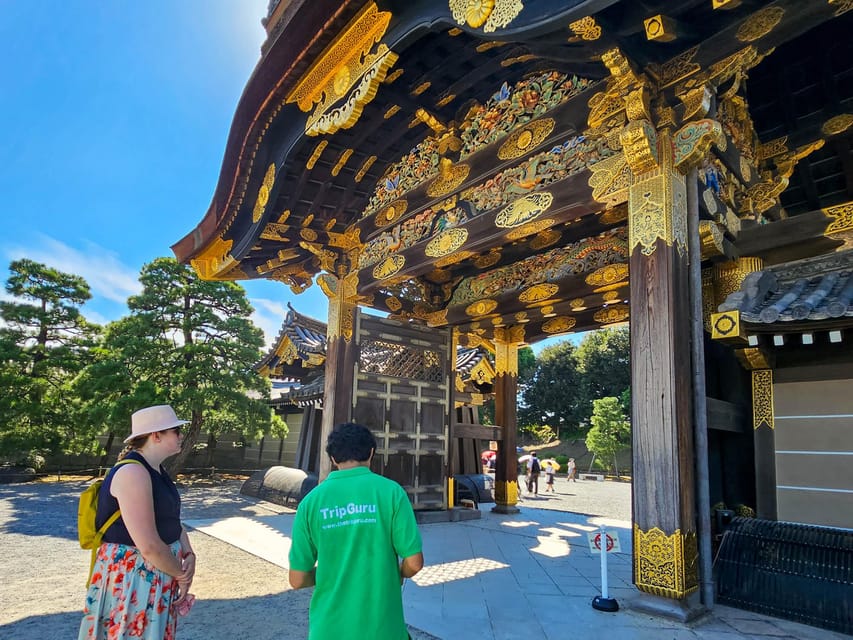
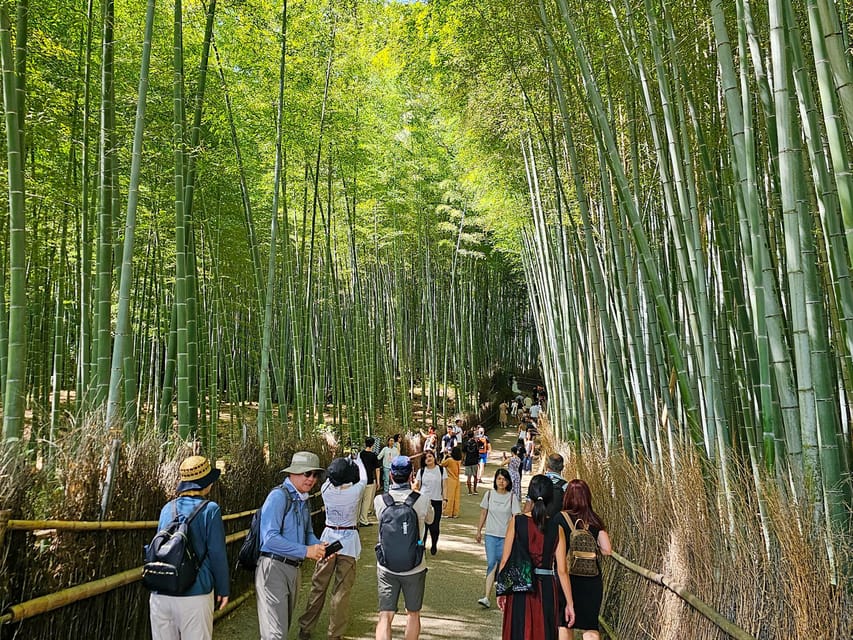
The Arashiyama Bamboo Forest is one of Kyoto’s signature walks. Tall bamboo surrounds the path, creating a memorable setting even when the route is busy. It is best understood as a short scenic walk, not an all-day attraction by itself.
Pairing it with Tenryu-ji makes the area more worthwhile. Tenryu-ji gives you a major temple and garden setting, while the bamboo path supplies a very different visual experience. Together, they create a strong western Kyoto block in your schedule.
Do not assume this pair fits easily alongside every eastern Kyoto stop. If you also want Kiyomizu-dera, Sannenzaka, Ninenzaka, and Hōkan-ji, you will need to keep moving. I would ask your guide to decide if Arashiyama deserves a full morning or if another area should take priority.
Hōkan-ji, Sannenzaka, and Ninenzaka
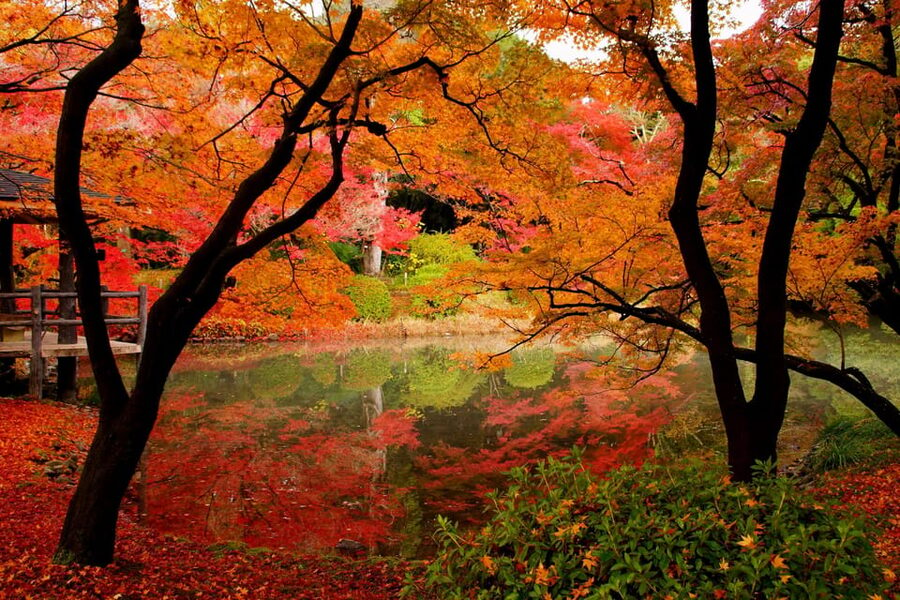
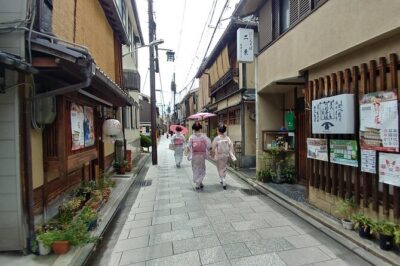
Hōkan-ji is known for its distinctive Yasaka no To pagoda, a familiar landmark in the old Higashiyama district. The surrounding streets lead into Sannenzaka and Ninenzaka, where traditional-looking lanes, shops, and historic atmosphere make walking part of the attraction.
These stops work well together because they can be explored as one eastern Kyoto section. You get a sense of the area by walking between sights rather than simply arriving at isolated temple gates.
The lanes can be crowded and uneven, so wear comfortable shoes. The tour specifically recommends them, and that is sound advice. You should also expect some uphill walking and standing, which helps explain why the activity is not suitable for people with mobility impairments.
Kiyomizu-dera and Kyoto from above
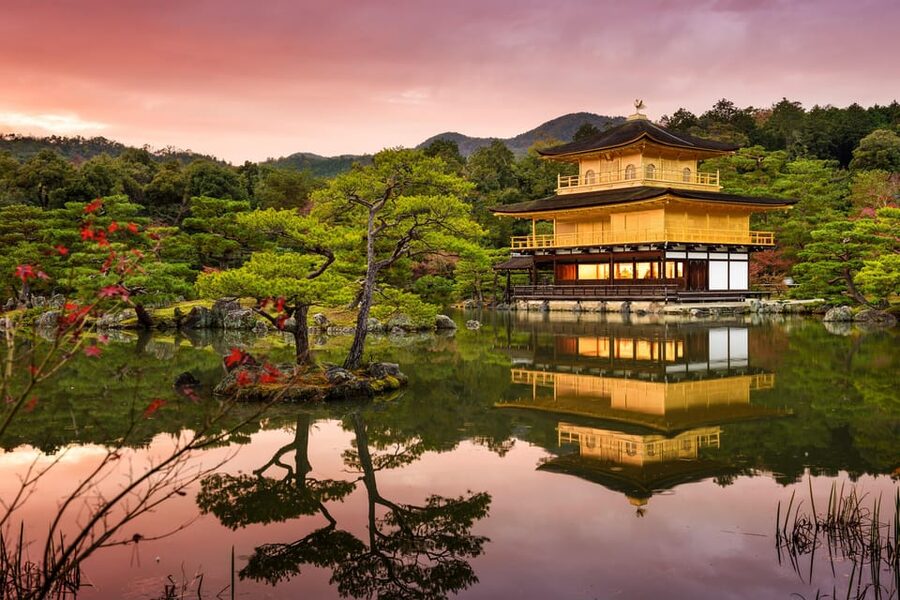
Kiyomizu-dera is one of the strongest choices for a first Kyoto visit. The temple is famous for its broad views and dramatic setting, and it gives you a sense of how the city’s historic districts fit together.
The approach through Ninenzaka and Sannenzaka makes the visit feel like a connected old-town walk rather than a quick stop at a single building. A guide can point out cultural details and help you understand why the temple matters beyond its famous viewpoint.
Kiyomizu-dera is also listed as a possible drop-off point. That is handy if you want to continue exploring Higashiyama on your own after the eight-hour service ends. The other listed drop-off is Genko-an, so confirm which endpoint applies to your booking and route.
Nijo Castle, the Philosopher’s Path, and Toji as alternatives
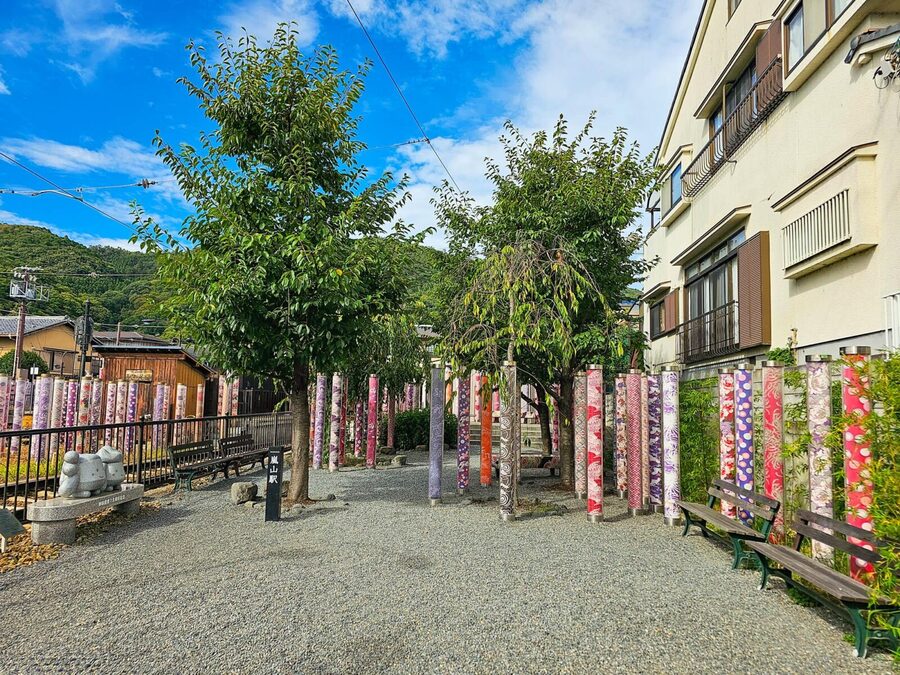
The suggested choices are not limited to the stops in the sample route. You can also request Nijo Castle, the Philosopher’s Path, and Toji Temple.
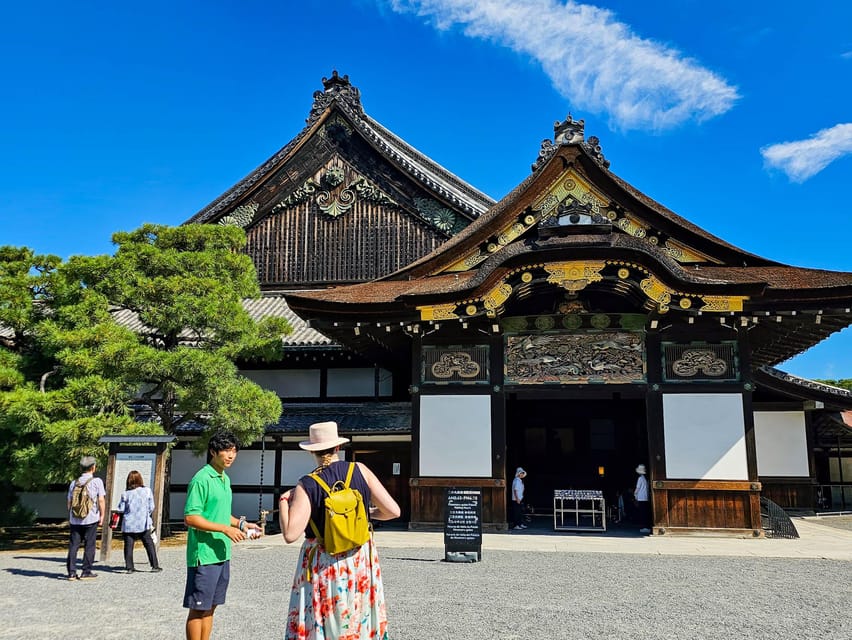
Nijo Castle is a good pick if you want broad grounds, gardens, and a major piece of Kyoto’s political past. It can anchor a central Kyoto itinerary, but adding it to far western and eastern stops may leave too little time elsewhere.
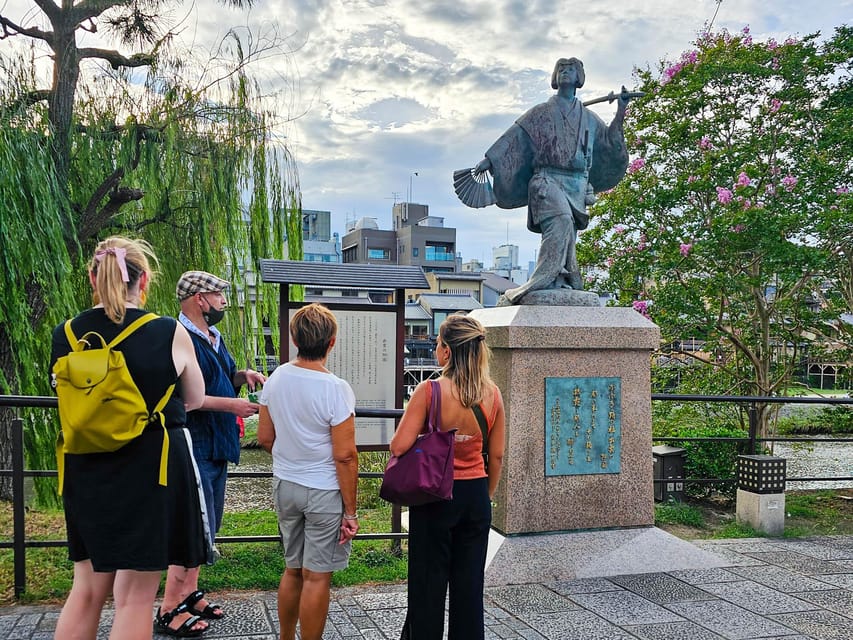
The Philosopher’s Path suits you if walking beside a canal and seeing a quieter side of the city appeals to you. It is less about one grand building and more about the route itself. Toji Temple gives you another historic temple setting and can provide useful variety if your day already includes several famous eastern sights.
When you list your choices, group them by area if possible. Then give the guide permission to remove one or two if the route becomes too long. That is the best use of a custom tour.
What the guide adds to the day
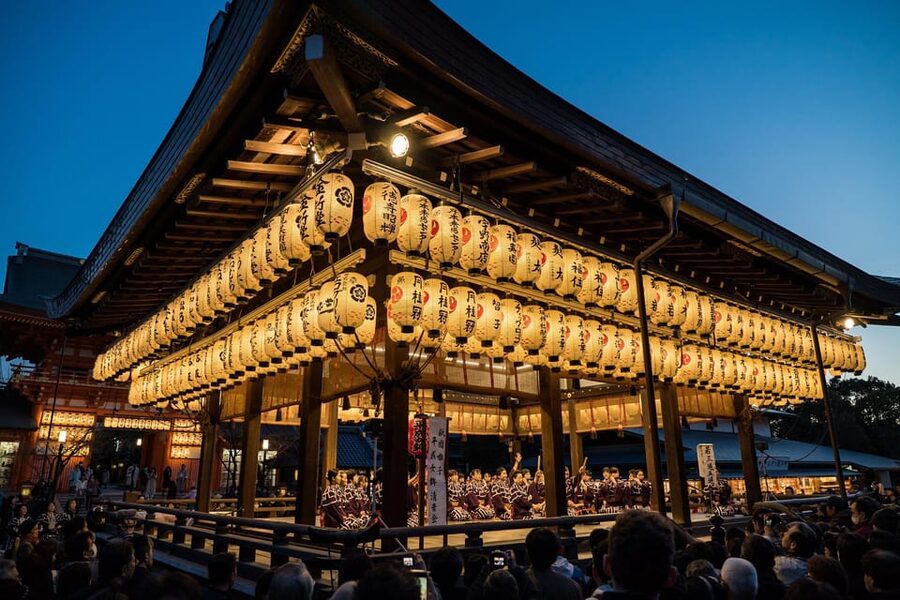
The guide is more than a person who points toward the next gate. The service promises local information and cultural explanations, and the strongest feedback highlights patience, flexibility, punctuality, and a relaxed manner.
Ceci is praised for taking guests to the requested places and adapting the plan without fuss. Katsuhiko, also referred to as Katz, is praised for explaining cultural matters, finding less obvious spots, and making the day feel friendly rather than formal. One outing included driving between sites, which made that particular day easier, but you should not assume a car is included for every booking. Transportation fees are specifically excluded.
The language choices are English and Spanish. If cultural background is important to you, this personal explanation may be worth more than a basic hop-on sightseeing route. You can ask questions as the day unfolds and adjust the balance between photos, walking, temple interiors, and stories.
How much value do you get for $203?
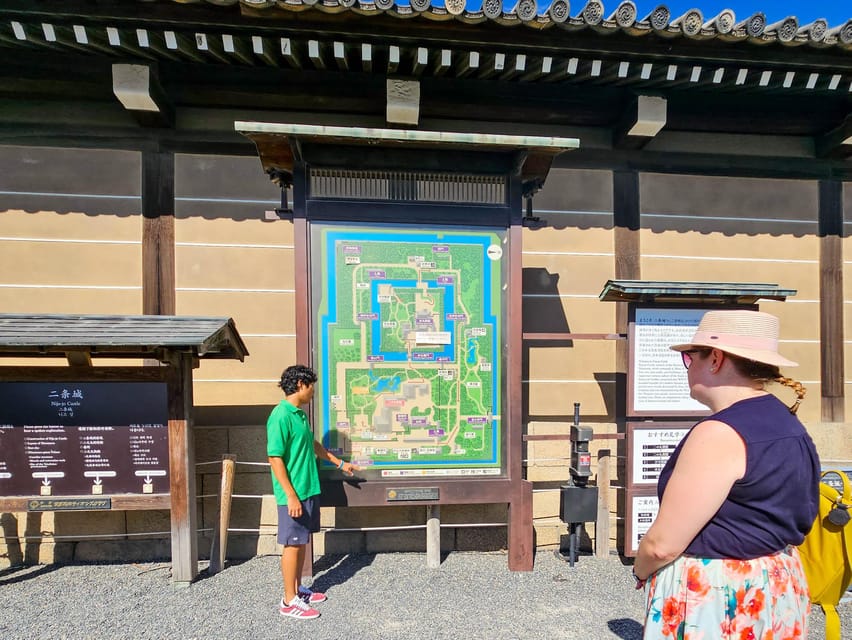
At $203 per person, the price can be fair if you value a full day of planning help and personal guiding. For a couple or small party, eight hours with a guide may save time and reduce the stress of arranging several distant sights.
The calculation changes if you are traveling alone or if your group grows. The maximum group size is nine, and the price is listed per person. You also need to add transportation, entrance fees, meals, drinks, and personal expenses. Those extras can make the final cost noticeably higher than the headline figure.
I would compare this with the cost of arranging several taxis or paying for multiple train and bus journeys, but the service’s main value is not simply transport. It is having someone shape the day, explain the places, and adjust the plan when your interests or energy change.
If you already know Kyoto well and are comfortable planning routes, you may not need this much support. If this is your first visit and you want to cover several major areas without managing every detail yourself, the price is easier to justify.
Pace, comfort, and practical limits
Plan for a full day on your feet. Temples involve walking, stairs, outdoor paths, and periods of standing. Comfortable shoes are essential, and cash is useful for expenses not covered by the tour. Bring a camera, but do not let the search for photographs crowd out the actual visit.
The activity is not suitable for pregnant women or people with mobility, heart, or respiratory problems. That is important because the possible route includes several walking districts and temple grounds. If you have any concern about the physical demands, ask about the proposed route before committing.
A group limited to nine is smaller than a large coach outing, but it is not necessarily a one-to-one experience. The most personal service will likely come when your party has fewer people and provides clear priorities in advance.
Who should book this Kyoto experience?
I would choose this tour if you want Kyoto’s major sights but do not want to spend your holiday stitching together transport routes. It is also a good fit if your group has mixed interests, since the day can combine temples, gardens, viewpoints, old streets, and a bamboo walk.
It suits first-time visitors, families who need flexibility, and small groups that want a guide who can explain cultural details. It may also help if you have only one full day for Kyoto and want an informed second opinion on what to cut.
I would skip it if you prefer slow, unplanned wandering, dislike paying extra for each admission and transfer, or already have a carefully organized route. The custom format works best when you arrive with a short wish list, not a demand to see every famous place in town.
FAQ
How long is the Kyoto custom tour?
The tour lasts eight hours.
What languages are available?
Live guiding is available in English and Spanish.
How many people can join?
The activity is limited to nine participants.
Can I choose the places I visit?
Yes. You can customize the tour around your own requirements and indicate preferred sites when booking.
Which attractions can I request?
Possible choices include Kyoto Botanical Gardens, Kinkaku-ji, Arashiyama Bamboo Forest, Tenryu-ji, Hōkan-ji, Sannenzaka, Ninenzaka, Kiyomizu-dera, Nijo Castle, the Philosopher’s Path, and Toji Temple.
Can I choose the start time?
Yes. The tour offers flexibility when deciding the start time, with availability shown during booking.
Where does the tour start?
The listed starting options are Kitaoji Station and TULLY’S COFFEE at Randen Arashiyama Station. The exact meeting point depends on the option booked.
Where can the tour end?
The listed drop-off options are Genko-an and Kiyomizu-dera.
Are transportation and entrance fees included?
No. Transportation fees and entrance fees are not included. Meals, drinks, and personal expenses are also extra.
What should I bring?
Bring comfortable shoes, a camera, and cash.
Should you book this tour?
Book it if you want a flexible day with a guide who can help turn a long Kyoto wish list into a sensible route. The strongest reasons are the adjustable schedule, personal cultural explanation, and ability to focus on the sights you care about most.
Before booking, choose three or four priorities and a few backup options. Ask how the route will handle the distance between Arashiyama, Kinkaku-ji, and eastern Kyoto, and budget for transport and admission fees. Done that way, this can be a relaxed and useful introduction to Kyoto rather than a race from one famous gate to the next.
Newest Kyoto experiences on the site
- Treasures of Kyoto: Gion & historical Walking Tour★ 5.0 · 6 reviews
- Whisk Your Own Matcha: A Zen Matcha Experience at Temple★ 3.6 · 7 reviews
- Kyoto tea town for matcha lovers★ 5.0 · 16 reviews
- Uji: Private immersion into Kyoto’s tea and reglious culture★ 5.0 · 17 reviews
- Kyoto Matcha Green Tea Tour★ 4.5 · 23 reviews
- Uji and Wazuka Matcha Farm Half Day Private Guided Tour★ 5.0 · 21 reviews
- Utilising upcycled Matcha! Creating matcha incense (Uji, Kyoto)★ 5.0 · 6 reviews
- Sacred Temple Yoga Experience in Japan★ 5.0 · 3 reviews
Full-Day, compared.

5 Top Highlights of Kyoto Full Day Bike Tour (E-bike option)
Read our review →
Full Day Biking Tour Exploring the Best of Kyoto
Read our review →
Full Day Guided Tour to Kyoto and Nara from Osaka by Van
Read our review →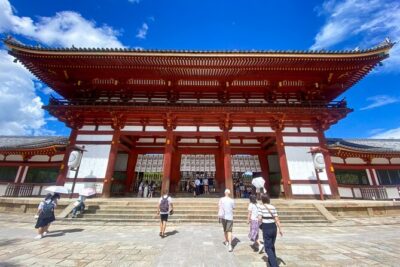
Nara Park, Osaka & Kobe from Kyoto Full Day tour
Read our review →
Kyoto Private Car Tour – Full Day with Local Guide & Nara Option
Read our review →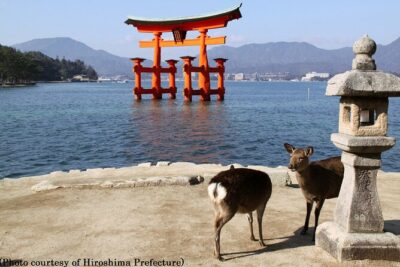
Full Day Hiroshima and Miyajima Tour by Bullet Train from Kyoto
Read our review →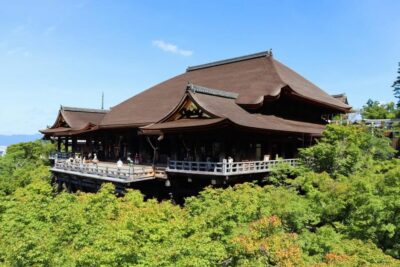
Browse the lists this tour appears in