
Reviewed · KYOTO TEA CEREMONIES
Kyoto: 45-Minute Tea Ceremony Lesson Experience
Kyoto’s tea ceremony is less about gulping tea than learning how every movement carries meaning. At Tea Ceremony Koto, you sit on tatami near Kinkakuji and watch an English-speaking Urasenke tea master prepare matcha with careful, practiced motions before making tea yourself. The lesson follows the full thin-tea style rather than a shortened tourist version.
I like the clear instruction and the chance to taste two kinds of green tea, not just watch a performance. I also like the choice of a quiet private session, a sociable public class, or candlelight ceremony, plus the option to wear a kimono and see Nishijin textiles.
The one drawback is the pace. Forty-five minutes passes quickly, and the formal rules may feel strict if you want a casual photo stop. You must also leave video recording at home, and sitting on the floor can be difficult unless you request a chair.
Key points to know before booking
- A real Urasenke lesson: Your host is a licensed tea master from Urasenke, Japan’s largest tea ceremony school.
- You make your own matcha: The lesson moves beyond watching, showing you how technique changes the tea’s flavor.
- Two green teas and sweets included: You get a useful taste comparison and traditional Japanese confections.
- Near Kinkakuji: The meeting point is a one-minute walk from the temple gate and Kinkakuji-Michi bus stop.
- Several moods are available: Choose a public, private, or candlelight ceremony, with kimono rental as an add-on.
- Formal but welcoming: Expect quiet attention, basic etiquette, and a traditional format rather than a staged show.
What the 45-minute Kyoto tea ceremony is really like
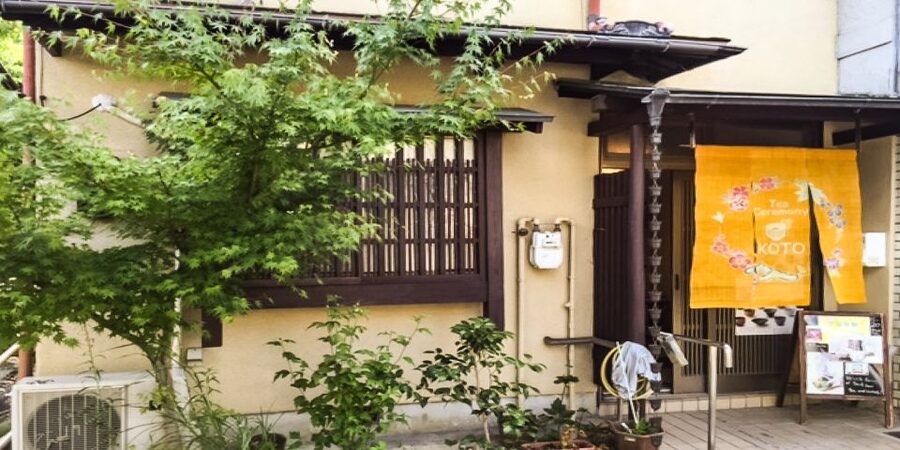
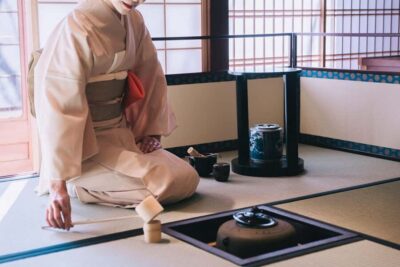
The activity takes place at Tea Ceremony Koto in northern Kyoto, close enough to Kinkakuji that you can pair the lesson with the Golden Pavilion. You enter through a sliding door with an orange curtain. The room uses tatami, the traditional woven floor mat, so the first change from ordinary sightseeing is physical: you slow down, lower yourself to the floor, and pay attention.
Your host explains the setting and the spirit behind the ceremony in English or Japanese. The English instruction is designed for beginners, and the lesson explains not only what to do but why each action takes place. You learn that tea ceremony is a disciplined form of hospitality, where the preparation, utensils, gestures, and order of service all matter.
This is not the kind of activity where you simply pose with a bowl of matcha and leave. The hosts ask you to respect the basic rules, and the experience follows the full thin-tea style used for Japanese beginners. That makes it a good choice if you want cultural instruction rather than a quick, simplified demonstration.
At the same time, you should set your expectations correctly. The lesson is short, so you will not become an expert in tea ceremony etiquette in three quarters of an hour. You will get an introduction, a demonstration, hands-on practice, and a taste of the ceremony’s wider meaning.
More tea ceremonies in Kyoto:
- Kyoto: Tea Ceremony in a Traditional Tea House in Kiyomizu
★ 4.9 · 3,519 reviews - Kyoto: Tea Ceremony Ju-An at Jotokuji Temple
★ 4.9 · 3,207 reviews - Kyoto: Table-Style Tea Ceremony at a Kyo-Machiya
★ 4.9 · 1,211 reviews
Watching the tea master prepare matcha
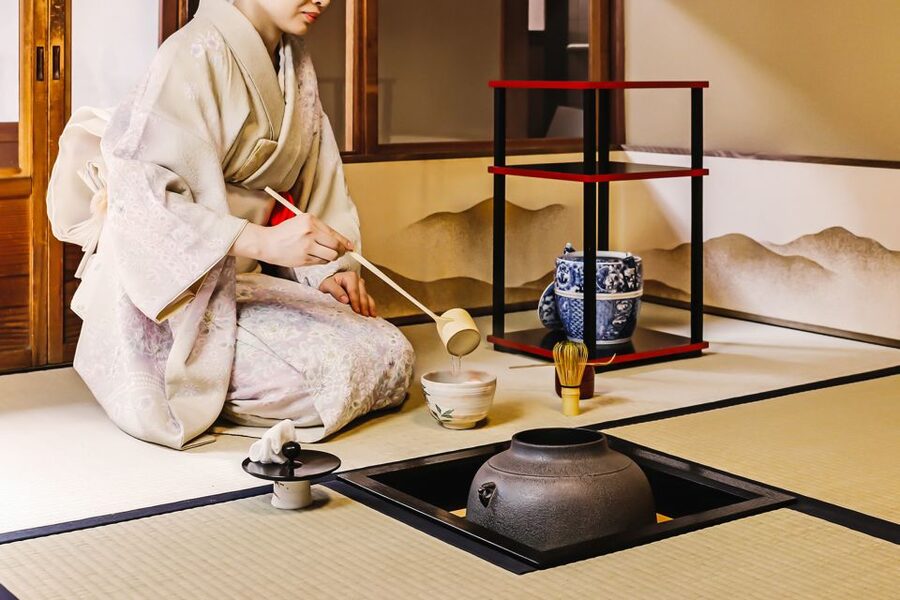
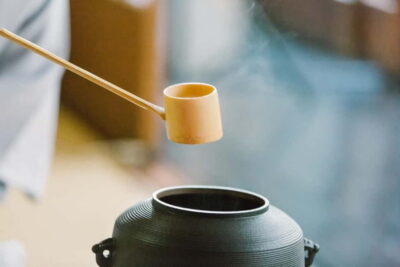
The first major part of the class is observation. Your tea master prepares powdered green tea in the traditional manner, using measured movements and a bamboo whisk. The quiet pace gives you a chance to notice details that are easy to miss when you rush through a temple or shrine.
The host explains the background of tea ceremony and its spiritual role. You learn how the ritual creates a focused meeting between host and guest, and how the method of preparation affects flavor. Water, whisking, and the handling of the tea all matter, so the demonstration is also a small lesson in taste.
I find this section useful because it gives the ceremony a frame. Without explanation, the movements can look mysterious or overly formal. With the explanation, the careful bowing, serving order, and utensil handling begin to make sense.
The atmosphere is intentionally quiet. One of the activity’s rules is no video recording, although photos are permitted after the ceremony and, according to the supplied details, during the kimono option. This restriction may disappoint anyone hoping to film every whisking motion, but it helps keep phones from taking over the room.
Making your own tea on tatami
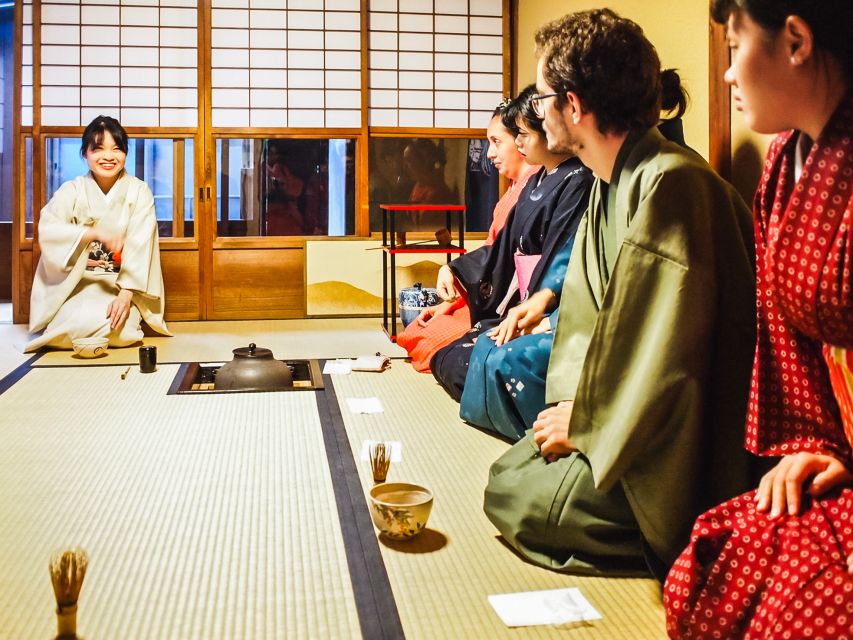
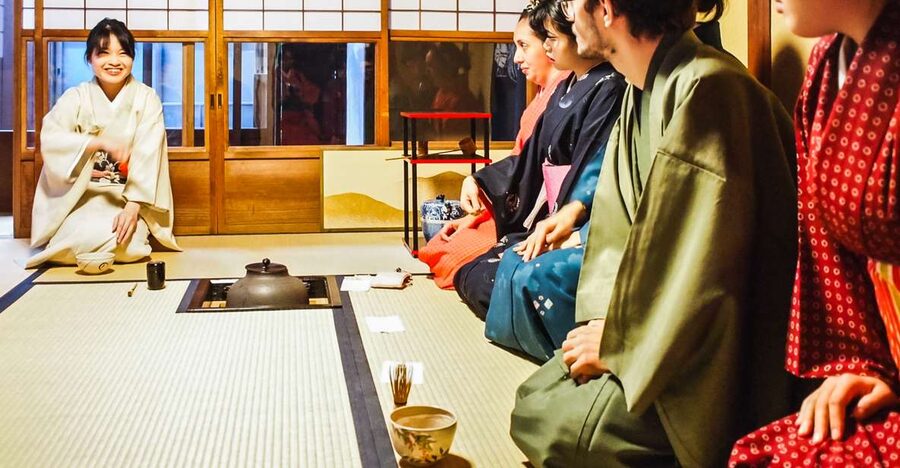
After watching the demonstration, you make matcha yourself. The tea master guides you through the basic actions and tells you what to say and how to behave during the ceremony. You do not need prior experience, and the point is not to perform perfectly. It is to understand the care behind the process.
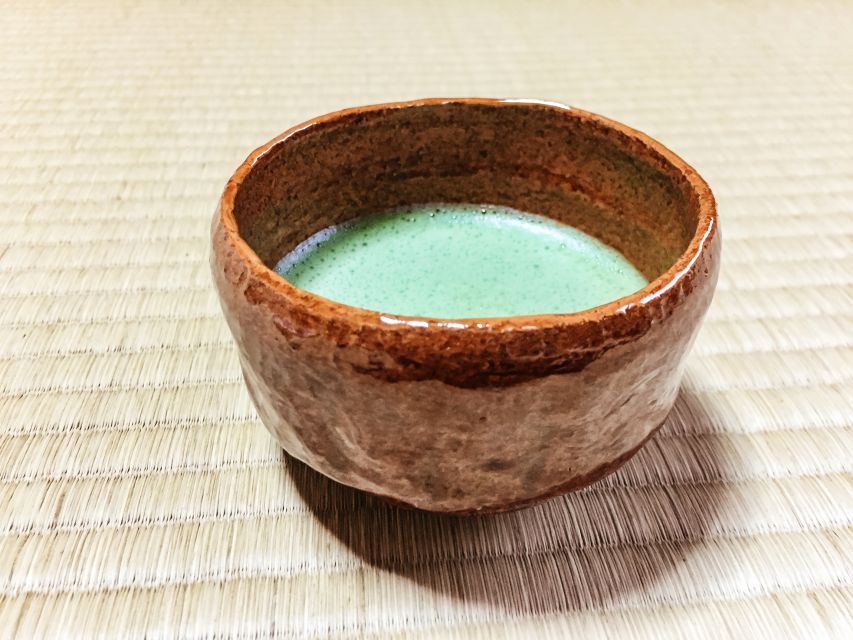
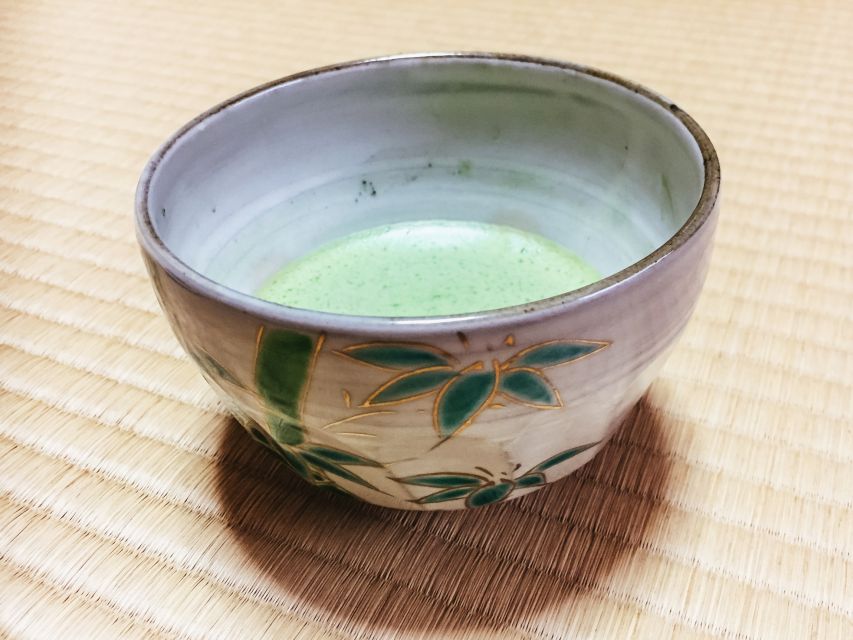
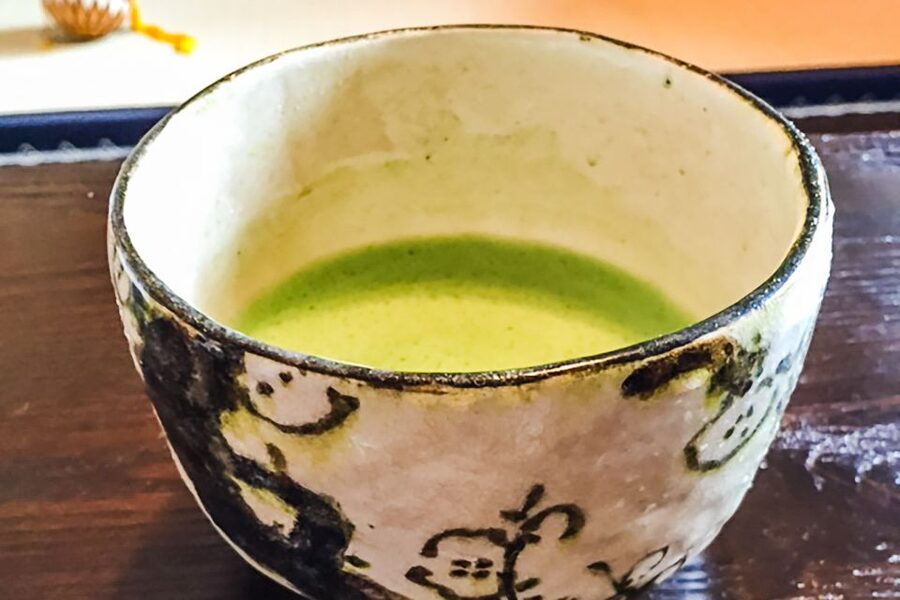
This hands-on section is where the lesson earns its price. You learn how whisking changes the texture and taste, and you get a better sense of why the host’s movements are so exact. Several participants have found the matcha surprisingly smooth and pleasant, even after deciding they did not usually enjoy its bitterness.
You also get two flavors of Japanese green tea. That comparison adds value because you can notice differences rather than treating matcha as one single drink. The exact presentation of the two teas is not specified, so I would think of this as a guided tasting rather than a large tea flight.
The formal style may feel demanding for families with young children or anyone who wants a noisy, casual activity. The tea house asks for attention and respect. If you enjoy learning by doing and can accept a calm, quiet room, the structure works in your favor.
Traditional sweets and the small details around them
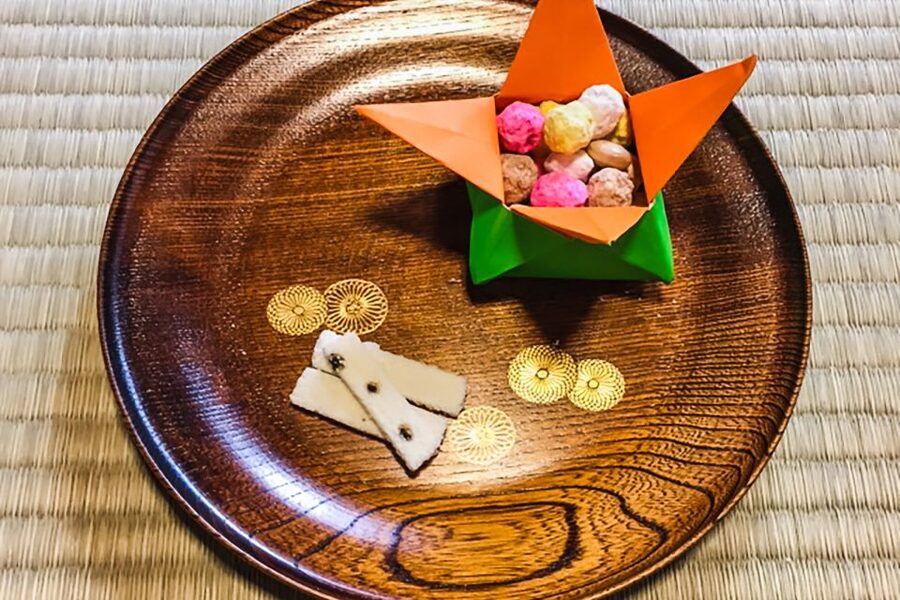
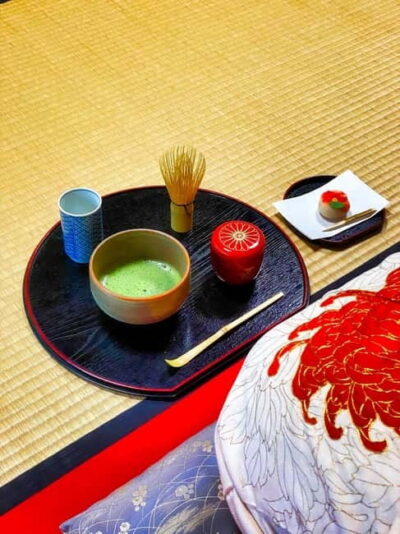
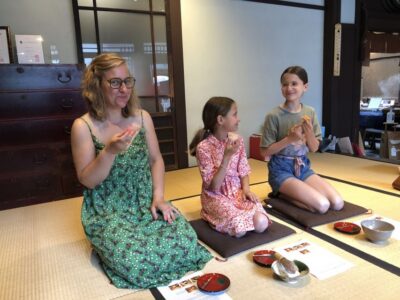
Japanese sweets are served with the tea. Their sweetness gives your palate a counterpoint to matcha, and they are part of the ceremony rather than a separate snack added at the end. This pairing helps explain why tea service uses delicate sweets in the first place.
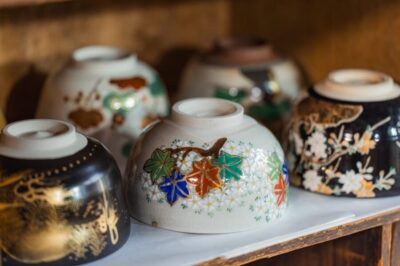
The lesson also introduces the objects used in the ceremony. One detailed account of the experience noted that the host discussed the ceramics as well as the tea. That kind of detail is valuable because tea ceremony treats the bowl, scoop, whisk, and serving movements as part of one complete setting.
You should not expect a full meal. The included food is traditional Japanese sweets, and the listed inclusions are two green teas and sweets. Eat beforehand if you need something substantial, especially if you are scheduling the activity between visits to Kinkakuji and other northern Kyoto sights.
More craft workshops in Kyoto:
- Ramen Cooking Class at Ramen Factory in Kyoto
★ 5.0 · 1,937 reviews - Kyoto : Chopsticks Making Workshop in Gion with Engraving Option
★ 5.0 · 958 reviews - Kyoto: Samurai Sword Class by Experts in Traditional Arts
★ 4.9 · 657 reviews - Kyoto: Ramen Cooking Class at a Ramen Factory with Souvenir
★ 4.9 · 532 reviews
Choosing public, private, or candlelight tea ceremony
You choose the atmosphere that best fits your day.
The public ceremony places you in a small group. This gives the lesson a social feel and lets you share the experience with other beginners. It is likely the best value if you want the traditional instruction without paying for exclusive attention.
The private ceremony is for you and your group alone. It suits couples, families, or anyone who wants to ask more questions and move at a personal pace. Private does not mean informal, however. The ceremony still follows its rules and traditional format.
The candlelight ceremony takes place after sunset and uses traditional candlelight to create an older Kyoto mood. It is a strong choice for an evening plan, especially if you want the room to feel more atmospheric than a daylight lesson. Candlelight does not turn the activity into a different kind of show. You still receive the same cultural explanation and tea-making instruction.
The 45-minute duration keeps the activity easy to fit into a Kyoto schedule. It also limits how much background the host can cover. If you want a long lecture on Japanese tea schools, this is not the right format. If you want a focused introduction with your own hands on the whisk, the timing is sensible.
Adding a kimono and seeing Nishijin textiles
Kimono rental is optional and must be reserved in advance. If you select it, arrive 20 minutes before the tea ceremony so you have time to change. The supplier warns that adding a kimono at the door can be difficult, so do not assume you can decide at the last minute.
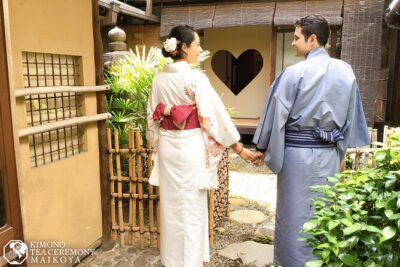
The kimono option adds visual weight to the experience. You can take photos afterward, and the tea house provides examples of kimonos and woven textiles from Kyoto’s Nishijin district. Nishijin is known for fine textile work, so this small display connects the tea lesson with another local craft tradition.
The practical side matters. Kimono dressing takes time, and the ceremony itself still lasts 45 minutes. If your schedule is tight, build in the early arrival and do not book the activity immediately before a timed train or reservation.
The kimono is not included in the $22 base price. Hair setting is also not included. You can wear ordinary clothes for the tea ceremony, and there is no dress code. Comfortable clothing is sensible, particularly because you will sit on tatami.
Getting to Tea Ceremony Koto near Kinkakuji
The meeting point is one minute from Kinkakuji-Michi city bus stop and one minute from the gate of Kinkakuji Temple. If you are already visiting the Golden Pavilion, look beside the bicycle parking area near the temple gate.
From Kitaoji subway station, Kyoto city buses 204 or 205 take about 10 to 15 minutes. The same buses take about 10 to 15 minutes from JR Enmachi. Kyoto bus traffic can affect that estimate, so give yourself a little breathing room, especially if you have chosen the kimono add-on.
Enter through the sliding door with the orange curtain. This instruction is more useful than a vague street address because the activity is in a building rather than an obvious large attraction. Save the meeting directions before you set out.
After the lesson, a large taxi stand is directly in front of the location and usually opens around 5:30 p.m. The activity provider warns that calling a taxi by phone may not work quickly, since taxi companies may not answer at once. If you finish earlier, plan to use public transport rather than relying on an immediate taxi pickup.
Floor seating, etiquette, and what to prepare
You will normally sit on the tatami floor. If you may have trouble sitting this way, tell the supplier in advance. Chairs can be provided, so a mobility concern should not automatically rule out the activity.
Before arriving, read the tea house’s Do’s and Don’ts material. The supplier has prepared short videos about what not to do, and you are asked to watch them before the visit. This is not busywork. Knowing the basic rules lets you focus on the tea instead of worrying about an accidental breach of etiquette.
Do not plan to record video. Photos are allowed after the ceremony, and kimono sessions include time for photographs, but video recording is not permitted.
Arrive on time. Some hosts have kindly allowed late arrivals to join, including people who were only a few minutes behind due to a bus, but you should not rely on that courtesy. Missing the opening demonstration means missing the part that explains the ceremony’s logic.
Is $22 good value for Kyoto?
At $22 per person, this is one of the more affordable ways to receive direct instruction from a licensed tea master. The price includes two green teas, Japanese sweets, the demonstration, and the chance to prepare tea yourself. It does not include a kimono, hair styling, hotel pickup, or transportation.
The value comes from the teaching, not the quantity of food or length of the visit. You are paying for a traditional setting and a lesson from a practitioner connected with Urasenke, not for an elaborate meal or a long cultural tour.
A private or candlelight option may change the price, and kimono rental costs extra. Even so, the base experience gives you more than a photo opportunity. You leave with a clearer understanding of tea ceremony manners and a practical memory of whisking matcha yourself.
For a first visit to Japan, I think the price works particularly well if you pair it with Kinkakuji. You can visit the temple, walk to the tea house, then continue elsewhere in northern Kyoto. The location saves time, and the lesson offers a different kind of cultural encounter than temple sightseeing.
Who will enjoy this tea ceremony most?
I would recommend it to you if you want a calm cultural activity with clear instruction. It suits couples, families, solo visitors, and small groups, with the private option available for a more personal setting.
It is also a good fit if you are curious about Japanese customs but do not know the correct etiquette. The host explains how to drink the tea, how to prepare it, and what each action means. English instruction makes the formal structure accessible.
You may want another activity if you dislike sitting on the floor, strongly dislike matcha, or want a relaxed photo session with little instruction. A kimono can be added, but the central purpose remains tea ceremony, and the tone is respectful and quiet.
The experience can work well for older family members, since chairs are available if requested. It may be less suitable for very young children who cannot stay quiet or follow basic rules for 45 minutes.
Should you book Tea Ceremony Koto?
Book it if you want the traditional version, not a quick tourist performance. The strongest reasons are the licensed Urasenke tea master, the chance to make matcha yourself, the explanation of ceremony etiquette, and the low base price.
Choose private tea ceremony for a couple or family that wants personal attention. Choose public for the best value. Choose candlelight if your Kyoto schedule allows an evening visit and you want a more atmospheric room. Add the kimono only if you can arrive 20 minutes early and want photographs tied to the occasion.
I would skip it only if you need a fast, casual attraction with no rules. For everyone else, this is a compact and well-priced way to understand why tea ceremony is treated as an art of hospitality rather than simply a cup of green tea.
FAQ
How long does the Kyoto tea ceremony last?
The tea ceremony experience lasts 45 minutes.
Where does the tea ceremony take place?
It takes place at Tea Ceremony Koto near Kinkakuji Temple in Kyoto, on Honshu.
How close is the meeting point to Kinkakuji?
The location is a one-minute walk from the gate of Kinkakuji Temple.
How do I find the entrance?
Enter through the sliding door with the orange curtain. If you are coming from Kinkakuji, look next to the bicycle parking area.
Is the tea ceremony available in English?
Yes. The instructor languages are English and Japanese.
What is included in the price?
The activity includes two flavors of Japanese green tea and traditional Japanese sweets.
Can I make matcha myself?
Yes. The tea master first demonstrates the preparation, then guides you as you make tea according to the rules of the ceremony.
Is a kimono included?
No. A kimono is an optional add-on and must be reserved in advance. If you book it, arrive 20 minutes before the ceremony.
Can I sit on a chair instead of the tatami floor?
Yes. If sitting on the floor may be difficult, inform the supplier so chairs can be provided.
Can I record the ceremony?
No. Video recording is not allowed. Photos are available after the ceremony, and the kimono option includes time for photographs.
Is there a dress code?
No. There is no dress code for this activity.
Can I cancel the booking?
You can cancel up to 24 hours in advance for a full refund. A reserve-now-and-pay-later option is also available.
Newest Kyoto experiences on the site
- Treasures of Kyoto: Gion & historical Walking Tour★ 5.0 · 6 reviews
- Whisk Your Own Matcha: A Zen Matcha Experience at Temple★ 3.6 · 7 reviews
- Kyoto tea town for matcha lovers★ 5.0 · 16 reviews
- Uji: Private immersion into Kyoto’s tea and reglious culture★ 5.0 · 17 reviews
- Kyoto Matcha Green Tea Tour★ 4.5 · 23 reviews
- Uji and Wazuka Matcha Farm Half Day Private Guided Tour★ 5.0 · 21 reviews
- Utilising upcycled Matcha! Creating matcha incense (Uji, Kyoto)★ 5.0 · 6 reviews
- Sacred Temple Yoga Experience in Japan★ 5.0 · 3 reviews
Kyoto Tea Ceremonies, compared.
Tea Ceremony in a Traditional Tea House in Kiyomizu
Read our review →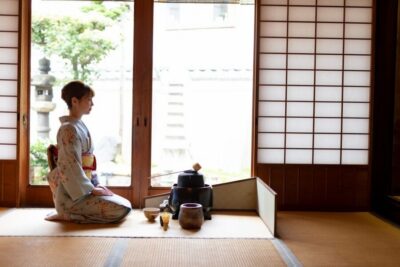
Tea Ceremony in 100-year-old Kyo-Machiya Townhouse
Read our review →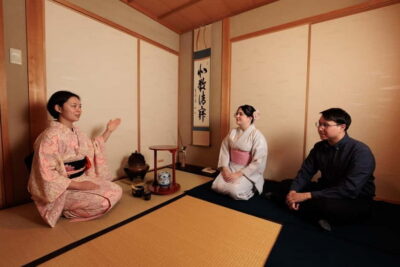
Tea Ceremony Meditation – Make Matcha with Tea Master
Read our review →Browse the lists this tour appears in