
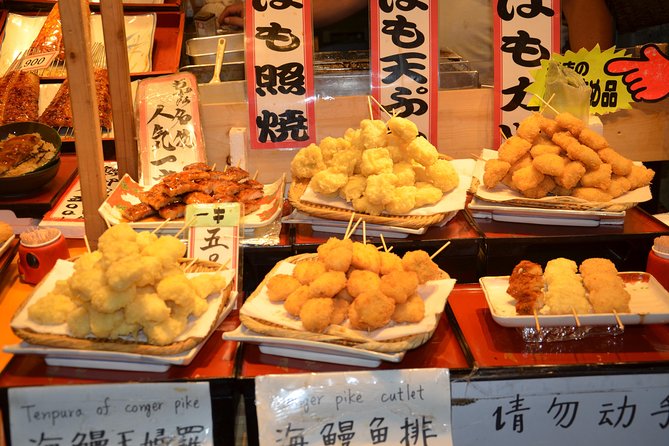
Reviewed · NISHIKI MARKET TOURS
Kyoto Nishiki Market Tour
Nishiki Market is easiest to enjoy with a local guide and an empty stomach. This three-hour walk takes you through Kyoto’s narrow food arcade, where family-run shops sell everything from pickled mountain vegetables to tofu, sashimi, dashi, tea, sake, and tamagoyaki.
I like the small maximum group of 10, which makes it easier to stop at busy stalls without losing your guide. I also like the food education: you learn how ingredients move from harvest to market, preservation, and plate. The main drawback is the market itself. It can be loud, crowded, and too narrow for a group to gather comfortably, so hearing every explanation is not guaranteed.
Key points to know before booking
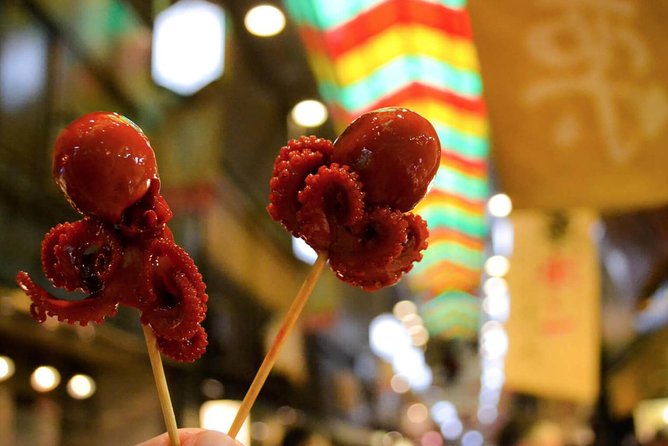
- About 10 to 12 tasting stops: The tour includes visits to family-owned market shops, with the exact number described as either 10 vendors or 12 shops.
- A real seasonal lunch is included: This is more than a string of tiny samples, with lunch and Japanese tea part of the planned food experience.
- Guides Chie and Rosali have earned special praise: Chie is noted for careful pacing and clear explanations, while Rosali has led intimate tours for very small groups.
- Nishiki is a working market, not a quiet classroom: Narrow lanes, crowds, and shop traffic can make some explanations hard to hear.
- The tour runs about three hours and starts at 10:00 am: Wear good walking shoes and arrive ready to eat.
- Vegetarian and pescatarian options are available: Tell the operator your needs, but expect food stops and restaurant arrangements to change when necessary.
Why Nishiki Market makes a good first food tour
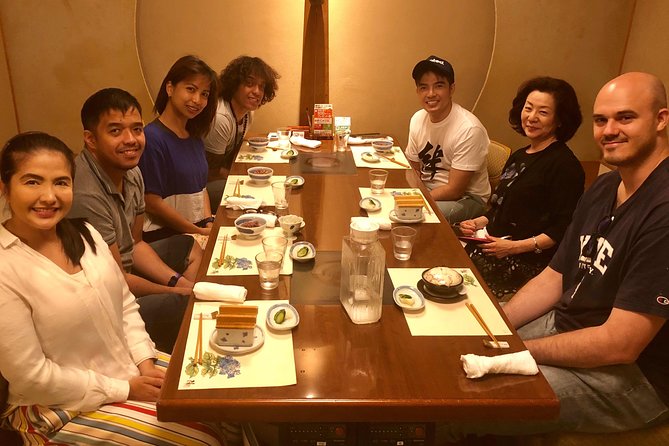
Nishiki Market is known locally as the Kitchen of Kyoto, and that name makes sense once you see the range of ingredients packed into its covered shopping street. It is a roughly 400-year-old market, but the appeal is not only age. You are looking at the everyday building blocks of Kyoto cooking: preserved vegetables, tofu, seafood, tea, broth ingredients, sweets, and prepared food.
The market can feel like a lot on your own. Shops sit close together, signs compete for attention, and many foods are unfamiliar even if you have eaten Japanese cuisine before. A guide gives you a path through the noise and explains what deserves your attention.
I especially like the farm-to-plate angle. You are not simply handed a bite and told its name. The guide explains how an ingredient is harvested, sold, prepared, and preserved. That turns a quick tasting into a useful lesson in Japanese food culture.
You should still set your expectations correctly. This is not a private cooking class, and it is not a relaxed restaurant meal from start to finish. You walk, pause, taste, and move on. The market remains open to ordinary shoppers, so you share the space with people buying lunch and ingredients for home.
More Nishiki Market walks and tastings:
- Nishiki Market Brunch Walking Tour (7 Tastings + Brunch)
★ 5.0 · 1,355 reviews - Kimono Tea Ceremony at Kyoto Maikoya, NISHIKI
★ 5.0 · 911 reviews - Kyoto Nishiki Market Food and Culture Walking Tour
★ 5.0 · 412 reviews
Starting near the Lacoste Kyoto store at 10:00 am
The meeting point is at 376 Naramonochō in central Kyoto, near the Lacoste Kyoto store. The tour begins at 10:00 am, so allow time to find the exact spot and avoid arriving hungry in the wrong sense. You want room for food.
The opening meeting is brief, about five minutes before the group enters the market area. The group size is capped at 10, although some departures have been much smaller. That matters here. Nishiki’s lanes are tight, and a large group would make each stop harder.
Your guide may be Chie or Rosali, among the guides specifically praised for this experience. Chie is noted for answering a long list of questions and adjusting the pace so older family members could keep up. Rosali has also led a very small departure, which allowed the guide to give close attention to the group.
The operator asks solo participants to email ahead. That is a sensible step for a solo booking, since the tour requires a minimum number of participants and group arrangements can change.
Walking the food stalls of Nishiki Market
The central portion lasts about three hours and carries the tour from one family-run shop to the next. Some businesses have operated for hundreds of years, while others focus on a single specialty. The value is in seeing how different foods fit together rather than treating the market as one giant snack counter.
The tasting list includes several Kyoto and Japanese staples:
- Tsukemono, or vegetables preserved through pickling
- Yuuba, the delicate skin that forms during tofu production
- Sashimi and fresh seafood
- Tofu made with mountain water
- Dashi, the broth base behind many Japanese dishes
- Tamagoyaki, a rolled Japanese omelet
- Matcha and Japanese tea
- Fresh seafood and other seasonal foods
- Sparkling sake poured from the tap
- A seasonal and regional lunch
The spelling of matcha appears as macha in the supplied description, but the drink is the familiar powdered Japanese green tea. The important point is that tea is included, along with a wider look at Kyoto’s food traditions.
The tour description gives two different tasting counts: one section says 12 family-owned shops, while the included services specify 10 market vendors. In practical terms, plan for about 10 to 12 stops, not a fixed promise that every departure will visit the same businesses. Shop schedules, public holidays, weather, and restaurant availability can change the route.
That flexibility is useful in a market. A guide can replace an unavailable restaurant or shop with an option of similar quality. It also means you should not book this expecting a rigid menu. The exact foods may shift with the season and the day.
What the individual tastings tell you
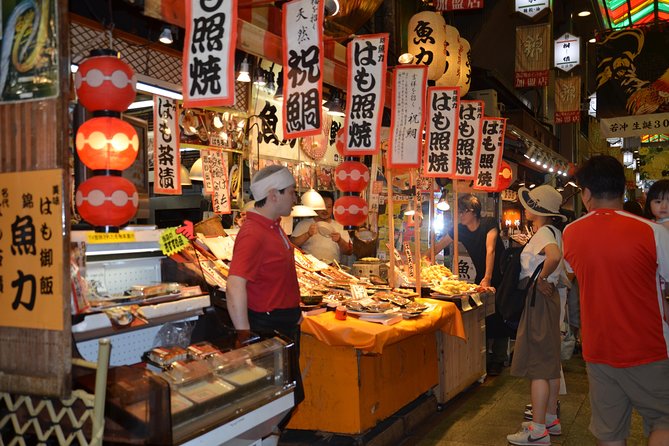
The strongest part of this outing is the contrast between foods. Pickled vegetables show how preservation has long been central to Japanese cooking. Tofu and yuuba give you a chance to notice texture and production methods that are easy to miss when tofu appears only as a side dish.
Dashi is equally important. It is not usually served as a dramatic dish, but it forms the base of countless Japanese meals. Learning about it at a market stall helps you understand why small differences in ingredients can affect an entire bowl or sauce.
Tamagoyaki offers a more familiar, comforting taste, while sashimi and fresh seafood provide a sharper sense of the market’s daily trade. If you like seafood, this section should be a highlight. If you are cautious about raw fish, ask your guide what is being served before tasting.
The inclusion of sparkling sake adds a drink component, but the minimum drinking age is 21. Food and drinks are generally not included unless specified, so read the tasting plan carefully. Japanese tea and the seasonal lunch are included, while extra purchases and any unlisted food or drink are your responsibility.
The guide also explains the process from production to sale and preservation. That is particularly useful when you see foods that are packaged, dried, pickled, or prepared for later use. You leave with more than a list of Japanese dishes. You gain a better sense of why Kyoto food places such importance on season, texture, and careful preparation.
More market walks in Kyoto:
- Kyoto: Nishiki Market Tea Ceremony with Koto Performance
★ 4.8 · 294 reviews - Kyoto: Local Food Tasting Tour at the Nishiki Market
★ 4.7 · 135 reviews - Kyoto: Nishiki Market and Depachika Food Tour with a Local
★ 4.7 · 76 reviews - Kyoto: Nishiki Market Tour with a Local Foodie & Tastings
★ 4.5 · 67 reviews
The seasonal lunch is a real advantage
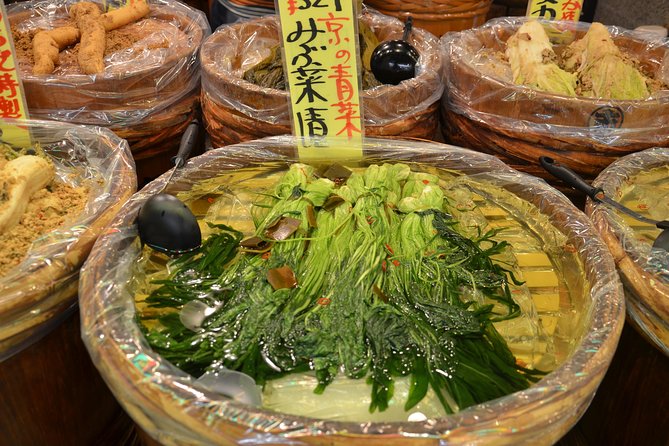
Many food walks fill the morning with small bites and leave you searching for lunch afterward. This one includes a seasonal and regional lunch, which adds practical value to the $221 price.
The details of the restaurant and menu can change. Umenohana is listed as an ending point, and one account of the tour describes a good Japanese meal with beef. Treat that as an example rather than a guaranteed menu, since substitutions may be made.
Lunch gives the tour a proper pause after the market tastings. It also lets you experience Japanese dining in a more complete form than a series of samples eaten while standing. If you are comparing this tour with a cheaper snack walk, include that meal when weighing the total cost.
The meal may also make the pace easier for older relatives or people who prefer not to hurry. One guide was specifically praised for keeping the group moving at a comfortable speed for parents in their sixties. You still need moderate physical fitness, but this is not presented as a race through the market.
Nishiki Tenmangu Shrine and nearby sights
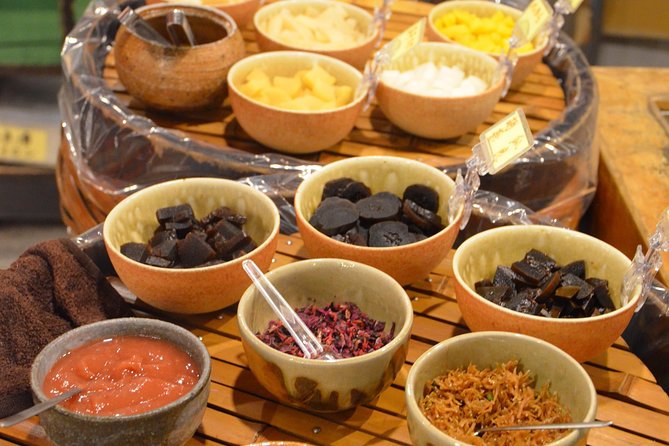
Nishiki Market is the focus, but the route includes or identifies several nearby Kyoto sights, including Nishiki Tenmangu Shrine and Rokkakudo Temple. These places give you a little cultural context between food stops.
Nishiki Tenmangu Shrine is close to the market district and provides a change of mood from the packed shopping lane. Rokkakudo Temple is another central Kyoto stop listed with the route. The supplied schedule also names Fushimi Inari Taisha, but the three-hour market walk does not establish that you will visit the famous shrine during this experience. Do not book this tour as a Fushimi Inari sightseeing tour.
The route ends in the Karasuma area, with the stated endpoint at Karasuma Station, Naginatabokocho. That makes the tour convenient if you want to continue exploring central Kyoto afterward. Transportation to and from the tour is not included, so you pay your own fares.
The crowded-market tradeoff
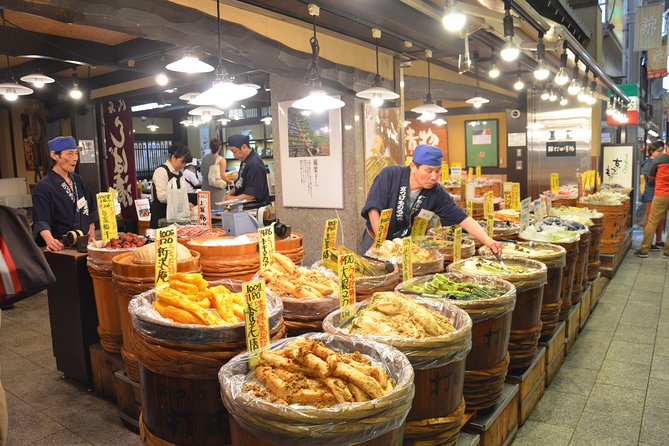
The same setting that gives Nishiki its character can make the tour less comfortable. The street is narrow, busy, and noisy. At certain stalls, your guide may have trouble speaking over the crowd, and the group may not be able to gather without blocking shoppers.
I would treat this as a practical limitation rather than a flaw in the concept. You are entering a working market, not a closed attraction arranged for tour groups. The tradeoff is access to a real shopping street with real vendors, but less space and quiet than you would have in a classroom.
Good walking shoes matter. The tour lasts just over three hours, and you move between many stops. Bring patience, listen closely when you can, and ask your guide to repeat anything you miss. The small group helps, but it cannot remove the market’s crowds.
Is $221 a fair price?
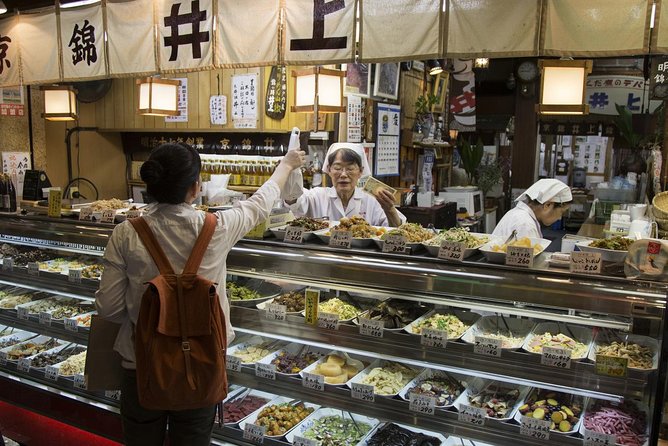
At $221 per person, this is not a budget food walk. The price makes the most sense if you value the guide’s explanations, the number of tastings, the included tea, and the seasonal lunch.
You are also paying for structure. On your own, you can enter Nishiki Market for free, but you may not know which shops to choose or what you are tasting. You might buy a snack and miss the connection between tofu production, preserved vegetables, dashi, seafood, and Kyoto dining.
The price is harder to justify if you only want to browse or eat a few inexpensive market snacks. You may also find the cost high if you want a private tour, since the group can include up to 10 people. Still, a small group and a good guide can make the difference between wandering past unfamiliar foods and understanding what to try.
The experience is booked an average of 28 days ahead, so popular dates may fill early. Same-day booking is available, but that depends on space. Free cancellation is offered up to 24 hours before the start time. Changes made inside that window are not accepted, and poor weather or failure to meet the minimum group size can lead to a new date or a full refund.
Who should book this Kyoto food walk?
I would recommend it to first-time Kyoto visitors who want a clear introduction to local food. It also suits people who enjoy markets but want help choosing what to taste, families with older children, and multigenerational groups that benefit from a measured pace.
Vegetarians and pescatarians can also consider it, since the tour is described as friendly to both diets. You should state your needs in advance because the exact shops and restaurants may change.
This tour is less suitable if you dislike crowds, need a quiet setting for explanations, or want a fixed menu. It is also not the best choice for someone looking for a shrine-focused excursion. The food market is the main event.
Final call: book it for context, not just samples
Book this tour if you want Nishiki Market to make sense. The best features are the local guide, the family-owned shops, the production stories, the seasonal lunch, and the chance to taste foods you might otherwise pass by.
Skip it if you are comfortable navigating Japanese markets alone and prefer to spend $221 on several independent meals. For most visitors who want an organized introduction to Kyoto cuisine, the combination of tastings and lunch gives the price a reasonable purpose.
Arrive at 10:00 am with an empty stomach, comfortable shoes, and realistic expectations about noise and crowds. If you do that, Nishiki Market becomes more than a shopping lane. It becomes a useful, flavorful introduction to how Kyoto eats.
FAQ
How long does the Kyoto Nishiki Market Tour last?
The tour lasts approximately 3 hours and 5 minutes. The main Nishiki Market portion is listed as about three hours.
Where does the tour begin?
The meeting point is 376 Naramonochō, Shimogyo Ward, Kyoto, near the Lacoste Kyoto store. The start time is 10:00 am.
Where does the tour end?
The stated endpoint is in the Karasuma area near Karasuma Station, at Naginatabokocho in Shimogyo Ward.
How many food vendors does the tour visit?
The included services specify 10 market vendors, while another description refers to 12 family-owned shops. Plan for roughly 10 to 12 tasting stops, with changes possible because of schedules, holidays, weather, and other conditions.
Is lunch included?
Yes. A seasonal and regional lunch is included, along with Japanese tea. Extra food and drinks are not included unless specifically stated.
Is the tour suitable for vegetarians and pescatarians?
Yes. The tour is described as vegetarian friendly and pescatarian friendly. You should provide your dietary needs in advance because substitutions may be required.
Is the tour suitable for children?
Yes. It is family-friendly, but children must be accompanied by an adult. A copy of passport information is required for children aged 10 and above.
Can I cancel for a full refund?
Yes, if you cancel at least 24 hours before the experience start time. Cancellations or changes made less than 24 hours before the start time are not accepted for a refund. If bad weather or an insufficient number of participants cancels the tour, you are offered another date or a full refund.
Newest Kyoto experiences on the site
- Treasures of Kyoto: Gion & historical Walking Tour★ 5.0 · 6 reviews
- Whisk Your Own Matcha: A Zen Matcha Experience at Temple★ 3.6 · 7 reviews
- Kyoto tea town for matcha lovers★ 5.0 · 16 reviews
- Uji: Private immersion into Kyoto’s tea and reglious culture★ 5.0 · 17 reviews
- Kyoto Matcha Green Tea Tour★ 4.5 · 23 reviews
- Uji and Wazuka Matcha Farm Half Day Private Guided Tour★ 5.0 · 21 reviews
- Utilising upcycled Matcha! Creating matcha incense (Uji, Kyoto)★ 5.0 · 6 reviews
- Sacred Temple Yoga Experience in Japan★ 5.0 · 3 reviews
Nishiki Market Tours, compared.
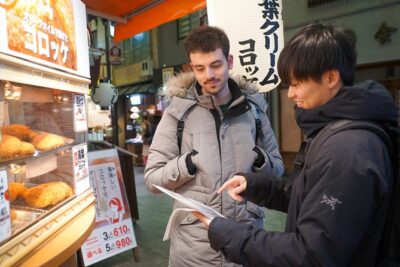
Nishiki Market Brunch Walking Tour (7 Tastings + Brunch)
Read our review →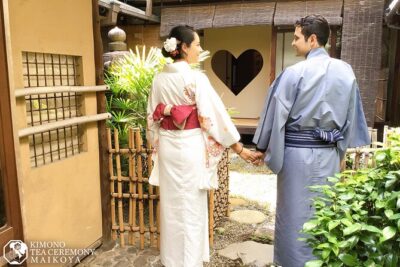
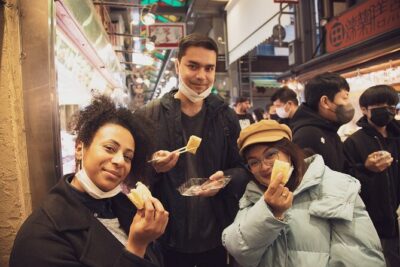
Kyoto Nishiki Market Food and Culture Walking Tour
Read our review →
Nishiki Market Tea Ceremony with Koto Performance
Read our review →
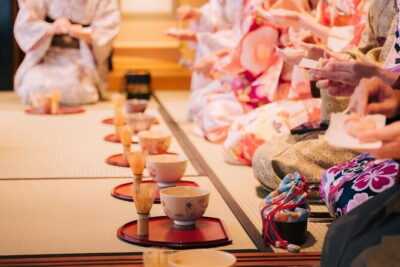
Kimono Tea Ceremony Experience at Kyoto Oritzuruya, Nishiki
Read our review →
Nishiki Market and Depachika Food Tour with a Local
Read our review →
Nishiki Market Tour with a Local Foodie & Tastings
Read our review →Browse the lists this tour appears in